
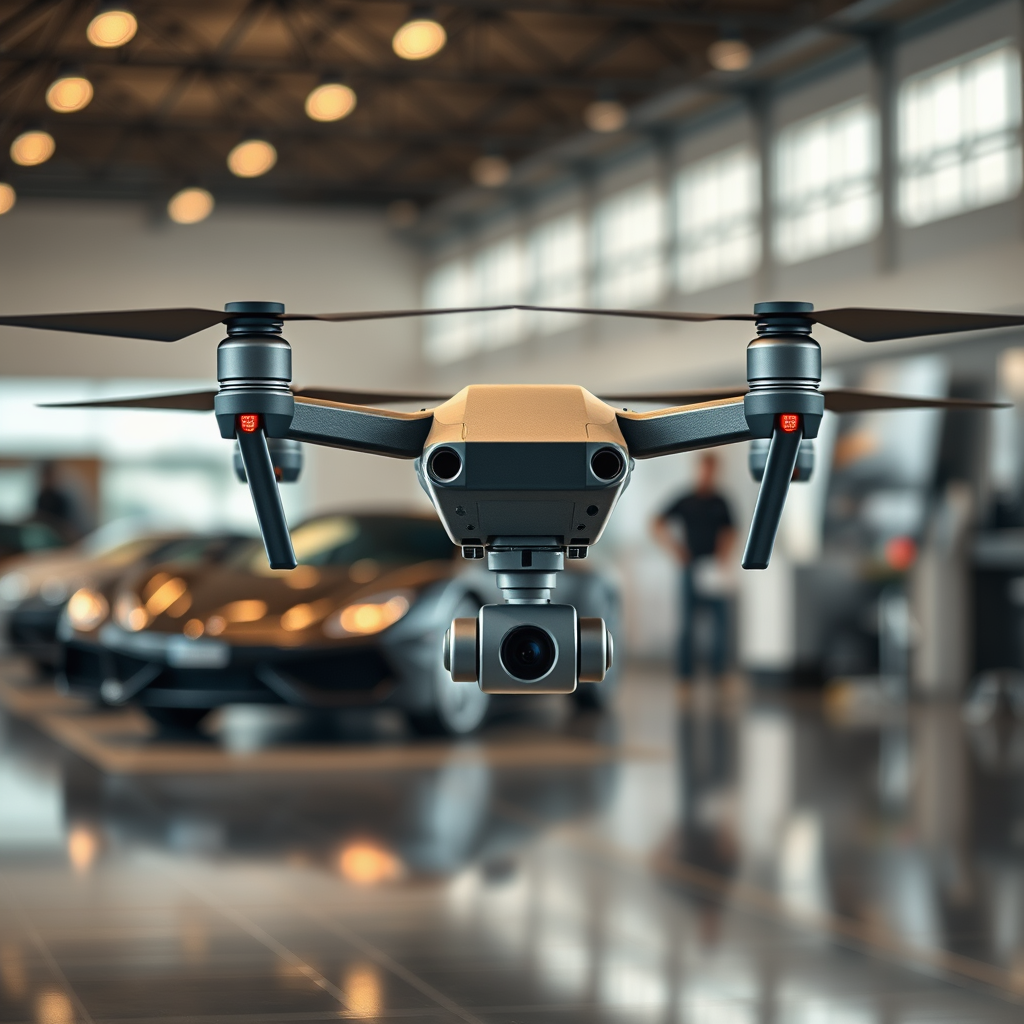
Military drones can typically carry between 25 to 1,500 pounds, depending on the model and purpose. This broad payload capacity enables them to transport a variety of equipment, supplies, and even armaments for diverse military operations, from surveillance to direct combat support. As military technology evolves, understanding the nuances of drone payloads becomes increasingly critical for strategic planning and operational effectiveness. In this article, we will delve into the factors influencing payload capacity, specific examples of military drones, their operational roles, and the future of drone technology.
Understanding Payload Capacity
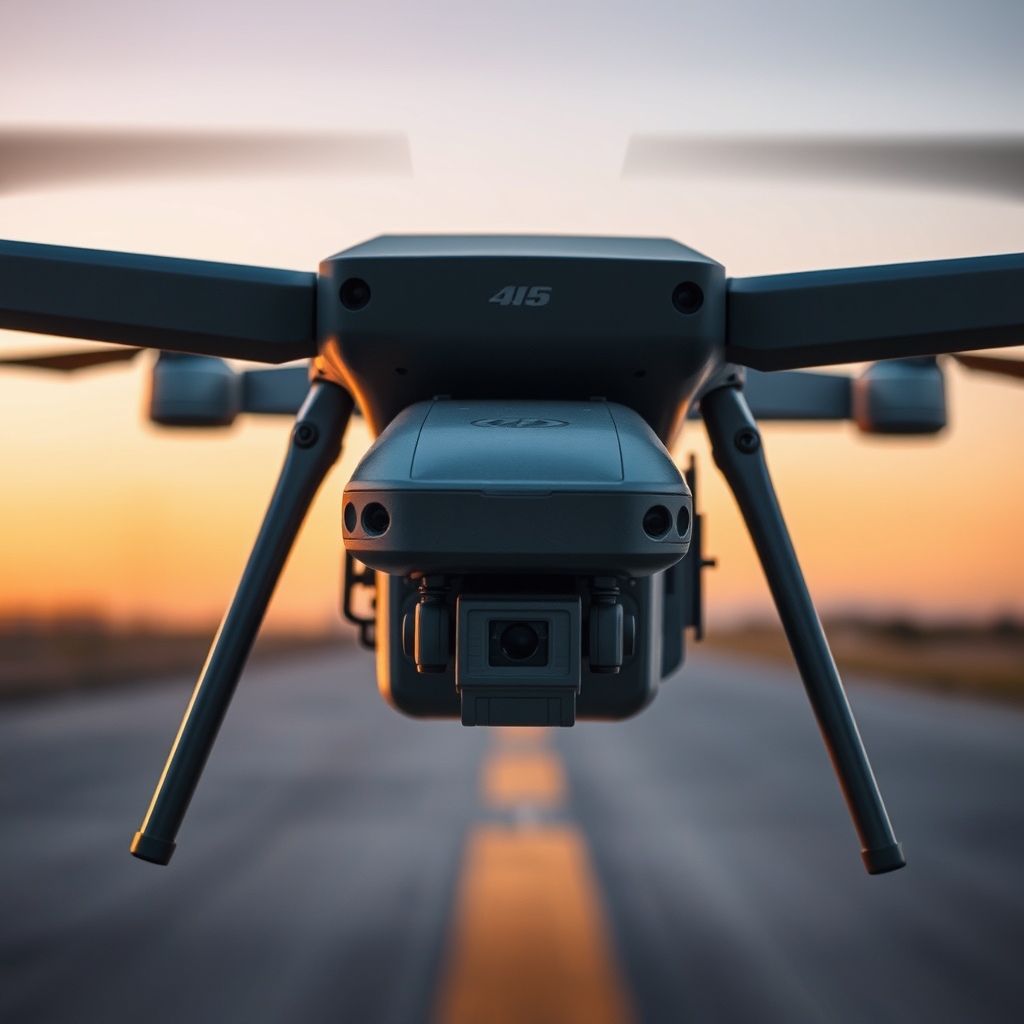
Payload capacity refers to the maximum weight a military drone can carry, including all equipment, supplies, and armaments. This capacity is significant in military operations as it directly impacts the drone’s effectiveness in fulfilling its mission. A drone’s payload capacity can determine its operational range, mission type, and even its survivability in hostile environments.
Several factors affect a drone’s payload capacity, including its design, materials, and mission requirements. For instance, drones designed for reconnaissance may prioritize lighter payloads for extended flight durations, while attack drones may be designed to carry heavier munitions but at the cost of range. Additionally, advancements in materials science allow for stronger yet lighter components, thereby enhancing payload capabilities without sacrificing structural integrity.
Examples of Military Drones and Their Payloads
Various military drone models exhibit a wide range of payload capabilities tailored to specific operational roles. The MQ-9 Reaper, a renowned unmanned aerial vehicle (UAV), can carry approximately 3,000 pounds of payload, which includes a mix of surveillance equipment and precision-guided munitions. This flexibility allows the Reaper to conduct intelligence, surveillance, reconnaissance (ISR) missions as well as strike missions effectively.
In contrast, the RQ-4 Global Hawk, primarily designed for high-altitude reconnaissance, has a lower payload capacity of around 1,400 pounds. Its payload typically consists of advanced sensors and cameras designed for long-range surveillance rather than munitions.
When comparing different categories of drones, attack drones like the MQ-1 Predator and MQ-9 Reaper are designed to carry heavier payloads than reconnaissance drones such as the RQ-4 Global Hawk or the smaller RQ-11 Raven. This distinction underscores the importance of understanding the specific mission profiles associated with each drone type.
Factors Influencing Drone Weight Limits
The design of a military drone heavily influences its weight limits. Aerodynamics plays a crucial role; a drone’s shape must allow it to navigate efficiently through the air while minimizing drag. Moreover, structural integrity is paramount—drones must be built to withstand various stresses during flight while carrying their payloads.
Fuel load is another significant factor. A drone’s operational range is often dictated by the amount of fuel it can carry, which in turn affects its payload capacity. The more fuel required for extended missions, the less weight available for payloads. Striking a balance between fuel and payload is essential for mission planning and operational success.
Payload Types and Their Uses
Military drones are versatile platforms that can carry a wide array of payloads. Common payloads include surveillance equipment such as cameras and sensors for ISR missions, as well as munitions like missiles and bombs for direct combat roles. Additionally, drones can transport logistical supplies such as medical equipment, food, and ammunition, which can be crucial for remote operations.
The type of payload significantly influences mission planning and execution. For reconnaissance missions, lightweight sensors that provide real-time intelligence are essential. Conversely, for strike missions, the drone must be equipped with precision munitions to engage targets effectively. Understanding these payload types allows military planners to optimize drone deployments based on mission objectives.
Technological Advancements in Drone Payloads
Recent innovations have significantly enhanced military drone carrying capabilities. Lightweight materials such as carbon fiber composites and advanced alloys are increasingly being utilized in drone construction, allowing for heavier payloads without compromising flight performance. Additionally, advancements in propulsion systems, including hybrid and electric technologies, offer greater efficiency and extended operational ranges, further augmenting payload capacities.
The future of military drone payloads appears promising with the introduction of emerging technologies such as artificial intelligence (AI) and automation. AI can optimize flight paths and payload management, potentially allowing drones to make real-time adjustments based on mission parameters. These advancements could lead to increased payload limits and more versatile operational capabilities.
Operational Roles of Heavier Payload Drones
Heavier payload drones play critical roles in various military missions. For example, logistics drones that transport essential supplies to troops in remote locations demonstrate the importance of carrying capacity in sustaining operations. Combat support missions often require drones to deliver ammunition or medical supplies quickly during engagements, showcasing their utility in high-stakes scenarios.
Case studies highlight the successful deployment of heavy payload drones in combat situations. During operations in Afghanistan, the MQ-9 Reaper has been instrumental in providing close air support while delivering precision munitions to ground troops under fire. Such examples underscore the value of heavy payload capabilities in enhancing military effectiveness.
Safety and Regulations Regarding Drone Payloads
Safety protocols and regulations govern the payload limits of military drones to ensure operational integrity and mission success. These regulations are established to mitigate risks associated with overloading a drone, which can lead to mechanical failure, compromised flight safety, and unintended collateral damage.
Adherence to these regulations is paramount in military contexts, where the stakes are high. Military organizations often conduct rigorous testing and evaluation to determine the safe operational limits for each drone model and payload type. This commitment to safety not only protects personnel but also enhances the overall effectiveness of military operations.
In conclusion, understanding how much weight military drones can carry is crucial for their effective deployment in various operations. Drones serve as vital assets in modern warfare, and their payload capacities directly influence mission capabilities and outcomes. As technology continues to evolve, the capabilities of military drones will expand, offering new opportunities for enhanced operational effectiveness. For more insights into military drone technology, stay tuned for our upcoming articles!
Frequently Asked Questions
What is the typical weight capacity of a military drone?
The weight capacity of military drones varies significantly depending on their design and purpose. For example, small tactical drones like the RQ-11 Raven can carry payloads of around 1.5 kilograms (approximately 3.3 pounds), while larger drones such as the MQ-1 Predator can carry payloads of up to 204 kilograms (approximately 450 pounds). Understanding the payload capabilities is essential for military operations, as it influences the type of equipment or supplies that can be transported or deployed.
How do military drones manage their payload weight?
Military drones manage their payload weight through a combination of engineering design and operational protocols. Each drone is built with specific weight limits that consider the drone’s size, propulsion system, and flight capabilities. Operators must carefully calculate the total weight of the drone, including fuel and payload, to ensure optimal performance and flight safety. This management is crucial for mission success, as exceeding weight limits can impact flight stability and range.
Why is payload capacity important for military drones?
Payload capacity is vital for military drones because it determines the types of missions they can effectively undertake. Higher payload capacities allow drones to carry essential equipment such as surveillance cameras, weaponry, or supplies, thereby enhancing their operational versatility. This capability is crucial for various military applications, including reconnaissance, logistics, and combat support, ensuring that missions can be completed efficiently and effectively.
Which military drones have the highest payload capacity?
Among military drones, the MQ-9 Reaper is notable for its high payload capacity, capable of carrying approximately 1,700 kilograms (around 3,750 pounds) of payload, including munitions and surveillance equipment. Other heavy-lift drones, like the Global Hawk, also have substantial payload capacities, primarily used for intelligence, surveillance, and reconnaissance missions. These capabilities enable armed forces to adapt their strategies based on operational needs.
What factors can affect a military drone’s weight-carrying ability?
Several factors can affect a military drone’s weight-carrying ability, including its design, engine power, battery capacity, and aerodynamics. Environmental conditions, such as wind and altitude, also play a role in determining how much weight a drone can safely carry. Additionally, the type of payload—whether it’s fuel, sensors, or weapons—can impact flight performance and must be carefully considered during mission planning to ensure effective operation.
References
- https://en.wikipedia.org/wiki/Military_drone
- https://www.bbc.com/news/world-us-canada-58863508
- https://www.reuters.com/article/us-usa-drones-insight-idUSKBN2A50R9
- https://www.rand.org/pubs/research_reports/RR436-1.html
- https://www.darpa.mil/program/gremlins
- https://www.airforce.mil/News/Article-Display/Article/1873969/air-force-begins-using-drones-for-delivery-of-supplies-to-troops
- https://www.nato.int/cps/en/natolive/topics_82743.htm
- https://www.military.com/equipment/unmanned-aerial-vehicles.html
