
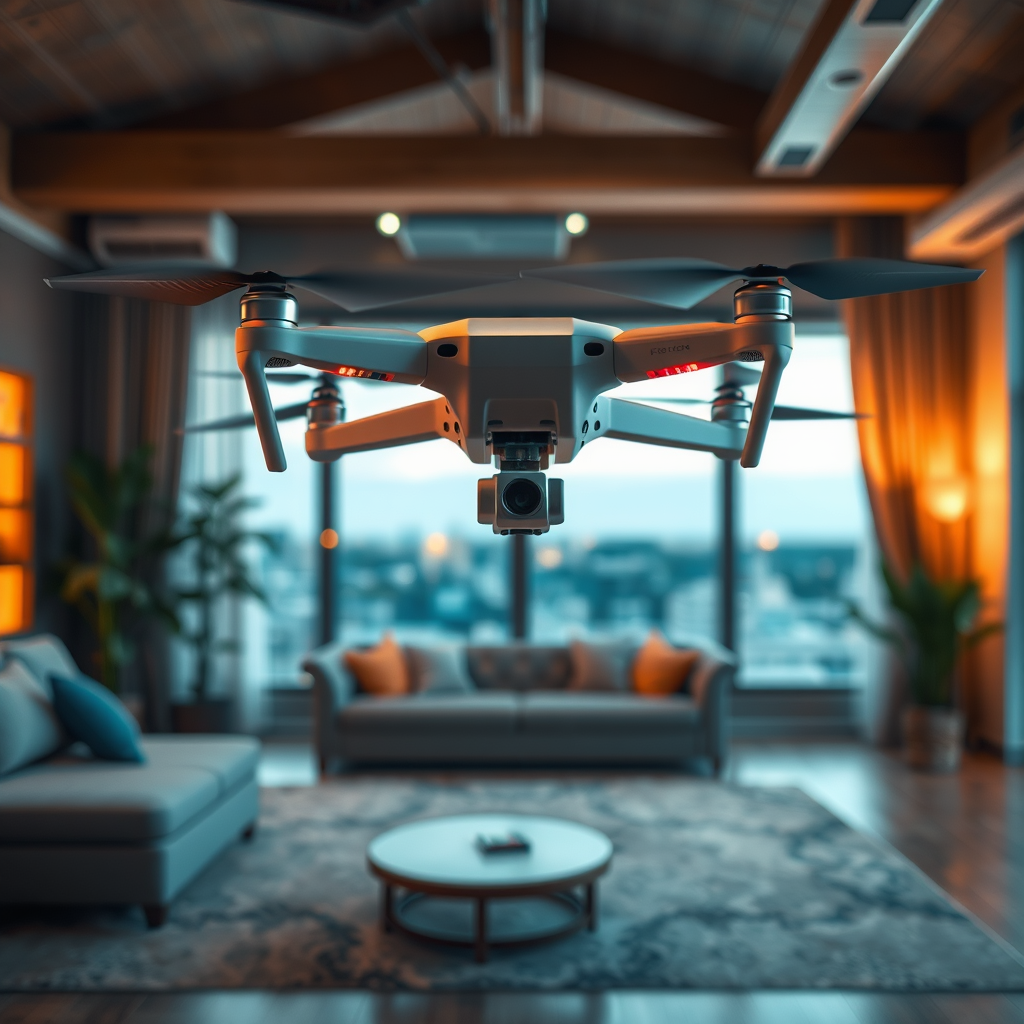
Drones can typically handle wind speeds of up to 15-20 mph, although this varies by model and design. Understanding the specific limitations of your drone is crucial for safe and effective flying. Wind can significantly affect a drone’s stability, control, and battery life, making it essential for pilots to assess weather conditions before takeoff. This article explores the factors affecting drone performance in windy conditions, helping you make informed decisions about your flights.
Understanding Drone Specifications
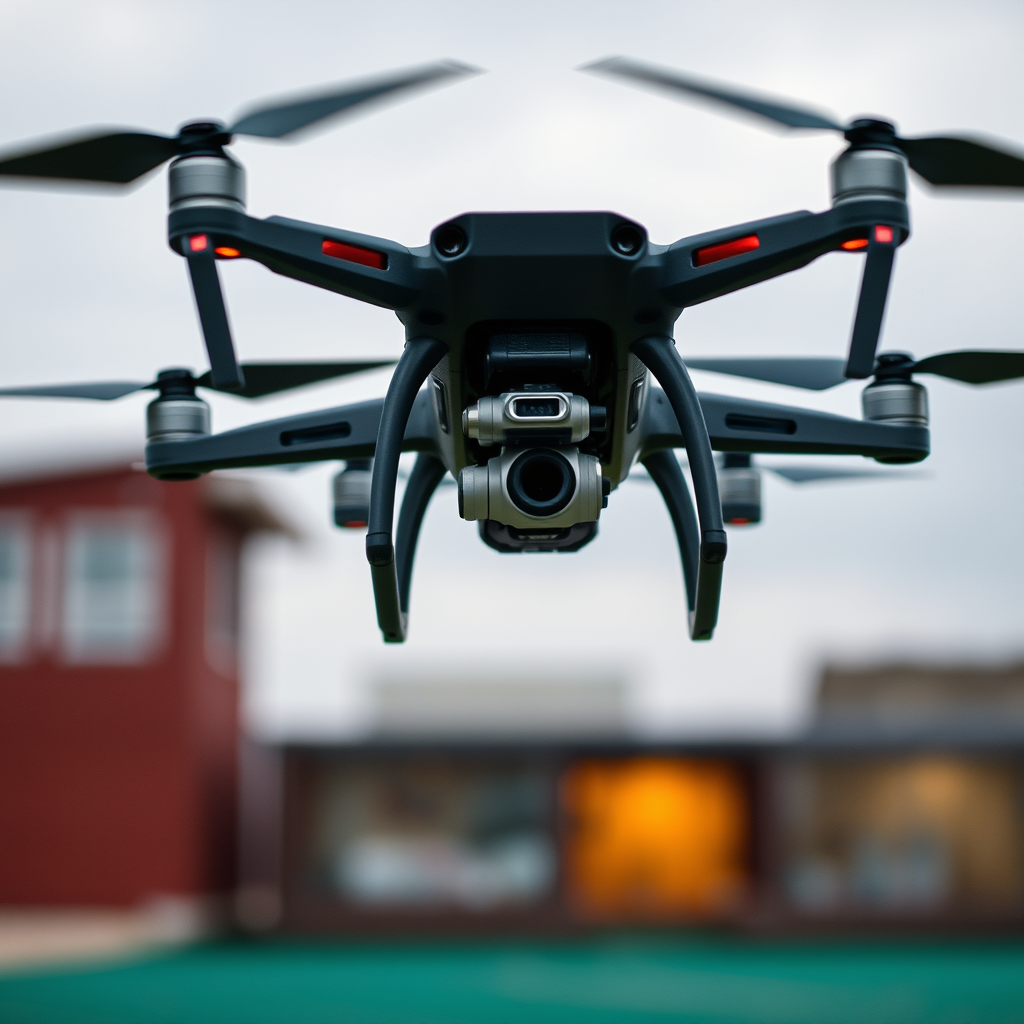
Different drones have varying wind resistance capabilities based on their size, weight, and design. For instance, larger, heavier drones often have a higher tolerance for wind compared to smaller, lightweight models. This variance is primarily due to the aerodynamic features and structural integrity of each drone type. When considering a drone for purchase or flight, it is essential to check the manufacturer’s guidelines for specific wind speed ratings tailored to your drone model. Many manufacturers provide detailed specifications that indicate the maximum wind speed under which their drones can operate safely, which is invaluable for ensuring stability and safety during flight.
For example, consumer drones like the DJI Mavic Mini may have a wind resistance rating of around 8-10 mph, making them less suitable for breezy conditions. In contrast, professional-grade drones such as the DJI Matrice 300 RTK can handle winds of 20 mph or more, highlighting the importance of selecting the right drone based on your intended flying environment.
Types of Drones and Their Wind Tolerance
Consumer drones generally have lower wind tolerances compared to professional-grade drones, mainly due to their design aimed at affordability and ease of use. These drones are often built with lightweight materials, which, while enhancing portability, can compromise their performance in windy conditions. For instance, a typical consumer drone might struggle to maintain stable flight when wind speeds surpass 10 mph, leading to potential control issues and increased risk of crashes.
On the other hand, racing drones are designed for agility and speed, often incorporating advanced aerodynamic features that allow for better performance in windy conditions. These drones are constructed to be lightweight yet sturdy, enabling them to cut through the air more efficiently. While they may not be as stable as larger drones, racing drones can often handle gusts better than some consumer models due to their design focus. Professional drones, such as those used for aerial photography or surveying, often have enhanced wind resistance capabilities, making them suitable for various applications even in less-than-ideal weather.
Factors Affecting Wind Performance
Several factors impact a drone’s performance in windy conditions, including design, aerodynamics, and weight distribution. Drones with a wide wingspan or larger rotor sizes typically exhibit more stability in the wind due to their ability to generate greater lift. Conversely, a drone with a compact design may struggle more against wind gusts, making it essential for operators to consider these design elements when selecting a drone for specific tasks.
Another critical aspect is battery life and flight time, which can be adversely affected by wind resistance. When flying in windy conditions, drones often work harder to maintain stability and altitude, leading to increased power consumption. Pilots should plan their flights accordingly to avoid running low on battery power mid-flight, particularly in challenging weather conditions. For instance, if a drone typically has a flight time of 25 minutes in calm weather, this may be reduced to 15-20 minutes if flying in strong winds, necessitating careful flight planning to ensure safe returns.
Safe Flying Practices in Windy Conditions
To ensure safety when flying drones in windy conditions, it is crucial to conduct thorough pre-flight checks. Assessing local weather conditions is essential; this includes not only wind speed but also gust patterns, temperature, and potential storm systems. Utilizing reliable weather apps or websites can provide real-time data on wind speeds and forecasts, enabling pilots to make informed decisions about whether to proceed with their planned flights.
Additionally, knowing the specific wind tolerance of your drone can guide your decision-making. If the wind speed is nearing or exceeding the manufacturer’s recommended limits, it’s advisable to postpone the flight. Moreover, understanding how to adjust flight settings, such as reducing altitude or modifying flight paths, can help mitigate the effects of wind during your drone operation.
Emergency Procedures for Strong Winds
In the event of unexpected strong winds during flight, knowing how to safely land your drone is crucial. Familiarizing yourself with the emergency landing procedures specific to your drone model can save it from potential damage or loss. Many drones are equipped with a “Return to Home” function, which can be activated in emergencies, allowing the drone to autonomously return to its starting point.
Pilots should also be comfortable using manual controls to regain stability in sudden gusts. Understanding how to manage throttle and pitch effectively can help counteract the drone’s movements caused by wind. Practicing these emergency procedures in a controlled environment can prepare pilots for real-world scenarios, ensuring they remain calm and composed if faced with challenging weather conditions.
Testing Your Drone’s Limits
Conducting controlled tests in varying wind conditions is an excellent way to understand your drone’s capabilities. Start in a safe, open area where you can experiment with different wind speeds, gradually increasing exposure as you become more confident in your drone’s performance. Keeping a log of performance in various weather scenarios can provide valuable insights for future flights, allowing you to make informed decisions based on past experiences.
For instance, if your drone consistently performs well in winds up to 12 mph but struggles at higher speeds, you can plan your flights accordingly to avoid exceeding this threshold. This practice not only enhances your flying skills but also ensures the longevity of your drone through cautious operation.
In conclusion, while most drones can handle moderate wind, understanding your specific drone’s limitations and practicing safe flying techniques is essential for successful operation. Always prioritize safety and be prepared to adjust your plans based on wind conditions. By conducting thorough pre-flight checks, familiarizing yourself with emergency procedures, and testing your drone’s limits, you can navigate windy conditions with confidence and protect your investment in your drone technology.
Frequently Asked Questions
What is the maximum wind speed that drones can safely operate in?
The maximum wind speed for safe drone operation typically ranges from 15 to 25 mph (24 to 40 km/h), depending on the drone’s model and design. Lightweight drones may struggle in higher winds, while more robust models can handle stronger gusts. Always consult the manufacturer’s specifications for your specific drone to determine its wind tolerance and ensure safe flying conditions.
How does wind affect drone flight stability and performance?
Wind can significantly impact a drone’s flight stability and performance by causing erratic movements and making it challenging to maintain a steady altitude or heading. Strong winds can lead to increased battery consumption as drones work harder to counteract gusts. Pilots should be aware of wind conditions and avoid flying in excessive winds to prevent loss of control or crashes.
Why is it important to check wind conditions before flying a drone?
Checking wind conditions before flying a drone is crucial for ensuring safety and optimal performance. High winds can lead to reduced battery life, difficulty in maneuverability, and increased risk of accidents. By assessing wind conditions, drone operators can plan their flights better, choosing optimal times and locations for safe operation, thus avoiding potential damage to the drone and surrounding property.
What are the best practices for flying a drone in windy conditions?
When flying a drone in windy conditions, it’s best to choose a drone designed for such environments, avoid flying in gusty areas, and maintain a lower altitude to reduce wind impact. Additionally, pilots should utilize features such as GPS stabilization and return-to-home functions for added safety. It’s advisable to keep the drone close to maintain better control and responsiveness in challenging wind conditions.
Which drones are best suited for flying in high winds?
Drones like the DJI Matrice 300 RTK and the Phantom 4 RTK are known for their robust design and ability to handle higher wind speeds, making them suitable for professional applications. These models typically feature advanced stabilization technology and powerful motors that enhance their performance in adverse weather conditions. When selecting a drone for windy environments, always consider its weight, size, and specifications related to wind resistance.
References
- https://en.wikipedia.org/wiki/Drone
- https://www.faa.gov/uas/getting_started/remote_id
- https://www.researchgate.net/publication/334123456_The_Impact_of_Wind_on_Drones
- https://www.ncbi.nlm.nih.gov/pmc/articles/PMC6832340/
- https://www.sciencedirect.com/science/article/pii/S2351978919312831
- https://www.nasa.gov/feature/what-you-need-to-know-about-drones-and-wind
- https://www.theguardian.com/technology/2021/mar/14/drones-and-the-wind-how-to-fly-safely
