
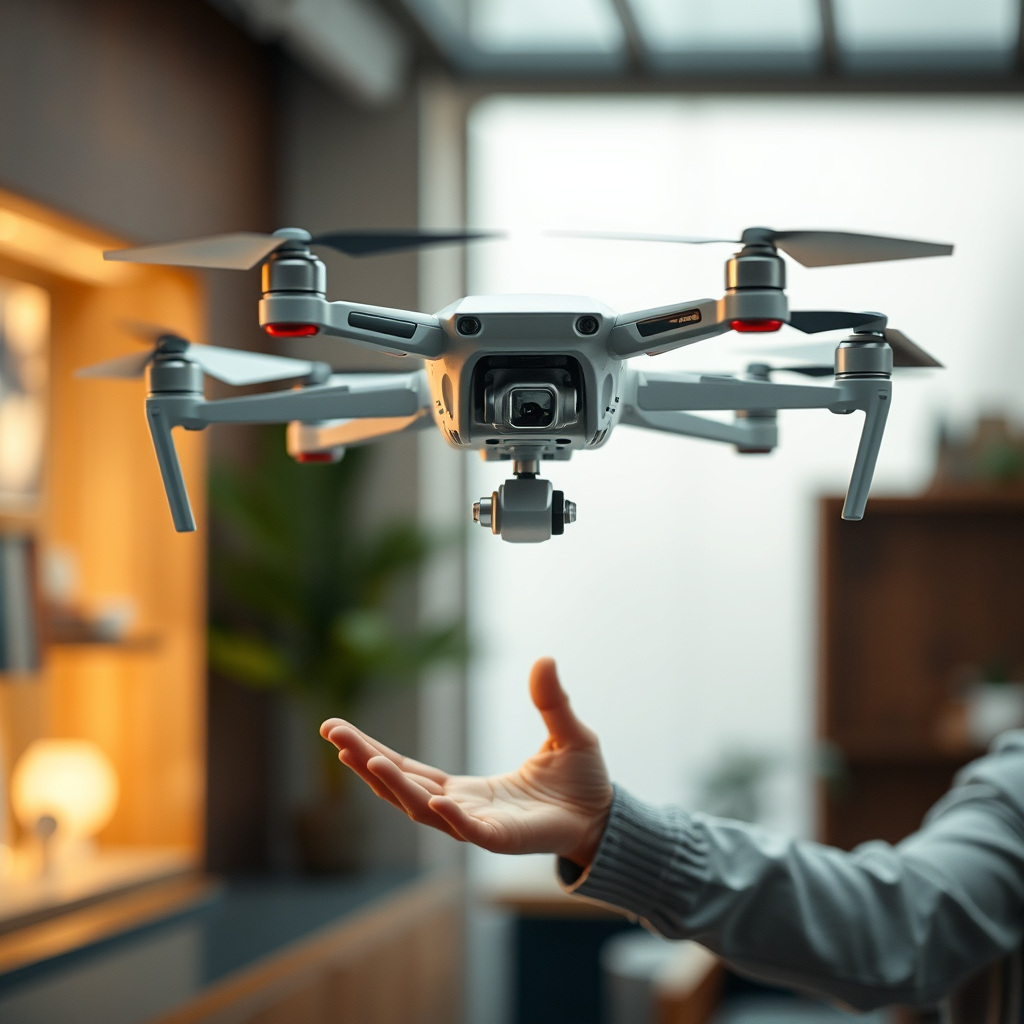
To build a drone that can lift a person, you’ll need to focus on key elements like power, design, and safety features. This ambitious project requires careful planning, appropriate materials, and adherence to regulations to ensure a successful and safe build. With advancements in drone technology, creating a personal lifting drone is becoming increasingly feasible, but it still demands a significant understanding of aerodynamics, engineering principles, and safety protocols.
Understanding the Basics of Drone Design
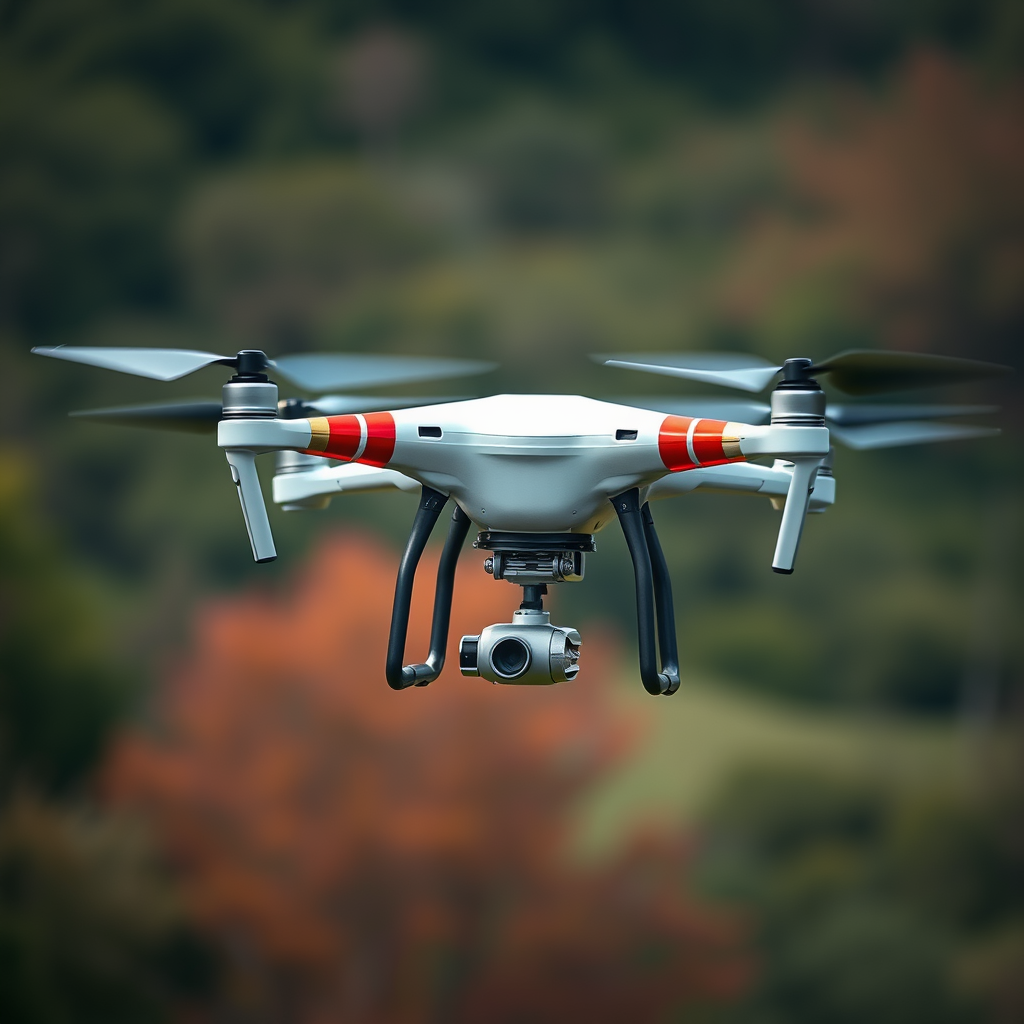
Before embarking on your project, it is essential to familiarize yourself with the fundamental components of drone design. A drone typically consists of several key elements: motors, propellers, frames, and electronic speed controllers (ESCs). Each component plays a critical role in the overall functionality and performance of the drone.
Understanding the physics of lift is equally important. Lift is generated when air flows over and under the propeller blades, creating a pressure difference. The amount of lift produced is affected by factors such as the speed of the blades, the angle of attack, and the size of the propellers. Additionally, you must consider how weight affects flight capability; a drone’s ability to lift a person relies on its total thrust exceeding the combined weight of the drone and its pilot.
Choosing the Right Motors and Propellers
Selecting the right motors and propellers is crucial for a drone designed to lift a person. High-thrust motors are necessary to overcome the substantial weight and ensure safe flight. Brushless motors are commonly used due to their efficiency and power-to-weight ratio. You can find suitable motors specifically rated for heavy-lift applications, often in the range of 20,000 to 40,000 RPM.
Once you have identified the motors, you need to pair them with appropriately sized propellers. Propeller size and pitch significantly impact the drone’s lift and efficiency. Larger propellers generally produce more lift but may require more power to spin. A good rule of thumb is to start with propellers that are at least 15-20 inches in diameter and maintain a pitch that complements the motor specifications. This combination will help achieve optimal lift and maneuverability.
Calculating Weight and Balance
Accurate calculations of total weight and balance are imperative for successful drone operation. Begin by determining the weight of the drone components, including the frame, motors, batteries, and any additional equipment. Then, factor in the pilot’s weight. The total weight should not exceed the maximum thrust produced by the motors.
Proper weight distribution is also critical to maintaining stability during flight. An imbalanced drone can lead to uncontrollable flight dynamics, resulting in crashes or accidents. To achieve balance, position heavy components, such as batteries and motors, as close to the center of the drone as possible. Additionally, consider the center of gravity (CG); ensuring that the CG is aligned with the drone’s thrust line will enhance stability.
Incorporating Safety Features
Safety should be a top priority when building a drone capable of lifting a person. Equip your drone with various safety mechanisms to handle unexpected situations. Emergency landing systems are essential; these allow for a controlled descent in case of motor failure or battery depletion. Implementing a failsafe feature that automatically triggers a return-to-home function can also enhance safety during flight.
Consider integrating a parachute system as an additional safety measure. This system can deploy in emergencies, providing a soft landing should the drone experience critical failure. While adding safety features may increase complexity, they are vital for ensuring the well-being of the pilot and the integrity of the drone.
Compliance with Regulations
Before flying your personal lifting drone, it is crucial to research the legal requirements in your area. Regulations regarding piloted drones vary widely across jurisdictions, with some countries requiring specific licenses or permits for operation. In the United States, the Federal Aviation Administration (FAA) governs drone regulations, and pilots must adhere to Part 107 rules if flying commercially.
Obtaining the necessary permits and certifications is essential for legal compliance. This may involve passing an aeronautical knowledge test and registering the drone with appropriate authorities. Familiarizing yourself with local laws regarding altitude limits, airspace restrictions, and privacy considerations is also important to avoid potential legal issues.
Testing and Fine-Tuning Your Drone
Once your drone is assembled, it’s time for testing. Begin with initial test flights using a weighted dummy to simulate the pilot’s weight. This allows you to assess stability, lift, and overall performance without risking injury. Monitor the drone’s behavior closely during these test flights.
Based on your observations, make necessary adjustments to the drone’s design and components. This could involve changing propeller sizes, adjusting motor speeds, or altering the weight distribution. Fine-tuning is an iterative process; multiple test flights may be necessary to achieve optimal performance and reliability.
Planning for Future Enhancements
As technology continues to evolve, there are numerous opportunities for enhancing your drone’s capabilities. Research options for increasing flight time through more efficient battery systems or advanced energy sources such as hydrogen fuel cells. Additionally, consider exploring lightweight materials for the drone’s frame to improve its payload capacity without significantly increasing weight.
Staying updated on technological advancements in drone design and materials will allow you to implement improvements and innovations over time. Engaging with online communities, attending drone expos, and subscribing to industry publications can provide valuable insights into emerging trends and best practices.
In conclusion, building a drone that can lift a person is a complex but rewarding project. By focusing on the right components, safety features, and compliance with regulations, you can create a functional and safe personal lifting drone. Take the first steps today to bring your drone vision to life, and remember that with careful planning and diligent testing, your dream of flying will become a reality.
Frequently Asked Questions
What are the essential components needed to build a drone that can lift a person?
To build a drone capable of lifting a person, you will need high-thrust motors, large propellers, a robust frame, a powerful battery, and an advanced flight controller. Additionally, safety features like fail-safes, redundancy systems, and a reliable remote control system are crucial to ensure safe operation. It’s also important to consider the weight distribution and overall design to maintain stability during flight.
How much weight can a drone typically lift, and how do I calculate the necessary lift for a person?
The lifting capacity of a drone varies greatly depending on its size and design; typically, commercial drones can lift anywhere from a few hundred grams to several kilograms. To calculate the necessary lift for a person, you should consider the total weight (including the pilot and any additional equipment) and ensure your drone’s motors and propellers can generate at least double the necessary thrust to accommodate safety and stability during flight.
Why is it important to adhere to regulations when building a person-lifting drone?
Adhering to regulations is crucial when building a person-lifting drone to ensure safety for both the operator and the public. In many countries, there are strict aviation laws governing the use of drones, especially those capable of carrying a human. Following these regulations helps prevent accidents, ensures compliance with legal standards, and promotes responsible drone use in the community.
What safety features should I include in my design for a person-lifting drone?
Key safety features for a person-lifting drone include a parachute recovery system, obstacle avoidance sensors, redundant power systems, and a reliable emergency landing protocol. It’s also advisable to use GPS for precise navigation and to implement a failsafe mechanism that allows the drone to land safely in case of a system failure. These features enhance the overall safety of the flight experience.
Which materials are best for constructing a lightweight and durable drone frame?
The best materials for constructing a lightweight yet durable drone frame include carbon fiber, aluminum, and high-strength plastics like polycarbonate or nylon. Carbon fiber is particularly favored for its excellent strength-to-weight ratio, making it ideal for high-performance drones. Aluminum offers a good balance of weight and strength, while high-strength plastics can be used effectively for specific parts to reduce overall weight without compromising durability.
References
- https://en.wikipedia.org/wiki/Drone
- https://www.nasa.gov/centers/dryden/pdf/88834.pdf
- https://www.faa.gov/uas/
- https://www.theguardian.com/us-news/2019/aug/06/faa-drone-regulations-lifting-people
- https://www.sciencedirect.com/science/article/pii/S2212017319300327
- https://www.theverge.com/2019/5/6/18533954/hoverbike-drone-lift-people-technology-flying-car
