
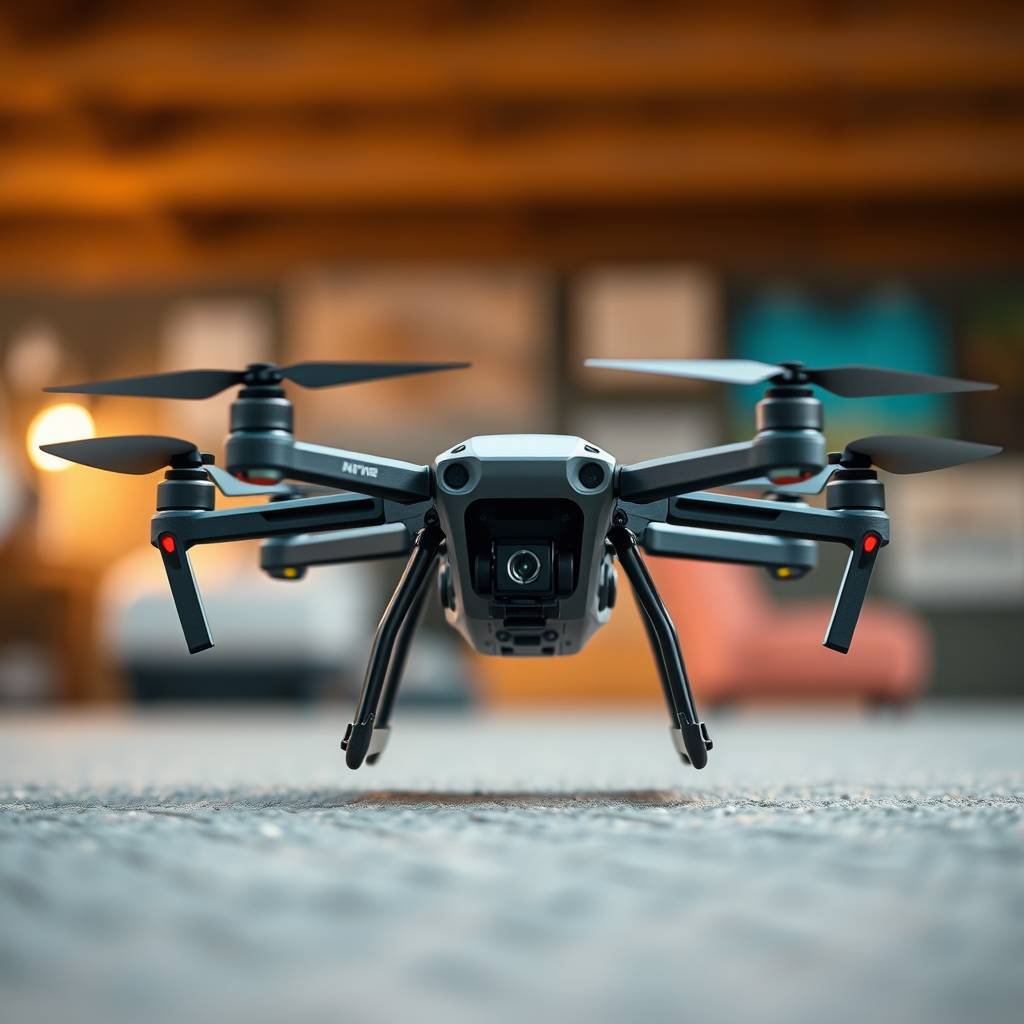
To build a rideable drone, you’ll need to merge advanced drone technology with meticulous engineering to ensure both safety and functionality. This guide will provide you with a thorough exploration of the critical steps and considerations involved in creating your own rideable drone, from understanding the mechanics to ensuring regulatory compliance.
Understanding the Basics of Drone Mechanics
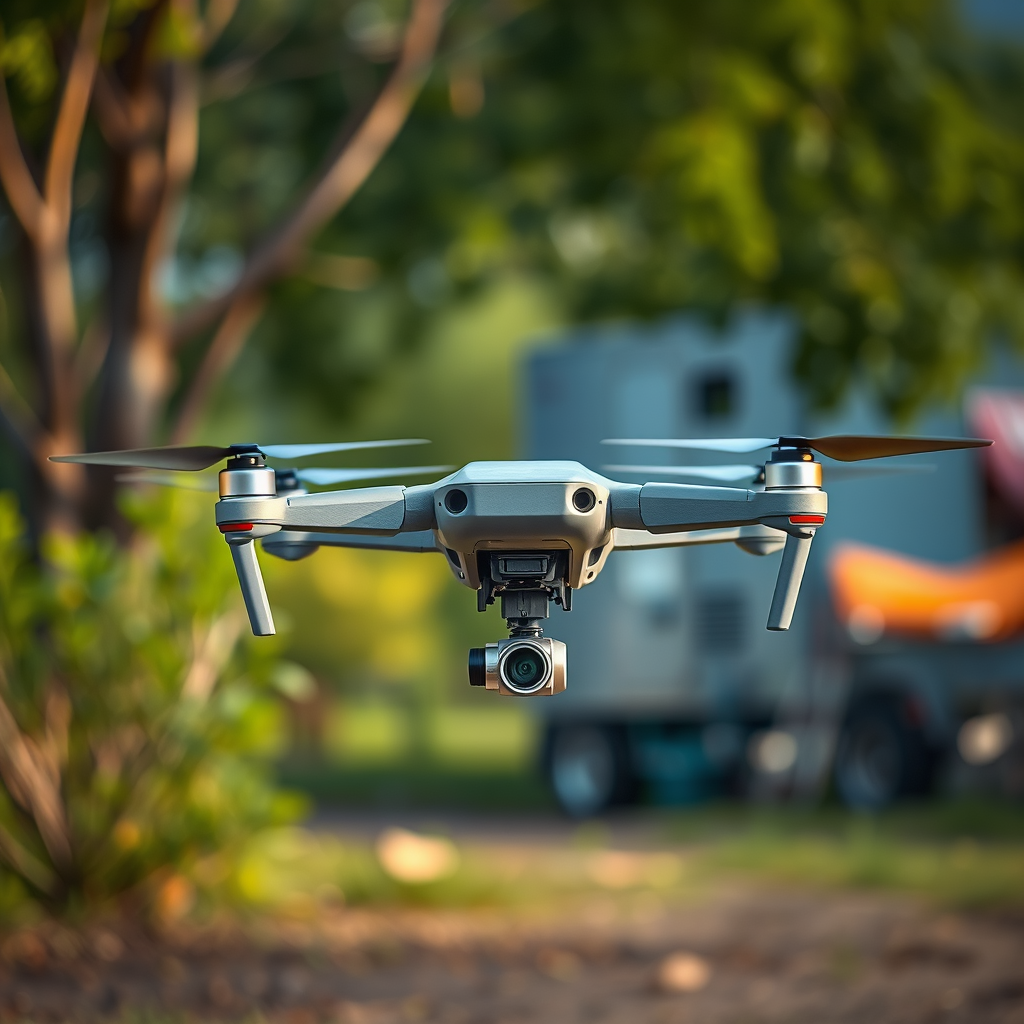
Before you dive into the design and construction of your rideable drone, it’s crucial to familiarize yourself with the fundamental components that make up a drone. Key elements include motors, propellers, flight controllers, and frame materials. Each of these plays a vital role in how the drone operates and its ability to carry additional weight safely.
Understanding the weight-to-thrust ratio is particularly important when it comes to rideable drones. This ratio determines how much weight a drone can lift, including the pilot. For instance, if a drone has a thrust of 10 kg but weighs 5 kg, it can carry an additional 5 kg. Since a rider typically weighs much more than this, selecting motors that provide significantly higher thrust than the total weight of the drone and pilot is essential. This knowledge helps ensure that your drone can achieve stable flight while accommodating the extra load.
Designing Your Rideable Drone
The design phase is where creative engineering meets practical functionality. Start by sketching a design that accommodates a pilot while ensuring balance and stability. Your design should account for the center of gravity, which is essential for maintaining control during flight. Placing the pilot too far from the center may lead to instability, so consider a layout that distributes weight evenly.
When it comes to materials, lightweight options such as carbon fiber or specialized aluminum alloys are ideal. These materials offer strength without excessive weight, enabling the drone to achieve the necessary lift. Additionally, consider the design of the drone’s frame. A larger frame can provide more stability, but it also adds weight, so striking a balance is crucial. Advanced CAD (Computer-Aided Design) software can be instrumental in refining your design before moving on to the prototyping stage.
Selecting the Right Components
Choosing the right components is pivotal for the performance of your rideable drone. Start by researching high-performance motors that can handle the additional load of the pilot. Brushless motors, for example, are often favored for their efficiency and ability to produce high thrust. Brands like T-Motor and DJI offer motors specifically designed for larger drones, which can be beneficial for your project.
Next, focus on a robust battery system. Lithium Polymer (LiPo) batteries are commonly used in drone applications due to their high energy density and lightweight nature. However, ensure that the battery you select can provide sufficient flight time when accounting for the extra weight. A battery with a higher milliamp-hour (mAh) rating will generally offer longer flight times, which is critical for a rideable drone. Additionally, consider incorporating a battery management system to monitor voltage levels and prevent over-discharge, ensuring the safety of both the drone and rider.
Assembling the Drone
Once you have all your components, it’s time to assemble your rideable drone. Follow step-by-step assembly instructions, ensuring that each component is securely attached. Careful attention to detail is essential during this stage; loose connections or improperly secured parts can lead to catastrophic failures during flight.
Integrating safety features is another crucial aspect of assembly. Implement emergency shut-off mechanisms that can quickly disable the drone in case of malfunction. Redundant systems, such as dual flight controllers, can provide an added layer of safety, allowing for a backup in case one system fails. Additionally, consider including GPS tracking and telemetry systems to monitor the drone’s performance and location during flights.
Implementing Flight Control Systems
The flight control system is the brain of your drone, responsible for stabilizing flight and responding to pilot inputs. Installing a reliable flight controller that can adapt to the added weight is essential. Flight controllers from manufacturers such as Pixhawk or OpenPilot can be programmed to handle various flight scenarios, including those unique to rideable drones.
Calibration of the controller settings is crucial for optimal performance. This process involves fine-tuning the controller to account for the additional weight and ensuring that the response rates are appropriate for a rider. Conducting simulations can help in adjusting settings before real-world testing. Additionally, consider implementing GPS-based navigation and altitude hold features, which are particularly beneficial for maintaining stable flight paths with a rider onboard.
Safety Considerations and Testing
Safety should be a top priority throughout the design, assembly, and testing phases. Conduct thorough ground tests before attempting to fly with a rider. This includes checking all systems, conducting pre-flight checks, and simulating various flight scenarios to ensure that your drone can handle unexpected conditions.
Developing safety protocols is also essential. Equip the pilot with safety gear such as helmets and harnesses during test flights to minimize the risk of injury in case of a mishap. Establish a protocol for emergency landings and ensure that all test flights are conducted in controlled environments, away from populated areas. Documenting these procedures will provide clarity and improve safety for everyone involved.
Regulatory Compliance and Legal Considerations
Before taking your rideable drone to the skies, it’s imperative to research local laws regarding drone operations. Regulations can vary significantly by region, and compliance is essential to avoid legal repercussions. You may need to register your drone with aviation authorities and adhere to specific guidelines regarding flight altitude, no-fly zones, and operational limits.
Additionally, consider your liability coverage options. Operating a rideable drone introduces unique risks, and having adequate insurance can protect you from potential lawsuits or damages. Consulting with legal experts in aviation regulations can provide valuable insights and help ensure that your drone meets all necessary compliance requirements.
Creating a rideable drone is an exciting challenge that combines innovation and engineering. By following these steps and prioritizing safety, you can successfully build a drone that not only flies but also provides an exhilarating ride. Remember to document your progress and share your experience with the community; your insights could inspire future innovators in the field of drone technology.
Frequently Asked Questions
What materials do I need to build a drone you can ride?
To build a rideable drone, you’ll need a sturdy frame, typically made from materials like aluminum or carbon fiber for strength and lightweight properties. Essential components include powerful electric motors, large propellers, a high-capacity battery, and a flight controller. Additionally, safety features such as a kill switch and a secure harness are crucial for rider safety.
How do I ensure my rideable drone is safe to operate?
Safety is paramount when building a drone you can ride. Start by conducting thorough research on weight limits and flight stability, as exceeding these can lead to crashes. Incorporate redundancy in critical systems, conduct pre-flight checks, and ensure that the drone has adequate safety features like emergency landing protocols and a reliable control system. Always wear safety gear and practice in a controlled environment before attempting to fly.
Why is flight stability important for a rideable drone?
Flight stability is crucial for a rideable drone because it directly affects the rider’s safety and comfort during flight. An unstable drone can lead to unpredictable movements, increasing the risk of accidents. By ensuring that the drone has a well-designed frame, balanced weight distribution, and advanced flight control technology, you can enhance stability and provide a safer riding experience.
What is the best type of propulsion system for a rideable drone?
The best type of propulsion system for a rideable drone typically includes multiple high-thrust electric motors paired with large propellers. Brushless motors are commonly preferred due to their efficiency and power output. It’s essential to calculate the thrust-to-weight ratio accurately to ensure that the drone can lift the rider while maintaining control and stability during flight.
Which regulations should I be aware of when building a rideable drone?
Before building a rideable drone, familiarize yourself with local aviation regulations and guidelines, as these can vary significantly by region. In many places, you may need to adhere to specific safety standards, weight limitations, and registration requirements with aviation authorities. Additionally, consider obtaining liability insurance and ensure that your drone complies with any restrictions on flying in populated areas to avoid legal issues.
References
- https://en.wikipedia.org/wiki/Drone
- https://www.nasa.gov/mission_pages/iree/overview/index.html
- https://www.sciencedirect.com/science/article/pii/S2351978917301658
- https://www.theguardian.com/technology/2021/oct/02/the-drone-that-can-fly-with-humans
- https://www.cnbc.com/2021/10/04/why-people-are-trying-to-build-flying-taxis-and-drones.html
- https://www.researchgate.net/publication/336445106_Design_and_Implementation_of_a_Human_Sized_Drone
- https://www.techrepublic.com/article/how-to-build-your-own-drone/
- https://www.bbc.com/future/article/20211005-the-future-of-personal-drones
- https://www.darpa.mil/program/ground-vehicle-technology
