
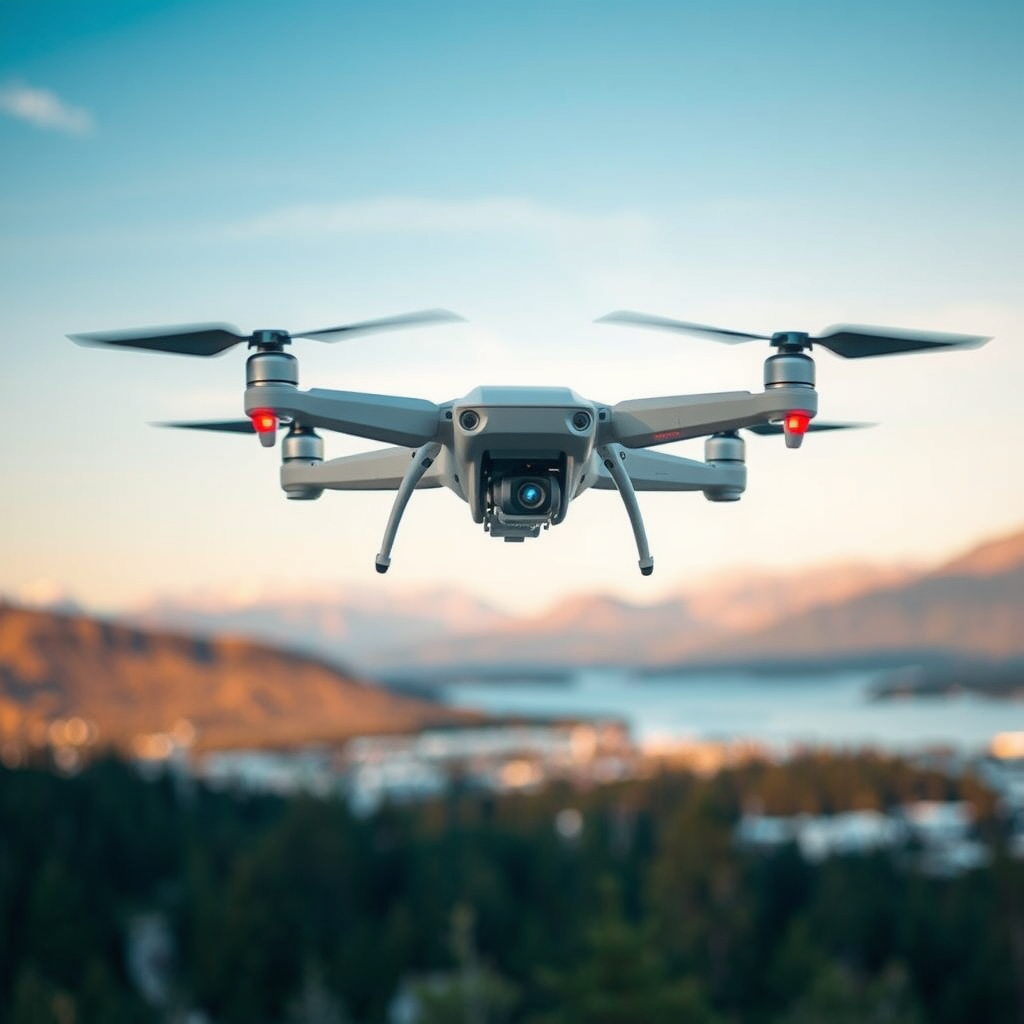
To fly a drone in Canada, you must adhere to Transport Canada’s regulations, which include registering your drone and ensuring you are familiar with the rules for safe operation. This guide will walk you through the essential steps and considerations for legally and safely flying a drone in Canada, helping you enjoy a rewarding experience while remaining compliant with the law.
Understanding Canadian Drone Regulations
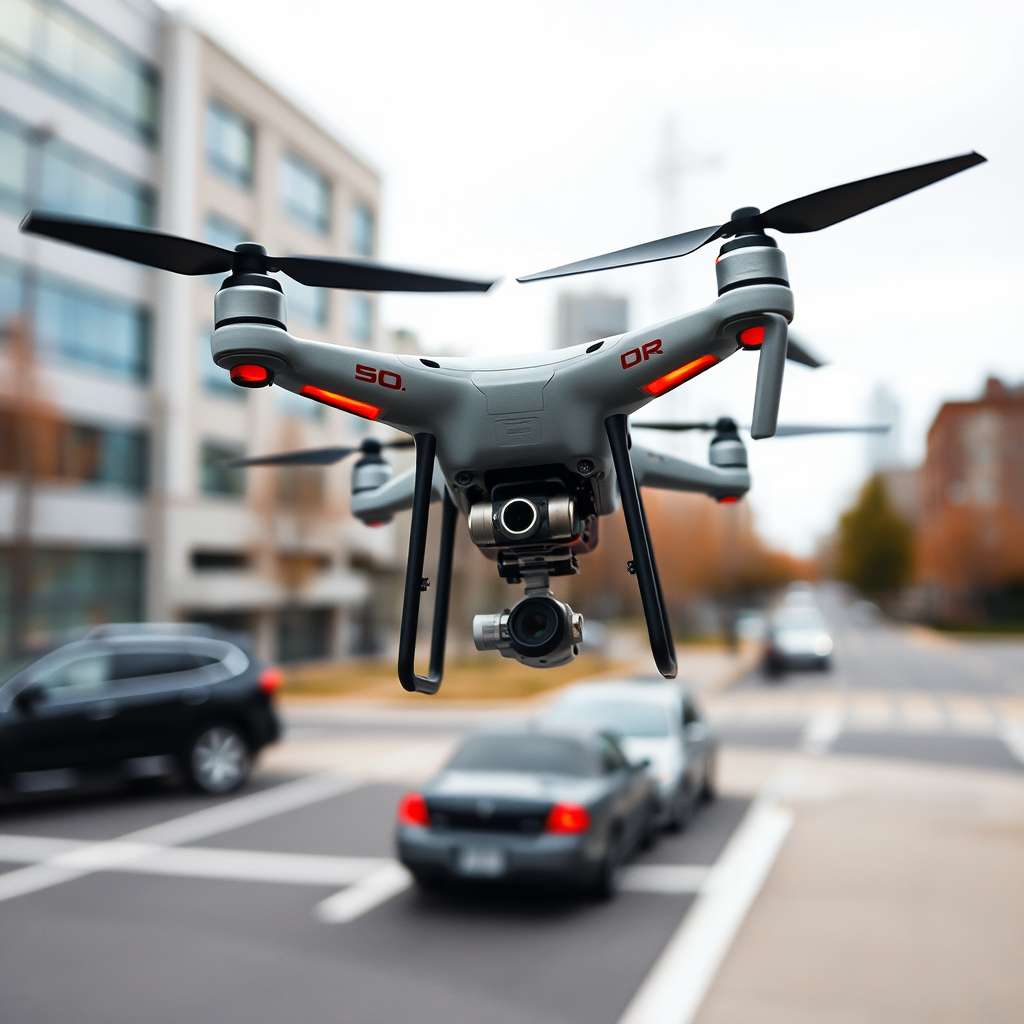
Transport Canada oversees the regulation of drone operations in the country, establishing a framework to ensure public safety and privacy. The regulations classify drones into two groups based on their weight: those that weigh between 250 grams and 25 kilograms must be registered, while smaller drones are exempt from this requirement. It is crucial for drone pilots to familiarize themselves with the Canadian Aviation Regulations (CARs), which outline the operational limits, airspace restrictions, and safety measures that must be adhered to. This knowledge not only promotes responsible flying but also helps prevent legal issues that could arise from non-compliance.
The regulations also specify operational categories: Basic and Advanced. Basic operations include flying in uncontrolled airspace and at least 30 meters away from bystanders, while Advanced operations allow for greater flexibility, including flying in controlled airspace but require additional certification. Understanding these distinctions is vital for any pilot looking to fly within legal parameters.
Registering Your Drone
To register your drone, you must visit the Transport Canada website, where the process is straightforward and user-friendly. Registration is mandatory for drones that fall within the specified weight range, and it helps ensure accountability among drone operators. During registration, you will need to provide your drone’s serial number and your personal identification details, such as your driver’s license or passport number.
Once registered, you will receive an identification number that must be displayed on your drone. This not only aids in tracking and accountability but also serves as a deterrent for irresponsible flying. Note that failure to register your drone can lead to significant fines, making it imperative for all drone operators to complete this step before taking to the skies.
Obtaining a Drone Pilot Certificate
Depending on your intended flying activities, you will need to acquire either a Basic or Advanced Pilot Certificate. The Basic Pilot Certificate requires completing an online training course that covers the essential rules and regulations governing drone operations. After completing the training, you must pass a knowledge test that assesses your understanding of safe flying practices.
For more complex operations, such as flying in controlled airspace, an Advanced Pilot Certificate is necessary. Obtaining this certificate involves a more rigorous training process, including a flight review to demonstrate your ability to operate a drone safely in various conditions. The training and testing can be completed through Transport Canada-approved organizations, and the investment in certification is invaluable for enhancing your flying skills and ensuring compliance with legal requirements.
No-Fly Zones and Restrictions
Understanding no-fly zones and airspace restrictions is crucial for safe drone operation in Canada. Certain areas, such as those near airports, military bases, and populated urban regions, are designated as restricted airspace where drone flights may be prohibited or require special permissions. To navigate these complexities, drone pilots should utilize resources such as the NAV CANADA website, which provides maps and information on airspace classification and restrictions.
Additionally, several mobile apps are available that offer real-time information about no-fly zones, helping you plan your flights effectively. These resources not only assist in compliance but also enhance safety by preventing unintentional incursions into restricted areas. Always check for updates before flying, as no-fly zones may change due to temporary restrictions or special events.
Best Practices for Safe Drone Operation
Maintaining safety during drone operations is paramount, and adhering to best practices can help mitigate risks. One of the foremost guidelines is to always maintain a visual line of sight with your drone. This means you should be able to see your drone at all times during flight, which is essential for avoiding collisions and ensuring safe operation.
Moreover, being aware of weather conditions is crucial. Avoid flying in poor visibility, strong winds, or during inclement weather, as these conditions can impair your control of the drone and increase the risk of accidents. Additionally, it is advisable to conduct a pre-flight checklist that includes checking battery levels, inspecting the drone for any damage, and ensuring that all systems are functioning correctly before takeoff.
Lastly, consider giving way to manned aircraft and respecting the privacy of individuals by avoiding flying over private properties without permission. These practices not only promote safety but also foster a positive relationship between drone pilots and the communities in which they operate.
Insurance and Liability Considerations
While not legally required, obtaining liability insurance for your drone is a prudent decision that provides peace of mind during operations. Liability insurance can cover damages or injuries caused by your drone, protecting you from financial burdens in the event of an accident. Various insurance providers offer policies tailored specifically for drone operators, allowing you to choose coverage that suits your needs.
Understanding your responsibilities in the event of an incident is equally important. If your drone causes harm to people or property, you may be held liable for damages. Being proactive in securing insurance and understanding liability can help mitigate risks associated with drone operations, ensuring you are adequately prepared for any unforeseen circumstances.
Resources for Drone Pilots in Canada
Engaging with local drone communities can provide invaluable support and enhance your flying experience. Many cities have clubs or online forums where drone enthusiasts share experiences, tips, and advice on navigating regulations. These communities can serve as a wealth of knowledge, especially for new pilots seeking guidance on best practices and safe flying techniques.
Additionally, it is essential to keep informed about any changes in regulations from Transport Canada. Subscribing to newsletters or regularly checking their website can ensure you remain compliant and aware of new developments in drone legislation. Participating in workshops or training sessions can also enhance your skills and knowledge, further promoting safe and responsible drone operation.
In conclusion, flying a drone in Canada requires adhering to specific regulations, obtaining the necessary certifications, and following best practices for safety. Understanding and complying with Transport Canada’s regulations is essential for a successful and enjoyable flying experience. By being informed and prepared, you can navigate the complexities of drone operation while contributing positively to the evolving landscape of drone technology and community.
Frequently Asked Questions
What are the legal requirements for flying a drone in Canada?
In Canada, drone operators must adhere to the regulations set by Transport Canada. This includes registering their drone if it weighs between 250 grams and 25 kilograms, obtaining a drone pilot certificate for basic or advanced operations, and following the Canadian Aviation Regulations (CARs). Additionally, operators must maintain a visual line of sight with their drone and avoid flying near airports, populated areas, or emergency scenes unless authorized.
How do I register my drone in Canada?
To register your drone in Canada, you need to visit the Transport Canada website and create an account on the Drone Management Portal. After providing the necessary information about your drone, including its make, model, and serial number, you will receive a registration number that must be affixed to your drone. Registration is required for all drones weighing over 250 grams and helps ensure accountability among drone operators.
Why is it important to obtain a drone pilot certificate in Canada?
Obtaining a drone pilot certificate is crucial for ensuring safe and responsible drone operation in Canada. The certificate demonstrates that you have the necessary knowledge of airspace rules, flight operations, and safety measures, which helps reduce the risk of accidents. Furthermore, having a certificate is mandatory for advanced operations and can also enhance your credibility if you plan to use your drone for commercial purposes.
What are the best practices for flying a drone safely in Canada?
To fly a drone safely in Canada, always conduct a pre-flight check to ensure your drone is in good condition, avoid flying in adverse weather conditions, and maintain a clear visual line of sight with your drone. Additionally, be mindful of restricted airspace, respect the privacy of others, and never fly over crowds or emergency situations. Following these best practices not only keeps you compliant with Canadian regulations but also enhances the safety of your flights.
Which areas are restricted for drone flying in Canada?
In Canada, several areas are restricted for drone flying, including near airports, heliports, and military bases. Other restricted zones include national parks, populated areas, and emergency scenes. To ensure compliance, drone operators should consult the No Fly Zones map available on the Transport Canada website and use apps that provide real-time updates on airspace restrictions before taking off.
References
- https://www.canada.ca/en/transport-canada/services/drone-safety.html
- https://www.tc.gc.ca/en/services/drone-safety.html
- https://en.wikipedia.org/wiki/Drone_regulation_in_Canada
- https://www.cbc.ca/news/canada/drone-regulations-1.5234500
- https://www.rccbc.ca/drone-safety-in-bc/
- https://www.safedrone.ca/
- https://www.uavcoach.com/drone-laws-canada/
