
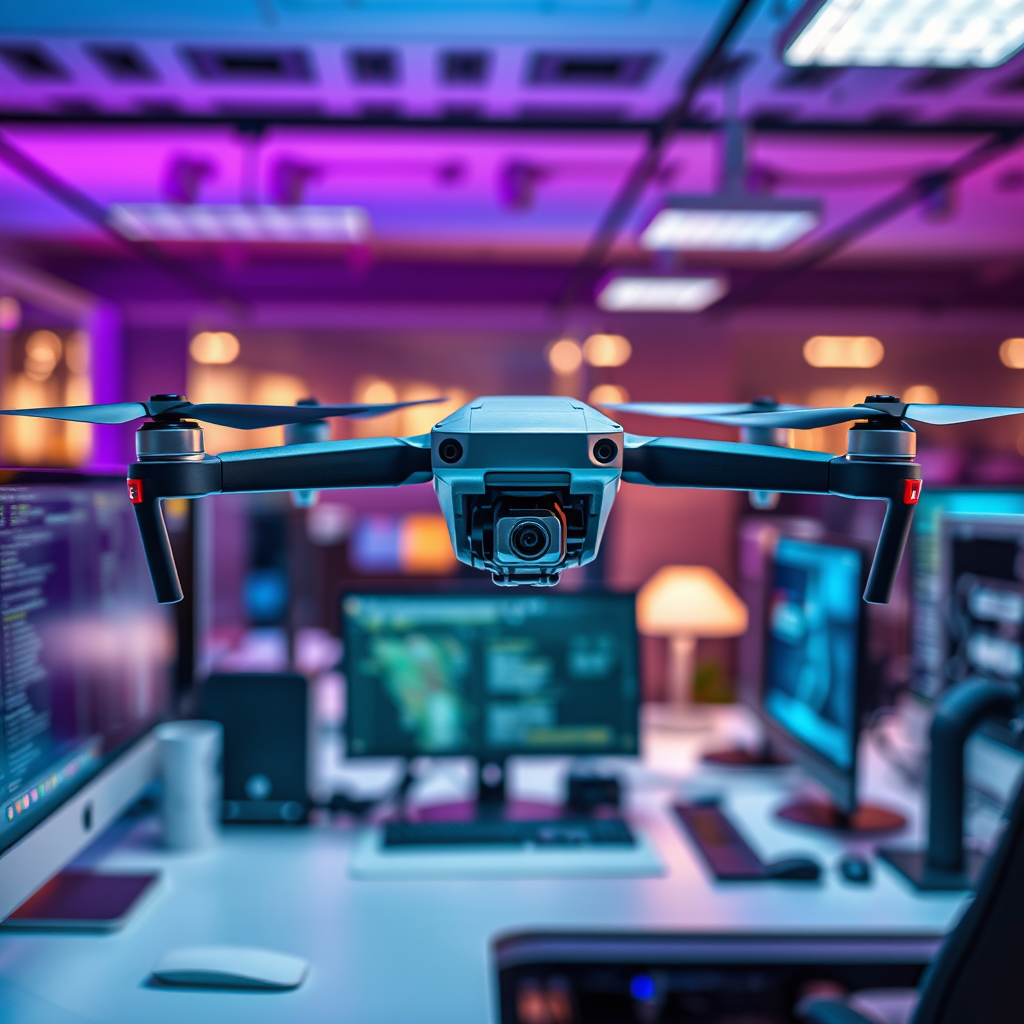
Drones can perform a wide array of tasks, ranging from aerial photography to agricultural monitoring. Their versatility makes them invaluable across various industries, revolutionizing the way we approach many activities. As technology continues to develop, the applications of drones are becoming increasingly sophisticated, offering innovative solutions that enhance efficiency, safety, and creativity. This blog post delves into the numerous ways drones are utilized today, highlighting their transformative impact across various sectors.
Aerial Photography and Videography
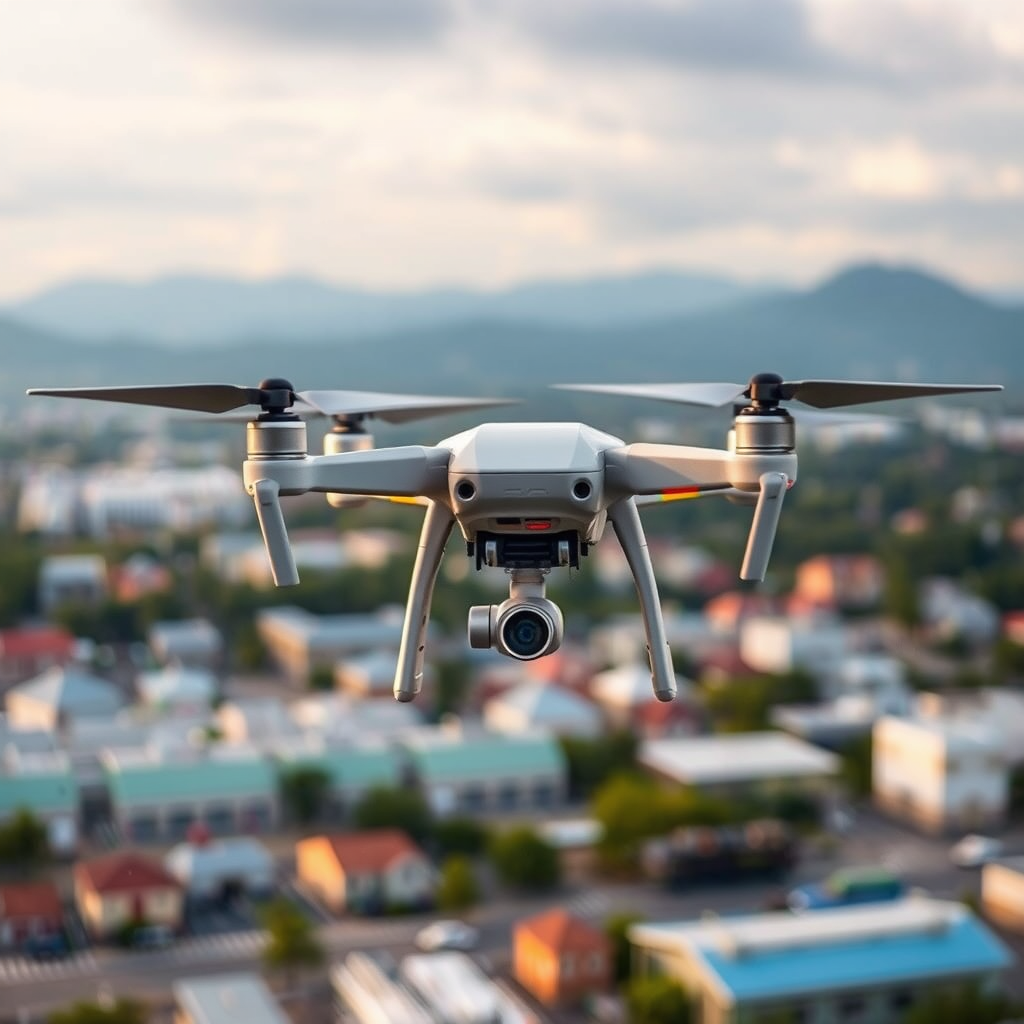
Drones have revolutionized the field of photography and videography by enabling the capture of stunning images and videos for diverse purposes such as events, real estate, and marketing. Equipped with high-resolution cameras and advanced stabilization technology, drones can provide breathtaking aerial views that traditional cameras simply cannot achieve. For instance, real estate agents are using drones to create captivating property tours, showcasing homes from unique angles that entice potential buyers. In the realm of event coverage, drone operators can capture dynamic footage of weddings, concerts, and sporting events, offering a perspective that enhances storytelling and engagement.
Moreover, the use of drones in film production has become increasingly common. Directors and cinematographers leverage drone technology to achieve cinematic shots that were once only attainable through expensive helicopter rentals. The versatility of drones allows for creative flexibility, enabling filmmakers to explore various angles and movements that elevate their visual narratives. As drone technology continues to advance, we can expect even more innovations in aerial photography and videography, pushing the boundaries of visual storytelling.
Agriculture and Farming
In the agricultural sector, drones are proving to be a game-changer by enabling farmers to monitor crop health and growth efficiently. Using multispectral imaging, drones can collect data that reveals the health of plants by detecting variations in light absorption. This information allows farmers to identify issues such as nutrient deficiencies, pest infestations, or water stress, enabling timely interventions that can significantly boost yields.
Drones also facilitate precision farming, a practice that optimizes resource use and minimizes waste. By mapping fields and assessing soil conditions, farmers can apply fertilizers, pesticides, and water more effectively, ensuring that each crop receives the appropriate amount of resources. For example, companies like PrecisionHawk and DJI have developed drones specifically designed for agricultural applications, providing farmers with the tools they need to make data-driven decisions. This not only enhances productivity but also contributes to sustainable farming practices, as it reduces the overuse of chemicals and water.
Delivery Services
The emergence of drone technology has transformed delivery services, allowing for the quick transportation of goods over short distances. Companies such as Amazon and UPS are actively exploring drone delivery systems to enhance their logistics capabilities. By utilizing drones, these companies can reduce delivery times significantly, offering same-day or even same-hour delivery options for customers.
In urban areas, where traffic congestion can delay traditional delivery methods, drones provide a viable solution by flying over obstacles and reaching their destinations quickly. This innovation is particularly beneficial for e-commerce businesses, which can leverage drone technology to improve customer satisfaction and streamline their operations. Furthermore, drone delivery services have the potential to reduce carbon footprints by minimizing the need for delivery vehicles, aligning with global sustainability goals.
Search and Rescue Operations
Drones play a critical role in search and rescue operations, especially in remote or challenging terrains. Agencies and organizations can utilize drones equipped with thermal imaging cameras to locate missing persons or assess disaster-stricken areas more efficiently. For instance, during natural disasters such as hurricanes or earthquakes, drones can provide real-time aerial surveillance to identify safe routes for emergency responders and deliver essential supplies to affected communities.
The ability to survey large areas quickly and gather data on the ground situation enables rescue teams to make informed decisions. Whether it’s locating hikers lost in the wilderness or assessing damage after a natural disaster, drones enhance the effectiveness of search and rescue missions, ultimately saving lives. Moreover, the integration of advanced technologies such as artificial intelligence and machine learning into drone systems promises to further improve their capabilities in emergency situations.
Infrastructure Inspection
The inspection of critical infrastructure, such as bridges, power lines, and pipelines, has traditionally been a labor-intensive and risky process. Drones offer a safer and more efficient alternative by allowing inspectors to access hard-to-reach areas without the need for scaffolding or climbing equipment. Equipped with high-resolution cameras and various sensors, drones can capture detailed images and videos that facilitate thorough inspections.
For example, energy companies are increasingly using drones to monitor power lines and detect issues such as corrosion or vegetation encroachment. By utilizing thermal imaging technology, drones can also identify areas of heat loss in buildings, allowing for timely maintenance and energy efficiency improvements. This proactive approach not only enhances safety but also reduces operational costs and downtime, making infrastructure inspection more sustainable and effective.
Environmental Monitoring
Drones are becoming essential tools for environmental monitoring, providing valuable data on wildlife populations, habitat conditions, and ecosystem health. Researchers utilize drones to conduct aerial surveys of wildlife, tracking animal movements and gathering data on population dynamics without disturbing their natural habitats. This non-invasive approach is crucial for conservation efforts, as it allows scientists to monitor species at risk and assess the effectiveness of conservation strategies.
Additionally, drones can be deployed to monitor air and water quality, collecting data that is vital for environmental research and policymaking. For instance, drones equipped with sensors can detect pollutants in water bodies, helping authorities address issues related to contamination and ecosystem health. The ability to gather data efficiently and accurately enables researchers to make informed decisions and advocate for policies that promote environmental sustainability.
Entertainment and Sports
In the entertainment industry, drones are increasingly being utilized to capture dynamic footage for events such as sports competitions, concerts, and festivals. The aerial perspective provided by drones adds an engaging element to event coverage, allowing audiences to experience the action from unique angles. Sports organizations are leveraging drone technology to enhance broadcasts, providing viewers with immersive experiences that traditional cameras cannot deliver.
Moreover, drone light shows have gained popularity as innovative entertainment experiences. These coordinated aerial displays feature multiple drones programmed to create stunning visual patterns and shapes in the night sky. Companies like Intel have pioneered drone light shows, showcasing their potential for large-scale events and celebrations. As drone technology continues to evolve, the possibilities for creative applications in entertainment are virtually limitless.
Drones are transforming industries and enhancing capabilities in numerous fields. As technology continues to advance, the potential applications of drones are likely to expand even further, encouraging exploration and innovation. Consider how drones can benefit your field and stay ahead in this rapidly evolving landscape. By embracing drone technology, businesses and organizations can unlock new opportunities for efficiency, creativity, and sustainability, positioning themselves as leaders in an increasingly competitive environment.
Frequently Asked Questions
What are the primary uses of drones in agriculture?
Drones in agriculture are primarily used for crop monitoring, precision spraying, and soil analysis. They allow farmers to assess crop health through aerial imagery, identify areas needing attention, and efficiently apply fertilizers or pesticides, ultimately enhancing yield and reducing costs. Moreover, drones can help in mapping fields and monitoring irrigation systems, making them invaluable tools for modern farming practices.
How can drones be utilized for disaster management and emergency response?
Drones play a crucial role in disaster management by providing real-time aerial surveillance of affected areas. They can quickly assess damage, locate survivors, and deliver essential supplies to hard-to-reach locations. Their ability to capture high-resolution images and thermal data aids first responders in making informed decisions, thereby improving the overall response time and effectiveness during emergencies.
Why are drones popular for aerial photography and videography?
Drones have gained immense popularity in aerial photography and videography due to their ability to capture stunning, high-quality images from unique angles that were previously difficult or impossible to achieve. With advancements in camera technology and stabilization systems, drones allow photographers and filmmakers to create cinematic shots, making them ideal for real estate, weddings, events, and promotional videos. Additionally, the cost-effectiveness compared to hiring a helicopter or crane has made drone usage more accessible.
What are the best industries for drone applications?
The best industries for drone applications include agriculture, construction, real estate, and environmental monitoring. In agriculture, drones enhance crop management; in construction, they facilitate site inspections and progress monitoring; real estate agents use drones for aerial views of properties; and environmental scientists leverage drones for wildlife tracking and habitat monitoring. Each of these industries benefits from the efficiency, cost savings, and detailed data that drones provide.
Which regulations should I be aware of when using a drone for commercial purposes?
When using a drone for commercial purposes, it is essential to comply with regulations set by aviation authorities, such as the Federal Aviation Administration (FAA) in the U.S. These regulations include obtaining a Remote Pilot Certificate, adhering to altitude restrictions, and maintaining visual line-of-sight during flights. Additionally, operators must ensure their drones are registered and may need to apply for waivers for specific operations, such as flying at night or over people, to ensure safety and compliance.
References
- https://en.wikipedia.org/wiki/Drone
- https://www.faa.gov/uas/
- https://www.npr.org/sections/money/2020/02/13/804597164/what-drones-can-do-for-us
- https://www.sciencedirect.com/science/article/pii/S2351978920300234
- https://www.geospatialworld.net/blogs/drones-and-their-applications/
- https://www.theguardian.com/us-news/2021/apr/20/drones-uses
- https://www.un.org/en/observances/innovation/drones
- https://news.stanford.edu/report/2016/10/12/drones-are-changing-the-way-we-see-the-world/
- https://www.wired.com/story/the-future-of-drones/
