
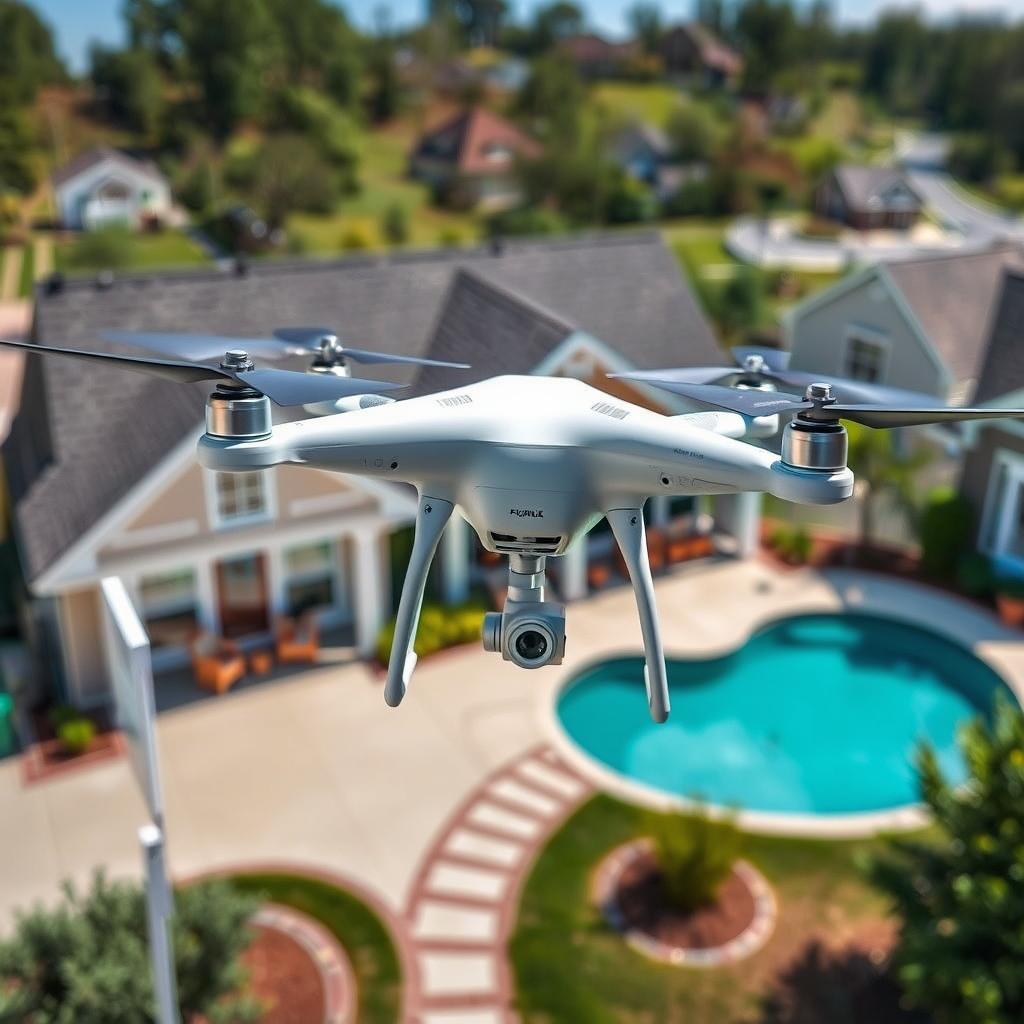
If you spot a drone hovering over your property, your first step is to determine whether it is being operated legally and what actions are appropriate to take. With the rise of drone technology, understanding your rights and the regulations governing drone use is essential for protecting your privacy and property. This blog post will guide you through the necessary steps to effectively address the presence of a drone over your property, from understanding regulations to exploring legal recourse.
Understanding Drone Regulations
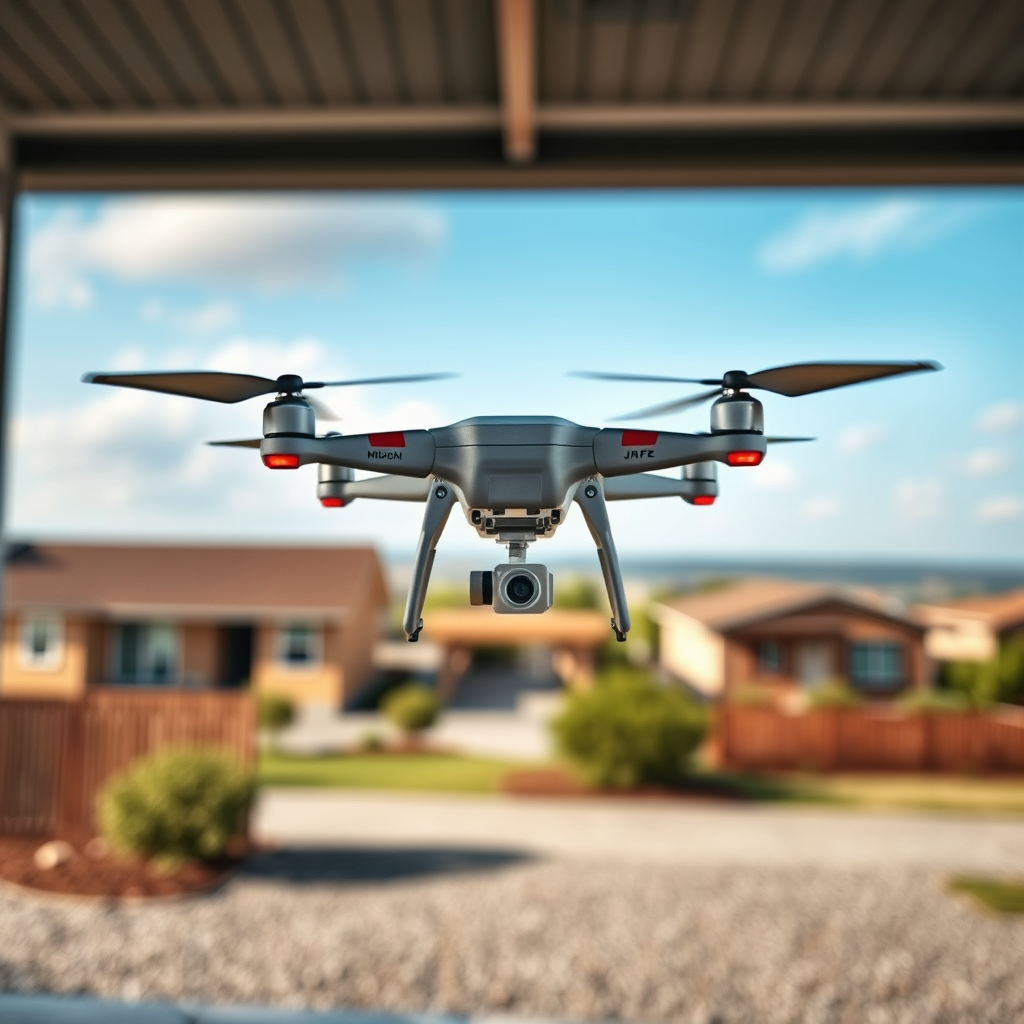
To effectively handle a drone hovering over your property, it is crucial to familiarize yourself with both local and federal drone laws. The Federal Aviation Administration (FAA) governs the use of drones in the United States, enforcing regulations that dictate where and how drones can be flown. For instance, drones are typically prohibited from flying over private property without the owner’s consent, especially if they are capturing images or videos. In addition to FAA regulations, state and local laws may impose further restrictions on drone operation, particularly concerning privacy and surveillance.
Researching privacy laws applicable to drone surveillance is equally vital. Many states have enacted laws that protect individuals from unauthorized recordings made by drones. For example, in California, the law prohibits the use of drones to invade someone’s privacy. Understanding these regulations will help you ascertain whether the drone over your property is operating within legal boundaries.
Assessing the Situation
Once you have a drone in sight, take a moment to assess the situation before taking any action. Observe the drone’s behavior and try to determine the operator’s intent. Is the drone merely flying overhead, or is it hovering for an extended period? Understanding its behavior can provide insight into whether the drone is being used for legitimate purposes, such as aerial photography or surveying, or if it appears intrusive.
Make detailed notes of the specifics surrounding the drone’s presence. Document the time, location, and any distinguishing features of the drone, such as its color, size, or any markings that could help identify the operator. This information will be useful if you decide to report the drone to authorities later on.
Communicating with the Operator
If the situation allows and you feel safe doing so, consider attempting to identify and communicate with the drone operator. Approach the operator in a calm and respectful manner, expressing your concerns about their drone activity. This could lead to an amicable resolution, such as the operator agreeing to adjust their flight path or move to a different area.
Keep in mind that many drone operators may not be aware that their activity is causing distress. Engaging with them can foster understanding and potentially prevent future disturbances. However, always prioritize your safety and be aware that not all operators may respond positively.
Reporting to Authorities
If you believe the drone activity is intrusive or illegal, it may be necessary to involve local law enforcement or aviation authorities. Gather the documented evidence you collected earlier, as this will help substantiate your claims. When you report the drone, be clear and concise about your concerns, providing specific details that can aid authorities in their investigation.
Local law enforcement may not have the resources to address every reported drone incident, but they can provide guidance on how to proceed. In cases where the drone is believed to be violating FAA regulations, you can also file a report directly with the FAA. They take violations seriously and may follow up with the drone operator.
Taking Preventive Measures
To safeguard your property from unwanted drone surveillance, consider implementing preventive measures. Installing privacy screens, barriers, or foliage can create visual obstructions that deter drone operators from hovering over your property. Additionally, some homeowners have opted for technology solutions, such as drone detection systems, which can alert you when a drone is nearby. These systems use sensors to identify drones in your vicinity and can provide added peace of mind.
Moreover, fostering a community dialogue about drone use can also be beneficial. Engaging with neighbors and local authorities to discuss drone regulations and best practices can promote a safer environment for everyone.
Legal Recourse Options
If you find that your privacy is being violated, consulting with a legal professional may be a prudent course of action. An attorney experienced in property law and privacy rights can help you understand the legal implications of the drone’s presence. They can guide you on potential avenues for recourse, such as filing a formal complaint for trespass or invasion of privacy.
In some jurisdictions, you may have the right to take civil action against the operator, especially if their drone activity has caused harm or distress. Legal recourse can be a lengthy process, but it is essential for asserting your rights and ensuring that your property and privacy are respected.
In summary, when faced with a drone over your property, understanding your rights and the relevant regulations is vital. Assess the situation carefully, consider engaging with the operator, and don’t hesitate to involve authorities if necessary. Implementing preventive measures and seeking legal guidance can further safeguard your privacy and property. By taking these steps, you can effectively address any concerns regarding drones in your airspace.
Frequently Asked Questions
What should I do if I see a drone flying over my property?
If you notice a drone hovering over your property, the first step is to assess if it poses a privacy or safety concern. You can try to identify the operator; if it’s a commercial drone, they may have a legitimate reason for flying in the area. If you feel uncomfortable or believe your privacy is being violated, document the drone’s details, such as its make, model, and any identifying numbers, and contact local law enforcement or aviation authorities for guidance.
How can I legally prevent drones from flying over my property?
Legally preventing drones from flying over your property can be challenging, as airspace is generally regulated by the Federal Aviation Administration (FAA). However, you may consider installing physical barriers or using privacy-enhancing landscaping to deter drone operators. Familiarizing yourself with local laws regarding drone usage can also help; some municipalities have specific ordinances that restrict drone flights in residential areas.
Why are drones flying over my house, and what are they allowed to do?
Drones may fly over your property for various reasons, including commercial activities such as real estate photography, agricultural monitoring, or even recreational use by hobbyists. The FAA permits drone operations as long as they comply with specific regulations, such as flying below 400 feet, maintaining a line of sight, and avoiding flights over people. Understanding these regulations can help you gauge whether the drone activity is lawful or intrusive.
What are the best ways to report a drone that is invading my privacy?
To report a drone that you believe is invading your privacy, start by documenting the incident, including any video or photographs of the drone and its operator, if possible. You can report the situation to local law enforcement, especially if you feel threatened or harassed. Additionally, consider filing a complaint with the FAA if the drone is flying in violation of established regulations, as they oversee drone operations and can take appropriate action.
Which privacy laws apply to drones flying over residential property?
Privacy laws regarding drones can vary by state, but generally, they can intersect with trespassing laws and expectations of privacy. While the FAA regulates airspace, many states have enacted laws that limit the use of drones for surveillance or recording without consent, particularly in private spaces. It’s essential to consult local laws and consider seeking legal advice if you believe a drone is infringing on your privacy rights to better understand your options.
References
- https://www.faa.gov/uas/getting_started/education/
- https://www.nolo.com/legal-encyclopedia/drones-your-property-rights-29778.html
- https://www.privacyguidance.com/articles/drones-and-privacy-rights
- https://www.kycourts.gov/courts/Legal_Research/Pages/Drones.aspx
- https://www.aclu.org/news/privacy-technology/what-to-know-about-drones
- https://www.nytimes.com/2021/06/09/us/drone-privacy-laws.html
- https://www.washingtonpost.com/technology/2021/06/21/drone-privacy-laws/
- https://www.ojp.gov/ncjrs/virtual-library/abstracts/drones-use-and-regulation-privacy-and-public-safety-issues
- https://www.abc.net.au/news/2020-10-12/what-to-do-if-you-see-a-drone-over-your-property/12758686
