
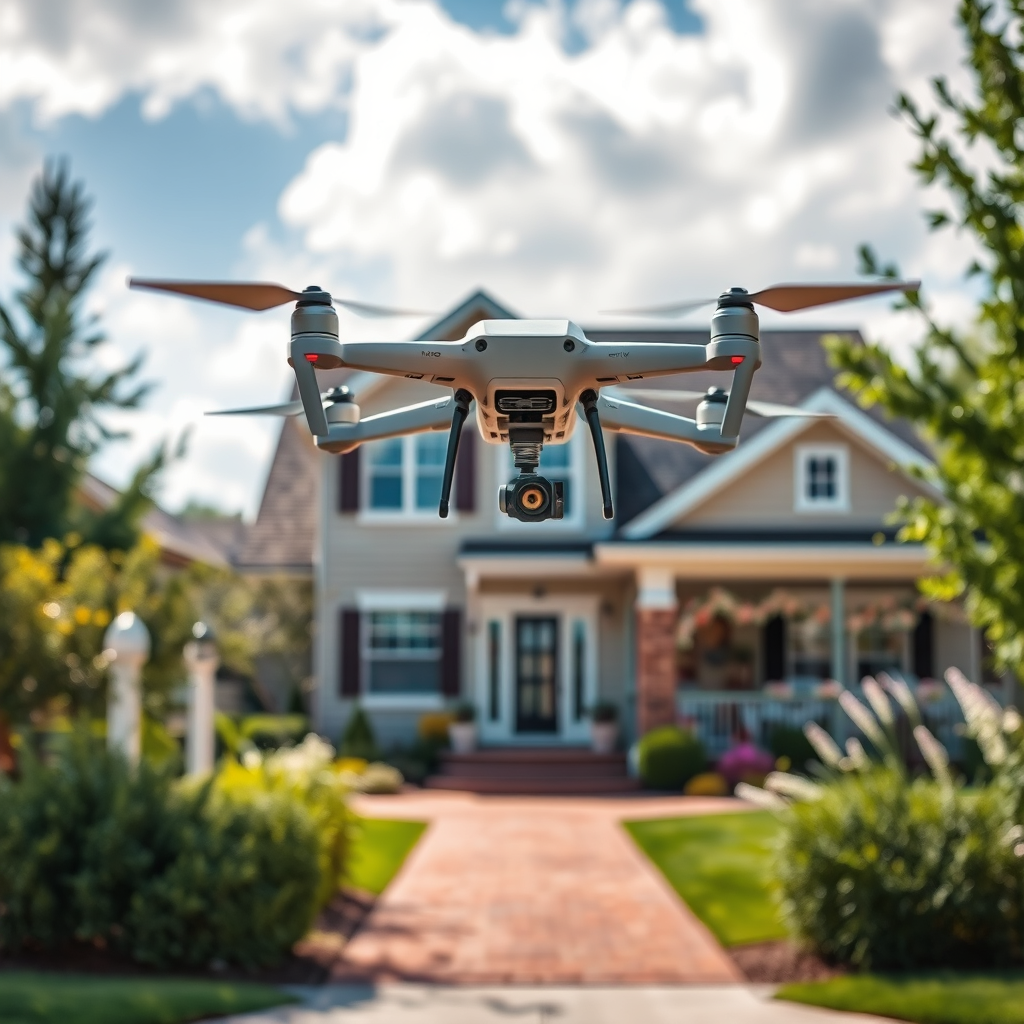
If you have drones flying over your property, you have several options to address the issue. First, assess whether the drone activity is invasive or poses a threat. Understanding the legal landscape and privacy implications can help you take effective steps to protect your rights and peace of mind. It’s essential to know your rights and the resources available to address any concerns you might have regarding drone activity above your property.
Understanding Drone Regulations
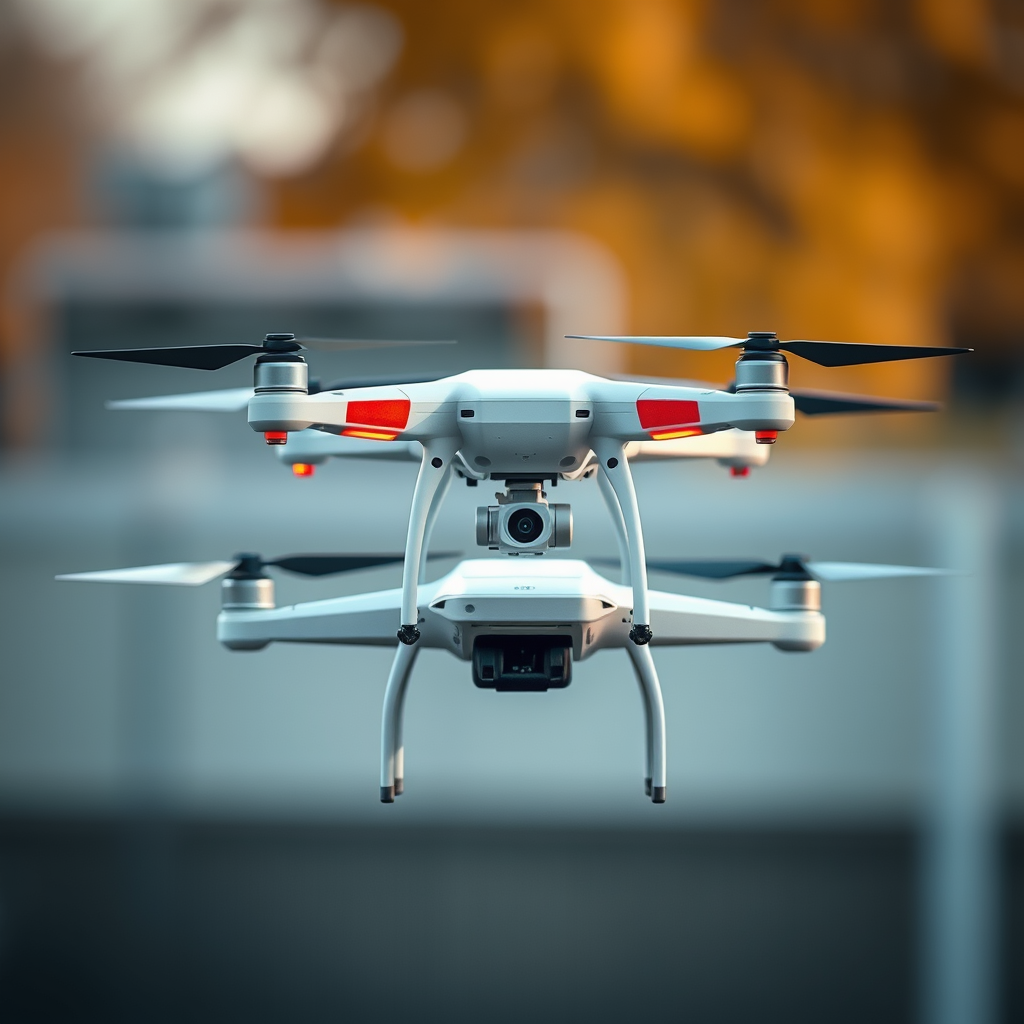
The first step in addressing drone activity is to familiarize yourself with local laws and regulations regarding drone usage. In many jurisdictions, drones must adhere to specific guidelines, including altitude restrictions and no-fly zones, particularly near residential areas. The Federal Aviation Administration (FAA) in the United States has established rules that govern where and how drones can be flown. These regulations may differ significantly from one state or locality to another.
Additionally, it’s crucial to identify whether the drone is operated by a hobbyist or a commercial entity. Hobbyist drone operators typically follow FAA guidelines, while commercial operators may have additional licensing and operational requirements. Understanding who is operating the drone can inform your next steps, as commercial operations may be subject to stricter regulations and accountability.
Assessing the Situation
Before taking any action, assess the frequency and purpose of the drone flights over your property. Are they a one-time occurrence, or do they happen regularly? Understanding the purpose behind the drone’s activity is equally important; for instance, if it’s surveying land for construction, it may be a legitimate operation.
Document any incidents that involve the drone, including dates, times, and descriptions of the activity. This record can be invaluable if you decide to pursue legal action or report the issue to authorities. Noting the drone’s characteristics, such as color, size, or any identifiable markings, can also aid in identifying the operator.
Privacy Concerns
Privacy concerns are at the forefront of many discussions about drones. Legally, your property boundaries extend upwards, meaning you have a right to privacy within that space. However, privacy laws regarding aerial surveillance can vary. Familiarize yourself with your rights concerning privacy on your property, which may include laws against invasive surveillance or harassment.
If the drone operator is identifiable, consider speaking to them directly. A simple conversation may resolve the issue, as the operator may not be aware of the disturbance they are causing. Approach the matter diplomatically, focusing on how the drone’s presence affects your peace of mind rather than accusing them of wrongdoing.
Communicating with Neighbors
Discussing the issue with your neighbors is a proactive approach to addressing drone activity. They may be experiencing similar problems, and by sharing experiences, you can gain a better understanding of the situation. Collectively, you can present a united front when addressing the issue, whether that means contacting local authorities or organizing a neighborhood meeting.
Organizing a collective approach can amplify your concerns, as multiple complaints can often lead to more urgent attention from local officials. This collective effort can also provide additional evidence if you choose to take further action, ensuring that you have the support of your community.
Reporting to Authorities
If the drone poses a safety risk or invades your privacy, it may be necessary to report the situation to local law enforcement. Depending on the nature of the drone’s activity, authorities can investigate and intervene if any laws are being broken. Additionally, the FAA has established channels to report drone violations. Reporting to aviation authorities not only helps address your issue but can also contribute to better oversight of drone operations in your area.
It’s important to provide thorough documentation of your experiences when reporting to authorities. This documentation can include your previous records of incidents, descriptions of the drone, and any communications you’ve had with the operator. Such details can significantly bolster your case.
Exploring Technological Solutions
There are various technological solutions available to help mitigate the impact of drones over your property. For example, privacy screens can be installed to obstruct the view from above, though their effectiveness can vary based on the drone’s altitude and capabilities. Additionally, there are specialized drones and devices designed to deter unwanted surveillance, which can create a physical barrier against intrusive drone activity.
Moreover, several applications can help track drone activity in your area. These apps can provide real-time information on drone flights, allowing you to stay informed about drone operations near your property. By leveraging technology, you can gain a better understanding of the drone activity occurring above you and take appropriate measures to protect your privacy.
Legal Options
If drone activity continues to be a significant concern, consulting with a lawyer familiar with property and privacy law can provide valuable insights into potential legal actions you can take. A legal expert can help you understand your rights and options, including the possibility of filing a cease-and-desist order against the operator if they are infringing on your privacy rights.
In some cases, pursuing a civil lawsuit may be an option, especially if you can demonstrate tangible harm or distress caused by the drone activity. Legal avenues can be complex, so having professional guidance is essential to navigate the intricacies of the law effectively.
In conclusion, dealing with drones over your property requires a multi-faceted approach that includes understanding regulations, assessing the situation, addressing privacy concerns, and potentially taking legal measures. By taking proactive steps, such as communicating with neighbors and reporting to authorities, you can better protect your rights. If you find yourself facing persistent issues, seeking advice from local authorities or legal professionals may ultimately be the best course of action.
Frequently Asked Questions
What are my legal rights regarding drones flying over my property?
As a property owner, you generally have the right to enjoy your property without intrusive surveillance. However, the legality of drones can vary by jurisdiction. In many areas, drones are allowed to fly in public airspace, which may include above your property. It’s important to familiarize yourself with local laws and regulations, as some states have enacted specific statutes regarding drone usage and privacy violations.
How can I report a drone that is bothering me over my property?
If a drone is causing a disturbance or invading your privacy, you can report it to local law enforcement or the Federal Aviation Administration (FAA). Provide as much detail as possible, including the time, location, and nature of the disturbance. Documenting incidents with photos or videos can also help authorities take your complaint seriously and may assist in any potential investigations.
Why are drones flying over my property, and what can I do about it?
Drones might be operating over your property for various reasons, including recreational use, aerial photography, or even surveying land. If you feel uncomfortable or threatened, consider directly approaching the drone operator if identifiable, or contact local authorities if you suspect illegal activities or privacy violations. Understanding the purpose behind the drone’s presence can be beneficial in determining how to address the situation effectively.
What steps can I take to deter drones from flying over my property?
To discourage drones from hovering over your property, consider installing privacy screens, planting tall trees, or using visual deterrents like reflective materials or wind spinners. Additionally, you might explore legal options, such as consulting with a lawyer about potential remedies under privacy laws. Keep in mind that while physical barriers may help, they may not be entirely effective against drone technology.
Which drone detection systems are available for homeowners concerned about privacy?
Several drone detection systems are designed for homeowners who wish to monitor and protect their privacy. These systems use various technologies, including radio frequency detection, radar, and acoustic sensors, to identify drones in your vicinity. Popular options include the DJI AeroScope and various DIY solutions. Researching and investing in a reliable detection system can provide peace of mind and help you respond to unwanted drone activity effectively.
References
- https://www.faa.gov/uas/
- https://www.ncsl.org/research/transportation/state-drone-laws.aspx
- https://www.aclu.org/news/privacy-technology/what-you-need-to-know-about-drone-privacy
- https://www.wired.com/story/what-to-know-about-drones-and-your-privacy-rights/
- https://www.bbc.com/news/technology-56398775
- https://www.nytimes.com/2021/04/01/technology/drones-privacy-laws.html
- https://www.law.cornell.edu/wex/drone
- https://www.ojp.gov/ncjrs/virtual-library/abstracts/drones-and-privacy-issues-legal-and-ethical-considerations
- https://www.nps.gov/articles/drone-regulations.htm
