
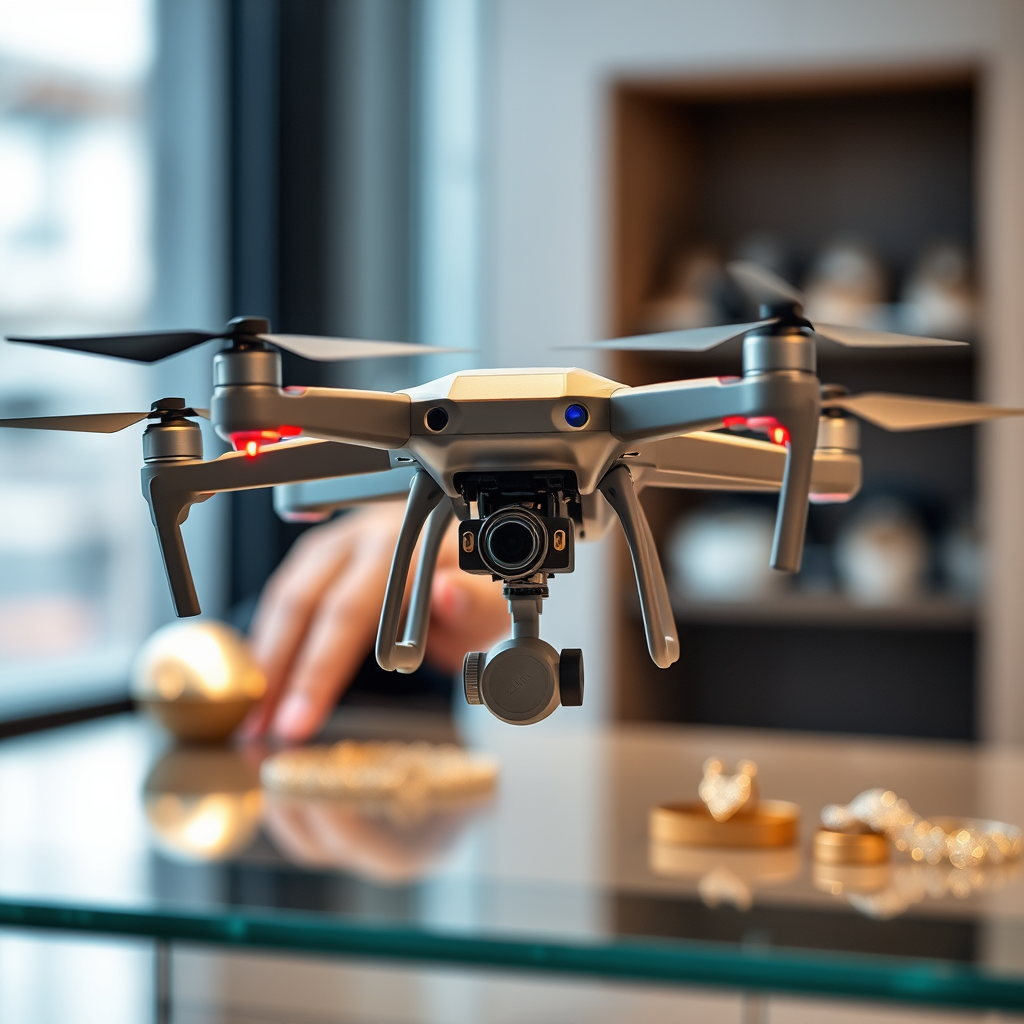
Police drones are equipped with advanced technology that allows them to capture high-resolution images, videos, and data from the air. They can see a variety of details, including real-time activities on the ground, which assists law enforcement in various operations. This article explores the capabilities of police drones and what they can observe, highlighting their roles in surveillance, crime scene analysis, search and rescue operations, crowd management, as well as addressing limitations and privacy concerns.
Understanding Drone Technology
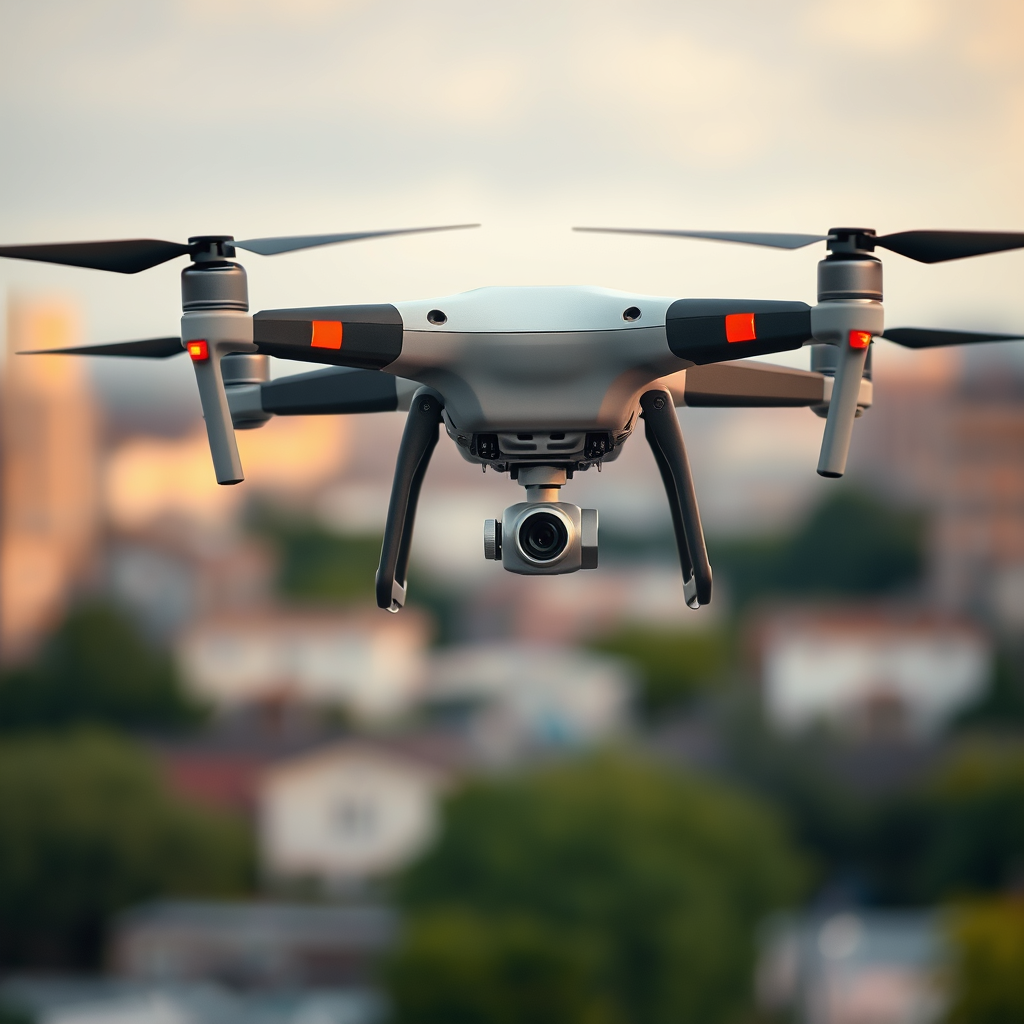
Drones use high-definition cameras for clear imaging, often featuring optical zoom capabilities that allow them to capture intricate details from significant distances. This technology enables law enforcement to gather information that would otherwise be challenging to obtain. For instance, many police drones are equipped with 4K cameras that can record video at high resolutions, providing clear visuals for investigations. Additionally, the incorporation of infrared and thermal imaging capabilities enhances visibility in low-light conditions, making it possible to detect heat signatures and movements that might not be visible to the naked eye. This is particularly useful in nighttime operations or in scenarios where visibility is compromised, such as during heavy rain or fog.
Surveillance Capabilities
Drones can monitor large areas quickly and efficiently, making them invaluable for ongoing operations and situational assessments. For example, during a public event or a large gathering, drones can be deployed to provide real-time aerial footage, helping law enforcement assess crowd sizes, behaviors, and any potential risks. The ability to track movements of individuals or vehicles allows officers to gather crucial intelligence, particularly in ongoing investigations, and can be instrumental in tracking suspects or stolen vehicles. The integration of GPS technology enables drones to follow specific paths, providing a systematic approach to surveillance that can be documented and analyzed later.
Crime Scene Analysis
Aerial views provided by drones offer comprehensive perspectives of crime scenes, which can be vital for investigations. By capturing high-resolution images from above, drones can help law enforcement visualize the entire layout of a crime scene, allowing them to identify critical pieces of evidence without disturbing the scene itself. This capability is particularly beneficial in homicide investigations or serious accidents, where every detail may be pivotal for understanding the circumstances. Furthermore, drones can create 3D mapping of crime scenes, providing investigators with a detailed spatial understanding of the area. This technology aids in reconstructing events, thus ensuring a thorough examination of the evidence collected.
Search and Rescue Operations
Drones can cover vast terrains, aiding in locating missing persons or individuals in distress. Their ability to fly over difficult landscapes, such as forests, mountains, or bodies of water, provides search and rescue teams with a significant advantage. For instance, in cases of missing hikers or lost children, drones can quickly scan large areas, significantly reducing the time it takes to locate individuals. They can access hard-to-reach areas, providing real-time data to rescue teams, which can be critical in emergencies. Equipped with thermal imaging, drones can detect heat signatures, which is especially useful during nighttime operations or in low visibility scenarios, improving the chances of a successful rescue.
Crowd Monitoring and Management
Drones are increasingly used to observe large gatherings for security purposes, such as festivals, protests, or sporting events. Their aerial perspective allows law enforcement to monitor crowd dynamics effectively and identify potential threats before they escalate into dangerous situations. For example, during a protest, drones can help assess the mood of the crowd and identify any individuals who may be inciting violence. Moreover, the ability to relay live video feeds back to command centers enables law enforcement to make informed decisions in real-time, enhancing public safety. This proactive approach can deter criminal activity and assist in maintaining order during large events.
Limitations and Privacy Concerns
Despite their many advantages, drones may face restrictions in certain areas due to privacy laws and regulations. Many jurisdictions have enacted legislation regarding drone use to protect individuals’ rights, which can limit the operational scope of law enforcement. Additionally, the effectiveness of drones can be limited by weather conditions and battery life. Factors such as heavy rain, high winds, or extreme temperatures can impede drone functionality and reduce flight time, necessitating careful planning and consideration from law enforcement agencies. Furthermore, the use of drones raises important privacy considerations that must be addressed to build public trust and ensure transparent operations.
In conclusion, police drones offer significant advantages in surveillance, crime scene analysis, and emergency response. Their advanced technology enables law enforcement to gain critical insights and improve operational efficiency. However, their use raises important privacy considerations that must be addressed to maintain public trust. Understanding how these tools operate can help foster a balanced discussion about their role in modern policing, ensuring that their implementation aligns with community values and legal standards.
Frequently Asked Questions
What can police drones see during a surveillance operation?
Police drones are equipped with high-resolution cameras and thermal imaging technology, allowing them to capture detailed footage from significant heights. They can monitor large areas for criminal activity, track suspects, and gather evidence, even in low-light conditions. The combination of visible and infrared imaging enhances their ability to detect movements and heat signatures, making them effective for search and rescue missions as well.
How do police drones enhance public safety?
Police drones enhance public safety by providing real-time aerial surveillance, which can be crucial during emergencies, crowd control situations, or natural disasters. They allow law enforcement to assess situations from above, helping to deploy resources more effectively and make informed decisions. Additionally, the presence of drones can act as a deterrent to criminal activity, as potential offenders may think twice knowing they are being monitored from the air.
Why are thermal cameras important for police drones?
Thermal cameras are important for police drones because they detect heat emitted by people, vehicles, and objects, allowing law enforcement to see in complete darkness or through obstacles like trees and smoke. This capability is particularly useful in search and rescue operations, where locating missing persons is time-sensitive. By using thermal imaging, police can identify suspects hiding or fleeing, improving the chances of swift apprehension and reducing risks to public safety.
What are the limitations of what police drones can see?
While police drones have advanced capabilities, they do have limitations. For instance, they may struggle to capture clear images in heavy rain, fog, or adverse weather conditions that obscure visibility. Additionally, drones have limited battery life, which can restrict their operational time, and privacy concerns may limit their use in certain areas. Understanding these limitations is crucial for law enforcement agencies to use drones effectively and ethically.
Which regulations govern the use of police drones for surveillance?
The use of police drones for surveillance is governed by a combination of federal, state, and local regulations, primarily outlined by the Federal Aviation Administration (FAA). These regulations include restrictions on altitude, no-fly zones, and requirements for obtaining waivers for certain operations. Additionally, law enforcement agencies must adhere to privacy laws to ensure that drone surveillance does not infringe on citizens’ rights, emphasizing the need for transparency and accountability in their use.
References
- https://en.wikipedia.org/wiki/Drone#Law_enforcement
- https://www.ncbi.nlm.nih.gov/pmc/articles/PMC6463247/
- https://www.aclu.org/news/technology-and-liberty/police-drones-what-you-need-to-know
- https://www.faa.gov/uas/commercial_operators/
- https://www.theguardian.com/us-news/2021/jun/01/police-drones-surveillance-privacy
- https://www.psychologytoday.com/us/blog/the-psychology-technology/202103/the-ethics-police-drones
- https://www.lawfareblog.com/police-drones-and-privacy-issues
- https://www.bbc.com/news/technology-44216111
- https://www.nytimes.com/2022/11/19/us/police-drones-surveillance.html
