
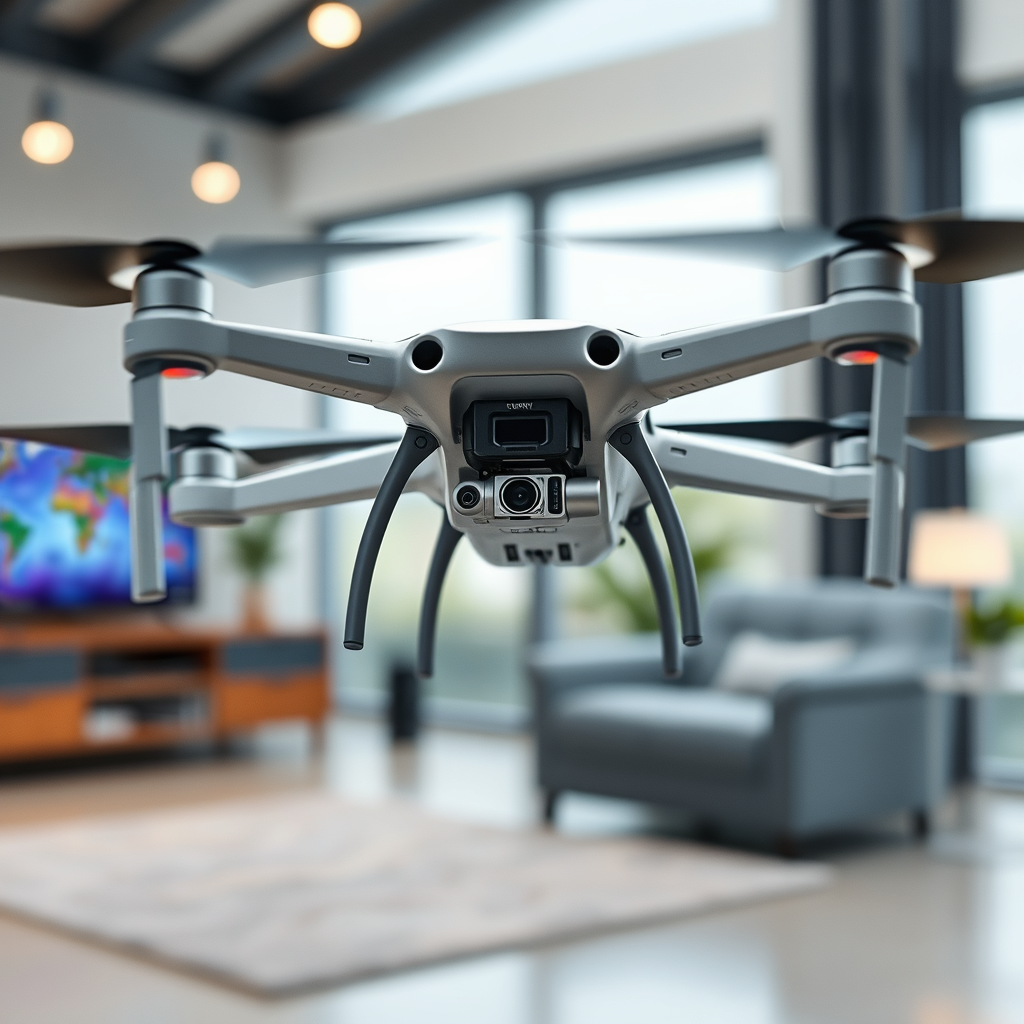
The drone that holds the record for the highest altitude flight is the DJI Matrice 600, capable of reaching impressive heights of up to 18,000 feet. This remarkable capability not only showcases the technological advancements in drone engineering but also opens up a plethora of possibilities for various applications. In this article, we will explore various drones known for their high-flying capabilities, examining their features, specifications, and practical applications to help you understand which drone might best suit your high-altitude needs.
Understanding Drone Altitude Capabilities
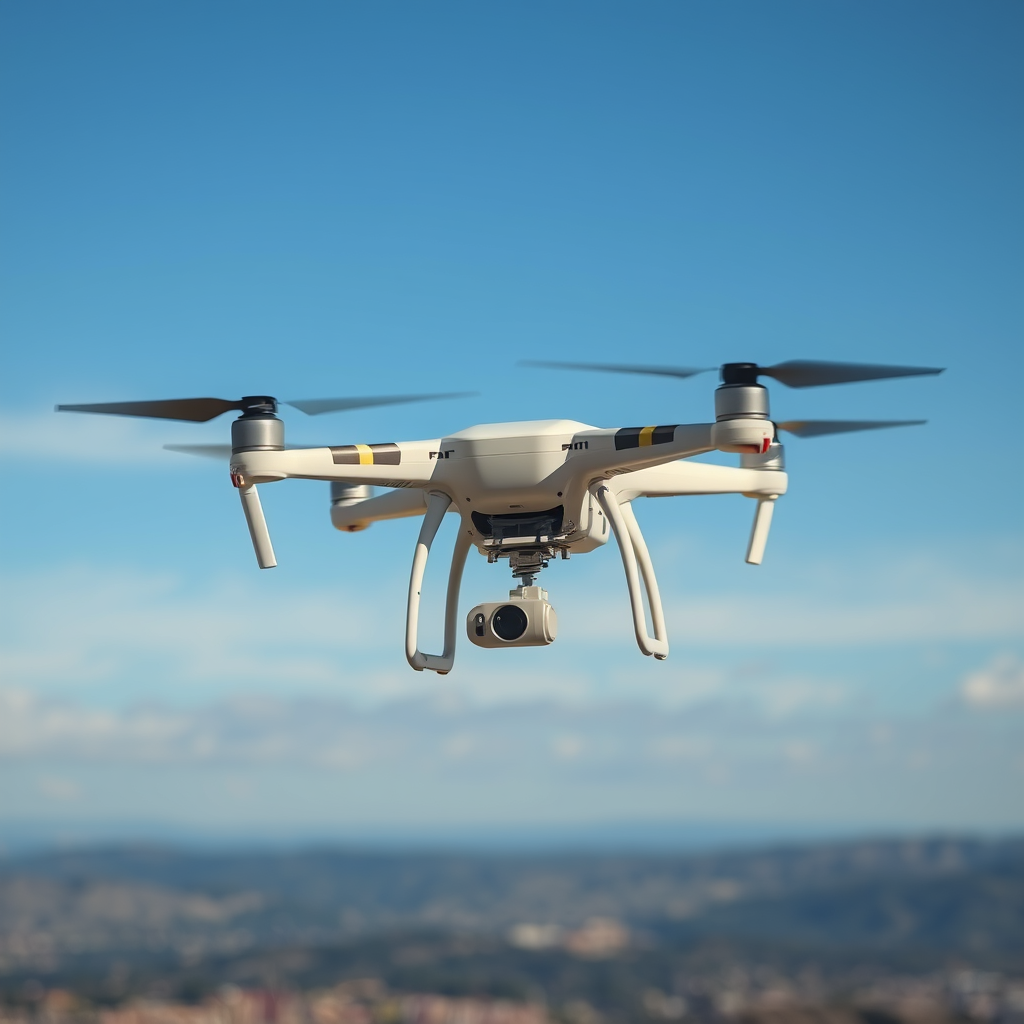
Drone altitude is primarily measured in feet or meters above sea level, and it is influenced by several technical and environmental factors. The maximum flight height of a drone is determined by its design, motor power, battery capacity, and the atmospheric conditions it operates within. For instance, drones equipped with high-thrust motors and efficient propellers can gain altitude more effectively than those with less capable systems. Additionally, factors such as air density, temperature, and humidity play a crucial role; as altitude increases, air becomes thinner, which can hinder a drone’s performance. Thus, understanding these variables is essential for any pilot aiming to operate at high altitudes.
Top Drones for High Altitude Flight
The DJI Matrice 600 is a standout model known for its exceptional high-altitude performance. With a maximum flight altitude of 18,000 feet, it is equipped with six rotors that provide stability and redundancy. The drone also integrates advanced features, including the DJI A3 flight controller, which enhances its navigational capabilities in challenging conditions. The Matrice 600 is particularly favored by professionals in the film and photography industries due to its capability to carry heavy payloads, such as high-quality cameras and gimbals.
In comparison, the DJI Inspire 2 is another high-altitude contender, reaching altitudes of around 16,404 feet. While it is slightly lower than the Matrice 600, the Inspire 2 offers superior agility, making it ideal for dynamic shooting environments. Its dual battery system provides extended flight times, and the integrated obstacle avoidance technology enhances operational safety. Both drones serve specific purposes, and the choice between them often depends on the intended application and budget.
Features that Enable High Altitude Flight
To achieve impressive altitudes, drones must be equipped with powerful motors and robust battery systems. High-thrust motors are essential as they generate the necessary lift to overcome gravitational forces at increased elevations. Additionally, the longevity of the flight is directly correlated with battery life; higher capacity batteries allow drones to perform longer flights while maintaining altitude.
Aerodynamics also plays a significant role in a drone’s ability to fly at higher altitudes. A well-designed fuselage that minimizes drag can significantly improve performance. For instance, drones with streamlined shapes can cut through the air more efficiently, allowing them to achieve higher elevations with less energy consumption. Understanding these features can help potential buyers make informed decisions when choosing a drone for high-altitude operations.
Real-World Applications of High-Flying Drones
High-flying drones are increasingly being utilized in various fields, most notably in aerial photography and cinematography. Filmmakers and photographers can capture breathtaking shots from altitudes that were previously difficult to achieve, providing unique perspectives and enhancing visual storytelling. The Matrice 600, with its payload capacity, is particularly popular among professionals who require stable, high-quality imaging equipment.
Moreover, high-altitude drones have significant applications in surveying and environmental monitoring. They can be used to gather data over vast areas, such as forests or mountains, providing insights into ecological changes or assisting in disaster response efforts. The ability to reach high altitudes allows for more comprehensive data collection, which is invaluable for research and planning purposes.
Safety and Regulations for High Altitude Drone Flying
Operating drones at high altitudes comes with its own set of safety considerations and regulatory requirements. In the United States, the Federal Aviation Administration (FAA) imposes altitude limits on drone flights—typically capping them at 400 feet above ground level unless operating within controlled airspace. Before embarking on high-altitude flights, it is crucial for drone pilots to familiarize themselves with local regulations and attain any necessary permissions.
Additionally, safety precautions should be taken seriously. Pilots should conduct pre-flight checks to ensure that their drones are in optimal condition and that the batteries are fully charged. Monitoring weather conditions is also critical, as sudden changes can impact flight stability at high elevations. Utilizing features like GPS tracking and fail-safe options can enhance safety during high-altitude operations.
Tips for Maximizing Your Drone’s Altitude
To ensure that your drone reaches its maximum altitude safely and effectively, consider implementing best practices during preparation. First, check the manufacturer’s guidelines regarding altitude limits and recommended flying conditions. Calibration of the drone’s sensors should be done before flight to ensure accurate readings.
Weather considerations are paramount; flying in clear, calm conditions will yield the best results. High winds or turbulent weather can severely affect a drone’s performance, especially at higher altitudes. Additionally, adjusting flight plans in response to changing weather conditions can help maintain safety and efficiency during operations.
Finally, pilots should conduct altitude tests in controlled environments to understand how their drone behaves at various elevations. This practice not only builds confidence but also prepares the pilot for real-world scenarios.
In conclusion, while the DJI Matrice 600 currently holds the title for the highest flying drone, there are several contenders worth considering based on your specific needs. Understanding the features that enable high-altitude flight, the various applications of these drones, and the necessary safety regulations will empower you to make informed choices. Always stay informed about regulations and safety to make the most of your high-altitude drone adventures. Whether you are a filmmaker, surveyor, or simply an enthusiast, the right drone can elevate your experience to new heights.
Frequently Asked Questions
What drone can fly the highest altitude?
The drone known for flying at the highest altitude is the DJI Matrice 600, capable of ascending up to 5,000 meters (approximately 16,404 feet) above sea level when properly configured. However, other drones like the DJI Phantom 4 Pro may also reach impressive heights, typically around 4,000 meters (13,123 feet) under optimal conditions. It’s essential to check local regulations, as many regions impose altitude limits on drone flights.
How high can consumer drones fly legally?
In many countries, including the United States, consumer drones are legally allowed to fly up to 400 feet (about 122 meters) above ground level without special permits. This limit is set to ensure safety and avoid conflicts with manned aircraft. Always check the specific regulations in your area, as some regions may have stricter altitude limits or require additional permissions for higher flights.
Why do some drones have altitude restrictions?
Drones have altitude restrictions primarily for safety and regulatory reasons. These limitations help prevent collisions with manned aircraft and maintain airspace order. Additionally, flying at excessive altitudes can increase risks due to changing weather conditions and the challenges of controlling a drone at higher elevations, where GPS signals may be weaker.
What is the best drone for high-altitude flying?
The best drone for high-altitude flying is often considered to be the DJI Matrice 300 RTK, which boasts advanced flight capabilities, including a service ceiling of around 7,000 meters (approximately 22,965 feet). Its robust design and powerful batteries make it suitable for challenging environments. For recreational purposes, the DJI Mavic 2 Pro is also a popular choice, balancing high-altitude capability with portability.
Which factors affect a drone’s maximum flying altitude?
Several factors influence a drone’s maximum flying altitude, including the drone’s design, battery power, and the weight of the payload it carries. Environmental conditions such as air density, temperature, and wind speed also play significant roles; for instance, drones perform differently at high altitudes where air is thinner. Understanding these factors can help users optimize their drone’s performance during flights.
References
- https://en.wikipedia.org/wiki/Drone
- https://www.sciencedirect.com/science/article/pii/S2352864817300043
- https://www.faa.gov/uas/recreational_flies/
- https://www.bbc.com/future/article/20200210-how-high-can-drones-fly
- https://www.verywellhealth.com/drone-altitude-limits-5180747
- https://www.nasa.gov/mission_pages/launch/drones.html
- https://www.researchgate.net/publication/332795938_A_comparison_of_drones_for_humanitarian_response
- https://www.dji.com/newsroom/news/what-is-the-maximum-altitude-for-drones
