
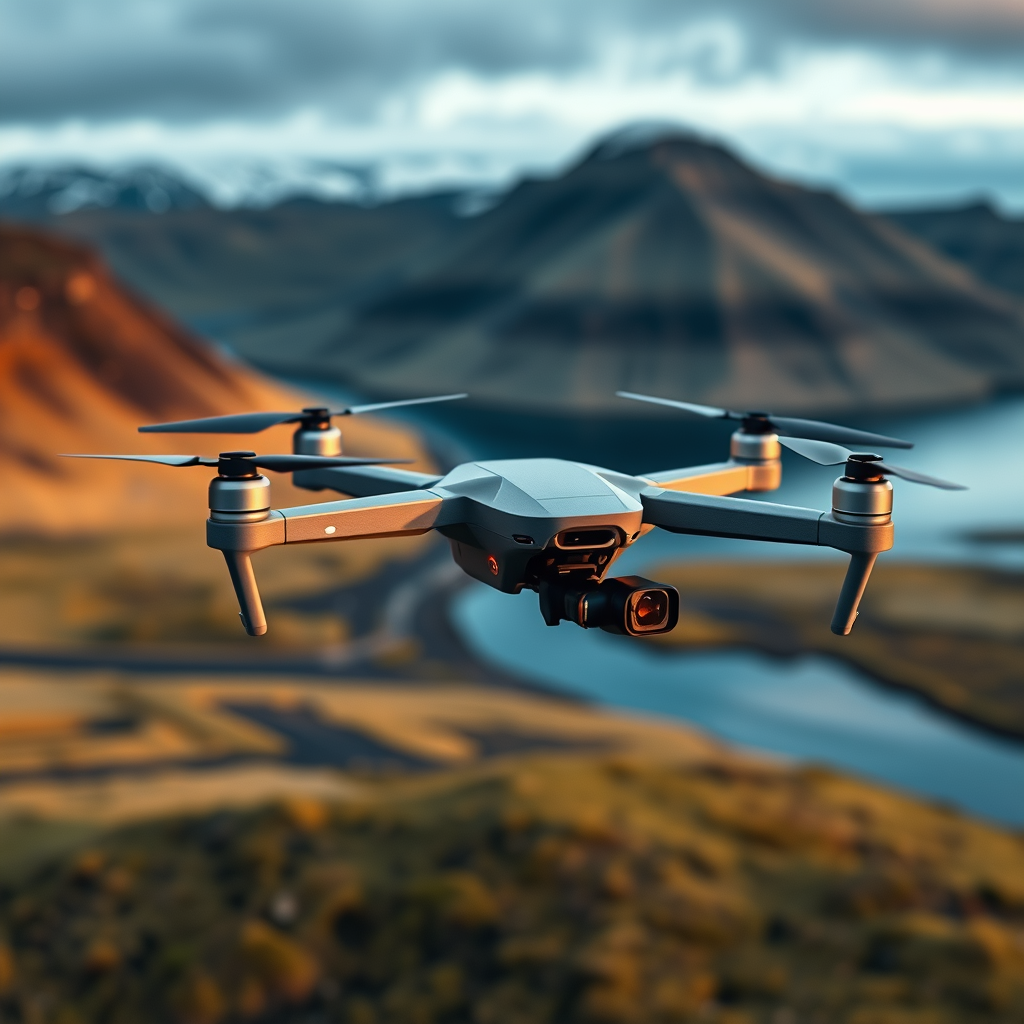
If you’re looking to fly your drone in Iceland, prepare for an unforgettable experience amidst some of the world’s most stunning landscapes. From majestic waterfalls to rugged mountains, Iceland offers a plethora of breathtaking backdrops for your aerial photography. However, it is crucial to be aware of local regulations and restrictions to ensure a safe and respectful flying experience. This comprehensive guide will lead you to the best locations while emphasizing responsible practices.
Understanding Iceland’s Drone Regulations
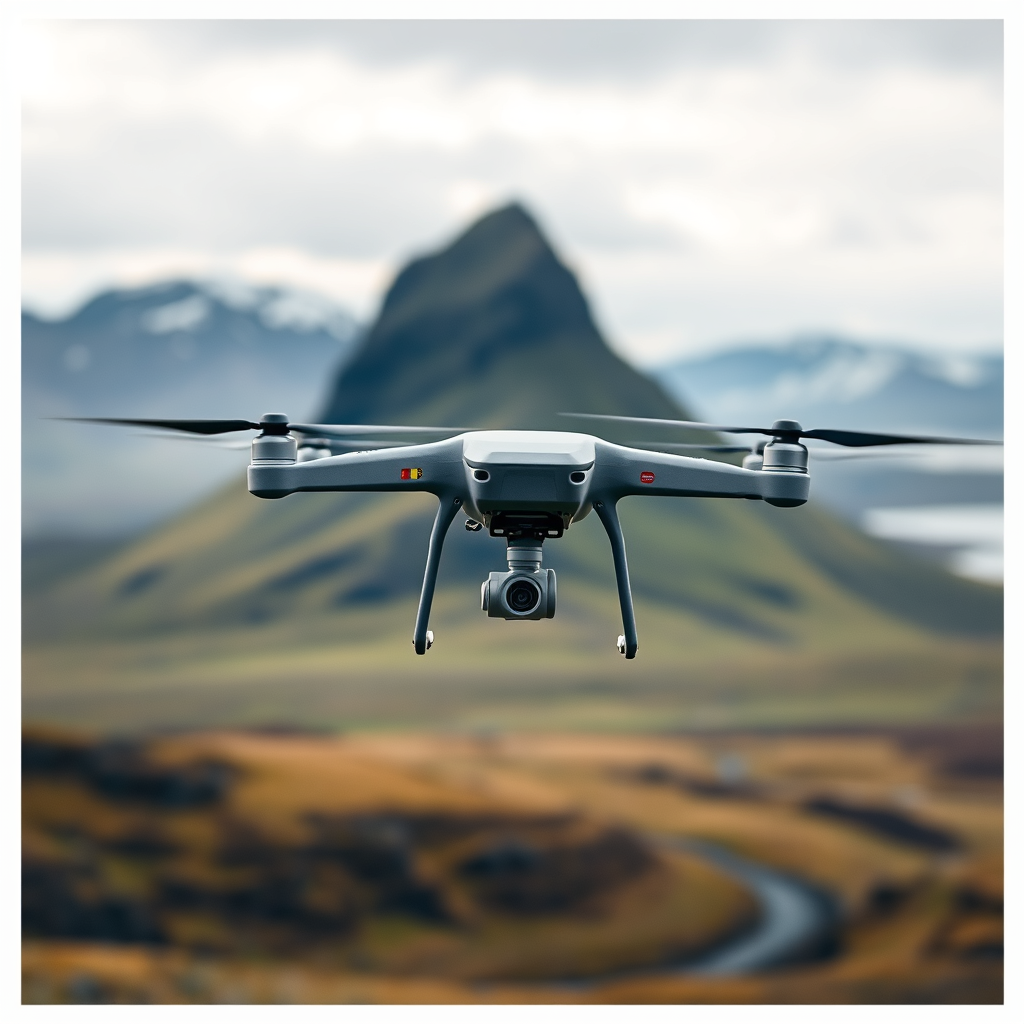
Flying a drone in Iceland requires adherence to specific regulations set by the Icelandic Transport Authority. These rules are designed to ensure the safety of both the drone operator and the public, as well as to protect the unique natural environment of the country. Drones must be registered if they weigh over 250 grams, and pilots are required to have liability insurance for their equipment.
Additionally, it is essential to be mindful of restricted areas. Flying near airports is strictly prohibited, with a minimum distance of 2.5 kilometers from any aerodrome. Moreover, populated areas and natural reserves have specific regulations that may limit drone activity to protect wildlife and local communities. Areas like Þingvellir National Park and Vatnajökull National Park have stringent rules to preserve their natural beauty. Always check the latest regulations and obtain necessary permits where required to ensure compliance and respect for Iceland’s pristine environment.
Top Scenic Locations for Drone Flying
Iceland is a treasure trove of picturesque landscapes that are ideal for drone flying. One of the most popular routes is the Golden Circle, where you can capture the stunning geological features and breathtaking vistas. Þingvellir National Park, a UNESCO World Heritage Site, offers dramatic cliffs, crystal-clear waters, and vibrant landscapes. The park is not only historically significant but also provides endless opportunities for spectacular aerial shots.
Another must-visit location is Gullfoss waterfall, known as the “Golden Falls.” Its powerful cascades create a mesmerizing scene from above. Nearby, Seljalandsfoss, where visitors can walk behind the waterfall, provides a unique perspective for drone photography, showcasing the falls in all their glory.
In addition to these iconic spots, the South Coast, with its black sand beaches like Reynisfjara, and the striking cliffs of Dyrhólaey, can deliver stunning contrasts in your aerial imagery. Each of these locations presents a unique canvas for capturing Iceland’s natural beauty.
Best Practices for Responsible Drone Flying
To ensure a safe and enjoyable flying experience, adhering to best practices for responsible drone flying is essential. Always maintain a direct line of sight with your drone; this not only aligns with regulations but also allows for better control and awareness of your surroundings.
Respecting wildlife is paramount in Iceland, where many species are protected. Avoid flying in areas where birds are nesting or where wildlife may be disturbed. If you spot wildlife, keep your distance and refrain from hovering over them, as this can disrupt their natural behavior.
Moreover, consider the environmental impact of your drone usage. Stay on marked trails and disturb as little vegetation as possible. By following these guidelines, you can enjoy your drone flights while minimizing your impact on Iceland’s fragile ecosystems.
Popular Drone-Friendly Areas
For those seeking remote beauty, the Westfjords present an ideal location for drone enthusiasts. This region is less frequented by tourists, allowing for stunning captures of untouched landscapes. The dramatic fjords, steep cliffs, and serene beaches provide a perfect backdrop for aerial photography. Places like Dynjandi waterfall and the solitude of Hornstrandir Nature Reserve are particularly breathtaking from above.
Another excellent area for drone flying is the Reykjanes Peninsula, known for its volcanic landscapes. The geothermal activity here creates a dramatic terrain, with bubbling mud pots and colorful mineral deposits. The rugged coastline also allows for dynamic aerial shots, showcasing the interplay between land and sea.
Both of these regions offer unparalleled opportunities for capturing the untouched beauty of Iceland, making them ideal for drone enthusiasts looking to explore beyond the more tourist-heavy sites.
Tips for Capturing Great Aerial Footage
To maximize the quality of your aerial footage, timing and technique are critical. The golden hour, just after sunrise or before sunset, presents the best natural lighting conditions, casting a warm glow over the landscapes. This soft light can enhance the colors and textures in your images, making them more visually appealing.
Experimenting with different angles and heights can also yield unique perspectives. Don’t hesitate to fly lower to capture intricate details of the terrain or higher for expansive views of the landscape. Utilizing the drone’s ability to hover allows for creative compositions that can highlight the dramatic contrasts of Iceland’s geography.
In addition, consider using filters to manage reflections and enhance color saturation. Polarizing filters can help reduce glare from water surfaces and improve the overall quality of your shots. Always review your footage as you go, making adjustments to your flying technique as needed to capture the best possible images.
Local Drone Clubs and Communities
Engaging with local drone enthusiasts can provide invaluable insights into the best flying conditions and hidden spots around Iceland. Joining a drone club or community allows you to share experiences, learn from others, and stay informed about the latest regulations and flying trends.
Participating in meet-ups and events can also provide opportunities to practice your skills in a supportive environment. Many clubs organize group flying sessions, which can be a great way to explore new locations while networking with fellow drone pilots. These connections can enhance your drone flying experience and offer a deeper appreciation for Iceland’s unique landscapes.
In summary, Iceland is a remarkable destination for drone flying, offering stunning vistas and a range of captivating locations. However, it is crucial to respect local regulations and the natural environment to ensure a safe and responsible flying experience. By preparing adequately, adhering to best practices, and engaging with local communities, you can make the most of your drone adventures in this breathtaking country. Enjoy capturing the incredible beauty of Iceland from above!
Frequently Asked Questions
What are the legal regulations for flying a drone in Iceland?
In Iceland, drone operators must adhere to the rules set by the Icelandic Transport Authority and the Civil Aviation Administration. Key regulations include keeping the drone within your line of sight, not flying above 120 meters (394 feet), and maintaining a minimum distance from people and buildings. Additionally, flying in certain protected areas, such as national parks or over wildlife, may require special permits, so it’s essential to check current regulations before your flight.
Where are the best locations to fly a drone in Iceland?
Some of the best locations to fly a drone in Iceland include the stunning landscapes of Þingvellir National Park, the breathtaking waterfalls at Gullfoss, and the dramatic coastline near Reynisfjara Beach. Other popular spots include the geothermal areas around Geysir and the majestic glaciers of Vatnajökull National Park. Always ensure you are following local regulations and respecting nature when choosing your flying locations.
How can I obtain permission to fly my drone in restricted areas in Iceland?
To obtain permission to fly your drone in restricted areas in Iceland, you typically need to submit a request to the relevant authorities, such as the Environment Agency of Iceland or the local municipality. This process may involve providing details about your drone, the purpose of your flight, and your planned location. It’s advisable to allow ample time for your request to be processed and to familiarize yourself with any specific guidelines they provide.
Why is it important to check for no-fly zones in Iceland before flying my drone?
Checking for no-fly zones in Iceland is crucial to ensure compliance with local laws and to protect sensitive ecosystems and wildlife. Areas such as national parks, airports, and inhabited regions often have restrictions to minimize disturbances. Failing to adhere to these regulations can lead to fines, confiscation of your drone, or even legal action, making it essential to research and plan your flight route in advance.
Which drone models are best suited for flying in Iceland’s varying weather conditions?
When flying a drone in Iceland, it’s important to choose models that are robust and capable of handling unpredictable weather. Drones such as the DJI Mavic Air 2 and the DJI Phantom 4 Pro are popular choices due to their wind resistance, advanced stabilization features, and high-quality cameras. Additionally, drones with longer battery life are beneficial for capturing the expansive landscapes, so consider models that can withstand cold temperatures and provide extended flight times.
References
- https://www.caa.is/en/drone-operation-in-iceland
- https://www.icelandtravel.is/blog/drone-regulations-in-iceland/
- https://www.visiticeland.com/article/drone-flying-in-iceland
- https://www.reykjavik.com/drone-flying-in-iceland/
- https://www.faa.gov/uas/getting_started/where_to_fly/
- https://www.nationalgeographic.com/travel/article/flying-drones-in-iceland-what-you-need-to-know
- https://www.dronelife.com/2021/07/29/drones-in-iceland-what-you-need-to-know/
