
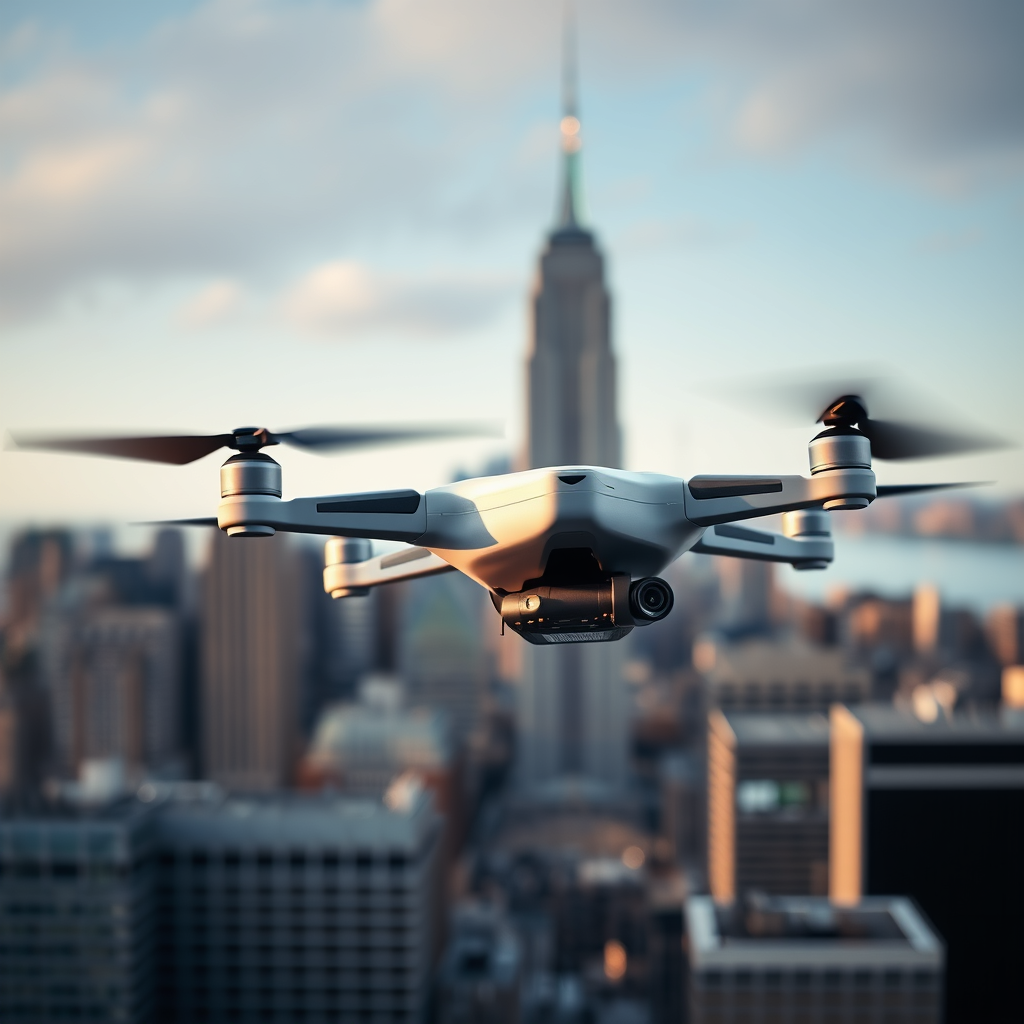
Flying your drone in New York is indeed possible in various locations; however, it necessitates an understanding of the local regulations and restrictions. This guide aims to assist both novice and experienced drone pilots in identifying prime spots for drone flying while ensuring compliance with the laws governing drone operations in the state.
Understanding Drone Regulations in New York
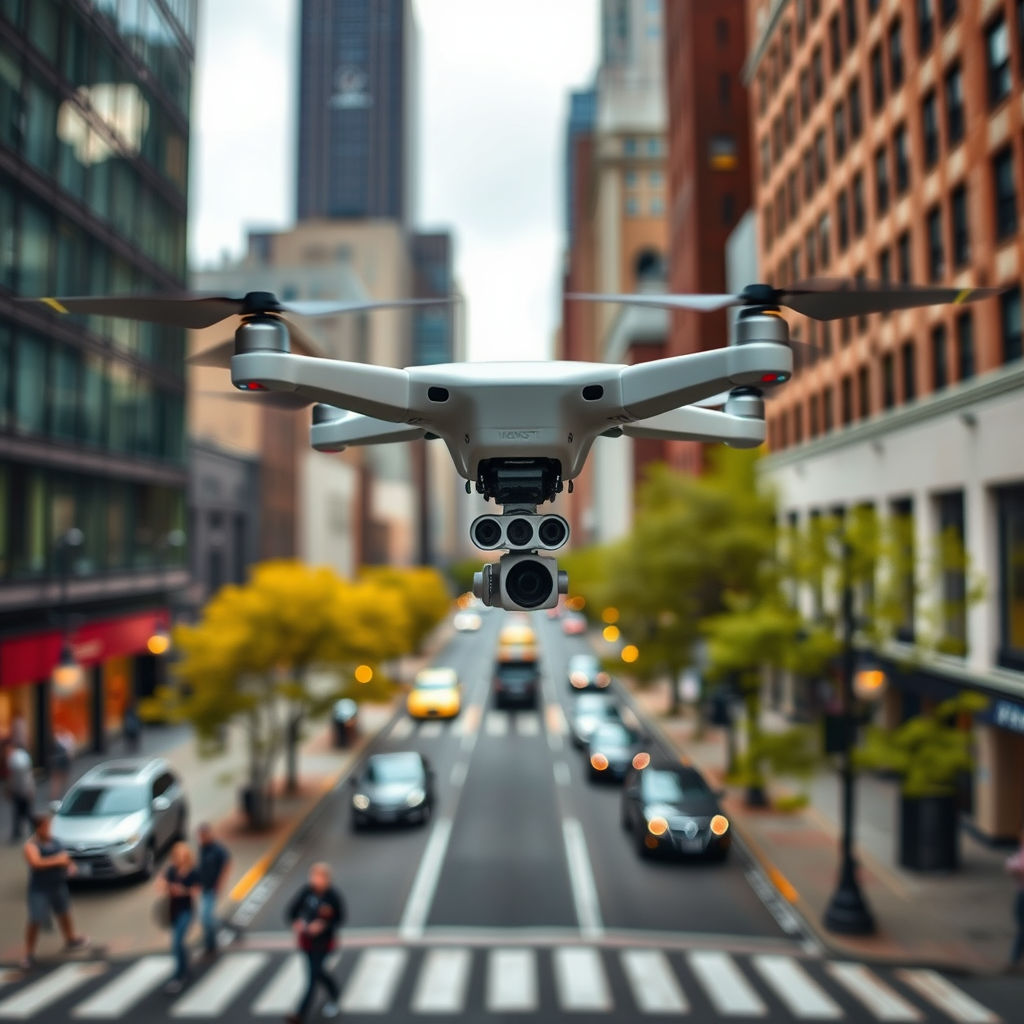
To operate a drone legally in New York, one must be familiar with both federal and state regulations. The Federal Aviation Administration (FAA) establishes guidelines that apply nationwide, which include registering your drone if it weighs more than 0.55 pounds, flying below 400 feet, and maintaining visual line of sight with your drone at all times. Additionally, pilots must avoid flying near airports and other restricted airspace.
In urban areas, local laws can significantly impact where you can fly. New York City, for example, has specific restrictions that prohibit drone flying in many public parks and over densely populated areas. It is essential for drone pilots to familiarize themselves with local laws and any additional regulations that may apply to their specific flying location. Ignorance of these rules can lead to fines and penalties, making it crucial for drone enthusiasts to stay informed.
Popular Drone Flying Locations in New York City
Despite the strict regulations, there are still several exciting locations in New York City where drone pilots can safely fly. Parks such as Central Park and Prospect Park offer open spaces that can accommodate drone flying, provided pilots adhere to local regulations and avoid crowded areas. Central Park, with its iconic landscapes and stunning skyline views, can offer breathtaking aerial shots, while Prospect Park provides a more serene environment with lush greenery.
Waterfront areas are also excellent spots for drone flying in NYC. The Brooklyn waterfront provides expansive views of the Manhattan skyline and the Statue of Liberty, making it an appealing location for capturing stunning photographs and videos. Similarly, Hudson River Park offers ample space along the river, where pilots can fly their drones while enjoying picturesque views of the water and cityscape. However, it remains paramount to check for any temporary flight restrictions in these areas, especially during events or high-traffic periods.
Best Upstate Locations for Drone Enthusiasts
For those willing to venture beyond the city, upstate New York is home to some of the most breathtaking landscapes that are perfect for drone flying. The Adirondack Mountains, renowned for their rugged beauty, offer numerous locations where drone pilots can capture stunning aerial footage of the vast wilderness. Popular spots include Lake Placid and Saranac Lake, where the serene waters and towering mountains create a picturesque backdrop.
The Catskills are another excellent destination for drone enthusiasts, with their rolling hills, waterfalls, and scenic vistas. Kaaterskill Falls, one of the highest waterfalls in New York, is particularly notable for drone photography. Many state parks, such as the Minnewaska State Park Preserve and the Harriman State Park, allow drone usage while providing ample opportunities for exploration and adventure. Pilots must ensure compliance with park regulations and respect the natural environment while enjoying these stunning locations.
Restricted Areas for Drone Flight
Understanding restricted areas is crucial for responsible drone operation. No-fly zones in New York include airports, military bases, and certain government buildings. For instance, flying near LaGuardia or JFK airports is strictly prohibited, as is flying within a five-mile radius of any airport without prior notification to air traffic control. Additionally, military installations have their own restrictions, making it imperative for drone pilots to be aware of these locations.
To stay updated on airspace restrictions, pilots should utilize the Interagency Drone Information System (IDIS), which provides valuable information regarding temporary flight restrictions (TFRs) and other airspace changes. Regularly checking this system can help drone pilots avoid potential legal issues and ensure a safe flying experience.
Tips for Safe and Responsible Flying
Safety and responsibility should always be at the forefront of drone operations. One of the most important tips is to maintain visual line of sight with the drone at all times. This practice not only ensures the pilot’s control over the aircraft but also minimizes the risk of collisions with other aircraft or obstacles.
Additionally, respecting privacy is vital. Pilots should avoid flying over private property without permission and should be cautious of capturing images or videos that may infringe on someone’s privacy rights. Engaging with the local community and obtaining necessary permissions when flying in populated areas can greatly enhance the flying experience and foster goodwill.
Lastly, staying informed about weather conditions is essential for safe flying. Wind, rain, and other weather factors can significantly affect drone performance. Using weather apps tailored for drone pilots can assist in planning flights safely.
Resources for Drone Pilots in New York
Various resources are available to aid drone pilots in New York. Online forums and local clubs provide platforms for enthusiasts to share experiences, tips, and advice. Websites like DJI’s forum or local Facebook groups can connect pilots with seasoned professionals and novices alike.
Moreover, several apps and websites can assist in checking airspace restrictions and weather conditions. Tools such as Airmap and B4UFLY are invaluable for drone pilots seeking real-time information regarding where they can legally fly. These resources can help ensure a smooth and compliant flying experience.
In summary, New York offers an array of exciting locations for drone flying, from the bustling streets of NYC to the serene landscapes of upstate parks. However, staying informed about regulations and respecting local laws is essential for a safe and enjoyable experience. By prioritizing safety, maintaining awareness of restrictions, and utilizing available resources, drone enthusiasts can make the most of their flying adventures in the Empire State.
Frequently Asked Questions
What are the regulations for flying drones in New York City?
In New York City, drone pilots must adhere to both federal and local regulations. The Federal Aviation Administration (FAA) prohibits flying drones over people, in controlled airspace, and near airports without prior authorization. Additionally, NYC law restricts drone use in several parks and public spaces, so it’s essential to check specific locations for any local bans or permits required before flying.
Where can I legally fly my drone in New York State?
In New York State, many areas are suitable for drone flying, including state parks and rural regions where there are fewer restrictions. Popular spots include the Adirondack Park and the Catskills, where expansive landscapes allow for safe flying. However, always verify local laws and regulations for specific locations, as some parks may have their own restrictions on drone use.
How do I find drone-friendly parks in New York?
To find drone-friendly parks in New York, you can start by visiting the New York State Parks website or using apps like AirMap and DroneBuddy, which provide information on where drones can be flown legally. Additionally, local drone clubs and online forums can offer recommendations for parks that allow drone flying and share personal experiences regarding specific areas.
Why is it important to check airspace before flying my drone in New York?
Checking airspace before flying your drone in New York is crucial for safety and legal compliance. Certain areas, such as near airports or military installations, are designated as no-fly zones or restricted airspace by the FAA. Flying a drone in these areas can result in fines, confiscation of your drone, or worse, posing a risk to manned aircraft. Always use tools like the FAA’s B4UFLY app to ensure safety and compliance.
What are the best practices for flying a drone in urban areas of New York?
When flying a drone in urban areas of New York, it’s important to follow best practices to ensure safety and compliance with regulations. Always maintain a visual line of sight with your drone, avoid flying over crowds, and respect privacy by not capturing images of individuals without consent. Additionally, be aware of your surroundings and monitor for any changes in airspace restrictions due to events or emergencies to ensure a safe flying experience.
References
- https://www.faa.gov/uas/recreational_flyers/
- https://www.ny.gov/Drone
- https://www.nyc.gov/site/safety/initiatives/drone-safety.page
- https://www.nps.gov/articles/drone-flying-in-national-parks.htm
- https://www.droneflyers.com/drone-flying-in-new-york/
- https://www.nyc.gov/assets/dep/downloads/pdf/environment/education/nyc-drone-flying-guide.pdf
- https://www.ny.gov/sites/default/files/atoms/files/DroneUseGuidelines.pdf
- https://www.nyc.gov/site/planning/plans/drone-guidelines.page
