
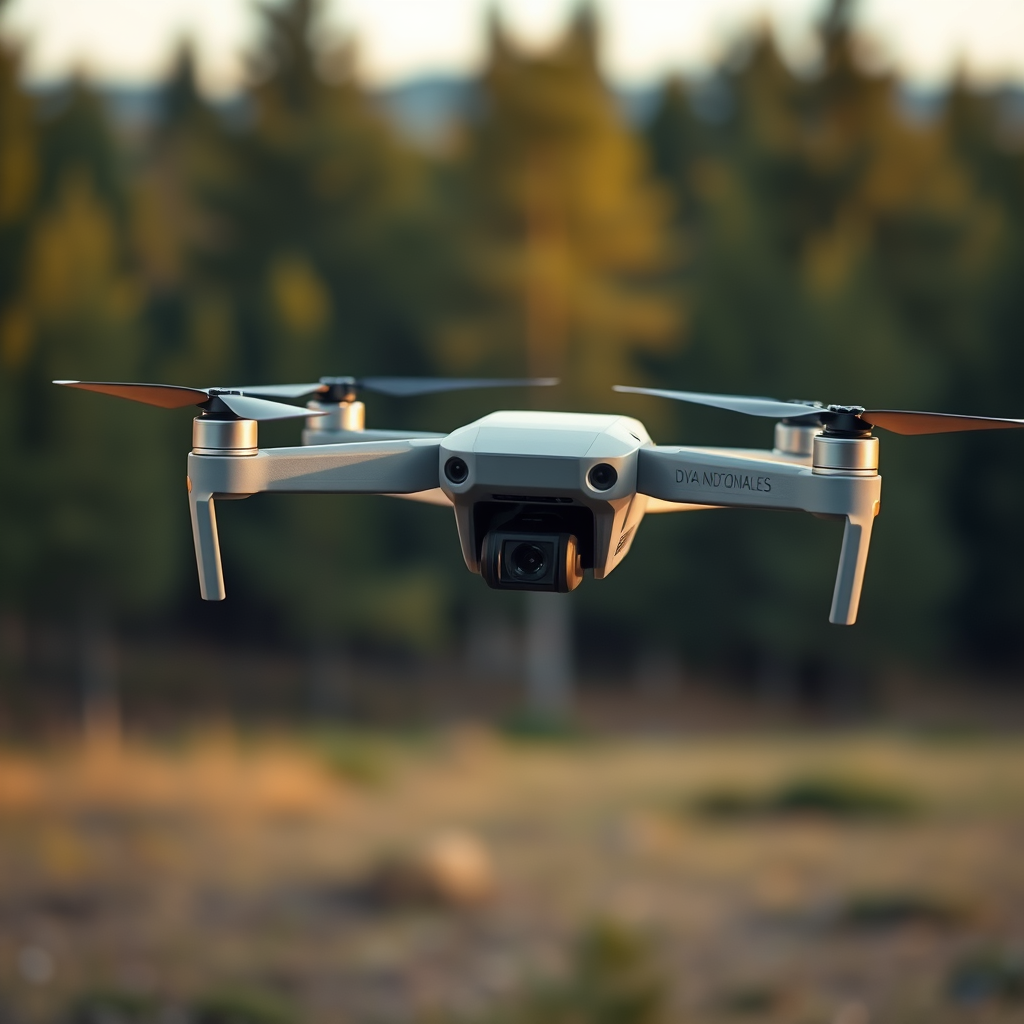
You can fly your drone in Oregon at various designated areas, including state parks, beaches, and certain urban zones, but it’s essential to follow regulations. This guide outlines where you can legally operate your drone while enjoying the stunning landscapes of Oregon. From the majestic Columbia River Gorge to the pristine beaches of Cannon Beach, Oregon offers a plethora of breathtaking locations perfect for capturing stunning aerial footage. However, understanding the intricate regulations associated with drone flying in the state is crucial to ensure a safe and legal flying experience.
Understanding Oregon’s Drone Regulations
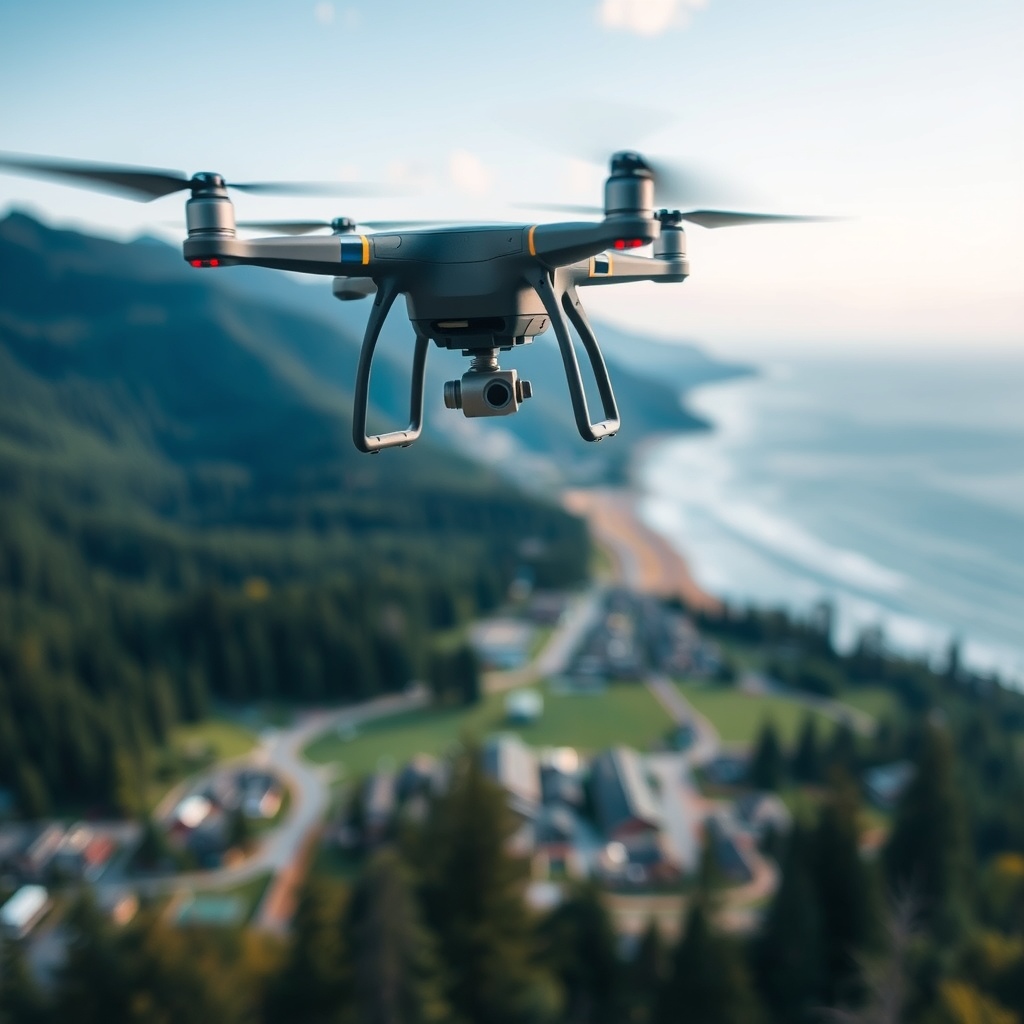
Oregon’s drone regulations are primarily governed by federal laws established by the Federal Aviation Administration (FAA). These regulations apply statewide and include important requirements such as registering your drone if it weighs more than 0.55 pounds, adhering to altitude restrictions, and maintaining a visual line of sight during flight. Additionally, all drone pilots must comply with the FAA’s Part 107 rules if they are flying for commercial purposes.
Local laws, however, can vary significantly by city or county, and it is vital for drone pilots to familiarize themselves with these specific regulations. For instance, some municipalities may have additional restrictions on flying in public parks or near sensitive areas like schools and hospitals. Therefore, it is advisable to check with local authorities or city websites before planning a flight to ensure compliance with all applicable regulations.
Popular Drone Flying Locations
– Columbia River Gorge: This iconic location is a haven for drone enthusiasts, boasting stunning vistas and cascading waterfalls. The expansive landscape offers ample space for aerial photography, ideal for capturing the beauty of this natural wonder. However, pilots should be cautious of weather conditions, as high winds can pose risks. Additionally, certain areas within the gorge may have restrictions, so it’s wise to check local guidelines.
– Cannon Beach: Known for its picturesque coastline and the famous Haystack Rock, Cannon Beach is a favorite among photographers. While the views are breathtaking, drone pilots must be aware of seasonal restrictions due to the influx of tourists during peak summer months. Local ordinances may prohibit drone use in certain crowded areas to ensure the safety and enjoyment of all visitors.
State Parks and Natural Reserves
– Silver Falls State Park: Renowned for its stunning waterfalls and scenic trails, Silver Falls State Park is a must-visit for nature lovers. While the park offers incredible opportunities for aerial photography, drone pilots are required to obtain a special permit for drone use. This ensures that the natural beauty and tranquility of the park are preserved for all visitors.
– Deschutes National Forest: Spanning over 1.6 million acres, Deschutes National Forest provides a diverse landscape ranging from high desert to lush forests. While it presents numerous opportunities for drone flying, pilots should be aware of specific no-fly zones, particularly near sensitive wildlife habitats and designated wilderness areas. Checking current regulations before flying in this expansive area is essential.
Urban Flying Considerations
Flying a drone in urban settings, such as Portland, requires careful consideration of local laws and ordinances. In many cases, you may need to obtain permission from city authorities before launching your drone, especially in densely populated areas. Additionally, urban environments pose unique challenges, such as navigating around tall buildings and avoiding crowds.
Pilots should always remain mindful of privacy concerns, ensuring they do not fly over private properties without permission. Moreover, adhering to the FAA’s guidelines for flying near people and structures is paramount to maintain safety and compliance with the law.
Events and Meetups for Drone Enthusiasts
For those looking to enhance their drone flying skills and connect with fellow enthusiasts, joining local drone clubs or attending meetups can be immensely beneficial. These gatherings often provide valuable insights into the best flying spots, techniques for capturing stunning footage, and updates on local regulations.
In addition, keep an eye out for drone racing events and photography competitions that may be hosted in various locations throughout Oregon. These events not only offer a chance to showcase your skills but also foster a sense of community among drone pilots.
Safety and Best Practices
Safety should always be a top priority for drone pilots. Maintaining visual line-of-sight with your drone is essential to avoid collisions and ensure safe operation. Additionally, respecting the privacy of others is crucial; avoid flying over individuals or private properties without explicit permission.
Before each flight, it is wise to conduct a pre-flight check of your equipment to ensure everything is functioning correctly. Familiarize yourself with the area you plan to fly in, including any obstacles such as power lines or trees, and be prepared to adapt your flight plan as necessary.
Resources for Drone Pilots
To stay informed about the latest regulations and best practices, various resources are available for drone pilots in Oregon. The Oregon Department of Aviation provides comprehensive information regarding airspace regulations, safety guidelines, and maps indicating no-fly zones.
Moreover, smartphone applications like AirMap can help drone pilots identify safe flying areas and avoid restricted zones in real-time. Utilizing these tools can significantly enhance your flying experience while ensuring compliance with all applicable laws.
In conclusion, Oregon offers a variety of fantastic locations to fly your drone, but following local regulations is crucial for responsible usage. From the awe-inspiring landscapes of the Columbia River Gorge to the enchanting beauty of Cannon Beach, there are numerous opportunities to capture stunning aerial footage. By understanding the regulations, being aware of local laws, and practicing safety measures, you can enjoy the thrill of flying your drone while contributing to a positive experience for all. Make sure to do your research, stay informed, and enjoy capturing the beautiful scenery that Oregon has to offer!
Frequently Asked Questions
What are the legal requirements for flying a drone in Oregon?
In Oregon, drone operators must adhere to both federal and state regulations. At the federal level, the Federal Aviation Administration (FAA) requires drone pilots to register their drones if they weigh more than 0.55 pounds. Additionally, pilots must follow the FAA’s Part 107 regulations for commercial use or fly under the recreational guidelines. State laws also apply, which may restrict drone use in certain parks and wildlife areas, so it’s essential to check local regulations before flying.
Where are the best locations to fly my drone in Oregon?
Oregon offers numerous breathtaking locations for drone enthusiasts. Some of the best spots include the stunning Columbia River Gorge, where you can capture waterfalls and majestic landscapes, and Crater Lake National Park, known for its deep blue waters. Other popular areas include the coastal beaches of Cannon Beach and the vast expanses of the Painted Hills. Always check for any local restrictions or no-fly zones in these areas before launching your drone.
How can I find drone-friendly parks and recreational areas in Oregon?
To find drone-friendly parks in Oregon, you can use online resources such as the FAA’s B4UFLY app, which provides real-time information about airspace restrictions and regulations. Additionally, websites like UAV Coach and local drone enthusiast forums often list parks and recreational areas that allow drone flying. It’s also a good idea to contact local park offices directly to inquire about their specific drone policies.
Why are certain areas in Oregon restricted for drone flying?
Certain areas in Oregon are restricted for drone flying primarily to protect wildlife, preserve natural landscapes, and ensure public safety. Locations such as national parks and wildlife reserves often have strict regulations to minimize disturbances to animals and their habitats. Additionally, flying near airports or military installations is restricted to avoid conflicts with manned aircraft. Always check for temporary flight restrictions (TFRs) and local regulations before planning your flight.
What should I do if I encounter a problem while flying my drone in Oregon?
If you encounter a problem while flying your drone in Oregon, first ensure your safety and that of others around you. If your drone is malfunctioning or lost, try to locate it or follow the emergency procedures outlined in your drone’s user manual. In case of an incident involving people or property, report it to local authorities immediately. Additionally, familiarize yourself with the FAA’s reporting procedures for accidents and incidents to ensure compliance with regulations.
References
- https://www.faa.gov/uas/location/where_to_fly
- https://www.oregon.gov/odot/Programs/Pages/drone.aspx
- https://www.oregon.gov/deq/Programs/air/Pages/drones.aspx
- https://www.oregon.gov/odfw/Pages/wildlife/drone.aspx
- https://www.faa.gov/uas/
- https://www.nps.gov/articles/drone-use-in-national-parks.htm
- https://www.oregon.gov/oem/Pages/drones.aspx
