
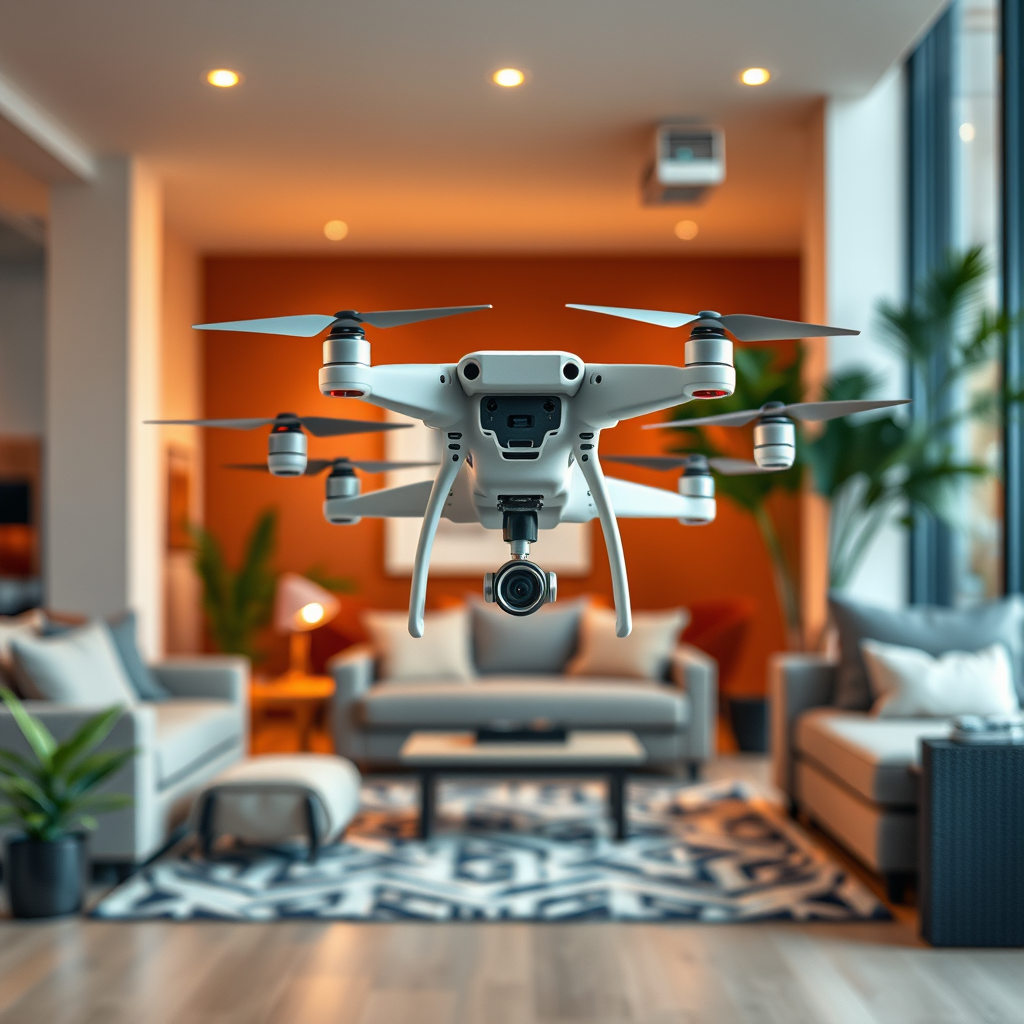
If you’re wondering where you can fly your drone in Tampa, there are several designated areas and regulations to keep in mind. Tampa offers a variety of locations that are drone-friendly, allowing enthusiasts to enjoy their hobby while adhering to local laws. Understanding the local drone landscape is essential for both novice and seasoned flyers, as it ensures safety, compliance, and optimal flying experiences.
Understanding Local Drone Laws
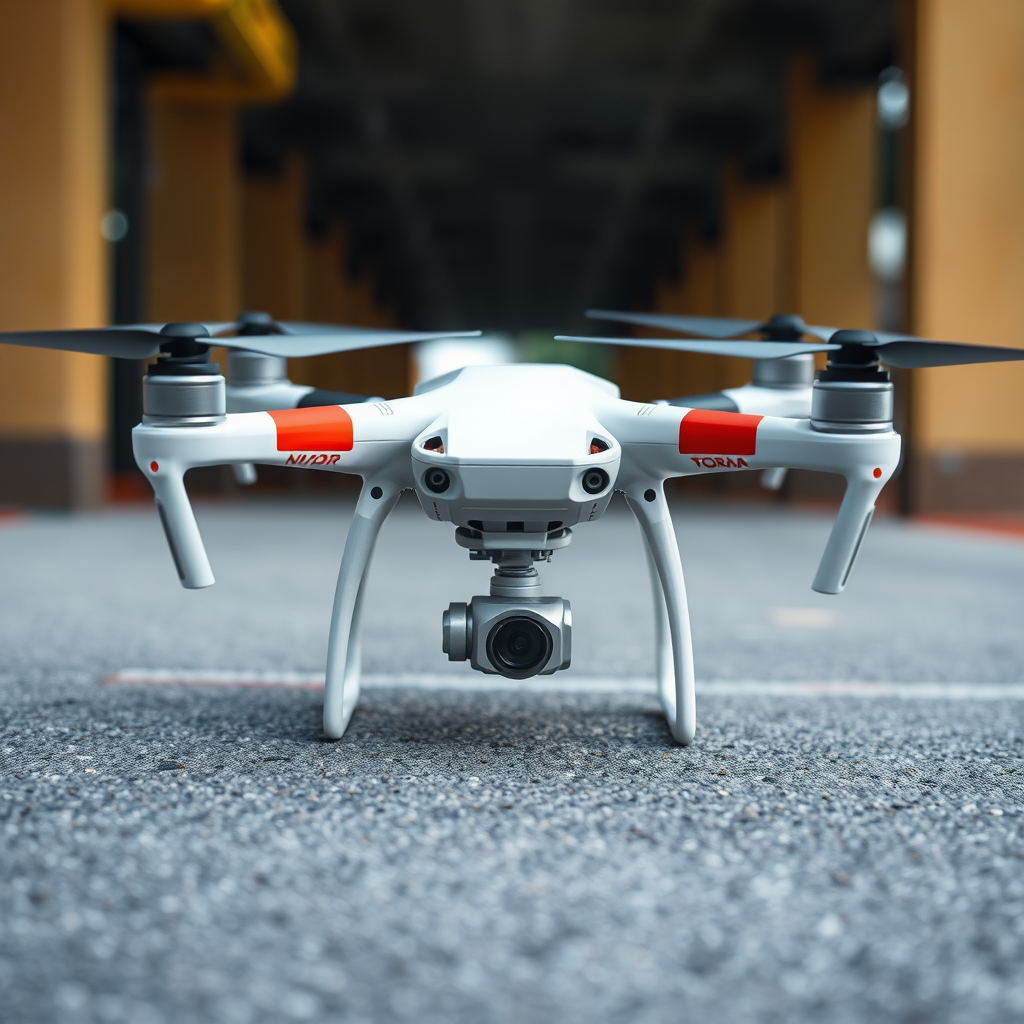
When flying a drone in Tampa, it is crucial to familiarize yourself with the Federal Aviation Administration (FAA) regulations that apply nationwide. These regulations dictate the airspace in which drones can operate, the maximum altitude for flights, and other safety measures. As of now, FAA laws require all drone operators to register their drones if they weigh over 0.55 pounds and to adhere to the rules set forth in the FAA’s Part 107 guidelines if flying commercially.
In addition to federal laws, it is important to research local Tampa ordinances specific to drone usage. For instance, the City of Tampa has its regulations that govern where drones can be flown, especially in urban areas. The Tampa Parks and Recreation Department outlines specific parks where drones are allowed, often with restrictions in place to protect wildlife and ensure public safety. Always check for any updates to these regulations, as compliance is essential to avoid fines or other legal repercussions.
Popular Drone Flying Locations in Tampa
Tampa boasts several scenic locations ideal for drone flying, each offering unique views and experiences. One of the most popular areas is the Tampa Bay Area, where expansive waterfront views provide a stunning backdrop for aerial photography. The bay’s natural beauty, combined with the skyline of downtown Tampa, makes it a favorite among drone enthusiasts.
In addition to the waterfront, parks and recreational areas across the city also permit drone flying, though restrictions may apply. For example, Al Lopez Park and Ballast Point Park are known for their open spaces and picturesque views, allowing flyers to capture breathtaking footage. However, it’s essential to respect any posted signs regarding drone usage and to avoid flying in crowded areas to ensure the safety of fellow park-goers.
Drone Restrictions: What You Need to Know
Understanding drone restrictions is vital for responsible flying. One of the primary concerns is the presence of no-fly zones near airports and military installations. Tampa International Airport and MacDill Air Force Base are two significant areas where drone flying is strictly prohibited. The FAA provides a tool called the B4UFLY app, which helps drone operators identify restricted airspace and stay compliant.
Additionally, there are restrictions in urban areas to avoid privacy violations. Flying over private property without permission is not only unethical but can also lead to legal issues. Moreover, drones should be flown at least 25 feet away from people and structures to minimize risks. Always stay informed about local regulations and respect the boundaries set forth by both federal and local authorities.
Best Practices for Flying Drones in Tampa
To enhance your drone-flying experience in Tampa, following best practices is essential. Start by checking weather conditions before heading out. Wind speeds, precipitation, and visibility can significantly affect flight safety and the quality of your footage. Ideal flying conditions are usually on calm, clear days with little to no wind.
Respecting the privacy of individuals and properties is also crucial. Avoid flying over private residences or crowded events without permission, as this can lead to complaints or legal issues. Instead, focus on open spaces and public areas where you can capture stunning shots without infringing on others’ rights. Additionally, always keep your drone within visual line-of-sight and maintain a safe distance from people and buildings.
Community Resources for Drone Enthusiasts
Connecting with fellow drone enthusiasts can greatly enhance your flying experience. Consider joining local drone clubs such as the Tampa Bay Drone Enthusiasts, which provide a platform for members to share tips, experiences, and information about the best flying locations. Online forums and social media groups dedicated to drone flying in Tampa can also be valuable resources for learning about new events and regulations.
Participating in community events and meet-ups can further enrich your knowledge and network. These gatherings often feature workshops, demonstrations, and opportunities to collaborate with other drone operators. Networking with experienced pilots can provide insights into advanced flying techniques and the latest drone technology, helping you improve your skills and expand your horizons.
Tips for Capturing Great Footage
To maximize your drone’s capabilities and capture stunning footage, consider the following tips. Begin by adjusting camera settings for optimal quality. Utilize the drone’s ability to shoot in various resolutions and frame rates, and experiment with different angles and perspectives. Aerial shots during the golden hour—shortly after sunrise or before sunset—can yield breathtaking results thanks to the soft, warm lighting.
Planning your shots in advance is also essential. Scout locations ahead of time and determine the best angles to showcase the beauty of Tampa. Using a flight plan can help you efficiently capture all desired footage while adhering to safety regulations. Don’t forget to utilize your drone’s features, such as programmable waypoints and automated flight modes, to enhance your shooting experience.
In conclusion, flying your drone in Tampa can be an enjoyable experience if you adhere to the laws and guidelines. By understanding local regulations, exploring designated flying locations, and respecting privacy and safety standards, you can fully enjoy your drone-flying adventures. Additionally, connecting with the local drone community and applying best practices will not only improve your skills but also enhance your overall experience. Enjoy capturing the vibrant beauty of Tampa from above!
Frequently Asked Questions
What are the legal requirements for flying a drone in Tampa?
To legally fly a drone in Tampa, operators must adhere to both federal and local regulations. At the federal level, the FAA requires drone pilots to register their drones if they weigh more than 0.55 pounds and to follow the guidelines set forth in Part 107 for commercial use. Additionally, Tampa has specific local ordinances that may restrict drone use in certain areas, such as parks, beaches, and near airports. Always check for updated regulations to ensure compliance.
Where are the best parks in Tampa to fly a drone?
Some of the best parks in Tampa for flying drones include Lettuce Lake Park, which offers expansive open areas and scenic views, and Al Lopez Park, known for its spacious fields. Another great option is the Hillsborough River State Park, where you can capture breathtaking natural landscapes. However, it’s essential to check for any specific park rules regarding drone use before flying, as some parks may have restrictions.
How can I find no-fly zones in Tampa for my drone?
To identify no-fly zones in Tampa, you can use several resources including the FAA’s B4UFLY app, which provides real-time information on airspace restrictions, including nearby airports and temporary flight restrictions. Additionally, local government websites often provide maps and guidelines for drone operations. Always ensure you’re aware of these zones before flying to avoid fines or safety incidents.
Why is it important to check airspace before flying my drone in Tampa?
Checking airspace before flying your drone in Tampa is crucial for safety and legal compliance. Flying in restricted airspace, such as near airports or emergency response areas, can pose risks to manned aircraft and may result in legal penalties. By understanding the airspace layout and adhering to regulations, you ensure a safe flying experience and contribute to the safety of others in the area.
What are some popular locations in Tampa for drone photography?
Tampa offers numerous stunning locations for drone photography, including the iconic skyline from the Tampa Riverwalk and the beautiful beaches of Clearwater, just a short drive away. The historic Ybor City district also provides unique urban landscapes. Ensure you comply with local regulations and respect privacy laws while capturing these picturesque scenes, as this will help you make the most of your drone photography experience.
References
- https://www.faa.gov/uas/getting_started/where_to_fly
- https://www.tampa.gov/
- https://www.nps.gov/articles/drone-flying-in-national-parks.htm
- https://www.droneflyers.com/drone-laws-in-florida/
- https://www.faa.gov/uas/faq/#where_can_i_fly
- https://www.tampabay.com/news/environment/2020/06/26/where-you-can-fly-drones-in-tampa-bay/
- https://www.wtsp.com/article/news/local/drone-flying-in-tampa-bay-what-you-need-to-know/67-0b6e01d0-f0c7-4597-8c42-6a2b5f7c3b2d
