
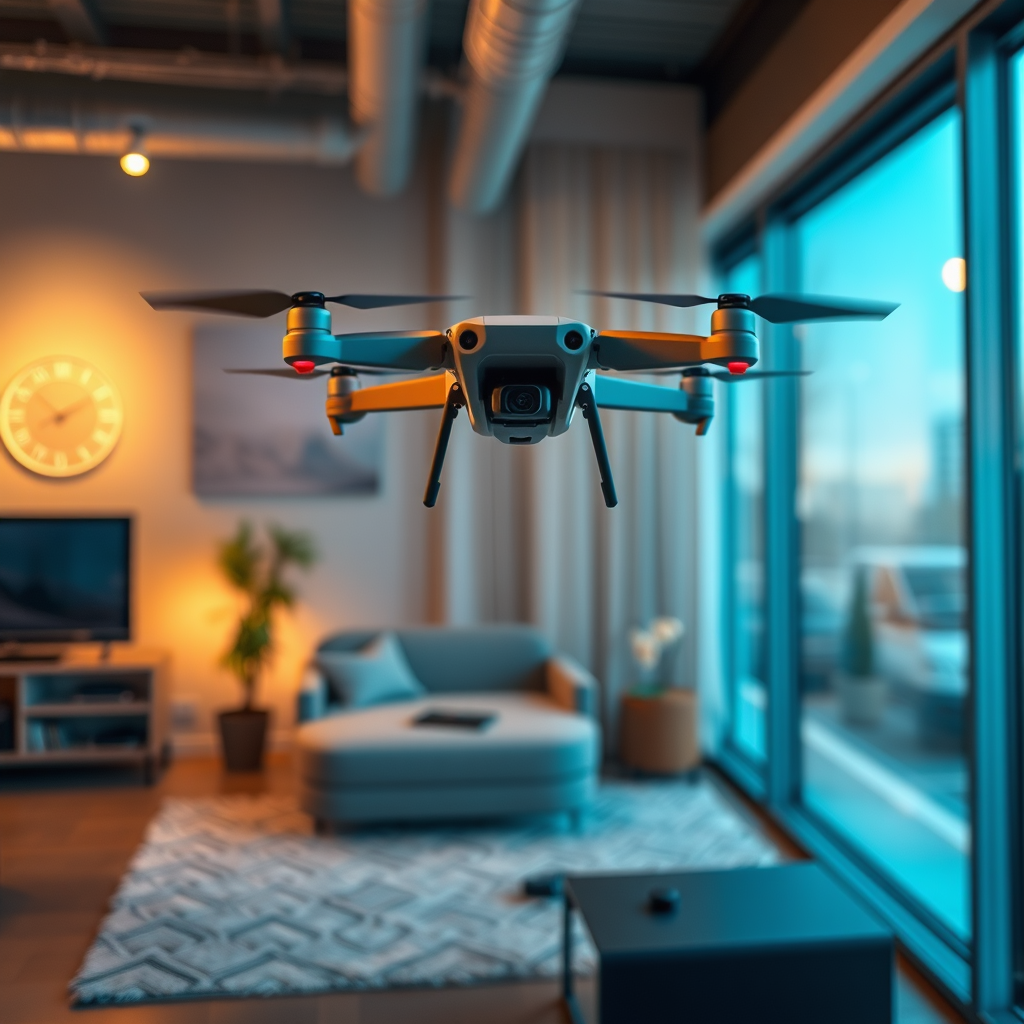
Drones are not permitted to be flown in specific areas due to safety, privacy, and security regulations. Familiarizing yourself with these restrictions is essential to avoid legal problems and to promote responsible flying. Understanding no-fly zones not only protects the drone operator but also ensures the safety of the public and the integrity of sensitive locations.
No-Fly Zones Overview
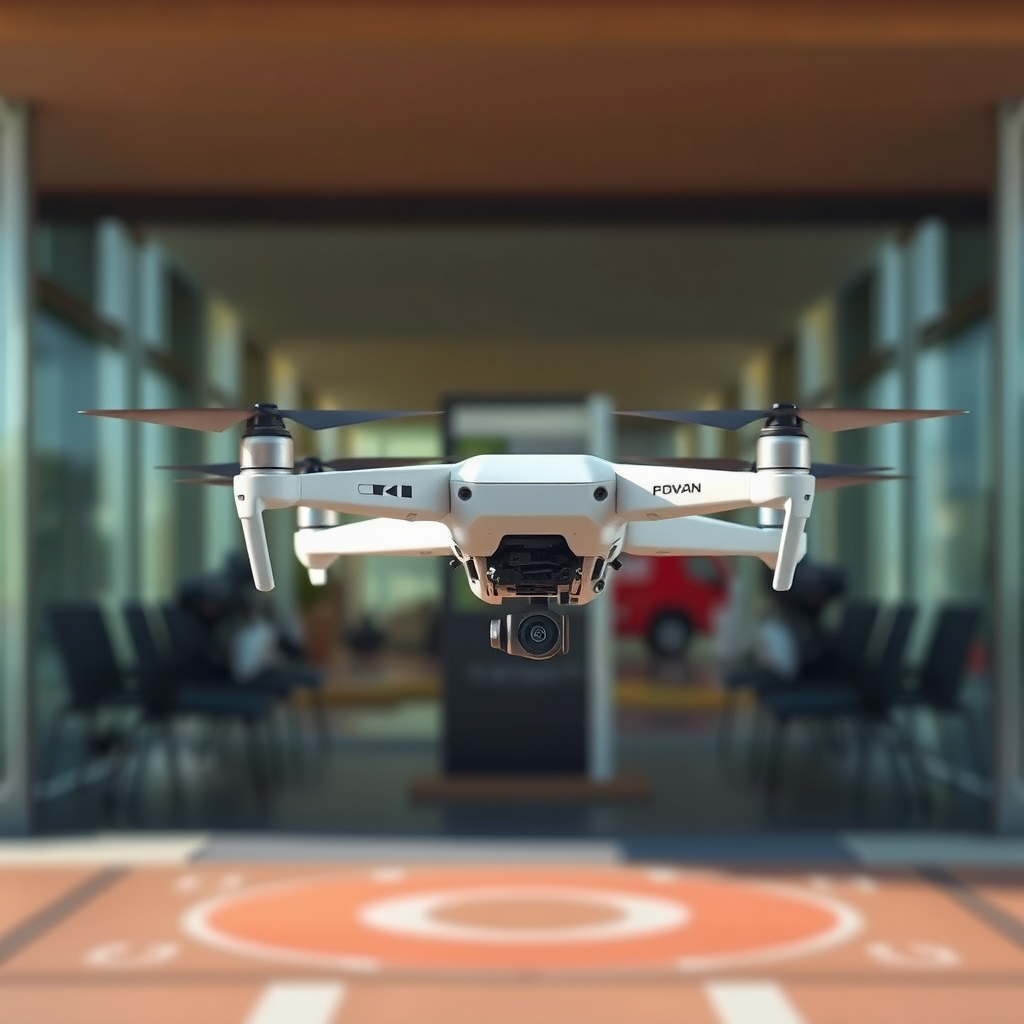
No-fly zones are designated areas where drone flights are prohibited or restricted to protect public safety, national security, and privacy. These zones are crucial for maintaining control over airspace, particularly in regions where manned aircraft operate or where sensitive infrastructure is located. Common examples of no-fly zones include areas surrounding airports, helipads, military bases, and certain government buildings. For instance, the Federal Aviation Administration (FAA) in the United States has established a 5-mile radius no-fly zone around airports to prevent interference with takeoff and landing operations. Additionally, flying near military installations is restricted due to national security concerns; unauthorized drone flights in these areas can lead to serious legal consequences.
Restricted Areas: Government and Military Locations
Flying drones near government buildings and military installations is highly regulated due to the potential for espionage or unauthorized surveillance. In the United States, the FAA and the Department of Defense collaboratively define these restricted areas, which often include federal courthouses, embassies, and military bases. Violating these restrictions can result in hefty fines, confiscation of the drone, and even criminal charges depending on the severity of the infraction. For example, a drone operator who flies near the Pentagon without authorization can face significant legal repercussions, including arrest. Operators must remain vigilant and aware of the locations and boundaries of these sensitive areas to ensure compliance with regulations.
Urban Areas and Crowded Places
Drones are often prohibited from flying in densely populated urban environments due to safety concerns. The potential for accidents, injuries, and property damage increases significantly when operating drones over crowds or public gatherings. Many cities have enacted strict regulations that limit or completely ban drone flights in urban areas, particularly during events such as concerts, parades, or sports games. For instance, flying a drone over a major event like the Super Bowl is typically illegal, and violators can face fines and criminal charges. In addition to legal implications, operating a drone in crowded places can lead to public fear or panic, as many people are still unfamiliar with drone technology and its capabilities.
National Parks and Protected Lands
Regulations prohibiting drone use in national parks and protected lands are in place to safeguard wildlife and preserve natural habitats. The National Park Service (NPS) has implemented rules that ban drone flights in these areas to minimize disturbances to animals and maintain the integrity of the environment. Drones can disrupt wildlife behaviors, such as nesting and feeding, and can introduce noise pollution that detracts from the natural experience for visitors. For instance, the Grand Canyon National Park has a strict no-drone policy, which is enforced to protect its unique ecosystem. Operators should always check specific national park regulations before planning a flight, as violations can result in fines and removal from the park.
Private Property Regulations
Flying a drone over private property without permission can lead to legal issues related to trespassing and invasion of privacy. It is essential for drone operators to obtain explicit consent from property owners before flying over their land. Many states have laws that protect property rights, and unauthorized drone flights can result in civil lawsuits or fines. For example, in some jurisdictions, property owners may file complaints against drone operators for trespassing, arguing that their privacy has been violated. To avoid these legal pitfalls, drone operators should familiarize themselves with local laws and always seek permission before flying over private property.
Temporary Restrictions: Events and Emergencies
Temporary flight restrictions (TFRs) can be implemented during significant events, such as concerts, sports games, or large public gatherings, to ensure safety and security. The FAA issues TFRs to prevent drone flights in these areas, as unauthorized drones can pose risks to public safety and air traffic. Additionally, during emergencies, such as wildfires or natural disasters, drone flights may be banned to allow for the safe operation of emergency services. For example, during a wildfire, drone operators could inadvertently interfere with firefighting efforts, prompting authorities to enforce temporary flight restrictions. Operators should stay informed about TFRs and adhere to them to avoid fines or legal action.
Local Regulations and Community Guidelines
In addition to federal and state regulations, local laws and community guidelines can impose additional restrictions on drone use. It is crucial for drone operators to research and understand the specific regulations governing their area, as local authorities may have unique rules that address noise concerns, privacy issues, or specific no-fly zones. For example, some cities may require drone operators to register their devices or obtain permits for commercial use. Additionally, community associations may establish guidelines that prohibit drone flying in residential neighborhoods to maintain peace and tranquility. Failing to comply with these regulations can result in fines, community backlash, or loss of flying privileges.
In conclusion, knowing where you cannot fly your drone is essential for responsible operation. Familiarizing yourself with no-fly zones, government restrictions, urban regulations, and local guidelines will help you avoid legal issues and ensure safe flying practices. Always research and adhere to local laws, as well as national regulations, to ensure a safe and enjoyable flying experience. By respecting these restrictions, drone operators can contribute to a positive and responsible drone culture.
Frequently Asked Questions
What are the federal regulations regarding where I cannot fly my drone?
In the United States, the Federal Aviation Administration (FAA) prohibits flying drones in certain areas such as near airports, military bases, and national parks. Specifically, drones should not be operated within a 5-mile radius of an airport without prior notification to air traffic control. Additionally, areas designated as Restricted Airspace, such as those surrounding government facilities, are off-limits, and flying in these zones can result in severe penalties.
How do I find out if there are no-fly zones for drones in my area?
To determine no-fly zones for drones, you can use resources like the FAA’s B4UFLY mobile app or the FAA’s website, which provides maps and guidance on airspace restrictions. Additionally, local government websites may offer information on specific regulations or ordinances that pertain to drone use in parks, residential areas, and other locales, helping you stay compliant and avoid fines.
Why are certain locations restricted for drone flying?
Certain locations are restricted for drone flying primarily for safety and security reasons. Areas near airports are regulated to prevent interference with manned aircraft, while military bases and other sensitive sites are protected to ensure national security. Furthermore, places like national parks restrict drone usage to protect wildlife and preserve natural landscapes, maintaining the integrity of these environments.
Which types of private properties should I avoid when flying my drone?
When flying your drone, it’s essential to avoid private properties without the owner’s permission to respect privacy rights and avoid potential legal issues. Areas such as residential neighborhoods, private businesses, and schools often have restrictions on drone usage. Always seek permission before flying over private property to maintain good relations and avoid trespassing disputes.
What should I do if I accidentally fly my drone into a restricted area?
If you accidentally fly your drone into a restricted area, the first step is to safely land your drone as quickly as possible to avoid potential legal consequences. Afterward, assess the situation—if you are approached by authorities, cooperate and explain the mistake. Familiarize yourself with local laws and regulations to prevent future incidents and consider taking a drone safety course to enhance your understanding of safe flying practices.
References
- https://www.faa.gov/uas/getting_started/where_to_fly
- https://www.faa.gov/uas/registration/faq
- https://www.faa.gov/uas/resources/policies_regulations/
- https://www.nasa.gov/aeroresearch/programs/airspace/uas/faq.html
- https://www.ama-flightschool.com/drone-flying-restrictions
- https://www.dji.com/flying-in-the-us
- https://www.theguardian.com/us-news/2021/mar/09/drone-flying-laws-us
- https://www.nytimes.com/2020/12/30/us/drone-laws.html
