
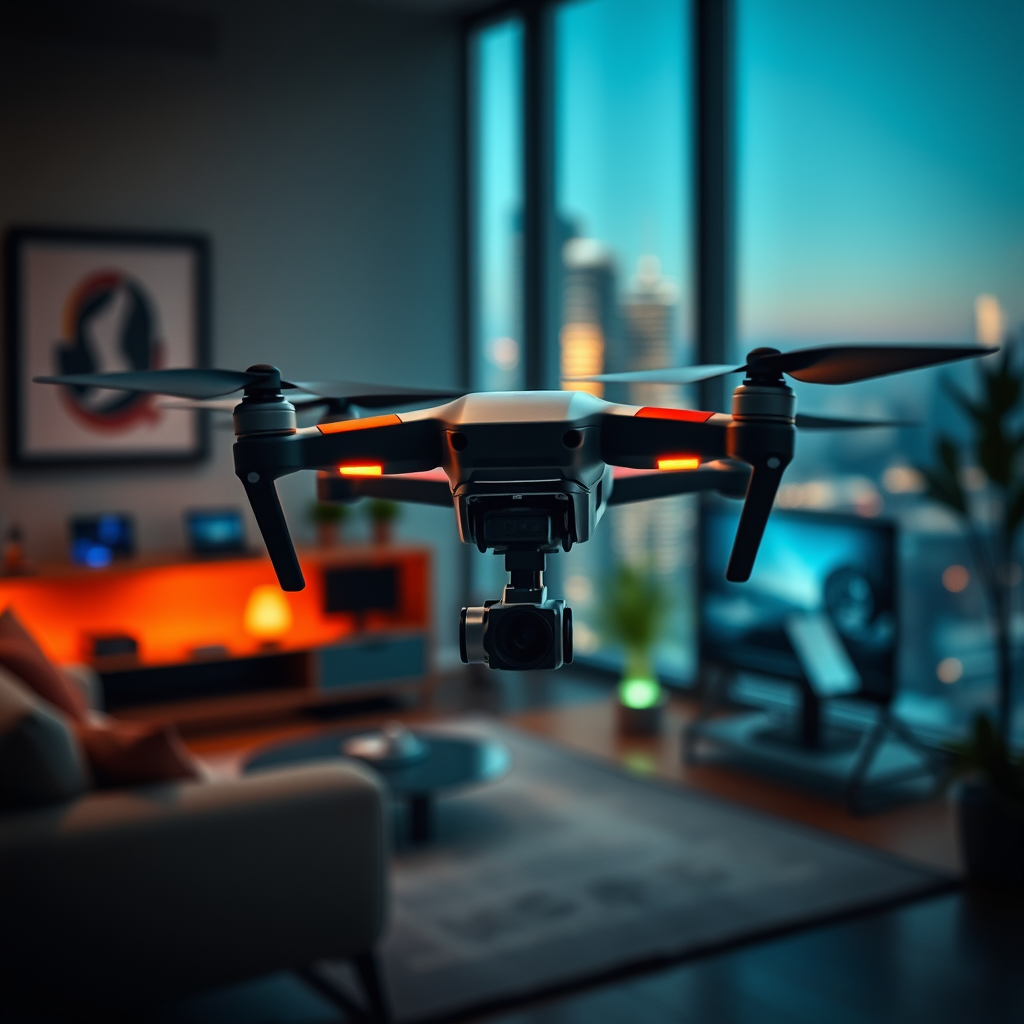
If you’re looking to sell drone footage, popular platforms include stock video sites, freelance marketplaces, and social media. Each option has its own benefits and caters to different audiences, allowing you to maximize your sales potential. In today’s digital landscape, leveraging these diverse platforms can significantly enhance your visibility and revenue as a drone videographer. Here, we’ll explore the top platforms for selling drone footage and provide valuable tips for succeeding in this competitive market.
Stock Video Platforms
Stock video platforms are some of the most accessible options for selling drone footage. Websites like Shutterstock, Adobe Stock, and Pond5 allow creators to upload their videos and sell them directly to consumers, including marketers, filmmakers, and content creators. These platforms are well-established and have large, built-in audiences actively seeking high-quality footage.
When you list your drone footage on stock sites, it’s essential to optimize your content with relevant keywords and engaging descriptions to improve discoverability. For instance, if you have stunning aerial shots of a coastal landscape, tags like “drone footage,” “aerial views,” “beach drone shots,” and “scenic coastline” can help attract the right buyers. However, do keep in mind that these platforms typically take a commission on each sale, which can range from 15% to 50%, depending on the platform and your exclusivity level.
Additionally, consider the licensing agreements offered by these platforms. Most offer standard licenses and extended licenses, allowing you to choose how your footage can be used. Understanding these options can help you maximize your sales potential and ensure your work is used appropriately.
Freelance Marketplaces
Freelance marketplaces such as Upwork and Fiverr provide a different approach to selling drone footage. On these platforms, you can create service listings offering custom drone footage shoots, editing services, or even packages that combine video production with aerial shots. This direct engagement with clients allows for more personalized transactions and the potential for long-term relationships.
For example, you might create a profile on Upwork showcasing your portfolio, including sample drone footage and testimonials from previous clients. By setting competitive yet reasonable rates, you can attract clients who are looking for quality drone footage for specific projects, such as real estate listings, promotional videos, or events.
Freelance marketplaces also allow you to build your reputation through client reviews. A strong profile with positive feedback can lead to repeat business, as clients often prefer working with freelancers they trust. Additionally, offering a quick turnaround time can set you apart in a crowded marketplace, making you a preferred choice for clients needing urgent projects.
Social Media Channels
Social media channels like Instagram, YouTube, and TikTok can be powerful tools for marketing your drone footage and attracting new clients. These platforms allow you to showcase your work through engaging content, effectively building your brand and increasing visibility.
On Instagram, for instance, posting short clips or reels of your drone footage can captivate an audience. Use relevant hashtags such as #DronePhotography, #AerialView, and #DronesDaily to reach a broader audience. Engaging with your followers through comments and collaborations can further enhance your visibility, potentially leading to inquiries from businesses or individuals looking for drone services.
YouTube is another excellent platform for showcasing your drone footage. Creating a channel dedicated to your aerial videos and tutorials can attract subscribers and enhance your credibility as a drone videographer. By including links to your portfolio or stock listings in your video descriptions, you can drive traffic to where your footage is sold.
Additionally, TikTok’s short-form video format can be used creatively to share stunning clips and behind-the-scenes content, making your work more relatable and shareable.
Direct Sales through Your Website
Creating your own website gives you complete control over your content and sales strategy. By setting up an e-commerce platform, you can sell your drone footage directly to clients without incurring the fees associated with stock video sites or freelance marketplaces.
Your website should feature a portfolio showcasing your best work, complete with a user-friendly interface that allows potential clients to easily browse and purchase footage. Implementing SEO strategies, such as optimizing for keywords related to drone footage and including informative blog posts about your process or aerial videography tips, can drive organic traffic to your site.
Moreover, consider incorporating a newsletter to keep your audience informed about new footage, promotions, or tips for using drone footage effectively. This approach not only helps in retaining interest but also fosters a community around your brand.
Networking and Collaborations
Networking is essential for expanding your client base and finding new opportunities in the drone footage market. Connecting with filmmakers, real estate agents, tourism boards, and businesses that may benefit from aerial footage can lead to fruitful collaborations.
Attend industry events, workshops, and exhibitions to meet potential clients face-to-face. Building relationships with other creatives can lead to referrals and joint projects, enhancing your portfolio and exposure. For example, partnering with a local real estate agent to provide aerial shots of properties can benefit both parties, increasing the agent’s listings’ appeal while providing you with practical experience.
Collaborating on projects can also lead to unique content that showcases your skills in different contexts, making your portfolio more diverse and appealing to a broader audience.
Licensing Deals
Licensing your drone footage can be a steady source of income, as it allows you to maintain ownership of your content while granting others the right to use it for specific projects or time frames. Many companies and individuals are willing to pay for quality footage for their marketing campaigns, websites, or productions.
When considering licensing deals, be clear about how you want your footage to be used and for what duration. Offering various licensing options, such as exclusive and non-exclusive licenses, can cater to different clients’ needs. Be sure to draft clear contracts that outline usage rights, compensation, and any other relevant terms to protect your interests.
Establishing relationships with companies that frequently need drone footage—such as video production companies or marketing agencies—can lead to ongoing licensing opportunities, providing you with a reliable income stream.
Legal Considerations
Understanding the legal aspects of selling drone footage is crucial for success. Familiarize yourself with copyright laws and FAA regulations regarding drone operation to ensure compliance. Copyright protects your creative work, allowing you to control its use and distribution.
When filming in public spaces, you generally do not need special permissions; however, if you plan to film in private or restricted areas, obtaining necessary permissions is essential to avoid legal complications. Additionally, consider securing model releases when featuring identifiable individuals in your footage to protect yourself from potential claims.
Staying informed about changing regulations and legal considerations in the drone industry can save you from future legal issues and enhance your professionalism in the eyes of clients.
In summary, selling drone footage can be a lucrative venture if approached strategically. By exploring various platforms, leveraging social media, networking, and understanding legal requirements, you can effectively market your skills and maximize your revenue potential. Whether through stock platforms, freelance marketplaces, or your own website, the opportunities for success in this growing market are abundant.
Frequently Asked Questions
Where can I sell my drone footage online?
You can sell your drone footage online through various platforms dedicated to stock video sales, such as Shutterstock, Adobe Stock, and Pond5. These sites allow you to upload your high-quality drone videos, set your pricing, and earn royalties whenever someone purchases your footage. Additionally, consider niche marketplaces like AirVūz and DroneStock that focus specifically on drone content, providing a targeted audience interested in aerial footage.
What types of drone footage are in high demand for sale?
High-demand drone footage typically includes aerial landscapes, cityscapes, nature shots, real estate views, and event coverage. Content that showcases unique perspectives or rare locations tends to attract more buyers. Moreover, footage that tells a story or fits specific themes, like travel or adventure, is also popular among filmmakers and marketers looking for engaging visuals.
How can I effectively market my drone footage for sale?
To effectively market your drone footage, start by optimizing your video titles, descriptions, and tags with relevant keywords that potential buyers might search for. Create a portfolio website showcasing your best work and utilize social media platforms, especially visual ones like Instagram and YouTube, to promote your footage. Engaging with online communities, forums, and groups related to drone photography can also help you network and reach potential customers.
Why should I consider selling my drone footage instead of keeping it for personal use?
Selling your drone footage can be a lucrative way to monetize your passion for aerial photography while also sharing your unique perspectives with a broader audience. It allows you to recoup the costs of your equipment and potentially generate a passive income stream. Additionally, selling your footage can enhance your portfolio, attract new clients, and open doors to professional opportunities in the film and marketing industries.
Which legal considerations should I keep in mind when selling drone footage?
When selling drone footage, it’s crucial to adhere to copyright laws and ensure you have the right to sell the content you create. Obtain necessary permissions if your footage includes recognizable people, private properties, or trademarked logos. Additionally, familiarize yourself with FAA regulations regarding drone operations, as compliance is essential for legal selling, especially if you plan to sell footage commercially.
References
- https://en.wikipedia.org/wiki/Drone_filmography
- https://www.faa.gov/uas/
- https://www.nationalgeographic.com/environment/article/drones
- https://www.techcrunch.com/tag/drones/
- https://www.theverge.com/2019/6/10/18659135/drone-video-footage-sell
- https://www.dronelife.com/2020/07/20/how-to-sell-drone-footage/
- https://www.reuters.com/article/us-technology-drones-idUSKBN1A50T0
- https://www.bbc.com/news/technology-47905791
