
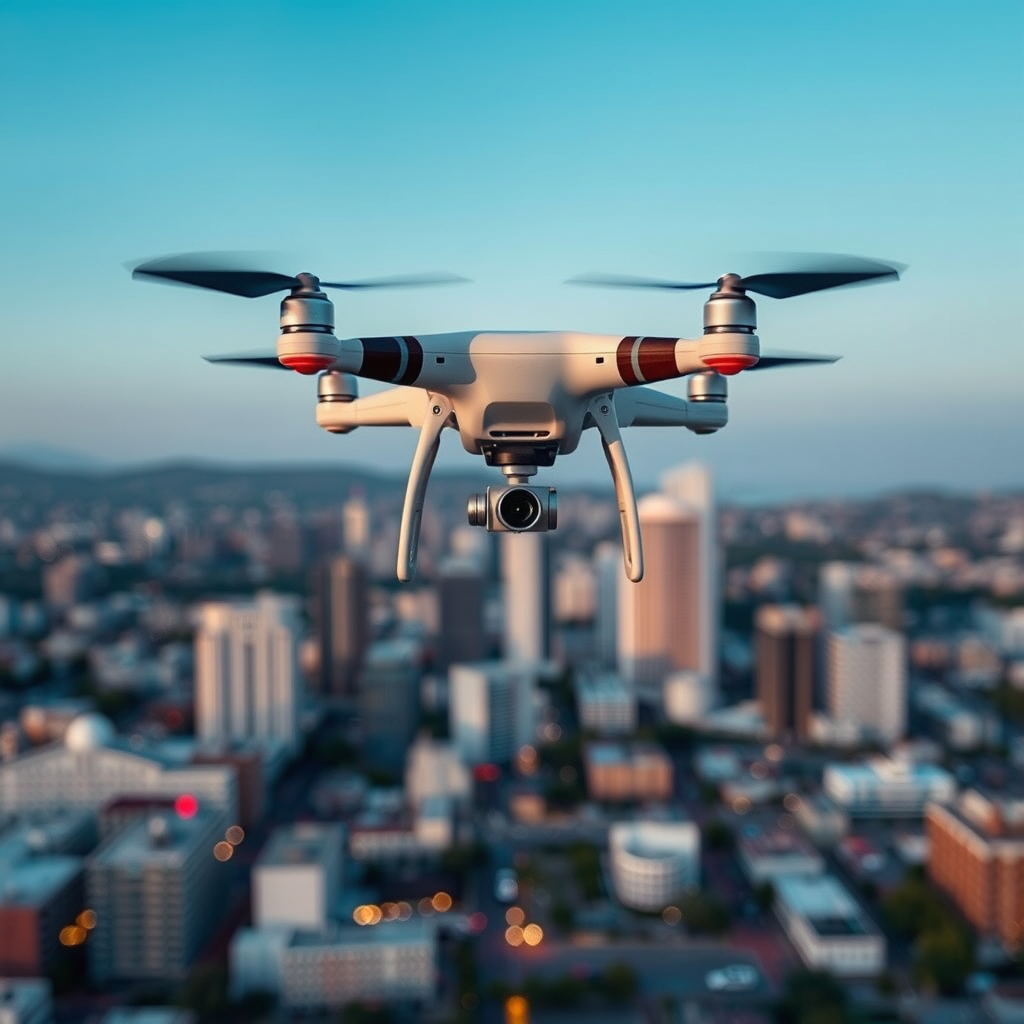
You can fly a drone in California in various locations, including designated parks, open spaces, and private properties, as long as you adhere to local regulations and safety guidelines. California, with its diverse landscapes ranging from rugged coastlines to sprawling deserts and majestic mountains, offers a wealth of opportunities for drone enthusiasts. However, understanding the legal landscape and best practices is essential to ensure a safe and enjoyable flying experience.
Understanding California Drone Laws
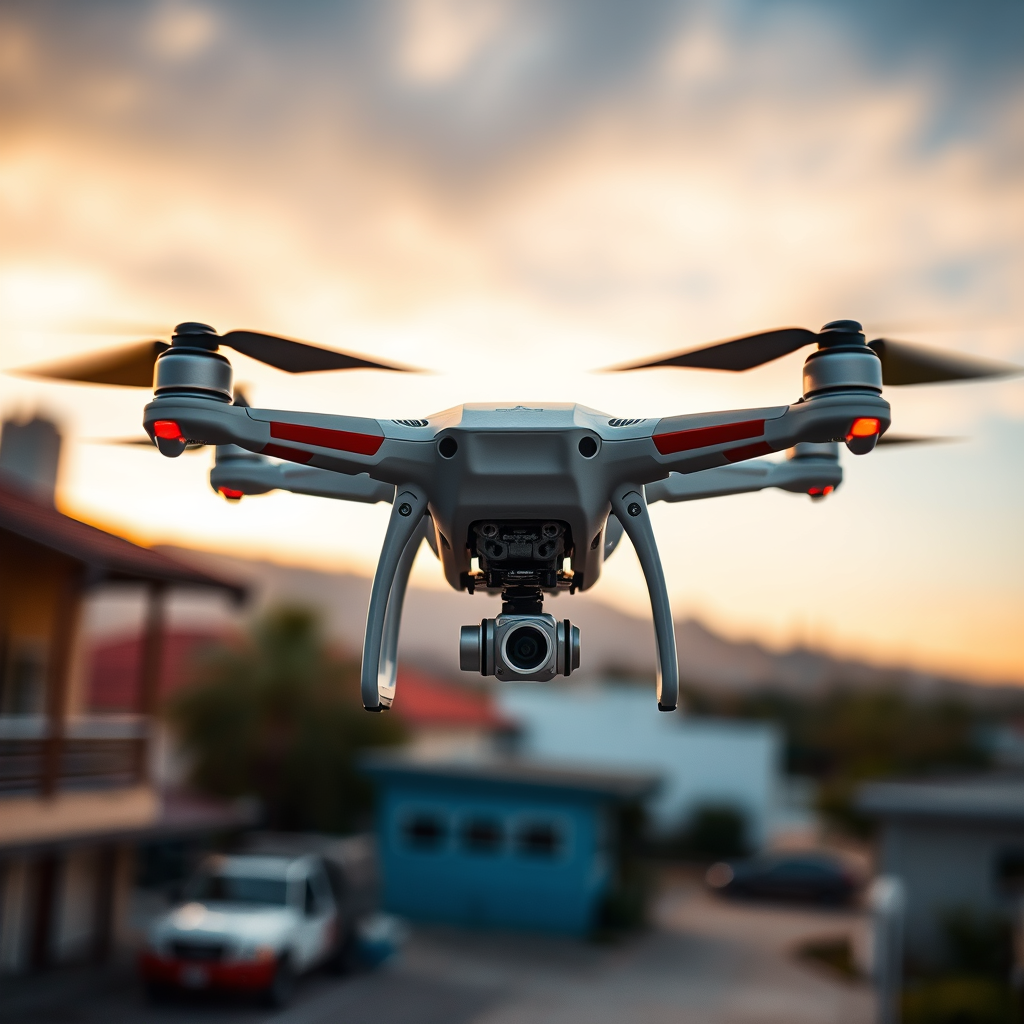
Flying a drone in California requires familiarity with both federal and state regulations. The Federal Aviation Administration (FAA) governs drone operations across the United States. Key regulations include the requirement for drone operators to register their aircraft if it weighs more than 0.55 pounds and to fly below 400 feet in uncontrolled airspace. Additionally, drone pilots must maintain visual line-of-sight with their drones at all times and avoid flying over people or moving vehicles.
In California, further laws and restrictions complement FAA regulations. For instance, the state prohibits flying drones in certain areas, such as above state parks, wildlife reserves, and many urban spaces, unless explicitly permitted. Local jurisdictions may also have their own regulations, so it’s vital for drone pilots to research and comply with local laws. Tools like the FAA’s B4UFLY app can help drone operators determine where they can legally fly and identify any airspace restrictions.
Best Locations for Drone Flying
California boasts a variety of stunning locations ideal for drone flying, particularly within its national parks. Yosemite National Park, with its breathtaking granite cliffs and expansive meadows, offers incredible aerial photography opportunities. However, it is crucial to note that drone usage is generally prohibited in national parks; exceptions may exist for special use permits, so always check with park authorities.
Another fantastic option is Joshua Tree National Park, famous for its unique desert landscapes and iconic Joshua trees. While drone flying is restricted in the park itself, nearby areas outside the park boundaries provide opportunities for stunning desert vistas. Coastal locations like Big Sur and Malibu also present excellent opportunities for drone enthusiasts, with their dramatic cliffs and sweeping ocean views. Beaches such as Coronado Beach or Pismo Beach can be great for capturing the beauty of California’s coastline, assuming local regulations allow for drone flights.
Urban Flying: What You Need to Know
Flying drones in urban environments like Los Angeles and San Francisco comes with its challenges and specific regulations. Both cities have enacted local ordinances that restrict drone flying in certain areas, particularly near airports, schools, and parks. For instance, Los Angeles has a comprehensive municipal code that prohibits drone operations in many public areas, including city parks and around the Los Angeles International Airport (LAX).
In addition to local laws, urban drone pilots must also be mindful of restricted airspace, which often encompasses airports and government buildings. The FAA’s airspace maps can help identify these zones, but it’s also advisable to check for temporary flight restrictions (TFRs) that may apply to certain events or emergencies. When flying in urban areas, maintaining a safe distance from people and structures is crucial to avoid accidents and ensure compliance with safety regulations.
Tips for Flying Drones in California’s Nature
To maximize your drone flying experience in California’s natural settings, timing and awareness are paramount. The early morning and late afternoon hours generally provide the best lighting for aerial photography, with softer sunlight and fewer shadows. Furthermore, these times tend to be less crowded, allowing for a more peaceful flying experience.
Respecting wildlife and natural habitats is also essential while flying your drone. Many areas in California are home to sensitive ecosystems and protected species. Avoid flying near nesting sites or during peak wildlife activity times to minimize disturbances. Additionally, familiarize yourself with Leave No Trace principles, ensuring that you do not negatively impact the environment while pursuing your aerial adventures.
Resources for Drone Pilots in California
For drone enthusiasts looking to connect with others or find valuable resources, several local clubs and online communities exist throughout California. Organizations like the Academy of Model Aeronautics (AMA) offer memberships that provide insurance and access to flying sites. Local drone clubs often host meetups, workshops, and races, allowing pilots to network and share their experiences.
Online resources are also abundant. Websites like AirMap and SkyVector provide real-time information on airspace conditions, while weather apps like Drone Weather offer valuable insights into flying conditions. Additionally, the FAA’s B4UFLY app is indispensable for checking airspace restrictions before heading out to fly.
Safety and Etiquette While Flying Drones
Maintaining safety and adhering to etiquette is paramount for responsible drone operation. Pilots should always maintain a safe distance from people, vehicles, and property to prevent accidents and respect the rights of others. This includes avoiding crowded places and being considerate of individuals enjoying their outdoor experiences.
Best practices for responsible drone use include being aware of your surroundings and avoiding unnecessary noise pollution. When flying in natural areas, minimize your drone’s impact on wildlife and fellow outdoor enthusiasts. Always remember that responsible drone operation fosters a positive relationship between drone pilots and the broader community, ensuring that everyone can enjoy the skies together.
In conclusion, California offers numerous exciting locations to fly your drone, provided you follow the relevant laws and guidelines. From the majestic national parks to bustling urban areas, the opportunities for breathtaking aerial photography and exploration are vast. By staying informed about regulations, respecting the environment, and practicing safe flying, you can make the most of your drone flying experience in this beautiful state. Happy flying!
Frequently Asked Questions
What are the general regulations for flying a drone in California?
In California, drone operators must adhere to both federal and state regulations. The Federal Aviation Administration (FAA) requires all drone pilots to register their drones if they weigh more than 0.55 pounds and to follow guidelines such as flying below 400 feet, maintaining visual line of sight, and avoiding flying over people. Additionally, state laws prohibit flying drones in certain areas, such as state parks or near emergency incidents, so it’s crucial to research local laws before flying.
Where are the best places to fly a drone in California?
California boasts numerous scenic locations ideal for drone flying. Some of the best spots include the stunning coastline of Big Sur, the vast landscapes of Death Valley National Park, and the iconic Golden Gate Bridge in San Francisco. Additionally, places like Lake Tahoe and Joshua Tree National Park offer breathtaking views that enhance your aerial photography or videography. Always ensure that you check local regulations and obtain any necessary permits before flying in these areas.
How can I find no-fly zones for drones in California?
To find no-fly zones in California, you can utilize resources such as the FAA’s B4UFLY app, which provides real-time information about airspace restrictions, including temporary flight restrictions and no-fly zones. Additionally, local government websites and drone community forums often provide maps and updates on specific areas with drone restrictions, ensuring that you comply with the law and maintain safety while flying.
Why is it important to check local laws before flying a drone in California?
Checking local laws before flying a drone in California is essential to ensure compliance with both state and federal regulations, which can vary significantly between locations. Failure to adhere to these laws can result in fines, confiscation of your drone, or even legal action. Moreover, understanding local rules helps protect the safety of others and wildlife, contributing to responsible drone use and preserving the enjoyment of drone flying for everyone.
Which permits do I need to fly a drone commercially in California?
To fly a drone commercially in California, you must obtain a Remote Pilot Certificate from the FAA, which requires passing a knowledge test. Depending on your specific operation, you may also need to apply for a Part 107 waiver for certain types of flights, such as night operations or flying over people. Additionally, some local jurisdictions may require permits or specific insurance coverage, so it’s advisable to check with local authorities before commencing commercial drone operations.
References
- https://www.faa.gov/uas/getting_started/where_to_fly
- https://www.dronepilotgroundschool.com/drone-flying-laws-in-california/
- https://www.californiadrones.com/
- https://www.nps.gov/articles/drone-use-in-national-parks.htm
- https://www.calgold.ca.gov/
- https://www.faa.gov/uas/resources/policies_regulations/
- https://www.sanjoseca.gov/your-government/departments/planning-building/land-use/drone-use
- https://www.nrdc.org/stories/drones-and-wildlife-what-you-need-know
