

You can fly a drone in San Francisco at designated parks and open spaces, as well as some areas along the waterfront. However, it’s essential to be aware of local regulations and no-fly zones to ensure a safe and enjoyable flying experience. The vibrant city of San Francisco, known for its stunning landscapes and iconic landmarks, offers drone enthusiasts various locations to explore the skies. This guide will provide you with a comprehensive overview of where you can fly your drone in the city, the regulations you must adhere to, and tips for ensuring a successful flight.
Understanding San Francisco’s Drone Regulations
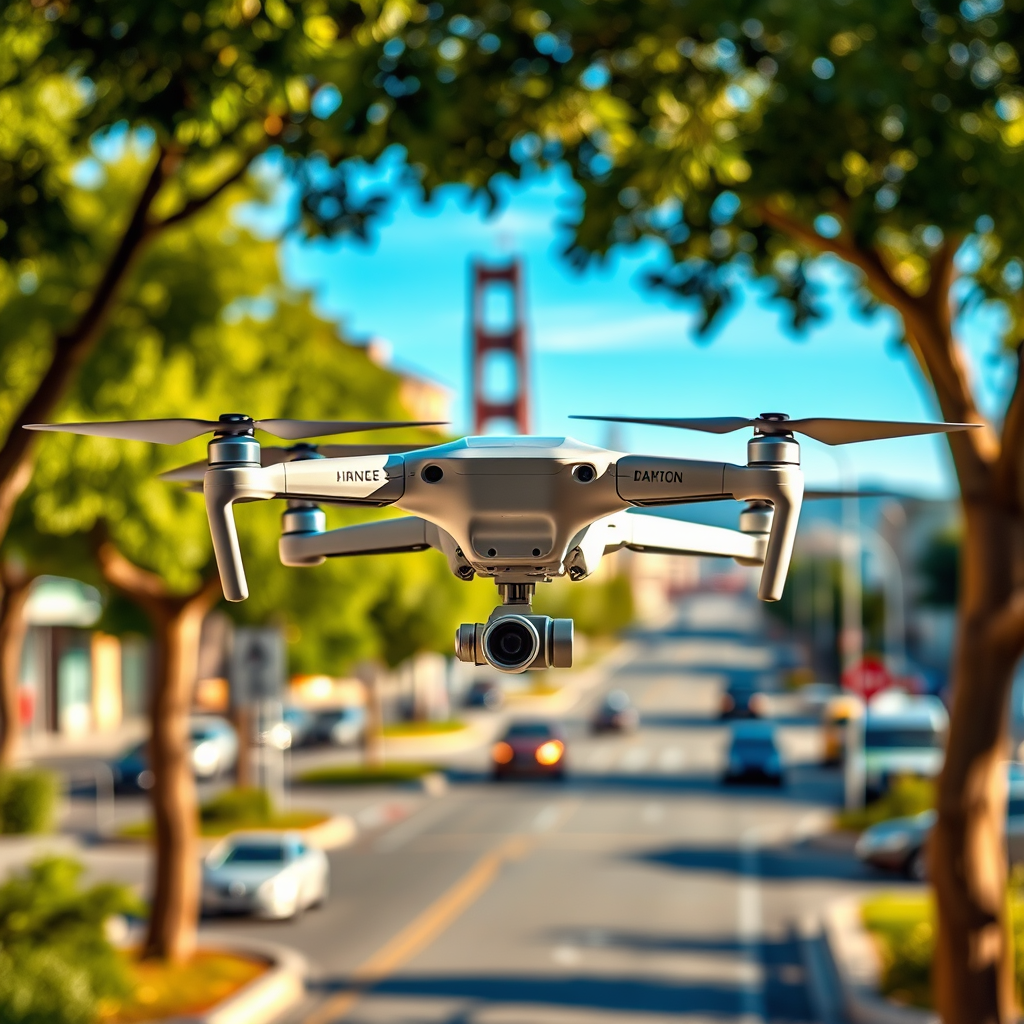
Before taking to the skies, it’s crucial to understand the regulations that govern drone flying in San Francisco. The Federal Aviation Administration (FAA) establishes rules that apply nationwide, such as the requirement to register drones weighing more than 0.55 pounds, adhere to altitude limits of 400 feet, and avoid flying near airports and populated areas. In addition to these federal regulations, San Francisco has its own set of local laws that drone operators must follow. For example, flying is prohibited in certain areas, such as Golden Gate National Park and around significant landmarks like Alcatraz Island. Moreover, local ordinances may require permits for commercial drone use, making it essential to research and ensure compliance with all applicable regulations.
Popular Parks for Drone Flying
San Francisco boasts several parks that serve as ideal locations for drone enthusiasts.
Golden Gate Park
Golden Gate Park is one of the largest urban parks in the United States, covering over 1,000 acres of diverse landscapes. With its expansive meadows, tranquil lakes, and lush gardens, the park provides ample opportunities for breathtaking aerial photography. Notable spots within the park, such as Stow Lake and the Japanese Tea Garden, offer unique perspectives that are truly stunning from above. However, drone pilots must remain mindful of the park’s regulations and respect areas where drone flying may be restricted.
Dolores Park
Dolores Park, located in the Mission District, is another popular spot for drone flying. Known for its open spaces and vibrant community atmosphere, the park allows for unobstructed views and a perfect backdrop for aerial shots of the San Francisco skyline. The park’s layout, combined with its elevated position, provides excellent vantage points for capturing the city’s iconic architecture and picturesque landscapes. Again, it’s essential to be aware of park rules regarding drone operations to ensure a smooth flying experience.
Waterfront Areas for Drone Operations
The waterfront areas of San Francisco are renowned for their stunning views and vibrant atmosphere, making them attractive locations for drone flying.
Embarcadero
The Embarcadero stretches along the eastern shoreline of the city, offering breathtaking views of the San Francisco Bay and landmarks such as the Bay Bridge. This area is particularly appealing for drone pilots seeking to capture dynamic shots of the bustling waterfront and the city skyline. However, pilots must remain vigilant about the proximity to the water and the presence of people, ensuring that they fly responsibly and adhere to any local regulations.
Crissy Field
Crissy Field, located within the Golden Gate National Park, is a prime destination for drone enthusiasts. The park features ample open space and stunning scenery, including sweeping views of the Golden Gate Bridge. The combination of natural beauty and historic significance makes Crissy Field a favorite among both drone pilots and photographers alike. However, it is essential to check the specific rules regarding drone use at this location, as certain restrictions may apply due to the park’s status.
No-Fly Zones to Avoid
When flying a drone in San Francisco, it is imperative to be aware of the no-fly zones to avoid potential legal issues and ensure safety.
Proximity to Airports
One of the most critical considerations for drone pilots is the proximity to airports. San Francisco International Airport (SFO) is located just south of the city, and there are strict regulations concerning drone operations in its vicinity. Pilots must maintain a safe distance from all airports, and it is advisable to consult the FAA’s B4UFLY app, which provides real-time information about flight restrictions based on location.
Restricted Areas
In addition to airport proximity, several other areas in San Francisco are designated as no-fly zones. These include military installations, such as the Presidio, and areas with heightened security, such as federal buildings and certain public spaces. Additionally, drones are prohibited in many national parks, including parts of the Golden Gate National Park, where preserving the natural environment takes precedence. Operators should familiarize themselves with local ordinances and utilize tools like the FAA’s online map to identify restricted zones.
Safety Tips for Flying Drones in Urban Areas
Flying a drone in urban areas presents unique challenges and risks. To ensure a safe and enjoyable experience, consider the following safety tips:
– Maintain Visual Line of Sight: Always keep your drone within your visual line of sight during flight. This practice is essential for avoiding obstacles and ensuring the safety of those around you.
– Be Aware of People and Property: When flying in populated areas, it is crucial to be mindful of people, pets, and property. Avoid flying over crowds, private residences, or any areas where you could inadvertently cause harm or discomfort.
– Check Weather Conditions: Before flying, always check the weather conditions. Windy or rainy days can significantly impact your drone’s performance and stability.
– Pre-Flight Checklist: Conduct a thorough pre-flight checklist, including battery levels, propeller condition, and equipment functionality. Ensuring everything is in order can prevent accidents and equipment failure.
Resources for Drone Enthusiasts
For those looking to enhance their drone flying experience in San Francisco, several resources are available.
Local Drone Clubs and Community Groups
Joining a local drone club is an excellent way to connect with fellow enthusiasts, share experiences, and learn from one another. Clubs often organize meetups, workshops, and group flights, providing invaluable opportunities to improve your skills and stay informed about local regulations.
Online Forums and Websites
Numerous online forums and websites cater to drone enthusiasts, offering tips, resources, and flight maps. Websites like DroneU and the FAA’s official site provide essential information on legal requirements, best practices, and technological advancements in the drone industry. Engaging with these communities can enrich your understanding and foster a supportive network.
Future Developments in Drone Regulations
As the popularity of drones continues to rise, it is essential to stay informed about anticipated changes in drone regulations.
Anticipated Changes in Drone Law
Regulatory bodies are continually assessing and updating drone laws to keep pace with technological advancements and the growing number of drone users. Future regulations may include expanded areas for drone operations, streamlined permitting processes for commercial users, and enhanced safety protocols to minimize risks.
Impact of Technology Advancements
Technological advancements, such as improved drone detection systems and advanced flight automation, may also influence urban drone flying. These innovations could lead to safer flying environments and more effective integration of drones into the urban landscape, allowing for expanded use while maintaining safety and compliance with local laws.
In conclusion, flying a drone in San Francisco can be a rewarding experience if done in the right locations and with respect for regulations. Understanding the local laws, identifying suitable flying spots, and adhering to safety guidelines are paramount for ensuring a successful flight. By staying informed and considering joining local groups, you can enhance your flying skills and knowledge. Happy flying!
Frequently Asked Questions
What are the rules for flying a drone in San Francisco?
When flying a drone in San Francisco, it’s crucial to adhere to both federal and local regulations. At the federal level, the FAA mandates that drone pilots must fly below 400 feet, keep their drone within visual line-of-sight, and avoid flying near airports. Locally, drones are prohibited in many parks, including Golden Gate Park and the Presidio, so it’s essential to check specific park rules before launching your drone.
Where can I legally fly my drone in San Francisco?
Legal spots for flying drones in San Francisco include designated areas such as the northern end of Ocean Beach and specific sections of the Bay Area. However, you should avoid busy urban areas and crowded parks to comply with local regulations. Always look for open spaces away from people and property, and make sure to check for temporary flight restrictions before taking off.
How do I find drone-friendly locations in San Francisco?
To find drone-friendly locations in San Francisco, consider using online tools like drone mapping platforms and apps that highlight areas where flying is permitted. Websites like AirMap can provide real-time information about airspace restrictions and local regulations, helping you locate safe places to fly. Additionally, joining local drone communities or forums can provide insights and recommendations from other drone enthusiasts.
Why are there restrictions on flying drones in certain areas of San Francisco?
Restrictions on flying drones in certain areas of San Francisco exist primarily for safety and privacy concerns. High-traffic areas and landmarks, such as the Golden Gate Bridge or residential neighborhoods, pose risks of accidents and intrusions into personal space. These regulations help ensure the safety of both drone operators and the public while protecting sensitive locations from potential disturbances.
What should I do if I encounter issues while flying my drone in San Francisco?
If you encounter issues while flying your drone in San Francisco, such as technical difficulties or confrontations with bystanders, it’s important to land your drone safely and assess the situation. Always maintain a calm demeanor and be polite if approached by others, explaining that you are following regulations. If you believe a flight restriction was violated, report the incident to local authorities or the FAA for guidance on how to proceed.
References
- https://www.faa.gov/uas/getting_started/where_to_fly
- https://www.sfgov.org/flying-drones-san-francisco
- https://www.nps.gov/goga/planyourvisit/drone-use.htm
- https://www.nationalgeographic.com/science/article/drones-flying-regulations-where-legal
- https://www.sfchronicle.com/bayarea/article/san-francisco-drone-regulations-15920324.php
- https://www.airmaps.com/knowledge-center/drone-flight-restrictions-san-francisco
- https://www.sfgate.com/travel/article/drone-rules-san-francisco-15970320.php
