
You can fly a drone in many scenic and designated areas across Utah, including state parks, national monuments, and open spaces. However, it’s essential to adhere to federal regulations and local laws to ensure a safe and enjoyable experience. This article explores the best locations and considerations for flying your drone in Utah.
Popular Drone-Friendly Locations in Utah
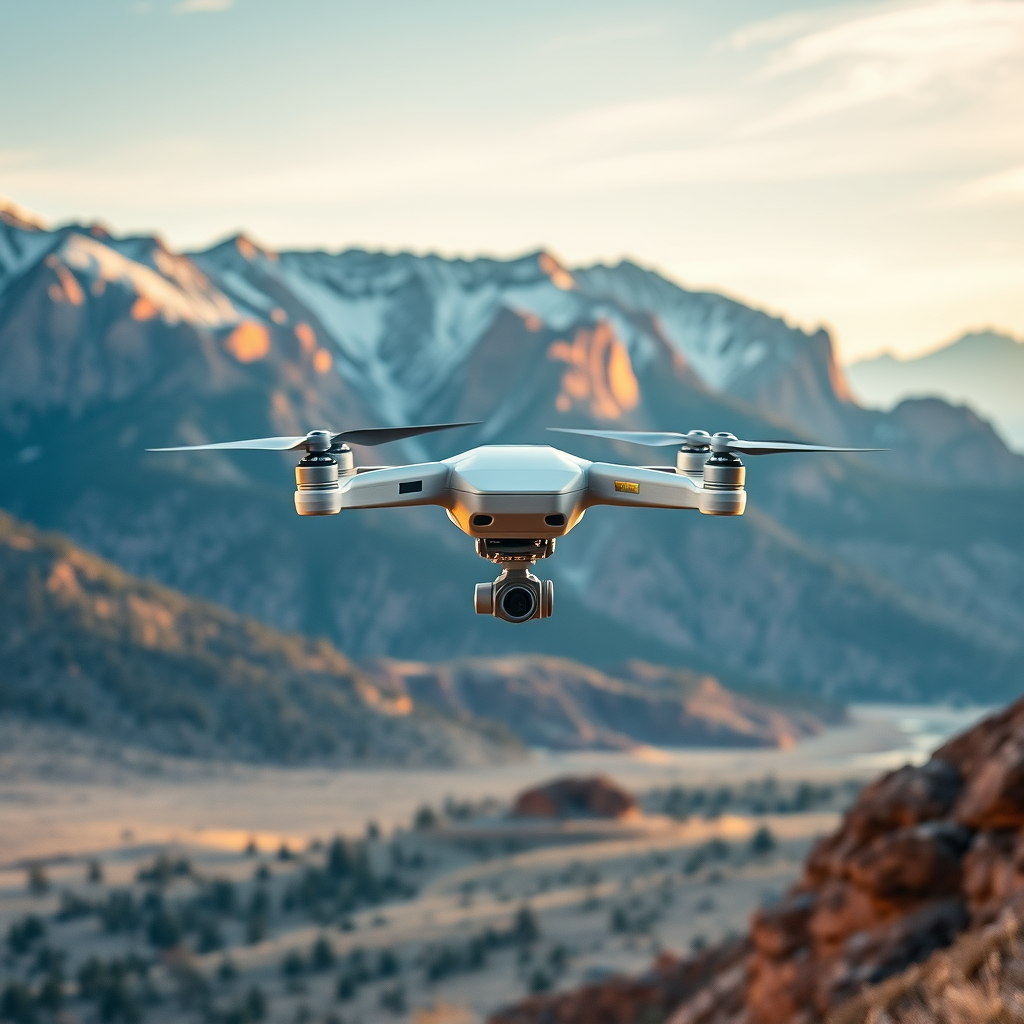
Utah boasts a variety of stunning landscapes that are perfect for drone flying. Among the most popular drone-friendly locations are the state’s numerous state parks and national monuments.
– Utah State Parks: Parks such as Antelope Island State Park and Dead Horse Point State Park offer vast expanses of land with breathtaking views. At Antelope Island, you can capture aerial shots of the Great Salt Lake and its unique wildlife, including bison and various bird species. Similarly, Dead Horse Point provides dramatic vistas of the Colorado River and the surrounding canyonlands, making it a favored spot for drone enthusiasts aiming to capture the beauty of the area from above.
– National Monuments: The Grand Staircase-Escalante National Monument is another prime location for drone flying. Its rugged terrain, colorful rock formations, and expansive landscapes provide a photographer’s dream come true. The area is less crowded than national parks, allowing for a more serene flying experience. Remember to check specific drone regulations for each site, as certain areas within these monuments may have restrictions.
Understanding Federal Regulations
When flying a drone in Utah, understanding federal regulations set by the Federal Aviation Administration (FAA) is crucial to ensuring safety and compliance.
– FAA Guidelines: Familiarize yourself with FAA rules that dictate where and how you can operate your drone. Key regulations include maintaining a maximum altitude of 400 feet, keeping your drone within visual line-of-sight, and avoiding flying over people. Additionally, certain airspace restrictions may apply, particularly near airports and urban areas.
– Registration: Most drones weighing over 0.55 pounds must be registered with the FAA. This process involves providing your drone’s make and model, along with your contact information. Registration helps ensure accountability and is a straightforward way to comply with federal law.
Local Restrictions and No-Fly Zones
While Utah offers many opportunities for drone flying, it’s essential to be aware of local restrictions and no-fly zones that could impact your plans.
– National Parks: Drones are generally prohibited in all national parks in Utah, including popular destinations like Zion National Park and Arches National Park. These regulations are in place to protect wildlife, preserve the natural beauty of the parks, and ensure a peaceful experience for all visitors. Always check the official National Park Service website for the latest updates on drone regulations.
– Wildlife Areas: Certain wildlife areas also have restrictions on drone use to protect local fauna. For example, areas designated for bird nesting or other sensitive habitats may limit drone flights during specific seasons. Always respect these guidelines to avoid disturbing wildlife and to ensure the long-term preservation of these natural spaces.
Best Practices for Safe Drone Flying
Ensuring a safe and enjoyable drone flying experience requires diligent preparation and adherence to best practices.
– Pre-Flight Checklist: Before taking to the skies, always conduct a thorough pre-flight checklist. Verify that your drone’s battery is fully charged, GPS is functioning correctly, and the camera is properly set up for your intended shots. Checking for firmware updates and potential mechanical issues can also prevent mid-flight complications.
– Weather Conditions: Monitoring weather conditions is crucial for safe drone operation. High winds, rain, and storms can significantly impact drone performance and stability. Utilize weather apps or local forecasts to choose optimal flying conditions, aiming for calm, clear days to capture the best aerial footage.
Communities and Resources for Drone Enthusiasts
Joining communities and utilizing resources can enhance your drone flying experience and keep you informed about the latest trends and regulations.
– Local Clubs: Engage with local drone enthusiast clubs, which often host meetups, workshops, and flying events. These clubs provide valuable networking opportunities, allowing you to learn from experienced pilots and share your own experiences. Additionally, they can offer insights into the best local spots for drone flying and photography.
– Online Forums: Online communities, such as those found on Reddit or specialized drone forums, are excellent platforms for staying updated on the latest drone news, tips, and regulatory changes. Participating in these discussions can help you improve your skills, share knowledge, and even collaborate on projects with fellow enthusiasts.
Recommended Drone Models for Utah’s Terrain
When choosing a drone for flying in Utah, consider models best suited for the state’s diverse terrain and weather conditions.
– Lightweight Drones: Opt for lightweight drones that are easily portable and capable of handling wind resistance. Models like the DJI Mini 2 are particularly popular among travelers due to their compact size and impressive performance. These drones can also capture high-quality images and videos, making them ideal for exploring Utah’s picturesque landscapes.
– High-Quality Cameras: Drones equipped with high-quality cameras can significantly enhance your photography experience. Models such as the DJI Air 2S come with advanced camera features, including 5.4K video capabilities and HDR imaging, allowing you to capture stunning visuals of Utah’s natural beauty from unique perspectives.
In conclusion, flying a drone in Utah can be an exhilarating experience if you choose the right locations and follow the necessary regulations. By familiarizing yourself with federal guidelines, respecting local restrictions, and engaging with drone communities, you can enhance your skills and enjoy the breathtaking landscapes that Utah has to offer. Always prioritize safety and stay informed about the best practices for drone flying to ensure a rewarding experience. Happy flying!
Frequently Asked Questions
What are the regulations for flying a drone in Utah?
In Utah, drone operators must adhere to both federal and state regulations. The Federal Aviation Administration (FAA) governs airspace and requires drone pilots to register their drones if they weigh over 0.55 pounds. Additionally, Utah law prohibits flying drones in certain areas, including near schools, state parks, and over private property without permission. Always check local regulations and no-fly zones before operating your drone.
Where are the best places to fly a drone in Utah?
Some of the best places to fly a drone in Utah include the stunning landscapes of Zion National Park, the expansive views at Antelope Island State Park, and the picturesque Great Salt Lake. These locations offer breathtaking scenery and ample open space for drone enthusiasts. However, be sure to verify the specific rules for each site, as some parks may have designated areas for drone use or restrictions in certain zones.
How do I find drone-friendly areas in Utah?
To find drone-friendly areas in Utah, you can utilize online resources such as the FAA’s UAS Facility Maps and local drone community forums. Additionally, apps like AirMap and B4UFLY provide real-time information about airspace restrictions, including no-fly zones and weather conditions. Engaging with local drone clubs can also be a great way to discover recommended flying spots.
Why is it important to check airspace before flying a drone in Utah?
Checking airspace before flying a drone in Utah is crucial to ensure safety and compliance with regulations. Certain areas, such as near airports, military installations, and national parks, have specific restrictions to prevent accidents and protect sensitive environments. Failing to adhere to these regulations can result in fines, damage to your drone, or more severe legal consequences.
Which drone laws should I be aware of in Utah when flying?
When flying a drone in Utah, it’s important to be aware of laws regarding altitude limits (generally 400 feet above ground level), maintaining visual line of sight while flying, and respecting the privacy of others. Additionally, Utah has enacted laws prohibiting drone use for surveillance without consent and restricting flights over certain private property. Familiarizing yourself with these laws will help you fly responsibly and avoid legal issues.
References
- https://www.faa.gov/uas/getting_started/where_to_fly
- https://www.utah.gov/
- https://droneflyers.com/drone-laws-in-utah/
- https://www.nps.gov/articles/drone-regulations-at-national-parks.htm
- https://www.bbc.com/news/technology-48976808
- https://www.theguardian.com/us-news/2020/jun/30/drone-regulations-in-the-us
- https://www.nraila.org/articles/20200205/utah-drones-and-the-law
- https://www.wildlife.utah.gov/drones.html
