
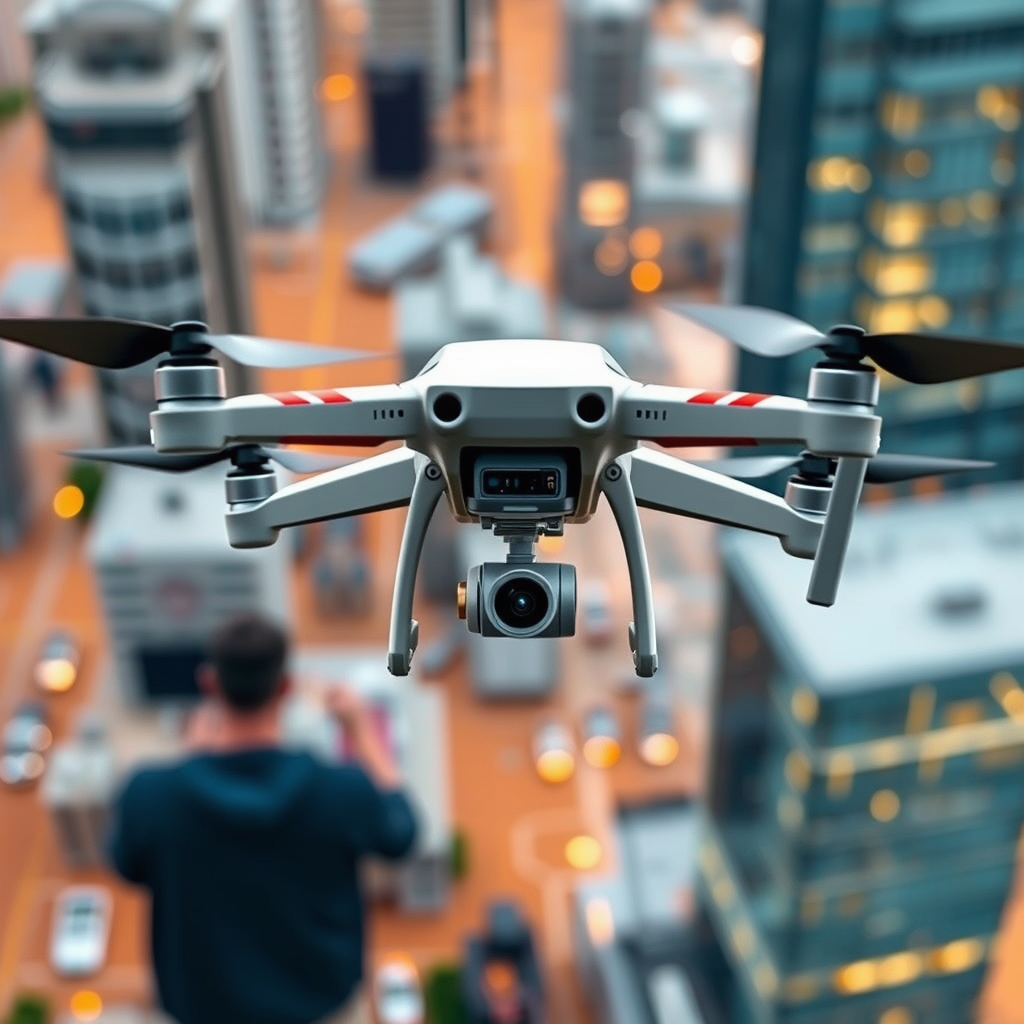
You can legally fly a drone in various locations, including public parks, designated recreational areas, and private properties with permission. However, regulations can vary significantly by country, state, and local jurisdiction. This guide will provide you with essential information on where you can operate your drone safely and legally, ensuring you adhere to the necessary regulations and respect local laws.
Understanding National Regulations
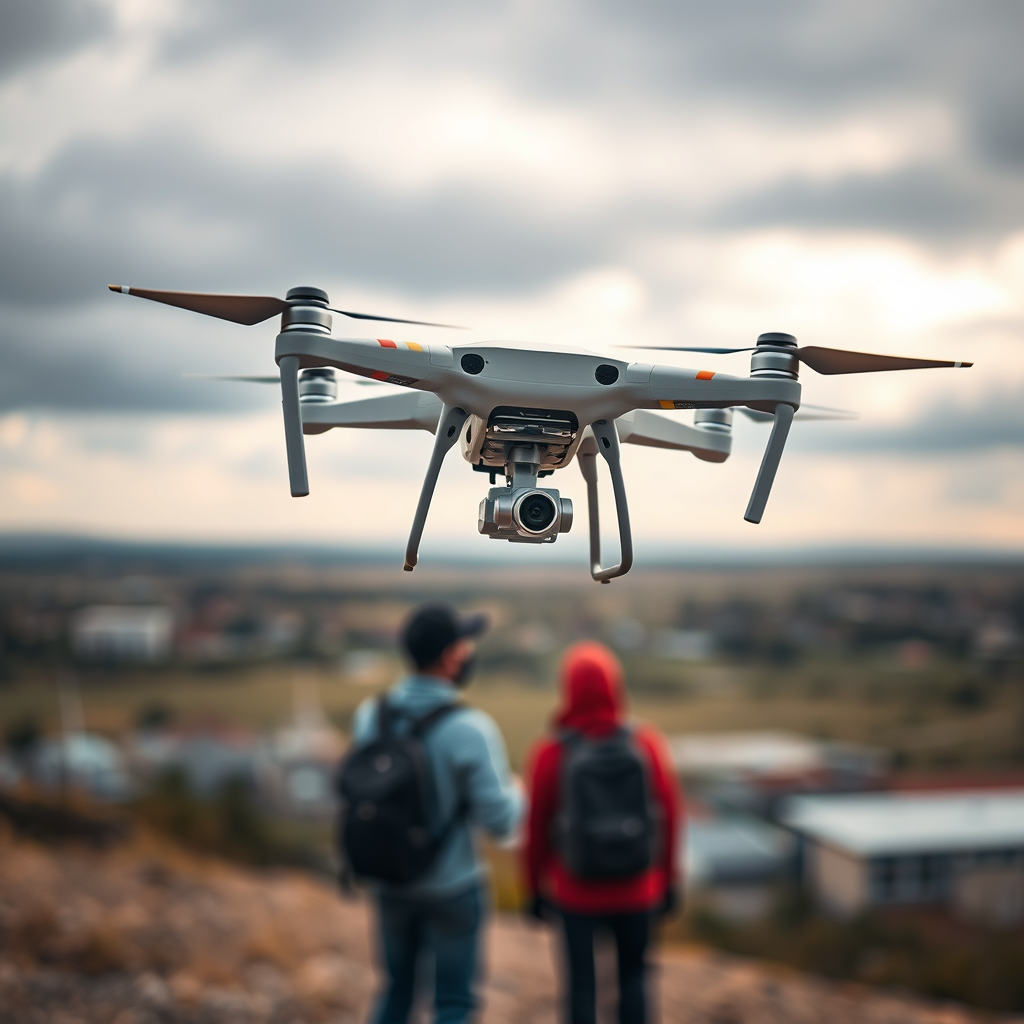
In the United States, drone operation is primarily governed by the Federal Aviation Administration (FAA). The FAA has established comprehensive rules that apply to all drone users, which are crucial for ensuring air safety. For recreational flyers, the FAA mandates that drones must weigh less than 55 pounds and must be flown within the visual line of sight. Additionally, recreational flyers must register their drones and adhere to community-based guidelines, such as not flying over people or moving vehicles.
For commercial drone use, the regulations become more stringent. Operators must obtain a Remote Pilot Certificate, which involves passing an FAA-approved knowledge test. This certification proves that the pilot understands the rules of the airspace and can safely operate a drone for commercial purposes, such as photography, surveying, or delivery services. Furthermore, commercial pilots must comply with specific operational limits, such as flying only during daylight hours and maintaining a maximum altitude of 400 feet.
Understanding these national regulations is crucial for anyone looking to fly drones in the U.S., as they lay the foundation for responsible drone operation.
Local Laws and Restrictions
While national regulations provide a framework, local laws can impose additional restrictions that drone pilots must navigate. Many municipalities have enacted ordinances that specifically address drone usage, often reflecting community concerns related to noise, privacy, and safety. For example, some cities may prohibit drone flying in city parks or near schools, while others may require permits for drone events or gatherings.
It is essential for drone pilots to check local ordinances before flying. Websites like the Academy of Model Aeronautics (AMA) and local government pages often provide updates on drone laws. Engaging with local flying clubs can also help provide insights into specific areas where flying is permitted or restricted. By adhering to these local laws, drone pilots can avoid potential fines and contribute to a more harmonious relationship with their communities.
Popular Locations for Drone Flying
Finding suitable locations for drone flying can enhance the experience while ensuring compliance with regulations. Public parks and open spaces are often favorite spots for recreational drone enthusiasts. Many state parks and nature reserves allow drone flying, provided that pilots adhere to specific guidelines, such as maintaining a safe distance from wildlife and other visitors.
Designated drone flying areas and clubs are also excellent options. Organizations like the AMA offer designated flying fields where members can enjoy flying without the usual restrictions found in urban environments. These fields are equipped with amenities and often host events where drone pilots can share tips, tricks, and experiences. Joining a local drone club can also provide networking opportunities and help pilots stay informed about the best local spots for flying.
Flying on Private Property
Flying a drone over private property is subject to different considerations than flying in public spaces. The most crucial requirement is obtaining permission from the property owner before flying. This not only respects the rights of property owners but also helps maintain positive relationships within the community.
When flying over private land, drone pilots should practice good etiquette. This includes notifying the property owner of the intended flight time, respecting their privacy, and avoiding any behavior that could be perceived as intrusive. Additionally, pilots should be aware of the potential legal implications of flying over private property, especially if their drone captures images or videos that may infringe on the owner’s privacy rights.
No-Fly Zones and Restricted Areas
No-fly zones are designated areas where drone operations are prohibited or heavily restricted due to safety and security concerns. Common no-fly zones include areas around airports, military bases, and certain government facilities. The FAA’s B4UFLY app is a valuable tool that provides real-time information on no-fly zones and restricted airspace, allowing drone pilots to plan their flights accordingly.
Understanding these restrictions is critical to avoid penalties. For instance, flying a drone near an airport can result in serious legal repercussions, including hefty fines and potential criminal charges. Additionally, pilots should remain vigilant about temporary flight restrictions, which can be imposed for events such as wildfires or special security events, further emphasizing the need for diligent pre-flight planning.
Safety and Best Practices
Safety should always be a top priority for drone pilots. To avoid accidents, it is essential to conduct a pre-flight safety check, including verifying that the drone is in working order and that the battery is fully charged. Pilots should also familiarize themselves with the airspace in which they are flying, being aware of any potential hazards such as power lines, trees, and people.
Respecting privacy is another critical aspect of drone operation. Pilots should avoid flying over private property without permission and be mindful of capturing images or videos of individuals without their consent. Adhering to community standards and being considerate of others can foster goodwill and contribute to a positive perception of drone usage in public spaces.
Resources for Drone Pilots
Several resources can assist drone pilots in navigating the regulatory landscape and enhancing their flying experience. The FAA’s website is an excellent starting point for understanding national regulations, while local government websites can provide information on regional laws. Additionally, apps like B4UFLY and Airmap can help pilots determine where they can legally fly by providing maps of no-fly zones and local airspace restrictions.
For those looking to improve their skills, numerous certification and training programs are available. Organizations like the AMA and the FAA provide courses on safe drone operation, flight planning, and airspace awareness. Pursuing these educational opportunities not only enhances flying capabilities but also reinforces the importance of responsible drone piloting.
In summary, understanding where you can legally fly a drone is crucial for both safety and compliance. By following regulations and respecting others’ rights, you can enjoy flying your drone while contributing to a safe and responsible flying community. Always stay informed about local laws and updates to ensure a positive experience, enabling you to fully enjoy the exciting world of drone flying.
Frequently Asked Questions
What are the general regulations for flying a drone legally in the United States?
In the United States, the Federal Aviation Administration (FAA) regulates drone operations. To fly a drone legally, you must register your drone if it weighs over 0.55 pounds, follow the Part 107 guidelines for commercial use, and adhere to specific operational rules such as flying below 400 feet, maintaining visual line of sight, and avoiding flying over people or moving vehicles. Additionally, it’s essential to check local laws as some regions have additional restrictions.
How can I find out where I can legally fly my drone?
To determine where you can legally fly your drone, you can utilize tools like the FAA’s B4UFLY app, which provides real-time information about airspace restrictions, including no-fly zones such as airports and military bases. Additionally, local government websites often provide information on drone regulations specific to your area, including parks and private property restrictions. Always verify local laws before flying to ensure compliance.
Why are some areas restricted for drone flying?
Certain areas are restricted for drone flying primarily due to safety and privacy concerns. Locations near airports and military installations are often off-limits to prevent interference with manned aircraft operations. Additionally, places like national parks and private properties may have restrictions to protect wildlife, preserve natural resources, and respect the privacy of individuals. Understanding these restrictions is crucial for responsible drone operation.
Which states have the most lenient drone laws for recreational flying?
States like Texas, Florida, and Wyoming are known for more lenient drone laws regarding recreational flying. However, even in these states, pilots must still follow FAA regulations and any specific local ordinances. It’s essential to check state and local guidelines, as some areas may have unique rules that could affect where and how you can fly your drone.
What should I do if I accidentally fly my drone in a restricted area?
If you accidentally fly your drone into a restricted area, the first step is to safely and promptly land the drone to avoid any potential collisions or legal issues. After landing, it’s advisable to review the regulations of that airspace and assess the consequences. If you encounter law enforcement, remain calm, explain the situation, and cooperate fully, as ignorance of the law is not typically considered a valid excuse for violations.
References
- https://www.faa.gov/uas/getting_started/where_to_fly
- https://www.nasa.gov/feature/nasa-s-drone-portfolio-where-can-you-fly-a-drone
- https://www.droneadventure.com/where-can-you-fly-a-drone
- https://www.usatoday.com/story/tech/2021/06/15/drone-flying-laws-where-you-can-fly-legally/7741870002/
- https://www.sUASnews.com/2020/02/01/flying-drones-in-the-united-states-what-you-need-to-know/
- https://en.wikipedia.org/wiki/Unmanned_aerial_vehicle#Regulation
- https://www.nrc.gov/docs/ML1605/ML16055A151.pdf
- https://www.dronepilotgroundschool.com/where-can-you-fly-drones/
