
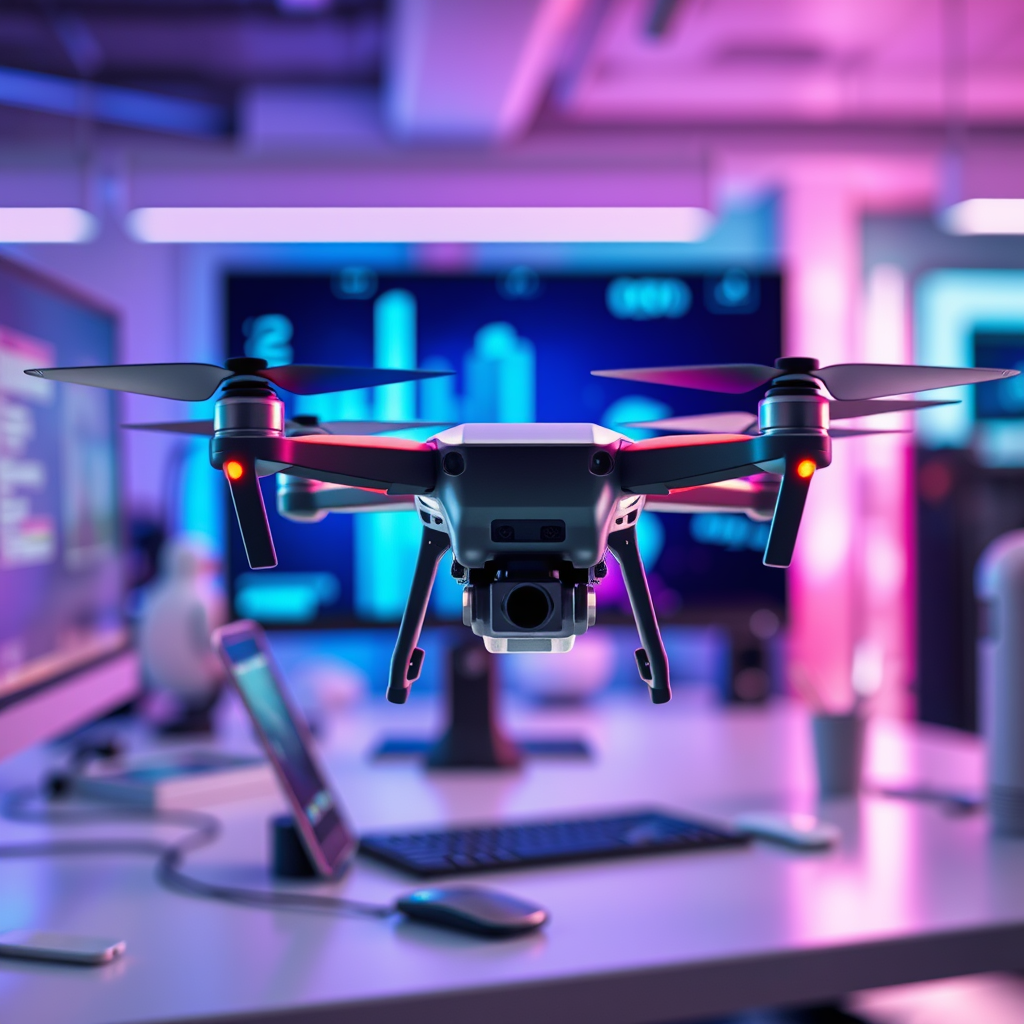
Drones can be employed across numerous industries and activities, providing innovative solutions that enhance efficiency and creativity. Their versatility has made them indispensable tools for professionals in fields like agriculture, construction, and environmental monitoring, as well as for hobbyists who enjoy aerial photography and recreational flying. This article will explore the key areas where drones are making an impact and the opportunities they present for various sectors.
Aerial Photography and Videography
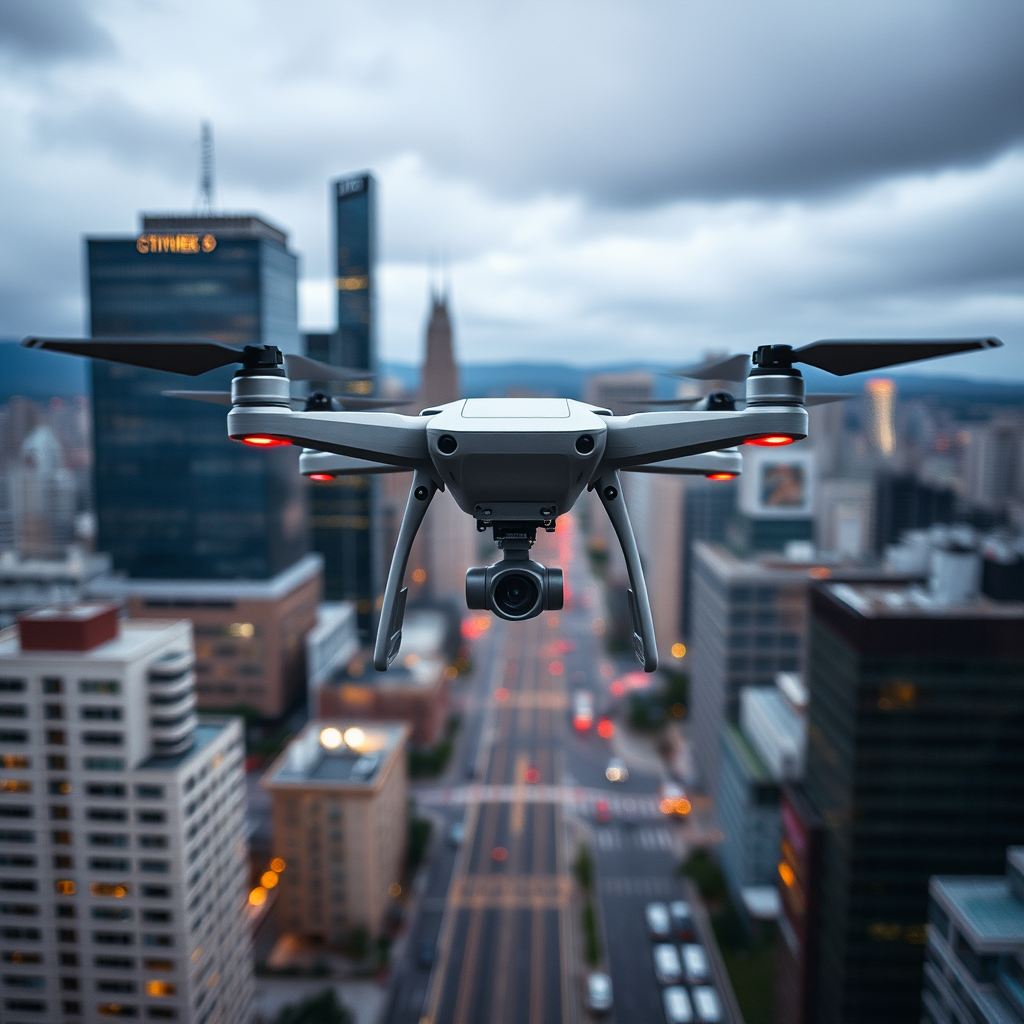
Drones have revolutionized the field of aerial photography and videography, enabling photographers and filmmakers to capture stunning images and videos from unique perspectives. For events such as weddings and sports, drones provide an exceptional vantage point, allowing for sweeping shots that traditional cameras cannot achieve. Filmmakers are increasingly using drones to create cinematic sequences that enhance storytelling and bring a fresh visual dynamic to their projects.
Notably, companies like DJI have developed advanced drone technologies equipped with high-resolution cameras and stabilization features, which allow both professionals and amateurs to produce high-quality content. Additionally, platforms like YouTube and Instagram have seen a surge in drone-related content, showcasing the popularity and demand for aerial imaging. As a result, individuals looking to enter this field can capitalize on the growing market, offering services for real estate listings, promotional videos, and personal events.
Agriculture and Farming
In the agricultural sector, drones are transforming traditional farming practices through precision agriculture. They enable farmers to monitor crop health and growth using advanced aerial imaging technologies such as multispectral and thermal cameras. These devices can identify areas of stress within crops, allowing farmers to apply targeted interventions that optimize yields and reduce resource wastage.
For instance, companies like PrecisionHawk offer drone solutions that analyze crop conditions and recommend irrigation and pesticide applications based on real-time data. This data-driven approach not only enhances productivity but also promotes sustainable farming practices. Additionally, with the integration of drone technology into agricultural management systems, farmers can make informed decisions that lead to better crop management and increased profitability.
Construction and Real Estate
The construction and real estate industries are also reaping the benefits of drone technology. Drones facilitate site surveys and inspections from the air, significantly reducing the time and labor required to gather data. By providing real-time aerial imagery, drones help project managers monitor site progress, assess safety compliance, and identify potential issues before they escalate.
In real estate, drone photography and videography create compelling promotional materials by showcasing properties from an aerial perspective. This approach not only enhances marketing efforts but also gives potential buyers a comprehensive view of the property’s layout and surrounding area. Companies like SkyPixel provide platforms for real estate agents to share aerial footage, making it easier for them to differentiate their listings in a competitive market.
Environmental Monitoring
Drones play a critical role in environmental monitoring by offering a non-invasive means of tracking wildlife populations and their habitats. Researchers and conservationists can use drones to gather data on species distribution, monitor migration patterns, and assess the health of ecosystems without disturbing the wildlife. For instance, the use of drones in the Amazon rainforest has facilitated the monitoring of deforestation and illegal logging activities, providing valuable insights for conservation efforts.
Moreover, drones equipped with LIDAR technology can assess environmental changes such as erosion, land use changes, and natural disasters. This data is crucial for policymakers and environmental organizations to develop strategies for sustainable land management and conservation initiatives. As public awareness of environmental issues grows, the demand for drone-based environmental monitoring solutions will likely increase, creating opportunities for innovation in this field.
Search and Rescue Operations
In emergency situations, drones can significantly enhance search and rescue operations, providing aerial support that enables responders to locate missing persons in challenging terrains. Equipped with thermal imaging capabilities, drones can detect body heat and identify survivors in difficult-to-reach areas, improving the chances of successful rescues.
During natural disasters, drones assist emergency responders by offering real-time situational awareness. They help assess damage, identify hazards, and coordinate rescue efforts more effectively. For example, during the aftermath of Hurricane Harvey, drones were deployed to survey flooded areas, enabling first responders to prioritize their actions and allocate resources efficiently. As drone technology continues to advance, their integration into emergency response protocols will become increasingly vital.
Delivery Services
The logistics and delivery sector is experiencing a transformative shift with the adoption of drone technology. Drones enable fast and efficient delivery of goods, particularly in remote or hard-to-reach areas where traditional delivery methods may face challenges. Companies like Amazon are experimenting with drone delivery systems, aiming to enhance last-mile logistics solutions and reduce delivery times.
Furthermore, drones can be employed to deliver medical supplies, vaccines, and essential goods during emergencies, ensuring timely access to critical resources. For instance, Zipline has successfully implemented drone delivery systems in countries like Rwanda and Ghana to transport blood and medical supplies to remote clinics, saving lives in the process. As regulatory frameworks evolve and technology continues to advance, the potential for drone delivery services will expand, creating new business opportunities.
Recreational Use
Beyond professional applications, drones offer exciting recreational opportunities for enthusiasts. Drone racing has emerged as a popular sport, where pilots navigate through obstacle courses at high speeds, showcasing their skills and agility. Organizations like the Drone Racing League (DRL) have formalized this sport, attracting fans and participants worldwide.
Additionally, hobbyists can engage in aerial photography and videography as a form of artistic expression. Various online communities and clubs exist where enthusiasts share tips, techniques, and experiences related to drone flying and photography. As recreational drone use continues to grow, manufacturers are developing user-friendly models that cater to beginners, encouraging more people to explore this engaging hobby.
In conclusion, drones offer a wide array of applications across multiple sectors, from professional uses in agriculture and construction to recreational activities. Their ability to provide innovative solutions, enhance efficiency, and deliver unique perspectives makes them invaluable tools in today’s world. As technology advances, the opportunities for utilizing drones will continue to expand, presenting exciting prospects for businesses and individuals alike. If you’re curious about how drones can enhance your work or hobbies, consider exploring one of these areas to fully leverage the potential of this remarkable technology.
Frequently Asked Questions
What are the best places to use a drone for photography?
Drones can enhance photography in various stunning locations, including national parks, coastal areas, and urban landscapes. Popular spots for drone photography include the Grand Canyon, New York City, and any scenic beach or mountain range. Always check local regulations and restrictions, as some areas may require permits or have no-fly zones.
How can I use a drone for agricultural purposes?
Drones are increasingly used in agriculture for precision farming, crop monitoring, and field mapping. They can help farmers assess plant health, monitor irrigation systems, and even assist in pesticide or fertilizer application. By providing real-time data and aerial views, drones enable more efficient land management and can lead to increased crop yields.
Why are drones beneficial for real estate marketing?
Drones offer unique aerial perspectives that can showcase properties in a captivating way, making them highly effective for real estate marketing. They allow potential buyers to see the property from various angles and understand its layout in relation to the surrounding area. High-quality aerial footage and photos can significantly enhance online listings and attract more interest.
Which industries are currently using drones for commercial purposes?
Various industries are leveraging drones for commercial applications, including construction, energy, and logistics. In construction, drones are used for site surveys and progress monitoring, while the energy sector utilizes them for inspecting power lines and wind turbines. Additionally, logistics companies are experimenting with drone deliveries to improve efficiency and reduce costs.
What should I consider before using a drone for recreational purposes?
Before flying a drone for recreational use, it’s essential to familiarize yourself with local regulations and airspace restrictions to ensure safe operation. Consider factors like weather conditions, the drone’s battery life, and the area’s privacy concerns. Joining a community of drone enthusiasts can also provide valuable tips and insights for enjoyable flying experiences.
References
- https://en.wikipedia.org/wiki/Drone
- https://www.faa.gov/uas/
- https://www.nasa.gov/mission_pages/earthscience/technology/drones.html
- https://www.ncbi.nlm.nih.gov/pmc/articles/PMC6117854/
- https://www.abc.net.au/news/2021-02-21/drones-in-agriculture-how-farmers-are-using-technology/13153884
- https://www.sciencedirect.com/science/article/pii/S235197892100012X
- https://www.itu.int/en/ITU-T/focusgroups/ai4good/Pages/default.aspx
- https://www.theguardian.com/environment/2021/may/12/drones-used-to-monitor-pollution-in-the-air-and-sea
- https://www.mdpi.com/2504-446X/4/1/24
