
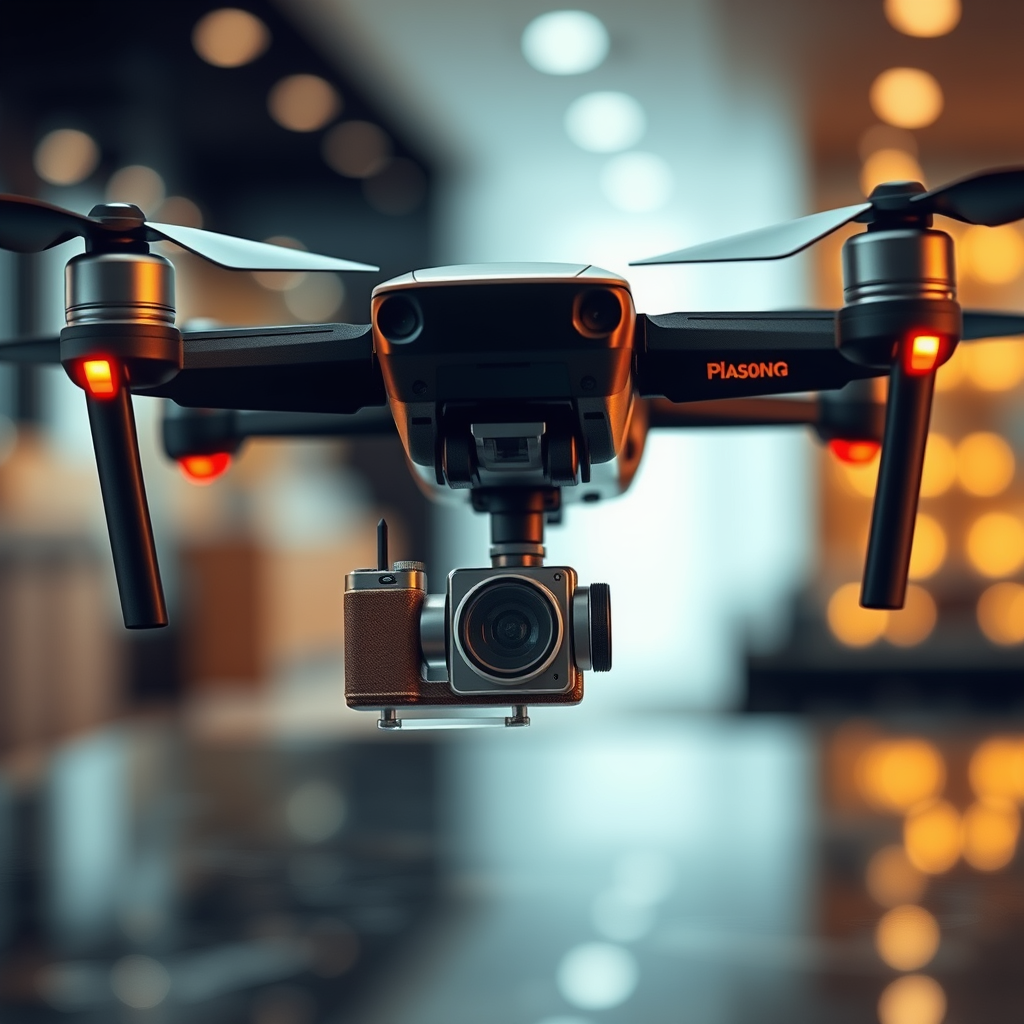
Drones capable of carrying items have revolutionized multiple industries by enabling efficient and innovative solutions for transporting goods. These advanced aerial vehicles are designed for various payload capacities and applications, making them essential tools in sectors such as delivery services, agriculture, and emergency response. This blog provides a detailed overview of some of the leading drone models, their weight capacities, applications, regulatory considerations, future trends, and essential tips for selecting the right drone for your needs.
Popular Drone Models for Carrying Items
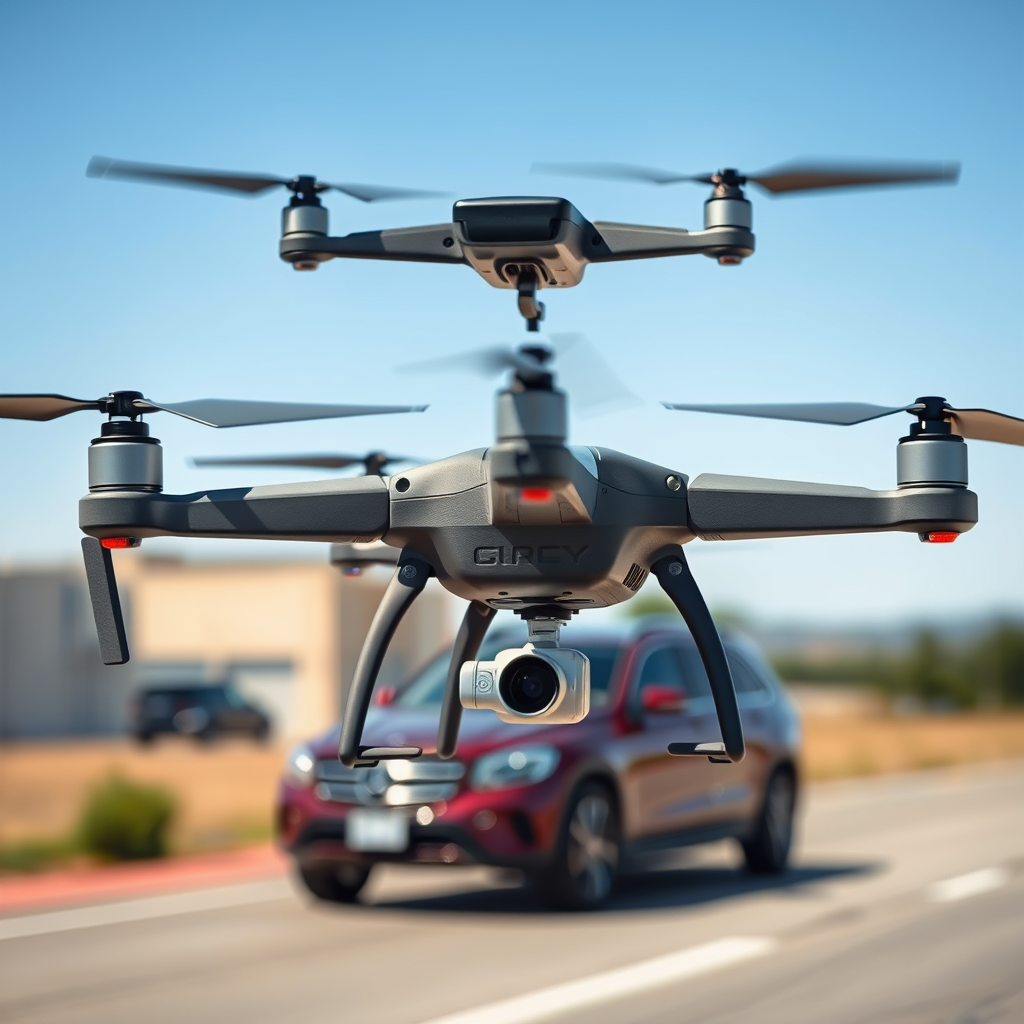
When it comes to drones that can carry items, several models stand out due to their advanced features and reliable performance.
– DJI Matrice 600: This drone is well-known for its heavy-lift capabilities, supporting a maximum payload of up to 6 kg. The Matrice 600 is ideal for professional uses such as aerial cinematography and industrial inspections. It features a robust design and can integrate with various cameras and sensors, making it a versatile choice for carrying a range of items. The drone’s advanced flight control system ensures stability and precision during operations, which is crucial when transporting valuable equipment or sensitive materials.
– Amazon Prime Air Drone: Designed specifically for fast delivery, the Amazon Prime Air drone is engineered to transport lightweight packages, typically under 2.5 kg. This drone leverages sophisticated navigation technology and aerial autonomy to navigate urban environments efficiently. The Prime Air service aims to deliver packages to customers within 30 minutes of ordering, showcasing the potential of drones in the logistics and e-commerce sectors. With an emphasis on rapid deployment, Amazon continues to refine this technology to enhance delivery speed and reliability.
Weight Capacity of Drones
Understanding the weight capacity of drones is critical for selecting the appropriate model for your needs.
– Light-duty Drones: These drones typically carry payloads of up to 2 kg, making them suitable for small packages such as documents, medical supplies, or personal items. Models like the DJI Phantom 4 can be used for light-duty tasks, providing a balance between functionality and ease of use. Light-duty drones are often favored by small businesses and educational institutions for their cost-effectiveness and user-friendly interfaces.
– Heavy-duty Drones: On the other hand, heavy-duty drones are capable of handling payloads of 5 kg and above, which is ideal for larger items such as agricultural supplies, equipment, or multiple packages. The Freefly Alta 8, for instance, can support a payload of up to 8 kg, making it an excellent option for professional filmmakers, agricultural applications, and emergency relief operations. These drones often come equipped with advanced stabilization systems to ensure safe transport of heavier loads.
Applications of Carrying Drones
Drones designed for carrying items are being utilized across various industries, demonstrating their versatility and effectiveness.
– Delivery Services: Companies like Amazon, UPS, and DHL are pioneering the use of drones for efficient package delivery. These drones streamline logistics by reducing delivery times and operational costs. For example, UPS has initiated pilot programs utilizing drones to deliver medical supplies to remote locations, highlighting the potential for drones to serve critical needs in healthcare. The integration of drones into existing delivery networks is expected to continue growing, providing customers with faster and more reliable service.
– Agricultural Support: In agriculture, drones equipped with sensors can monitor crop health, assess irrigation needs, and even carry supplies such as seeds or fertilizers. Drones like the DJI Agras MG-1 are specifically designed for agricultural applications, capable of spraying pesticides and fertilizers over large fields. This not only increases efficiency but also minimizes the environmental impact by ensuring precise application of chemicals.
Drone Regulations and Restrictions
Navigating the regulatory landscape is essential for anyone looking to utilize drones for commercial purposes.
– FAA Guidelines: In the United States, the Federal Aviation Administration (FAA) has established specific guidelines governing the use of drones, especially for commercial operations. Drones must adhere to weight limits, flight altitude restrictions, and operational protocols to ensure safety. For example, commercial drone pilots must obtain a Part 107 certification to operate drones for business purposes. Understanding and complying with these regulations is crucial to avoid legal issues and ensure safe operations.
– Local Laws: Regulations can vary significantly based on geographical location, so it’s essential to be aware of local laws governing drone operations. Some regions may impose stricter rules regarding where drones can be flown, while others may have specific requirements for registration and insurance. Conducting thorough research is vital to ensure that drone operations are compliant with all applicable regulations.
Future Trends in Carrying Drones
The future of carrying drones is promising, with several trends shaping their development and application.
– Technological Advancements: Innovations in artificial intelligence (AI) and battery technology are enhancing the capabilities of carrying drones. AI can optimize flight paths, improve obstacle avoidance, and enable autonomous operations, making drones more efficient and safer. Furthermore, advancements in battery efficiency and energy density are extending flight times and increasing payload capacities, which will significantly enhance operational capabilities.
– Expanding Use Cases: As the technology matures, the use of carrying drones is expected to expand into new sectors, such as healthcare and emergency response. For instance, drones are being tested for delivering medical supplies, vaccines, and even organs for transplant. The COVID-19 pandemic has accelerated interest in using drones for contactless delivery of essential items, showcasing their potential to meet urgent needs in crisis situations.
Selecting the Right Drone for Your Needs
Choosing the right drone involves a careful assessment of your specific requirements and operational environment.
– Assess Payload Requirements: Start by determining the weight and type of items you plan to transport. This will help narrow down your options to drones that can safely carry your intended payload. Consider the dimensions of your items as well; some drones may have specific payload configurations that could affect transportability.
– Consider Flight Range: Evaluate how far the drone can travel while carrying your load. Flight range is influenced by factors such as battery life and weight, so it’s important to choose a drone that can meet your delivery needs without frequent recharging. Drones with longer flight ranges are particularly beneficial for applications in rural or hard-to-reach areas.
In conclusion, the market for drones capable of carrying items is rapidly evolving, with various models catering to different industries and payload requirements. From the heavy-lift capabilities of the DJI Matrice 600 to the rapid delivery focus of the Amazon Prime Air drone, there is a solution for every need. Understanding weight capacities, applications, and regulatory considerations is crucial for making informed decisions. As technology continues to advance and new use cases emerge, the potential for carrying drones will expand, offering exciting opportunities for businesses and consumers alike.
Frequently Asked Questions
What types of drones are capable of carrying payloads?
Drones that can carry payloads typically fall into two main categories: consumer drones and commercial drones. Consumer drones, like the DJI Mavic series, can carry lightweight items such as small cameras or accessories, while commercial drones, such as the DJI Matrice series or the Freefly Alta, are designed for heavier loads and can transport equipment, agricultural supplies, or even medical supplies for delivery. When choosing a drone for carrying items, always check the manufacturer’s specifications for maximum payload capacity.
How much weight can a typical drone carry?
The weight a drone can carry varies significantly based on its design and purpose. Most consumer drones can handle payloads ranging from 0.5 to 2.5 kilograms (1 to 5.5 pounds), while professional-grade drones can support loads of up to 10 kilograms (22 pounds) or more. It’s essential to consider the drone’s thrust-to-weight ratio and battery life when calculating how much weight it can effectively carry without compromising flight stability and performance.
Why would I need a drone that can carry things?
Drones capable of carrying payloads offer various practical applications, making them invaluable in several fields. They are widely used in agriculture for crop monitoring and pesticide spraying, in construction for delivering tools and materials to hard-to-reach areas, and in emergency services for transporting medical supplies or conducting search and rescue operations. Investing in a drone that can carry items can enhance productivity and efficiency across various industries.
What are the best drones for carrying heavy payloads?
Some of the best drones for carrying heavy payloads include the DJI Matrice 600, which can handle up to 6 kilograms (13 pounds) and is popular in film production, and the Freefly Alta X, known for its impressive 15-kilogram (33-pound) capacity, making it suitable for industrial applications. The Yuneec Tornado H920 is another excellent option, designed for professional use with a payload capacity of around 3 kilograms (6.6 pounds). When selecting a drone, consider both the payload capacity and the specific use case to ensure it meets your needs.
Which regulations apply to drones carrying payloads?
Drones that carry payloads must comply with specific regulations set by aviation authorities, such as the FAA in the United States. These regulations typically include weight limitations, operational height restrictions, and requirements for obtaining a Remote Pilot Certificate if the drone is used for commercial purposes. It’s crucial to familiarize yourself with local laws and obtain any necessary permits before using a drone for carrying items to avoid fines or legal issues.
References
- https://en.wikipedia.org/wiki/Drone_delivery
- https://www.faa.gov/uas/
- https://www.nytimes.com/2021/10/20/technology/drones-delivery.html
- https://www.reuters.com/technology/drones-delivery-2021-10-12/
- https://www.sciencedirect.com/science/article/abs/pii/S0925537318302229
- https://www.techcrunch.com/2022/03/09/how-drones-are-changing-delivery/
- https://www.bbc.com/future/article/20210302-how-drones-could-revolutionise-delivery
- https://www.nasa.gov/mission_pages/landing/drones.html
