
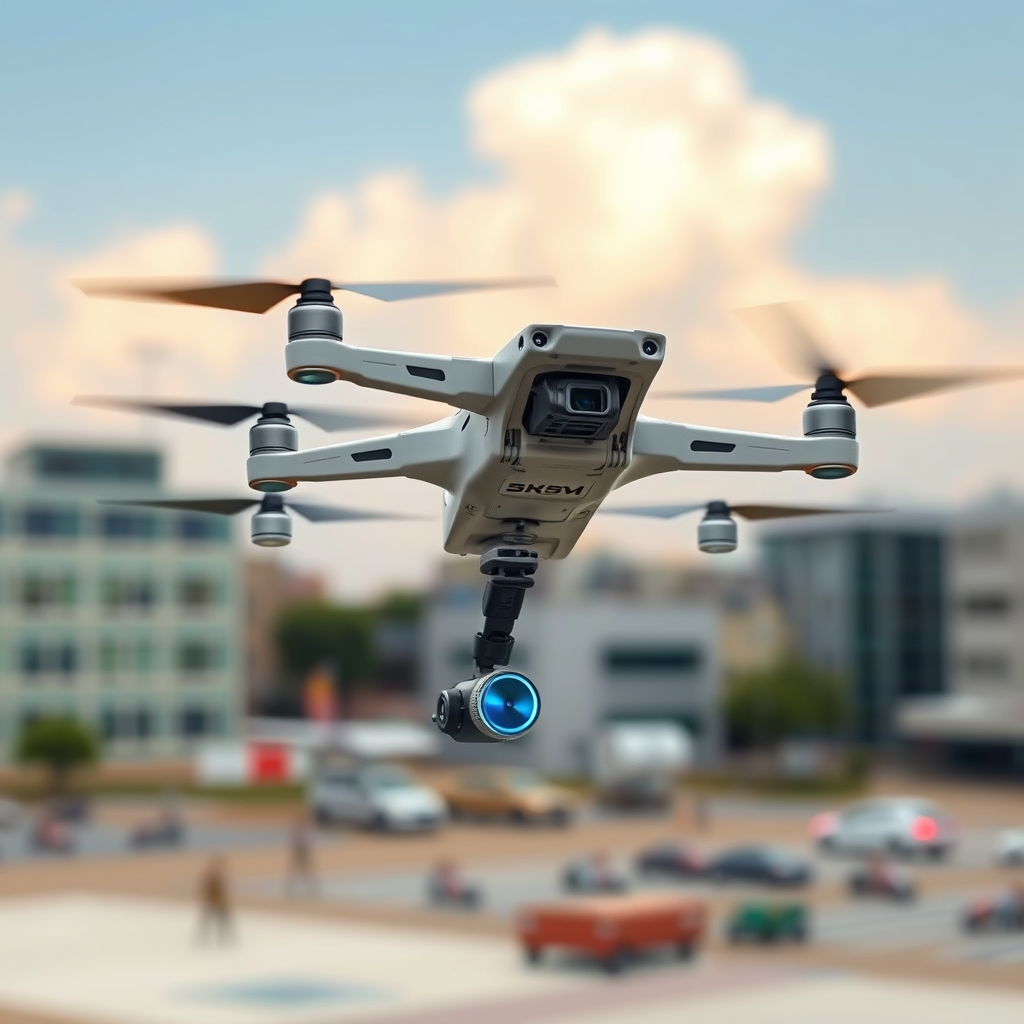
Yes, a drone can crash a plane, though such incidents are rare. The potential for a drone to cause significant damage to an aircraft primarily arises during critical phases of flight, such as takeoff and landing. As drones become increasingly popular and accessible, understanding the risks they pose to aviation safety is essential. This article will explore the mechanics behind drone and plane interactions, historical incidents, regulatory measures, safety precautions, and the future of drone safety in aviation.
The Mechanics of Drone-Plane Collisions
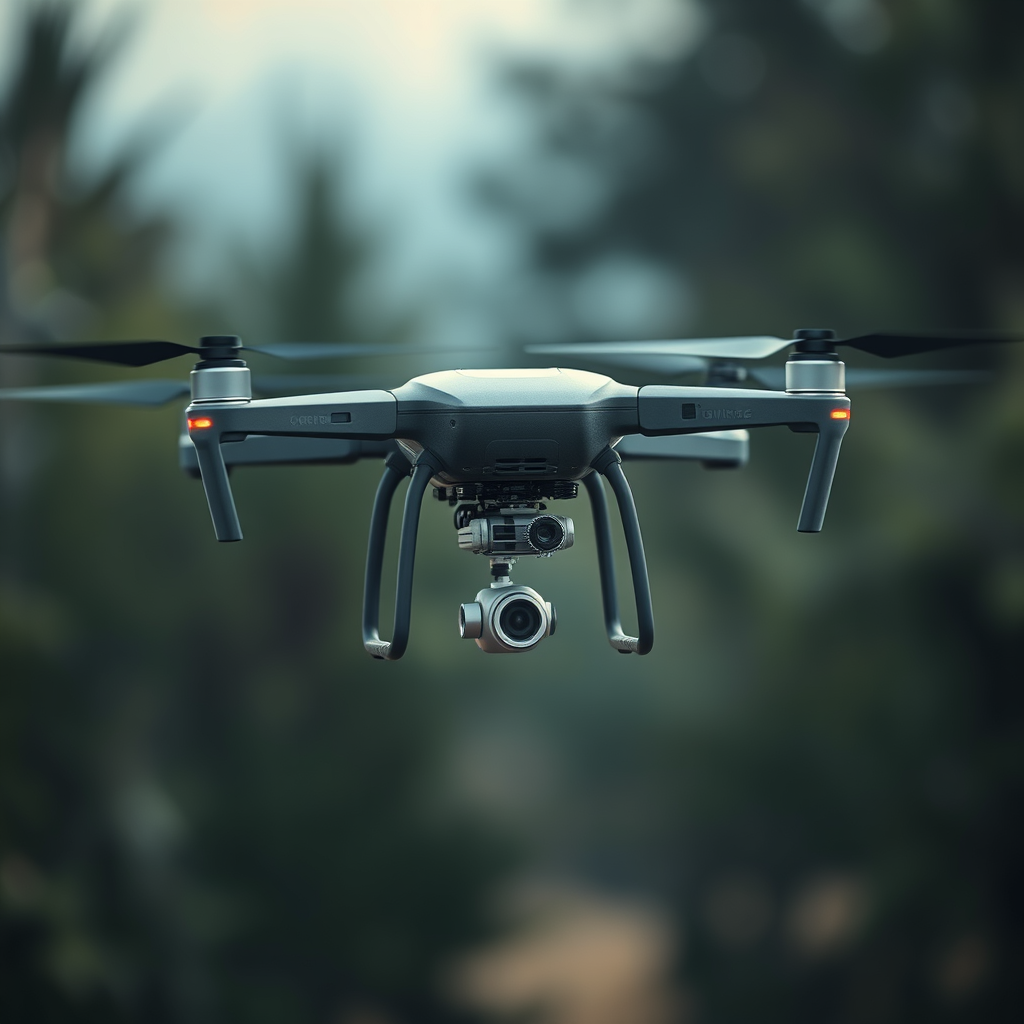
Drones are capable of flying at altitudes that often overlap with commercial aircraft traffic, particularly in proximity to airports. Most commercial airliners operate at altitudes between 3,000 and 10,000 feet during takeoff and landing, which coincides with typical drone flight paths. A collision between a drone and an aircraft could lead to catastrophic outcomes, depending on various factors such as the size, weight, and speed of the drone, as well as the type of aircraft involved.
For instance, a small consumer drone, while lightweight, could still cause substantial damage if it strikes a critical part of an aircraft, such as the engine or the cockpit. The Federal Aviation Administration (FAA) has reported that even small drones can cause significant structural damage to planes, particularly during high-speed encounters. The risk is exacerbated by the lack of visibility that pilots have during takeoff and landing, making it difficult to detect drones in their flight path.
Historical Incidents and Case Studies
In recent years, there have been several notable incidents where drones have interfered with flight paths, raising alarms about aviation safety. One of the most concerning incidents occurred in 2017 when a drone came dangerously close to a commercial airliner while it was on approach to land at the London Heathrow Airport. The pilots reported that the drone passed just a few feet from the plane, prompting an investigation by aviation authorities.
Another significant event took place in 2019 when a drone was spotted flying near New York’s LaGuardia Airport, leading to temporary air traffic disruptions. These incidents illustrate the potential dangers posed by drones to commercial aviation and highlight the need for stringent regulations and safety measures.
The implications of these near-misses have led to increased scrutiny of drone operations, particularly in areas surrounding airports. Authorities have recognized that even minor collisions could lead to severe consequences, prompting discussions about how to improve detection and response systems to prevent such incidents.
Regulatory Framework for Drones
To mitigate the risks associated with drone operations, a comprehensive regulatory framework has been established to govern drone usage, especially around airports and restricted airspace. In the United States, the FAA has implemented regulations that require drone operators to follow specific guidelines, including altitude restrictions and no-fly zones.
For instance, drones are prohibited from flying within a five-mile radius of airports unless the operator has received prior authorization from the FAA. Additionally, commercial drone operators must obtain a Remote Pilot Certificate, which involves passing an examination that covers regulations, weather, and operating procedures. These measures are designed to ensure that drone operators are knowledgeable about safe flying practices and the potential risks associated with their devices.
Internationally, many countries have adopted similar regulations aimed at safeguarding airspace. Organizations such as the International Civil Aviation Organization (ICAO) have also been involved in creating guidelines for drone operations, emphasizing the importance of maintaining safety and security in aviation.
Safety Measures in Aviation
In response to the growing concerns about drone-related incidents, airlines and airports are enhancing their safety protocols to mitigate risks. One significant development has been the implementation of advanced technology designed to detect and manage drone threats. Systems such as radar and radio frequency detection have been deployed at several major airports to monitor drone activity in real-time.
Moreover, airports are increasingly collaborating with law enforcement and drone manufacturers to develop counter-drone technologies. These technologies can identify unauthorized drones and, in some cases, safely disable them to prevent potential collisions. For example, some airports have tested systems that use jamming techniques or even drone interceptors to neutralize threats before they become a danger to aircraft.
Additionally, airlines are investing in training programs for their crew members to help them better understand the risks posed by drones and how to respond in the event of a near-miss scenario. This proactive approach can enhance the overall safety of air travel and provide pilots with the tools they need to navigate potential drone encounters.
Public Awareness and Education
Educating drone operators about safe flying practices is crucial to reducing drone-related incidents, particularly near airports. Many drone enthusiasts may not be fully aware of the regulations governing drone usage or the potential risks their devices pose to aviation safety. Therefore, public awareness initiatives are essential.
Community programs, workshops, and online resources aimed at informing drone operators about safe practices have emerged in various regions. These initiatives often emphasize the importance of understanding airspace regulations, maintaining visual line-of-sight while flying, and avoiding restricted areas such as airports.
Additionally, collaboration between aviation authorities, drone manufacturers, and community organizations can help foster a culture of safety among drone operators. By promoting responsible flying practices, it becomes possible to significantly reduce the likelihood of drone-related incidents.
Future of Drone Safety in Aviation
As drone technology continues to evolve, new solutions are being developed to enhance safety and prevent drone-planes collisions. Emerging technologies such as drone detection systems and automated air traffic management tools are on the horizon, promising to improve the integration of drones into national airspace.
For example, advancements in artificial intelligence and machine learning could lead to more sophisticated detection systems capable of identifying drones and assessing their flight paths in real-time. Such technologies could provide air traffic controllers and pilots with critical information, allowing them to make informed decisions to avoid potential collisions.
Moreover, regulatory frameworks may undergo further changes to adapt to the rapidly evolving drone landscape. As the number of drone operators increases, there may be a push for more stringent licensing and training requirements, ensuring that all operators are equipped with the necessary knowledge to fly safely.
In conclusion, while drones can indeed crash into planes, ongoing efforts in regulation, technology, and education are crucial in minimizing this risk. Historical incidents highlight the potential dangers, while regulatory frameworks and safety measures aim to mitigate these threats. Collaborative efforts between aviation authorities and drone operators are essential to ensure airspace safety, emphasizing the need for responsible flying practices. Staying informed about these developments and practicing safe flying is vital for all stakeholders involved in aviation.
Frequently Asked Questions
Can a drone actually crash into an airplane?
Yes, a drone can potentially crash into an airplane, particularly during takeoff and landing when aircraft are flying at lower altitudes. Incidents have been reported where drones have collided with planes, posing serious risks to aviation safety. The Federal Aviation Administration (FAA) emphasizes the importance of maintaining safe distances and following regulations to prevent such dangerous encounters.
What are the consequences of a drone colliding with a plane?
The consequences of a drone colliding with a plane can be severe, potentially leading to injuries or fatalities among passengers and crew. Damage to the aircraft could also result in emergency landings or crashes, leading to significant economic losses and legal ramifications for the drone operator. Additionally, such incidents can trigger stricter regulations governing drone usage in airspace.
How can drone operators prevent collisions with airplanes?
Drone operators can prevent collisions with airplanes by adhering to local regulations, maintaining visual line of sight, and avoiding no-fly zones, especially around airports. Utilizing technology such as geofencing can help operators stay informed about restricted areas. Moreover, always checking weather conditions and flight paths can further minimize the risk of unintentional encounters with manned aircraft.
Why are drones considered a threat to aviation safety?
Drones are considered a threat to aviation safety because they can operate in the same airspace as manned aircraft without proper regulation or oversight. Their small size makes them difficult to detect, and a collision, even with a small drone, can cause significant damage to an aircraft. Incidents involving drones have raised concerns among aviation authorities about the need for stricter regulations and enhanced safety measures to protect both air travel and drone operations.
Which drones pose the highest risk to planes?
Larger drones, such as those used for commercial purposes or heavier hobbyist models, pose the highest risk to planes due to their size and weight, which can cause substantial damage upon impact. Additionally, drones equipped with cameras or payloads can be particularly hazardous if they collide with an aircraft. Understanding the capabilities and regulations surrounding these drones is essential for both operators and aviation authorities to mitigate potential risks.
References
- https://en.wikipedia.org/wiki/Drone_incidents_in_the_United_States
- https://www.faa.gov/uas/resources/publications/media/uas_fact_sheet.pdf
- https://www.nytimes.com/2019/06/24/us/drone-airplane-collision.html
- https://www.reuters.com/article/us-usa-drone-airplanes-idUSKCN1RZ2B3
- https://www.theguardian.com/us-news/2020/jan/28/drone-aircraft-collision-risk-study
- https://www.cnbc.com/2021/07/16/drone-and-airplane-collisions-are-dangerous.html
- https://www.sciencedirect.com/science/article/pii/S2352146519303994
