
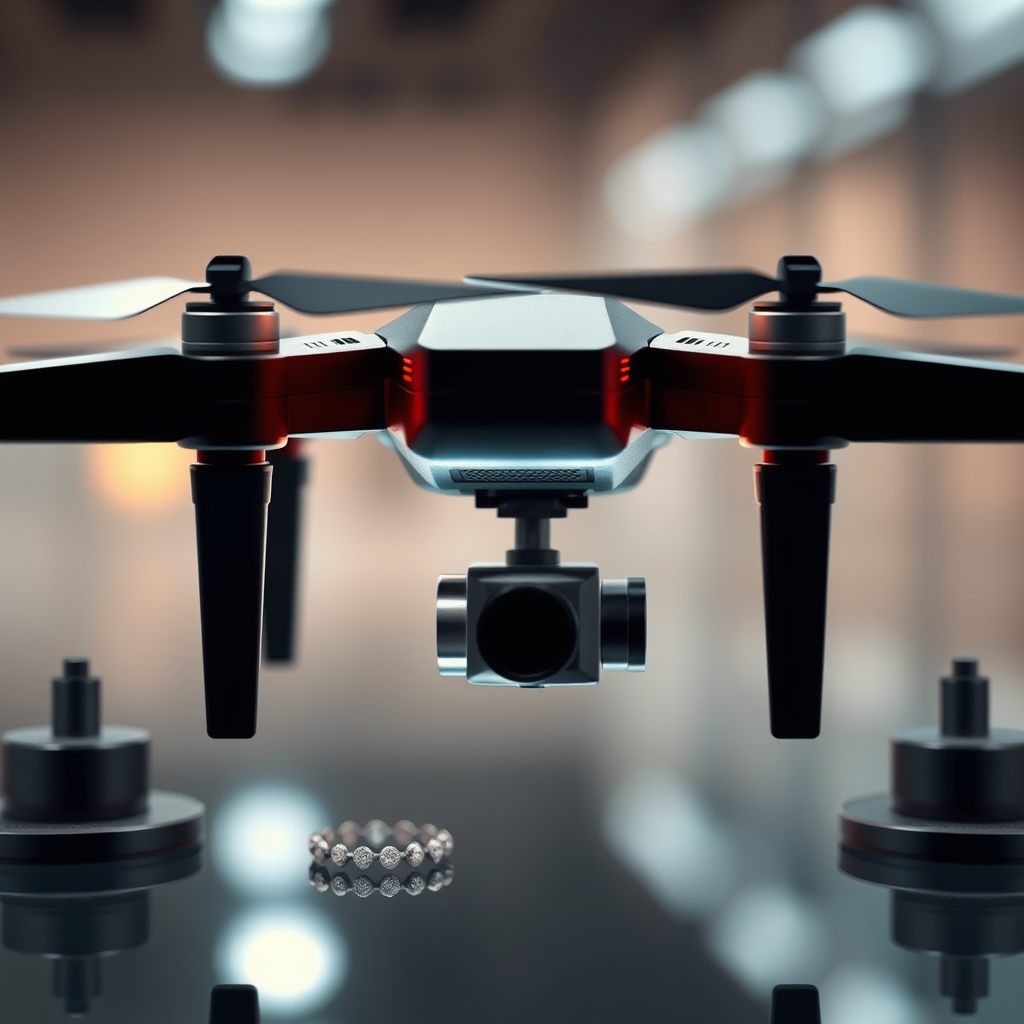
Yes, drones can detect radiation using specialized sensors and technology. These advancements make it easier to monitor and assess radiation levels in various environments, enhancing safety and response strategies. By integrating sophisticated detection equipment with unmanned aerial vehicles (UAVs), professionals can efficiently gather data in situations that would otherwise pose significant risks to human operators. This capability represents a crucial evolution in radiation monitoring, offering innovative solutions for various sectors, including environmental safety and emergency response.
Understanding Radiation Detection
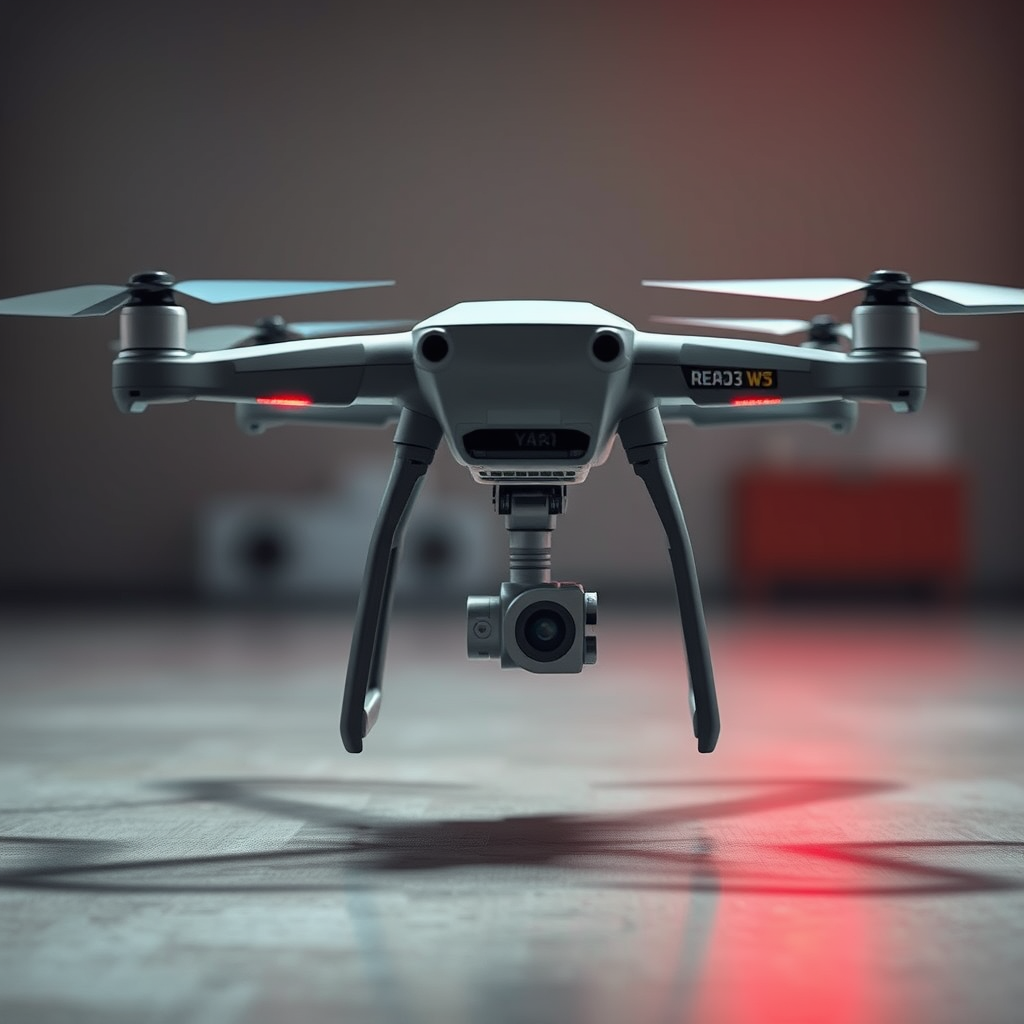
Radiation refers to the emission of energy in the form of particles or electromagnetic waves. It is classified into two primary types: ionizing radiation and non-ionizing radiation. Ionizing radiation, which includes alpha particles, beta particles, gamma rays, and X-rays, has sufficient energy to remove tightly bound electrons from atoms, potentially causing cellular damage and increasing cancer risk. Non-ionizing radiation, on the other hand, includes lower-energy waves like radio waves, microwaves, and visible light, which do not possess enough energy to ionize atoms.
Radiation detection operates on principles that measure the energy emitted by radioactive materials and the interaction of high-energy particles with matter. Detection methods typically involve the use of various sensors that respond to specific types of radiation. The most common techniques include scintillation counting, which measures light emitted by certain materials when they interact with radiation, and ionization chambers that detect charged particles generated by radiation in a gas.
How Drones are Equipped for Detection
To enable radiation detection, drones are outfitted with specific types of sensors that can accurately measure radiation levels. The most prevalent sensors include Geiger counters and scintillation detectors. Geiger counters are widely recognized for their reliability and ease of use; they click or beep when they detect ionizing radiation. Scintillation detectors, on the other hand, are known for their sensitivity and speed, utilizing special crystals that produce flashes of light when they encounter radiation.
Integrating these sensors with drone technology involves mounting them on UAVs designed to carry additional payloads. Drones equipped with radiation sensors can fly over areas of interest, allowing them to gather data from a safe distance. This combination of aerial capabilities and advanced detection technology allows for real-time monitoring, making it easier to assess radiation levels over large and potentially hazardous areas.
Applications of Radiation-Detecting Drones
Radiation-detecting drones have a wide range of applications, particularly in environmental monitoring and emergency response. In the context of environmental monitoring, these drones can be deployed to assess radiation levels around nuclear power plants, during natural disasters such as earthquakes or tsunamis, and in the aftermath of incidents involving hazardous materials. For instance, following the Fukushima Daiichi nuclear disaster in Japan, drones equipped with radiation sensors were extensively used to assess contamination levels and support cleanup efforts.
In emergency response scenarios, these drones can provide critical information rapidly. They can be utilized to survey contaminated areas, helping first responders to identify hotspots and assess the extent of radiation exposure. This capability not only facilitates quicker decision-making but also ensures that human responders are kept out of harm’s way during dangerous missions.
Benefits of Using Drones for Radiation Detection
The implementation of drones for radiation detection presents multiple advantages. First and foremost, they significantly enhance safety for human workers. By using drones to access potentially dangerous environments, organizations can limit human exposure to harmful radiation. This is especially crucial in situations where radiation levels are unknown or fluctuating.
Additionally, drones possess the ability to reach hard-to-access or hazardous areas that may be unsafe for ground vehicles or personnel. For example, in rugged terrains or densely populated urban environments, drones can fly directly to the locations where radiation levels need to be measured, collecting data quickly and efficiently. This not only saves time but also reduces operational costs associated with traditional monitoring methods.
Limitations and Challenges
Despite the numerous benefits, there are limitations and challenges associated with using drones for radiation detection. One significant concern is the range and accuracy of the sensors mounted on drones. While advancements in sensor technology have improved detection capabilities, there are still limitations regarding the range and precision of measurements. Factors such as altitude, drone speed, and environmental conditions can all affect the accuracy of the readings obtained.
Moreover, regulatory and operational challenges can hinder the deployment of radiation-detecting drones. Airspace restrictions, privacy concerns, and the need for pilot certifications can complicate the use of drones in certain areas. Furthermore, there is often a need for trained personnel to interpret the data collected, which can add another layer of complexity to the operational process.
Future of Radiation Detection Technology in Drones
The future of radiation detection technology in drones looks promising, with ongoing research and development aimed at enhancing sensor capabilities. Innovations in materials science and sensor technology are expected to yield more sensitive and accurate detection methods, allowing for better real-time monitoring of radiation levels.
Potential advancements also include the integration of artificial intelligence (AI) for data analysis, enabling drones to autonomously identify radiation patterns and anomalies. This could drastically reduce the time required for data interpretation and enhance decision-making processes in emergency situations. As drone technology continues to evolve, we can expect to see more sophisticated radiation detection capabilities that will broaden the scope of applications across various industries.
In conclusion, drones equipped with radiation detection technology offer innovative solutions for monitoring and managing radiation levels, significantly enhancing public safety. Their applications in environmental monitoring and emergency response are already proving invaluable, and as the technology continues to evolve, its potential uses are likely to expand even further. For those interested in exploring how this technology can be implemented in their specific areas, local resources and expert consultations can provide further insights and opportunities.
Frequently Asked Questions
Can drones be equipped to detect radiation?
Yes, drones can be equipped with specialized sensors and instruments designed to detect various types of radiation, including alpha, beta, and gamma radiation. These sensors are often mounted on the drone and allow for real-time data collection from areas that may be hazardous or difficult to access. This technology is particularly useful in environmental monitoring, nuclear site inspections, and disaster response scenarios.
How effective are drones in detecting radiation compared to traditional methods?
Drones equipped with radiation detection technology can be highly effective, offering advantages such as mobility, accessibility, and the ability to cover large areas quickly. Unlike traditional handheld detectors, drones can reach remote or hazardous locations without risking human safety, and they can collect data from various altitudes, providing a comprehensive view of radiation levels. However, the effectiveness can vary based on the type of sensor used and environmental conditions.
Why is using drones for radiation detection becoming more popular?
The increasing popularity of using drones for radiation detection stems from their versatility and efficiency. Drones can quickly survey large areas, transmit real-time data, and operate in hard-to-reach locations, making them ideal for tasks such as post-disaster assessments or monitoring nuclear facilities. Additionally, advancements in drone technology and radiation sensors have made this approach more accessible and cost-effective.
What types of sensors can be attached to drones for radiation detection?
Various types of sensors can be attached to drones for radiation detection, including Geiger-Müller counters, scintillation detectors, and dosimeters. These sensors are designed to measure different types of radiation, such as gamma rays or beta particles, and can provide real-time data, which is crucial for safety assessments and environmental monitoring.
Which industries benefit the most from using drones for radiation detection?
Several industries benefit from using drones for radiation detection, including nuclear power, environmental monitoring, healthcare, and emergency response. In the nuclear industry, drones can help monitor radiation levels around facilities, while in environmental science, they are used to assess contamination in specific areas. Emergency responders utilize drones during disasters to quickly evaluate radiation exposure and ensure public safety.
References
- https://en.wikipedia.org/wiki/Drone_detection
- https://www.sciencedirect.com/science/article/abs/pii/S1364032115000051
- https://www.bbc.com/news/science-environment-41678097
- https://www.nrc.gov/reading-rm/doc-collections/fact-sheets/radiation.html
- https://www.epa.gov/radiation/introduction-radiation
- https://www.iaea.org/topics/radiation-detection
- https://www.nist.gov/news-events/news/2016/07/nist-uses-drones-keep-eye-radiation
- https://www.cdc.gov/nceh/radiation/emergencies/detection.htm
