
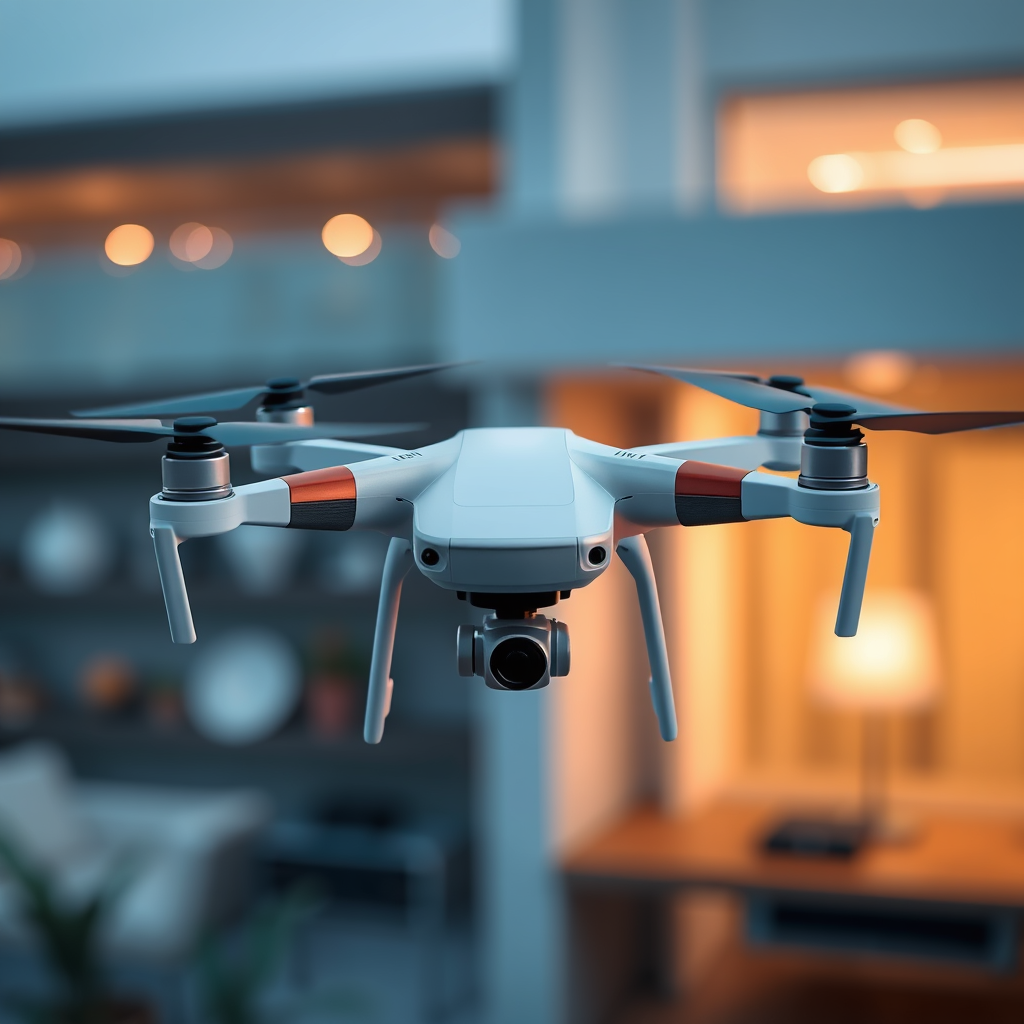
Yes, some drones can fly for up to 2 hours, but this largely depends on the model, battery capacity, and flying conditions. While most consumer drones have limited flight times, advancements in technology are paving the way for longer flight durations, making it essential for enthusiasts and professionals to understand the factors that influence drone flight time. In this article, we’ll explore the intricacies of drone battery life, the various types of drones available, and the innovations that may soon allow for extended flight capabilities.
Understanding Drone Battery Life
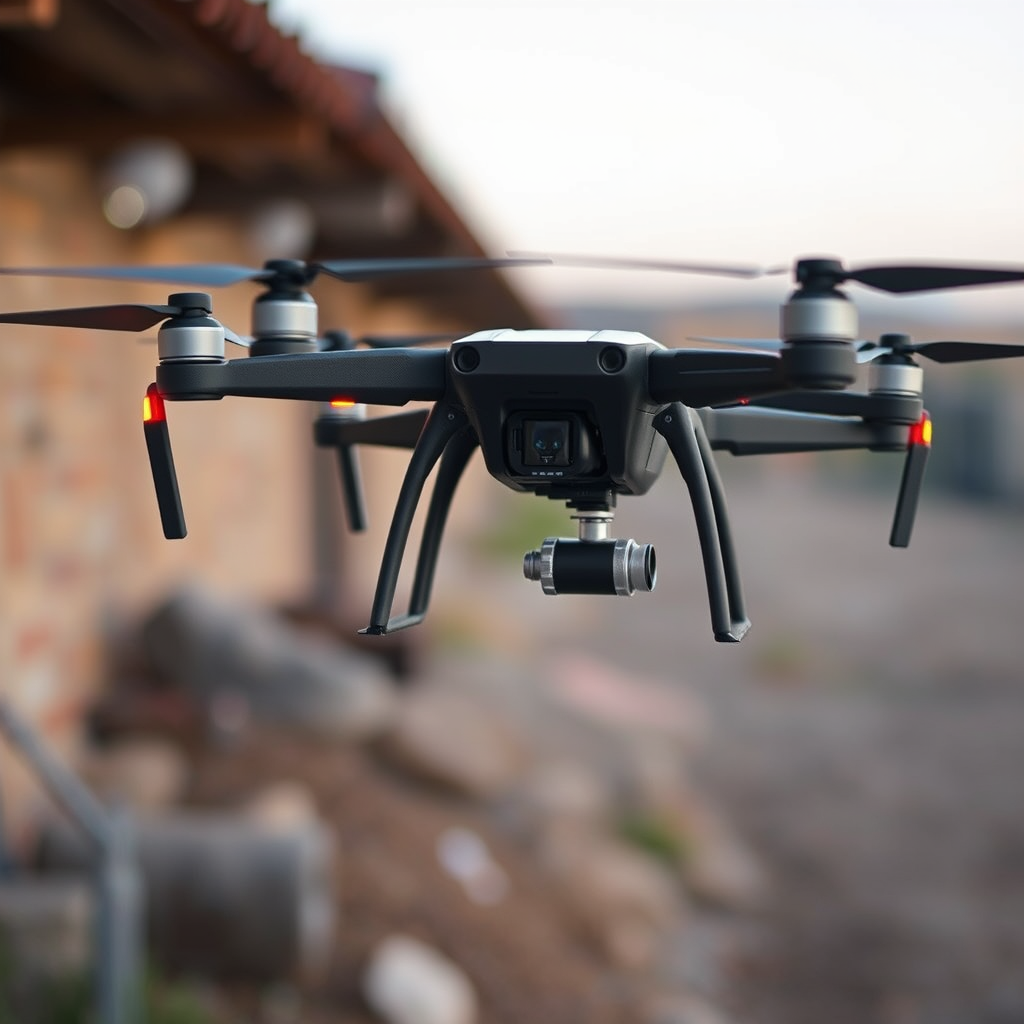
The battery life of a drone is a pivotal factor that dictates how long it can remain airborne. Battery capacity is commonly measured in milliamp hours (mAh), which indicates the amount of energy stored in the battery. For instance, a drone equipped with a 5000 mAh battery may have a longer flight time compared to one with a 2000 mAh battery, assuming all other factors remain constant.
Moreover, the efficiency of the drone’s motors and propellers plays a crucial role in determining flight duration. High-efficiency motors consume less power, thereby extending flight time. Additionally, propeller design can affect aerodynamics; for example, larger or more finely tuned propellers can provide better lift, reducing the strain on the battery. Understanding these components is vital for anyone looking to maximize their drone’s flight time.
Types of Drones and Their Flight Times
Drones come in various categories, each with distinct flight capabilities. Consumer drones, which are popular among hobbyists, typically have flight times ranging from 20 to 30 minutes. Models like the DJI Mavic Air 2, for example, boast a flight time of approximately 34 minutes under optimal conditions. However, these durations can be significantly less when flying in adverse weather or with additional payloads.
On the other hand, high-end commercial drones are engineered for longer flight durations, sometimes approaching the two-hour mark. Drones such as the Freefly Systems Alta 8 can achieve flight times of up to 40 minutes, but when equipped with specialized batteries or designed for efficiency, they can extend their flight capabilities even further. Understanding the distinctions between consumer and commercial drones helps users select the right model for their specific needs.
Factors Affecting Flight Duration
Several factors affect drone flight duration, and being aware of these can help users optimize their flying experience. One primary consideration is the payload weight. Drones designed to carry additional equipment, such as cameras or sensors, experience a reduction in flight time due to increased energy consumption. For instance, a drone that can fly for 30 minutes without any payload may only achieve 20 minutes when equipped with a high-end camera.
Environmental conditions also play a significant role in flight duration. Wind resistance can increase power consumption as the drone works harder to maintain stability, while extreme temperatures can affect battery performance. Cold weather, for example, can lead to a rapid decrease in battery efficiency, while high altitudes may result in thinner air, impacting lift. Awareness of these factors is crucial for drone operators aiming to achieve optimal flight times.
Innovations in Drone Technology
The drone industry is witnessing rapid innovations, particularly in battery technology. Lithium polymer (LiPo) batteries are now commonplace, providing a lightweight and efficient energy source for drones. These batteries not only offer higher energy densities than traditional lithium-ion batteries but also deliver better discharge rates, which can lead to longer flight times.
Moreover, solar-powered drones are emerging as a promising alternative for extending flight durations. These drones harness solar energy to recharge their batteries during flight, potentially allowing them to remain airborne for hours or even days. Companies like Zephyr are developing solar-powered drones that can operate for extended periods, primarily for surveillance and environmental monitoring. As these technologies evolve, the potential for longer flight times becomes increasingly feasible.
Tips for Maximizing Drone Flight Time
To maximize drone flight time, operators can implement several practical strategies. Regular maintenance is essential; ensuring that propellers are clean and free from damage can significantly enhance flight efficiency. Additionally, keeping firmware and software up to date can lead to performance improvements and increased battery life.
Flight patterns also play a critical role in conserving energy. Pilots should aim to fly at a steady altitude and avoid rapid maneuvers, as sharp turns and sudden altitude changes can drain battery life more quickly. Utilizing GPS-based flight modes, such as waypoints, allows for smoother flying, which can help in extending overall flight duration. Furthermore, planning flights during favorable weather conditions can also contribute to longer flight times.
Future of Drone Flight Times
The future of drone flight times looks promising, thanks to ongoing research and development in energy sources. Innovations such as fuel cells are being explored as potential alternatives to traditional batteries, offering the possibility of longer flight durations and faster refueling times. As these technologies mature, we may see drones capable of flying for hours on end.
Additionally, regulatory changes may influence how companies approach drone development for extended use. As regulations evolve to accommodate new technologies, manufacturers may be encouraged to invest in more efficient designs and energy solutions. This shift could lead to a new generation of drones that redefine what is possible in terms of flight duration.
In conclusion, while some drones can indeed fly for 2 hours, this is not the norm for most consumer models. By understanding the factors that affect flight duration—including battery life, drone types, payload weight, and environmental conditions—enthusiasts can make informed choices that suit their flying needs. Furthermore, staying updated on technological advancements will provide insights into the future of drone capabilities, paving the way for longer and more efficient flights.
Frequently Asked Questions
Can a drone fly for 2 hours on a single battery charge?
Most consumer drones typically have a flight time ranging from 20 to 40 minutes on a single battery charge. While some high-end models can achieve flight times closer to an hour, flying for 2 hours continuously is not feasible with standard batteries. However, there are specialized drones with extended battery packs or additional power options that can approach or exceed 2 hours of flight time, but these are generally aimed at commercial or industrial applications.
What factors affect a drone’s flight time?
Several factors can significantly affect a drone’s flight time, including battery capacity, weight, flight conditions (such as wind and temperature), and the type of drone. Drones carrying additional payloads, like cameras or sensors, will consume more power, thus reducing flight time. Additionally, aggressive flying maneuvers and high-speed flights can deplete the battery quicker than gentle cruising.
How can I extend my drone’s flight time to get closer to 2 hours?
To maximize your drone’s flight time, consider using high-capacity batteries specifically designed for your drone model, as well as reducing weight by minimizing payloads. Flying in optimal conditions—calm weather and mild temperatures—can also increase efficiency. Additionally, utilizing energy-saving flight modes provided by some drones and avoiding rapid acceleration can help extend overall flight time.
Why do most drones have a short flight time?
Most consumer drones are designed for lightweight construction to enhance maneuverability and ease of use, which often limits the size and weight of the battery. The need for compact design, alongside the energy demands of advanced features like GPS, cameras, and stabilization systems, results in shorter flight times. Manufacturers continue to innovate battery technology, but achieving long flight durations while maintaining performance and portability remains a challenge.
Which drones can fly the longest, approaching 2 hours of flight time?
Drones designed for professional use, such as the DJI Matrice 300 RTK or the Freefly Alta X, are equipped with larger batteries and efficient propulsion systems that allow for flight times approaching 2 hours under optimal conditions. Additionally, drones like the senseFly eBee X, designed for mapping and surveying, can also achieve extended flight durations with the right battery options. When searching for long-flight drones, consider their intended use, as many high-end models are tailored for specific industries.
References
- https://en.wikipedia.org/wiki/Drone
- https://www.sciencedirect.com/science/article/pii/S2352864817300614
- https://www.nytimes.com/2021/09/02/technology/drones-long-range-batteries.html
- https://www.bbc.com/future/article/20201204-how-long-can-drones-fly-for
- https://www.nasa.gov/mission_pages/Global_Hawk/overview/index.html
- https://www.researchgate.net/publication/319326908_A_comparison_of_long_range_drones_for_aerial_surveying
- https://www.darpa.mil/program/gremlins
- https://www.faa.gov/uas/education/
- https://www.technologyreview.com/2021/04/20/1023059/aerial-drones-battery-life-technology/
