
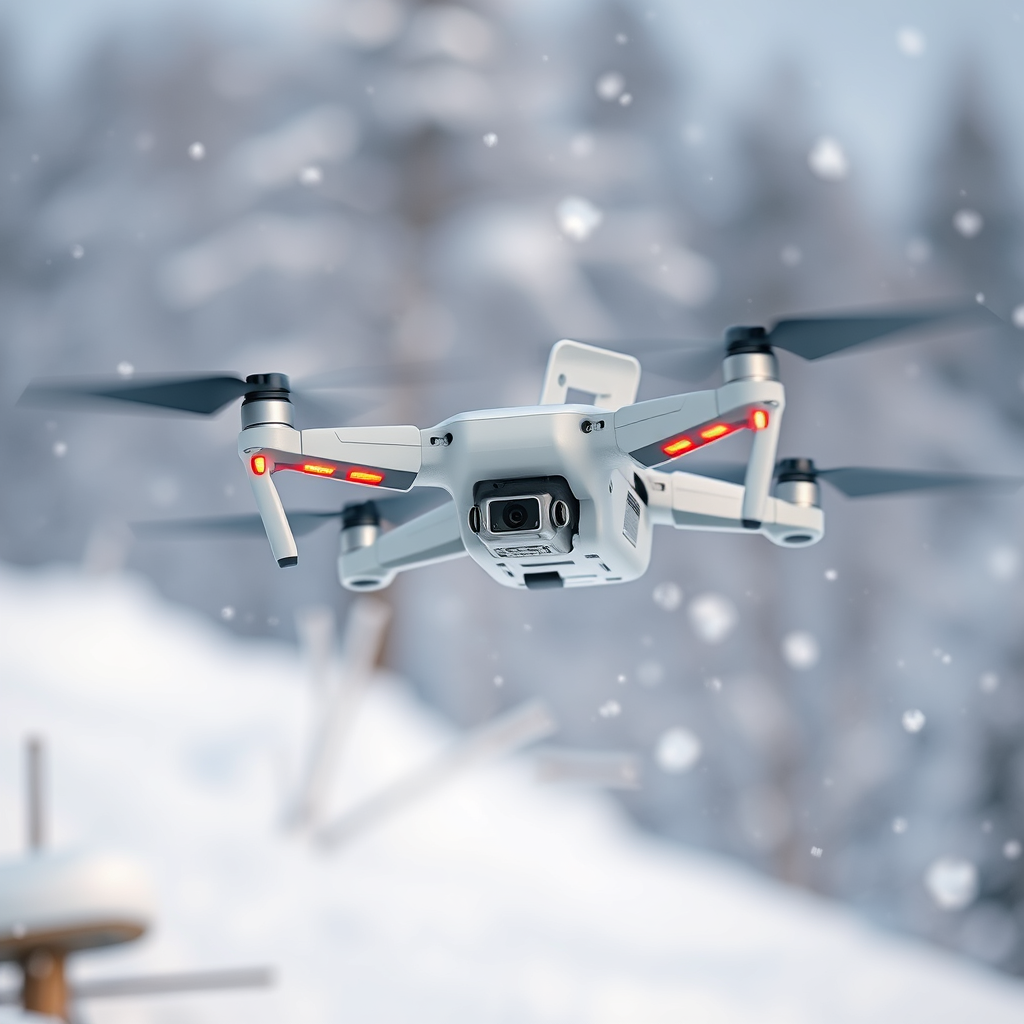
Yes, a drone can fly in snow, but there are several factors to consider that can affect its performance and safety. Snow can impact battery life, visibility, and the drone’s overall functionality. Understanding these challenges is essential for anyone looking to operate a drone in winter conditions. In this article, we’ll explore the implications of flying a drone in snowy weather and provide essential tips for safe operation.
Understanding Drone Specifications
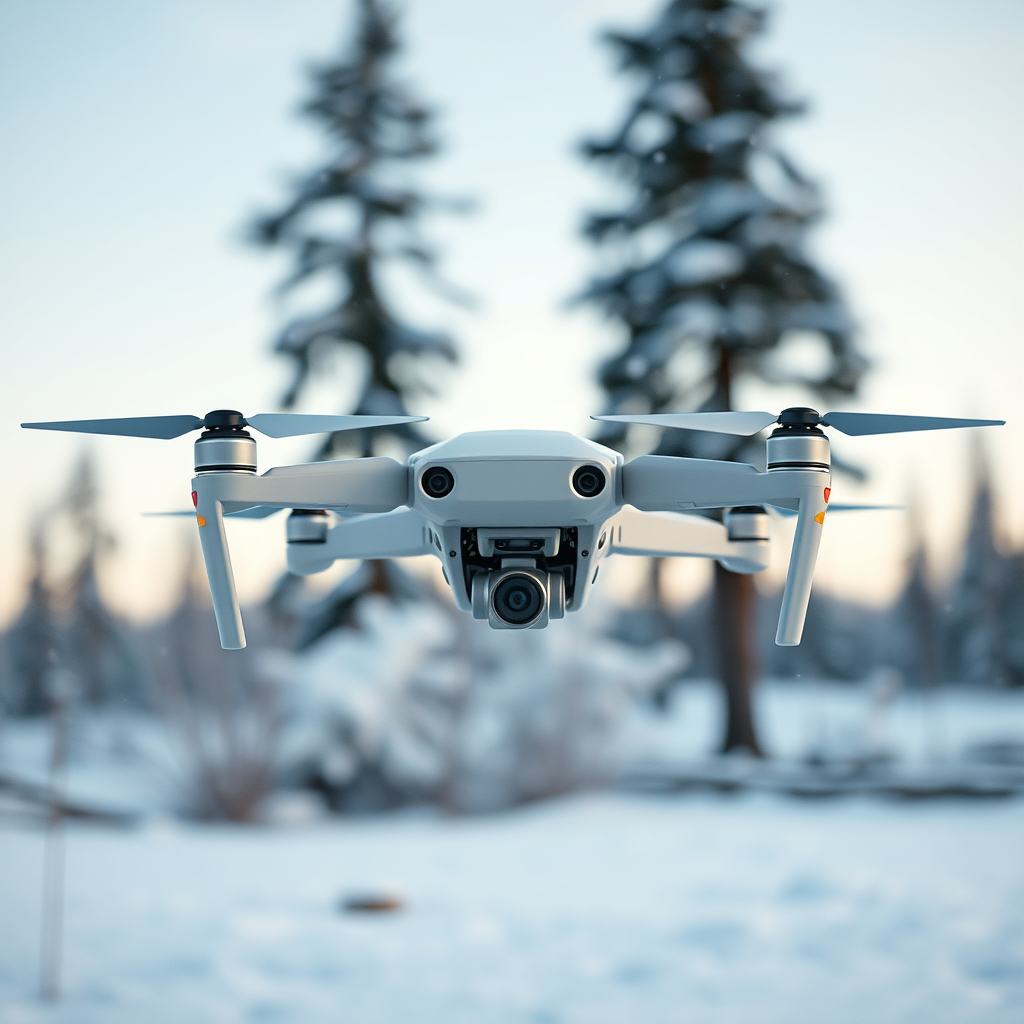
Not all drones are designed to withstand extreme weather conditions, including snow. It is crucial to check your model’s specifications before attempting to fly in such environments. Many consumer drones are built for mild weather, while higher-end models often come equipped with better insulation, waterproof features, and more robust materials that can handle cold temperatures and moisture. For instance, drones like the DJI Matrice series are built for professional use and offer advanced weather-resistant capabilities, making them more suitable for flying in snow. Always consult the manufacturer’s guidelines to determine whether your drone is rated for cold weather operation.
Impact of Snow on Battery Life
Cold temperatures can significantly reduce battery efficiency and overall flight time, which is a critical consideration for drone operators. Lithium-polymer batteries, commonly used in drones, tend to lose capacity in colder climates. Research shows that battery performance can drop by as much as 20-30% in freezing conditions. To counteract this, ensure your batteries are warmed up before flight. Keeping them in an insulated bag or using battery warmers can help maintain optimal temperatures. Additionally, it’s advisable to carry extra batteries, as their lifespan will be shorter in snowy conditions, and you may need to replace them more frequently than in warmer weather.
Visibility and Navigation Challenges
Snow can create a visually stunning landscape, but it can also obscure landmarks and make navigation difficult. For drone pilots, this can complicate flight paths and hinder the ability to maintain visual line of sight. Consider using drones equipped with GPS and advanced sensors, such as obstacle avoidance technology, to enhance navigation and stability. Drones with high-quality cameras can also help by providing real-time video feeds, allowing pilots to better assess their surroundings. Additionally, flying during daylight hours can improve visibility, though be cautious of bright reflections off the snow that could affect your perception of the drone’s altitude and distance.
Safety Precautions When Flying in Snow
Safety should always be a priority when flying a drone, especially in snowy conditions. Avoid flying in heavy snowfall, as visibility can decrease rapidly, making it difficult to control your drone. It’s also essential to monitor for icy conditions that can affect the drone’s landing gear and overall flight stability. Icy surfaces can cause a drone to slide upon landing, leading to crashes or damage. If possible, choose open areas free of obstacles and ensure a clear path for takeoff and landing. Furthermore, always have a contingency plan in case of emergencies, such as low battery or loss of signal, especially when flying in challenging weather.
Maintenance Tips for Snowy Conditions
Regular maintenance is crucial to ensure your drone operates effectively in snowy conditions. After each flight, clean the drone to remove snow and moisture buildup, as these can lead to corrosion and mechanical issues over time. Pay special attention to the propellers and motors, checking for ice or snow accumulation that could hinder performance. Utilizing a microfiber cloth to dry off components can prevent moisture-related problems. Consider storing your drone in a dry, warm environment when not in use to help protect it from the harsh winter elements.
Legal Considerations for Flying Drones in Winter
Before taking to the skies in winter, it is vital to familiarize yourself with local regulations regarding drone operation in adverse weather. Some regions may have specific restrictions on flying drones during winter months, particularly in parks or public areas where wildlife may be affected. For instance, the FAA in the United States has guidelines that drone operators must follow, including maintaining visibility and avoiding flying over populated areas in low-visibility conditions. Always check for any temporary flight restrictions that could impact your plans, as well as any local laws that may apply during winter.
Alternative Uses for Drones in Snow
Drones can serve unique functions in snowy environments, offering a range of applications beyond traditional recreational use. For instance, they can be invaluable for snow surveying, allowing for efficient mapping and assessment of snow accumulation in various regions. In search and rescue operations, drones equipped with thermal imaging can locate individuals lost in snowy terrains. Additionally, winter sports photography benefits greatly from drone use, capturing breathtaking aerial shots of skiing, snowboarding, and other winter activities. Understanding these unique advantages can inspire operators to explore creative applications in snowy conditions.
Flying a drone in snowy conditions can be exciting, but it also requires careful consideration of various factors such as battery life, visibility, and safety precautions. By understanding the challenges and following best practices, you can enjoy flying your drone even in winter weather. Always remember to check your local regulations and maintain your equipment to ensure the best experience possible. With the right preparations, your drone can be a valuable tool for exploration and creativity in the beautiful winter landscape.
Frequently Asked Questions
Can drones fly in snowy conditions?
Yes, drones can fly in snowy conditions, but there are several factors to consider. Snow can affect visibility and create slippery surfaces that may impede landing. Additionally, moisture from snow can damage electronic components if the drone is not adequately protected. It’s advisable to check your drone’s specifications and any manufacturer warnings regarding cold and wet conditions before flying.
How does cold weather affect drone battery performance?
Cold weather can significantly impact drone battery performance, reducing flight time and power output. Lithium-polymer batteries, commonly used in drones, can lose up to 30% of their capacity in low temperatures. To mitigate this, keep batteries warm before flight and monitor battery levels closely during operation to avoid unexpected power loss while flying in the snow.
What precautions should I take when flying a drone in the snow?
When flying a drone in the snow, it’s essential to take several precautions for safety and equipment protection. Use propeller guards to prevent snow accumulation, avoid flying in heavy snowfall or windy conditions, and regularly check for ice buildup on the drone’s components. Additionally, ensure your drone is equipped with GPS for better navigation and keep the flight area clear of obstacles like trees or power lines covered in snow.
Why is it important to avoid flying drones in heavy snowfall?
Flying drones in heavy snowfall can lead to several risks, including reduced visibility and the possibility of losing control of the drone. Heavy snow can also obstruct sensors, affecting the drone’s ability to navigate and maintain altitude. Moreover, the accumulation of snow and moisture on the drone can cause mechanical failures or damage to sensitive components, potentially leading to crashes.
Which drones are best suited for flying in snowy environments?
Drones specifically designed for rugged conditions, such as the DJI Matrice series or the Yuneec Typhoon H, are best suited for flying in snowy environments. These models often feature weather-resistant designs, stable flight capabilities, and robust battery systems that handle cold temperatures better. Always check the manufacturer’s specifications for temperature limitations and weather resistance features before purchasing a drone for winter use.
References
- https://www.wired.com/story/drone-flying-in-snow-weather-conditions/
- https://www.nasa.gov/feature/nasa-using-drones-to-study-snow
- https://www.sciencedirect.com/science/article/pii/S0968090X20303850
- https://www.faa.gov/uas/getting_started/part_107/
- https://www.theguardian.com/technology/2021/jan/13/drones-snow-flying-conditions
- https://www.nytimes.com/2020/01/09/technology/drones-snow-weather.html
- https://www.mdpi.com/2504-446X/4/1/8
