
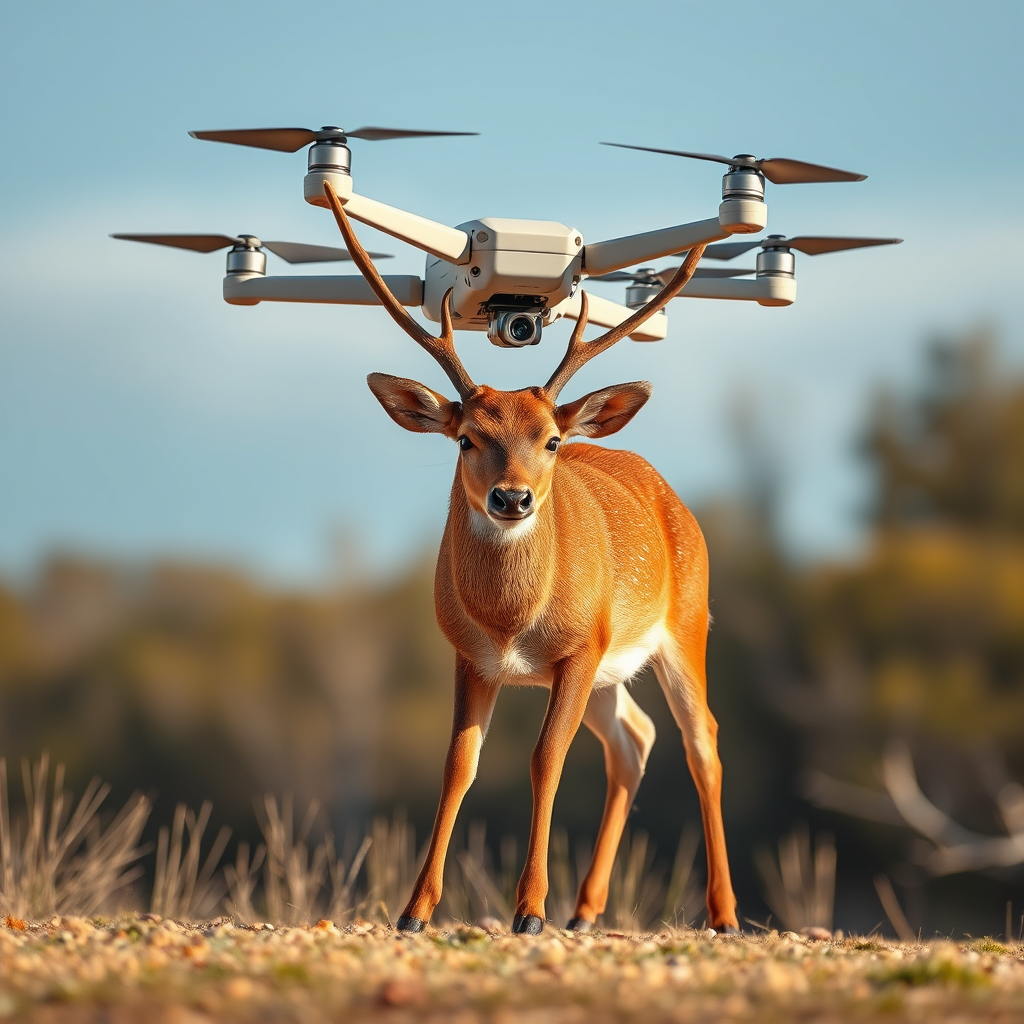
Yes, a drone can lift a deer, but there are significant limitations and ethical considerations involved. While advancements in drone technology have made it possible for some drones to carry heavy loads, lifting a deer requires careful consideration of weight capacity, drone type, and legal regulations. This exploration delves into the nuances of drone capabilities, appropriate types, legal frameworks, ethical implications, and future developments, providing a comprehensive understanding of the topic.
Understanding Drone Weight Capacity
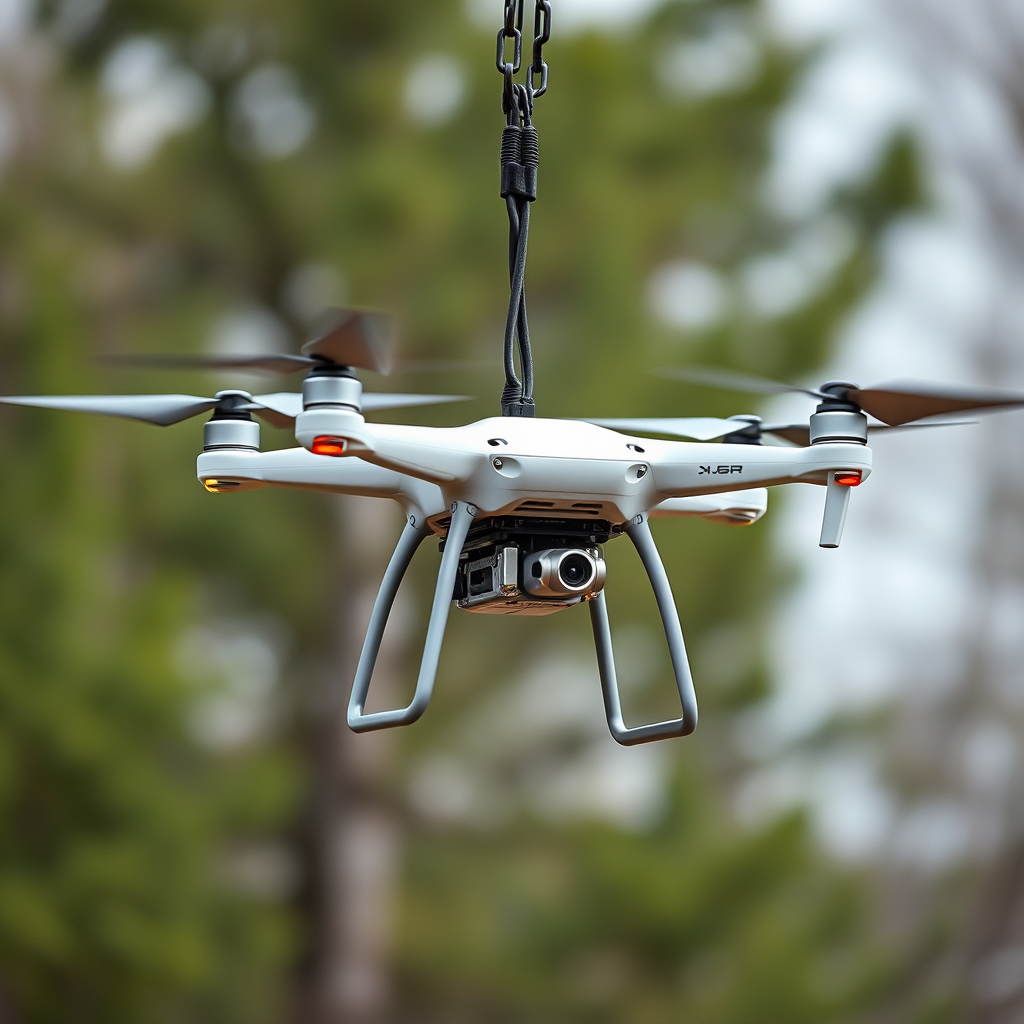
Different drones have varying lifting capacities depending on their design and specifications. The weight capacity of a drone is a critical factor in determining whether it can safely lift a deer. Typically, consumer drones, which are widely used for recreational photography and videography, have a lifting capacity ranging from 5 to 10 pounds. These drones are not suitable for lifting larger animals like deer, which can weigh anywhere from 100 to 300 pounds, depending on the species and age.
On the other hand, specialized drones designed for industrial and agricultural applications can carry much heavier loads. Some high-end drones can lift payloads of up to 200 pounds, making them theoretically capable of lifting smaller deer under specific circumstances. However, it’s essential to note that lifting a live animal presents unique challenges, including the need for stability, balance, and humane treatment, which consumer drones are not equipped to handle.
Types of Drones Suitable for Lifting
When considering the use of drones to lift a deer, it is crucial to evaluate the types of drones that are most suitable for such tasks. Multirotor drones are popular for lifting lighter loads due to their stability and maneuverability. These drones, often equipped with multiple rotors, can hover in place and are generally easier to control, which is vital when dealing with a live animal. They are commonly used in applications like aerial photography, search and rescue operations, and light payload transport.
On the other hand, fixed-wing drones can carry heavier payloads over longer distances, though they require more space for takeoff and landing. These drones are typically used in agricultural monitoring, surveying large areas, and conducting search operations in remote locations. While they may have the capacity to lift heavier animals, their operational requirements and inability to hover make them less practical for directly lifting a deer.
Legal and Ethical Considerations
The use of drones for lifting deer raises significant legal and ethical considerations. Many regions have laws regulating the use of drones for hunting or wildlife management. For instance, in the United States, the Federal Aviation Administration (FAA) has established guidelines that govern drone operations, particularly concerning wildlife. In many states, using drones to hunt animals is illegal, and violators may face hefty fines or other legal repercussions.
Ethical concerns also arise about the treatment of wildlife and the potential stress caused to animals. Lifting a live deer with a drone could cause undue stress, risking injury or trauma to the animal. Wildlife experts argue that any interaction with wildlife should prioritize animal welfare and conservation efforts. Therefore, it is crucial to adhere to ethical standards and legal regulations when considering drone usage in wildlife contexts.
Practical Applications of Drones in Wildlife Management
Despite the challenges associated with lifting a deer, drones have increasingly found practical applications in wildlife management. They can be utilized for tracking, monitoring populations, and assessing habitats without direct interference. For instance, researchers use drones to survey large areas for wildlife populations and identify habitat changes, allowing for more effective conservation strategies. Drones equipped with thermal imaging can also locate animals during nighttime, providing valuable data for researchers and wildlife managers.
Additionally, some researchers are exploring the use of drones for non-invasive capture techniques under specific circumstances. For example, drones can drop bait or attractants to lure animals into designated areas for observation or tagging, minimizing human intervention. This innovative application highlights the potential of drones to contribute positively to wildlife management without causing harm or distress to the animals.
Safety and Risks Involved
Using a drone to lift a deer poses risks to both the animal and the operator. There are several safety concerns associated with this practice, including the potential for injury to the deer during the lifting process or loss of control of the drone, which could result in accidents or damage to property. Operators must be trained and aware of the limitations and risks associated with drone usage in wildlife scenarios.
Moreover, the physical stress on a deer being lifted by a drone could lead to severe consequences, including injury or shock. The sudden movement and height can be disorienting and frightening for the animal, prompting a flight response that could lead to further injury or escape attempts. Therefore, any attempt to use a drone in this manner must prioritize safety, operator training, and a thorough understanding of animal behavior.
Future of Drones in Wildlife Interactions
As drone technology continues to evolve, there is potential for more effective and humane ways to interact with wildlife. Ongoing advancements in drone design, battery life, and payload capabilities may lead to innovative uses that prioritize animal welfare and conservation efforts. For example, the development of quieter drones could reduce stress on wildlife, while improved camera technology may enhance monitoring capabilities without physical interaction.
Researchers are actively investigating innovative uses of drones in wildlife management that emphasize non-invasive methods. The integration of artificial intelligence and machine learning could lead to smarter drones capable of making real-time decisions about wildlife interactions. These developments could transform how we approach wildlife management, focusing on conservation and ethical treatment rather than mere capture or manipulation.
In conclusion, while drones can technically lift a deer, the practice is fraught with legal, ethical, and safety challenges. As drone technology evolves, it is vital to prioritize responsible and humane use in wildlife management. Drones can provide invaluable insights and assistance in conservation efforts when used appropriately, offering a promising future for wildlife interactions. Always stay informed about regulations and best practices if considering drone use in wildlife contexts to ensure that the welfare of animals remains at the forefront of any operation.
Frequently Asked Questions
Can a drone actually lift a deer?
While drones are capable of lifting various objects, lifting a deer presents significant challenges. Most consumer drones lack the necessary power and lifting capacity; even high-end models can typically carry only a few pounds. A mature deer can weigh anywhere from 100 to 300 pounds, far exceeding the lifting capacity of conventional drones, which makes it impractical and potentially harmful to attempt to lift a deer with a drone.
What types of drones are capable of lifting heavier weights?
Drones designed for heavy lifting, such as industrial or agricultural drones, can carry larger payloads. These drones often have powerful motors and robust frames, allowing them to lift objects weighing between 10 to 200 pounds. However, even these drones would struggle to lift a deer safely, as their weight exceeds the typical lifting capabilities and poses ethical concerns surrounding animal welfare.
Why would someone want to lift a deer with a drone?
Some individuals might consider using a drone to lift a deer for purposes such as wildlife research, relocation, or hunting assistance. However, ethical concerns arise from using drones in this capacity, as lifting a live animal can cause significant stress and potential injury. It’s essential to prioritize humane methods for wildlife management and to adhere to local regulations regarding the treatment of animals.
What are the legal restrictions on using drones for wildlife capture?
The legality of using drones for wildlife capture varies by location and is often governed by local wildlife laws and regulations. In many regions, using drones to harass, capture, or disturb wildlife is illegal and can result in hefty fines. Always consult local wildlife agencies to understand the regulations surrounding drone use for wildlife management before attempting any operations.
How can drones be used ethically in wildlife management?
Drones can play a valuable role in wildlife management without physically lifting or disturbing animals. They can be used for aerial surveys, tracking animal movements, and monitoring habitats from a safe distance. By providing crucial data without direct interference, drones can help wildlife researchers and conservationists make informed decisions that benefit animal populations and their ecosystems.
References
- https://en.wikipedia.org/wiki/Drone
- https://www.sciencedirect.com/science/article/pii/S2351978917304206
- https://www.nytimes.com/2017/06/27/science/drones-wildlife.html
- https://www.bbc.com/news/science-environment-56905206
- https://www.usgs.gov/centers/whcmsc/science/using-drones-ecology-and-wildlife-research
- https://www.nationalgeographic.com/science/article/drones-animals-wildlife-research
- https://www.fws.gov/service/using-drones-wildlife-management
- https://www.frontiersin.org/articles/10.3389/fbioe.2020.00082/full
- https://www.nature.com/articles/s41598-020-68410-w
