
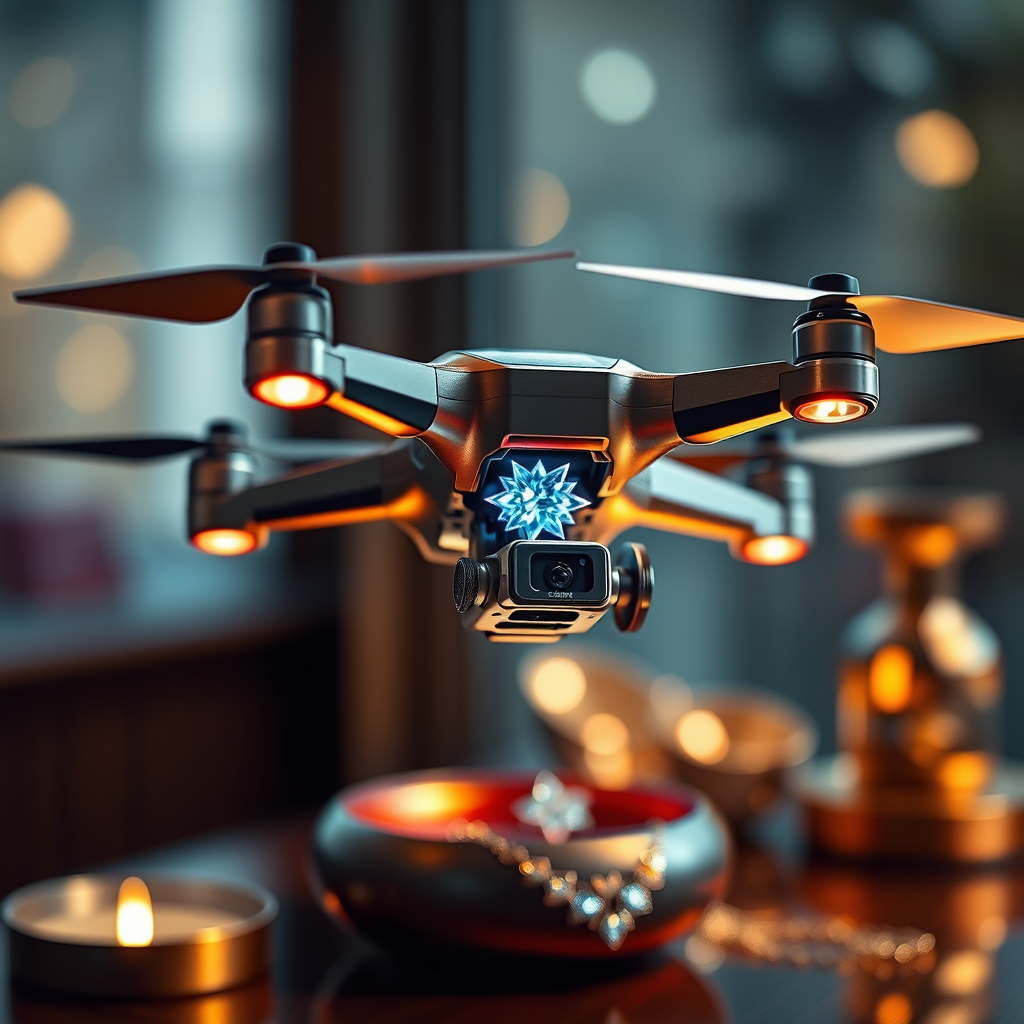
Yes, a drone can be designed to resemble a star, both in terms of appearance and functionality. This intriguing concept has gained traction among drone enthusiasts and designers who are eager to blend aesthetics with cutting-edge technology. As customization becomes increasingly popular in the drone industry, the potential for star-like designs opens new avenues for artistic expression, practical applications, and innovative technology. In this article, we’ll explore how drones can mimic the look of stars, the technology behind them, and their potential uses in various fields.
The Design of Star-Like Drones
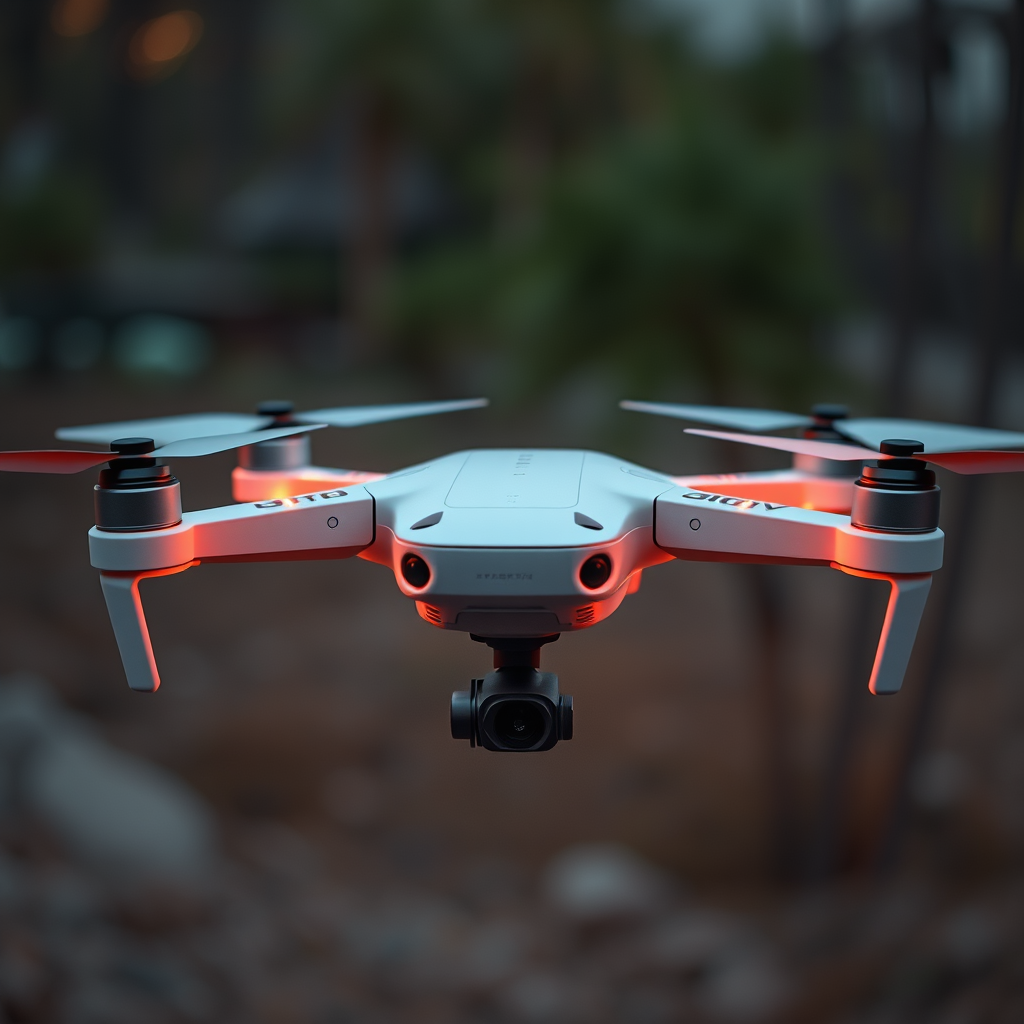
Drones can be custom-designed with frames that feature star-like shapes, which can be achieved through innovative engineering and 3D printing technologies. Custom frames may include geometric designs that reflect points of a star, enhancing both the visual appeal and the aerodynamics of the drone. Additionally, integrating LED lights into the design can create an eye-catching effect, allowing the drone to illuminate in various colors and patterns reminiscent of a twinkling starry sky.
Creative paint jobs and materials also play a significant role in enhancing the star-like appearance of drones. For instance, using reflective materials or iridescent paint can make the drone catch the light in a way that mimics the luminosity of stars. Manufacturers can also explore different finishes, such as metallic or glitter-infused coatings, to create a dazzling visual effect. Not only does this approach cater to aesthetic preferences, but it also transforms drones into dynamic art pieces that captivate audiences during nighttime displays or events.
Technology Behind Star-Like Drones
The advances in drone technology have made it feasible to create intricate designs without compromising performance. Modern drones utilize lightweight materials such as carbon fiber and advanced polymers, which allow for creative shapes while maintaining structural integrity. These materials ensure that even uniquely designed drones can achieve optimal flight performance, stability, and maneuverability.
LED technology is a critical component in the creation of star-like drones. The use of programmable LED lights enables drones to emit light patterns that can mimic the twinkling of stars. For example, through the integration of RGB LEDs, drones can create a spectrum of colors that can change in response to flight patterns or pre-programmed sequences. This not only enhances the visual appeal of the drone but also opens up opportunities for synchronized light shows, where multiple drones can work in unison to create breathtaking aerial displays.
Applications of Star-Like Drones
Drones designed to resemble stars can serve both artistic and functional purposes. One prominent application is in artistic displays at festivals and events. For instance, light shows featuring star-like drones can captivate audiences, creating memorable experiences that combine technology with creativity. These drones can be programmed to follow choreographed patterns, enhancing the overall aesthetic of the event.
In addition to entertainment, star-like drones can also serve practical purposes. For example, they can be utilized in search and rescue missions where their distinctive design allows them to stand out in various environments. Their LED lights can assist in navigation and communication, making them effective tools in low-visibility conditions. Furthermore, their unique appearance can make them valuable in aerial photography, providing striking visuals that can enhance promotional content for businesses or projects.
Challenges in Creating Star-Like Drones
Despite the exciting possibilities, there are challenges associated with designing star-like drones. One of the primary concerns is balancing aesthetics with aerodynamics. The shape of a drone significantly impacts its flight performance; therefore, designers must ensure that any creative elements do not hinder the drone’s ability to navigate effectively or maintain stability during flight.
Another challenge is ensuring that the drone’s performance is not compromised by its design. For instance, integrating additional features such as LED lights or intricate designs may increase the weight of the drone, which can affect battery life and overall flight duration. Designers must find ways to incorporate these elements strategically, utilizing lightweight materials and efficient power sources to maintain optimal performance.
Future Trends in Aesthetic Drone Design
Looking ahead, the rise of customizable drones presents exciting opportunities for more star-like designs in the future. As drone technology continues to advance, manufacturers may offer customizable options that allow users to select various shapes, colors, and features to create their unique star-like drones. This trend aligns with the growing consumer demand for personalization in technology and gadgets.
Innovations in materials and technology may also lead to even more creative shapes and designs for drones. For instance, advancements in flexible electronics and lightweight composites could enable the creation of drones that can morph or change shape during flight, potentially mimicking the dynamic nature of stars themselves. As the drone industry evolves, the intersection of aesthetics and functionality will likely yield a new generation of drones that are as visually stunning as they are capable.
Conclusion: The Star Potential of Drones
In conclusion, drones can indeed be designed to look like stars, merging creativity with technology in innovative ways. As the demand for customized and aesthetically pleasing drones continues to grow, the possibilities for unique and visually appealing designs expand significantly. Whether for artistic displays, practical applications, or simply as a reflection of personal style, the star potential of drones is limited only by the imagination of designers and enthusiasts alike. Explore the world of drone customization to discover how you can create your own star-like flying marvel!
Frequently Asked Questions
Can a drone look like a star in the night sky?
Yes, a drone can resemble a star when viewed from a distance, especially if it is flying at high altitudes and equipped with LED lights. Many drones have bright, flashing lights that can mimic the twinkling effect of stars. This visual similarity is often enhanced during nighttime flights, making it challenging for observers to differentiate between a drone and an actual star.
How can I identify if a light in the sky is a drone or a star?
To determine whether a light in the sky is a drone or a star, pay attention to its movement patterns. Unlike stars, which remain stationary, drones often exhibit erratic motion or change direction suddenly. Additionally, drones may blink or flash different colors, while stars typically shine steadily without variation. If the light appears to be moving or hovering at various altitudes, it is likely a drone.
Why do drones sometimes look like stars when they are flying?
Drones can appear star-like due to their height, brightness, and lighting features. When operating at higher altitudes, especially at night, the bright LED lights on drones can create an illusion akin to stars twinkling in the night sky. The combination of atmospheric conditions and the drone’s design can enhance this effect, leading to confusion among observers.
What are the best practices for flying drones at night to avoid looking like stars?
To minimize the chance of a drone being mistaken for a star during night flights, operators should use less intense lighting or specific color patterns that are distinguishable from celestial bodies. Additionally, flying at lower altitudes and maintaining a consistent flight path can help observers identify the drone more easily. It’s also essential to comply with local regulations regarding nighttime drone operations to ensure safety and visibility.
Which types of drones are more likely to resemble stars in the sky?
Drones equipped with high-intensity LED lights, such as racing drones or those designed for aerial photography, are more likely to resemble stars when viewed from a distance. These drones often have multiple lights and can achieve significant altitudes, contributing to their star-like appearance. Additionally, some models are designed with aesthetics in mind, enhancing their visibility and making them more likely to cause confusion with celestial objects.
References
- https://en.wikipedia.org/wiki/Drone
- https://www.nytimes.com/2021/09/14/science/drone-stars.html
- https://www.scientificamerican.com/article/can-drones-be-used-for-science-education/
- https://www.nasa.gov/feature/nasa-s-drones-could-help-unlock-the-secrets-of-the-universe
- https://www.cnbc.com/2021/02/11/why-drones-are-the-future-of-science.html
- https://www.geeksforgeeks.org/drone-technology/
- https://www.bbc.com/future/article/20201214-how-drones-are-transforming-science
- https://www.researchgate.net/publication/327191204_The_Use_of_Drones_in_Scientific_Research
- https://www.sciencedirect.com/science/article/pii/S0968090X21001945
