
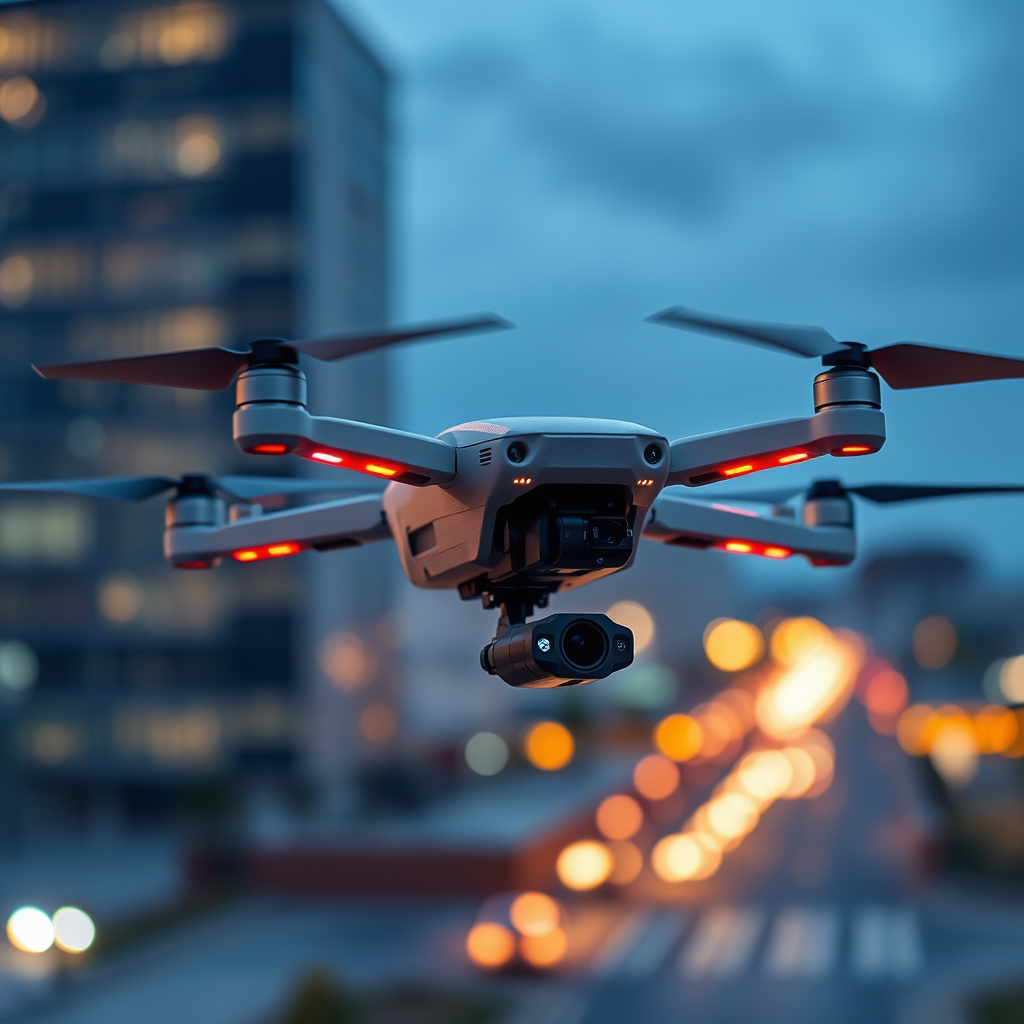
Yes, commercial drones can be flown at night, but there are specific regulations and requirements that operators must follow to ensure safety and compliance. The Federal Aviation Administration (FAA) has established guidelines that govern nighttime operations for commercial drones, which are designed to minimize risks and enhance safety for pilots and the public. By understanding these regulations and implementing best practices, drone operators can effectively manage nighttime flights, expand their operational capabilities, and leverage the unique advantages that night flying offers.
Understanding FAA Regulations
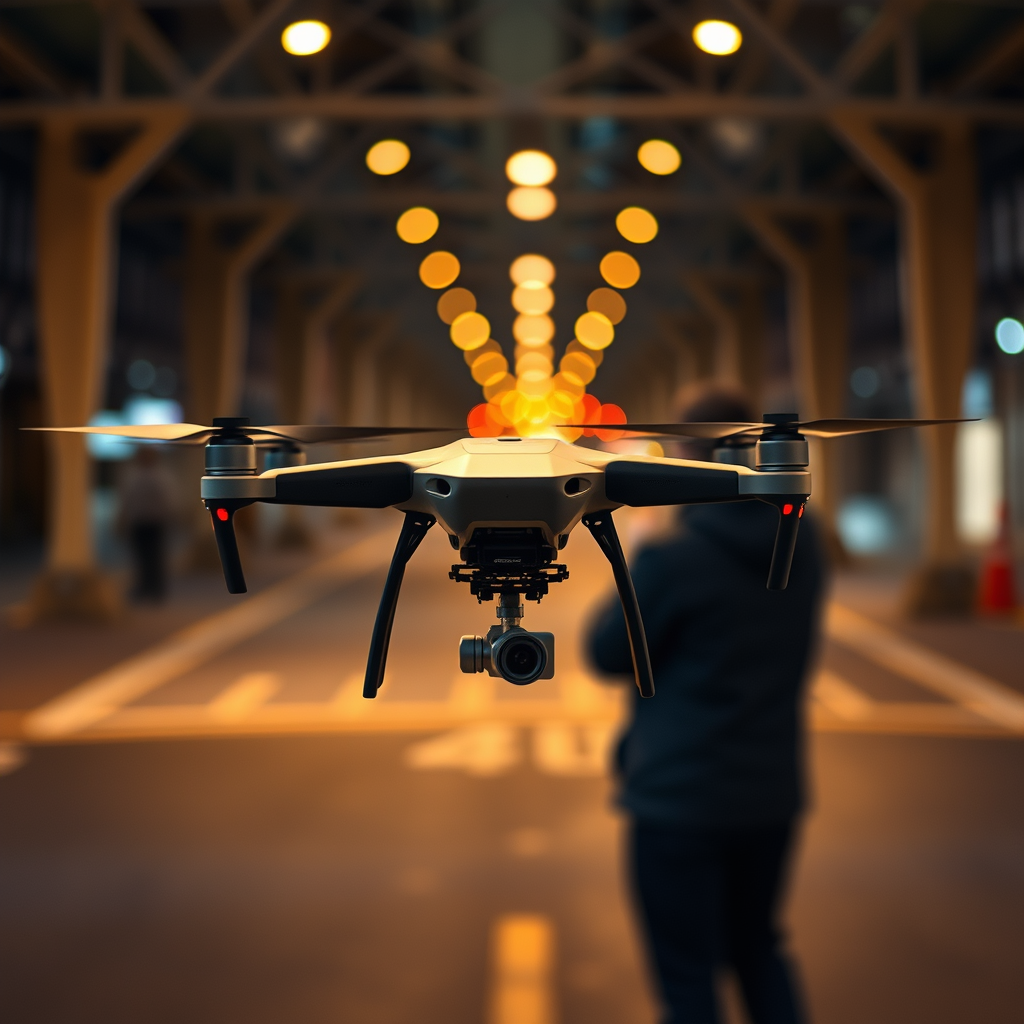
The FAA regulates all aspects of drone operations in the United States, and nighttime flying is no exception. To operate a commercial drone at night, pilots must obtain a specific waiver from the FAA under Part 107 of the Federal Aviation Regulations. This waiver allows for nighttime operations but requires strict adherence to safety protocols.
Moreover, pilots must possess a valid Remote Pilot Certificate, which includes passing a knowledge test that covers various aspects of drone operation, airspace rules, and safety measures. It is crucial for pilots to understand that even with the waiver, they must still comply with the general provisions of Part 107, which includes maintaining a visual line-of-sight (VLOS) with the drone, conducting pre-flight checks, and adhering to maximum altitude restrictions. Familiarity with these regulations is essential for any commercial operator intending to fly at night.
Equipment Requirements for Night Flying
When it comes to flying drones at night, equipment plays a vital role in ensuring safety and compliance. According to FAA regulations, commercial drones must be equipped with anti-collision lights that are visible for at least three statute miles. These lights are crucial for increasing the visibility of the drone to other aircraft, as well as for ground observers.
Additionally, operators should consider using drones with advanced navigation and lighting systems. Features such as GPS, obstacle detection, and enhanced lighting can significantly improve safety and operational efficiency during nighttime flights. For example, drones equipped with high-intensity LED lights can provide better visibility and help pilots maintain orientation, while advanced GPS systems can assist in navigating complex environments safely.
Safety Considerations
Safety is paramount when flying drones at night. Conducting thorough pre-flight checks is essential to ensure that all systems, including lights, navigation, and communication, are functioning correctly. This includes verifying battery levels, ensuring that the anti-collision lights are operational, and confirming that the drone’s software is up to date.
Maintaining visual line-of-sight (VLOS) can be more challenging at night due to reduced visibility. To combat this, operators should consider utilizing first-person view (FPV) systems or goggles that provide a real-time video feed from the drone’s camera. However, it is important to note that even with FPV, pilots must have a visual reference of the drone and its surroundings. This can be achieved by using bright LED lights to mark the drone’s position, making it easier to track during flight.
Nighttime Operations Best Practices
To ensure safe and efficient nighttime operations, drone operators should familiarize themselves with the area in which they plan to fly. This involves planning flight paths in advance, identifying potential obstacles, and understanding the local airspace regulations. By knowing the landscape, operators can avoid unexpected hazards such as trees, buildings, and power lines.
Additionally, utilizing a spotter during nighttime operations can greatly enhance safety. A spotter can help maintain awareness of the drone’s position relative to its surroundings and alert the pilot to any potential hazards. This collaborative approach not only improves safety but also enhances the overall flying experience.
Common Challenges When Flying at Night
Flying drones at night comes with its own set of challenges. Reduced visibility is the most significant obstacle, as it complicates navigation and increases the risk of accidents. Pilots may have difficulty spotting other aircraft or obstacles in their flight path, which can lead to dangerous situations.
Moreover, weather conditions such as fog, rain, or snow can further impair visibility and should be taken into account before flying. Pilots are advised to monitor weather forecasts closely and avoid flying in adverse conditions. For example, flying during light rain may seem manageable, but it can quickly turn hazardous if visibility diminishes unexpectedly.
Insurance and Liability Considerations
Before embarking on nighttime drone operations, it is crucial for operators to check with their insurance providers to ensure that they have adequate coverage for nighttime flights. Some insurance policies may have specific exclusions for night operations, so it is essential to clarify this aspect to avoid financial liabilities in case of an incident.
Understanding the legal implications regarding liability is also vital. In the event of an accident or incident, operators could face legal challenges if they fail to adhere to FAA regulations or local laws. Having comprehensive insurance coverage and being informed about liability issues can provide peace of mind and protect operators from potential legal repercussions.
Future of Nighttime Drone Operations
As technology advances, the future of nighttime drone operations looks promising. Innovations in drone safety features, such as improved lighting systems, obstacle avoidance technology, and enhanced navigation capabilities, are paving the way for safer nighttime flying.
Additionally, regulations are likely to evolve as the industry matures and as safety technologies become more widespread. This evolution may lead to more streamlined processes for obtaining waivers for nighttime operations and increased opportunities for commercial operators to utilize drones during nighttime hours.
Emerging applications, such as nighttime deliveries, aerial photography, and infrastructure inspections, could significantly benefit from advancements in technology and regulatory changes, making nighttime operations more commonplace in the commercial drone industry.
In conclusion, while commercial drones can indeed be flown at night, it is essential for operators to adhere to FAA regulations and ensure their equipment meets safety standards. By following best practices and understanding the challenges associated with nighttime flying, pilots can safely expand their operational capabilities. If you’re considering night operations, make sure to stay informed and compliant, as doing so will enhance both safety and reliability in your drone operations.
Frequently Asked Questions
Can commercial drones be flown at night under FAA regulations?
Yes, commercial drones can be flown at night, but operators must adhere to specific FAA regulations. To fly at night, drone pilots must obtain a Part 107 waiver that allows for night operations, ensuring that their drones are equipped with proper lighting to maintain visibility. Additionally, they must have completed the required training and be in compliance with all other Part 107 rules.
What safety measures should be taken when flying commercial drones at night?
When flying commercial drones at night, safety measures are crucial to ensure a safe operation. Operators should use drones equipped with anti-collision lights and ensure that they have a clear line of sight to the drone at all times. Planning the flight path in advance, conducting thorough pre-flight checks, and utilizing GPS and other navigational aids are also essential for minimizing risks during night flights.
Why are there restrictions on flying commercial drones at night?
Restrictions on flying commercial drones at night primarily stem from safety concerns. Nighttime operations can hinder visibility and increase the likelihood of accidents. The FAA requires additional training and equipment to ensure that pilots can effectively manage the challenges posed by reduced light conditions, thus maintaining safety for both the pilot and the public.
What equipment is necessary for night flying with commercial drones?
To fly commercial drones at night, operators need specific equipment to ensure safety and compliance with regulations. This includes drones equipped with anti-collision lights that are visible for at least three statute miles, as well as a reliable navigation system to help maintain awareness of the drone’s location. Additionally, having a camera or thermal imaging system can enhance situational awareness in low-light conditions.
Which commercial drone models are best suited for night operations?
Several commercial drones are well-suited for night operations due to their advanced features and capabilities. Models like the DJI Matrice 300 RTK and the Parrot Anafi USA come equipped with powerful lighting systems and high-quality cameras, making them ideal for nighttime use. When selecting a drone for night flying, consider factors such as battery life, flight stability, and the ability to attach additional lighting equipment for enhanced visibility.
References
- https://www.faa.gov/uas/commercial_operators/part_107/
- https://www.faa.gov/uas/commercial_operators/part_107/
- https://www.ncbi.nlm.nih.gov/pmc/articles/PMC6998737/
- https://www.abcnews.go.com/Technology/commercial-drones-night-faa-rules/story?id=63564343
- https://www.reuters.com/business/aerospace-defense/us-faa-approves-night-flying-commercial-drones-2020-04-21/
- https://www.wired.com/story/faa-drone-night-flying-rules/
- https://www.nytimes.com/2020/04/21/business/faa-night-drones.html
- https://www.georgetown.edu/news/faa-approves-night-time-drone-operations/
- https://www.nasa.gov/press-release/nasa-drone-operations-at-night-continue-to-increase-safety-and-innovation
- https://www.cnbc.com/2020/04/21/faa-approves-nighttime-flying-for-commercial-drones.html
