
While it may sound far-fetched, the idea of drones being aliens is a topic of intrigue. This notion stems from the increasing sophistication of drone technology and the question of what constitutes an alien presence. In this article, we will explore various perspectives on this captivating topic, examining the definitions, technological advancements, and cultural implications surrounding the intersection of drones and extraterrestrial life.
The Definition of Aliens
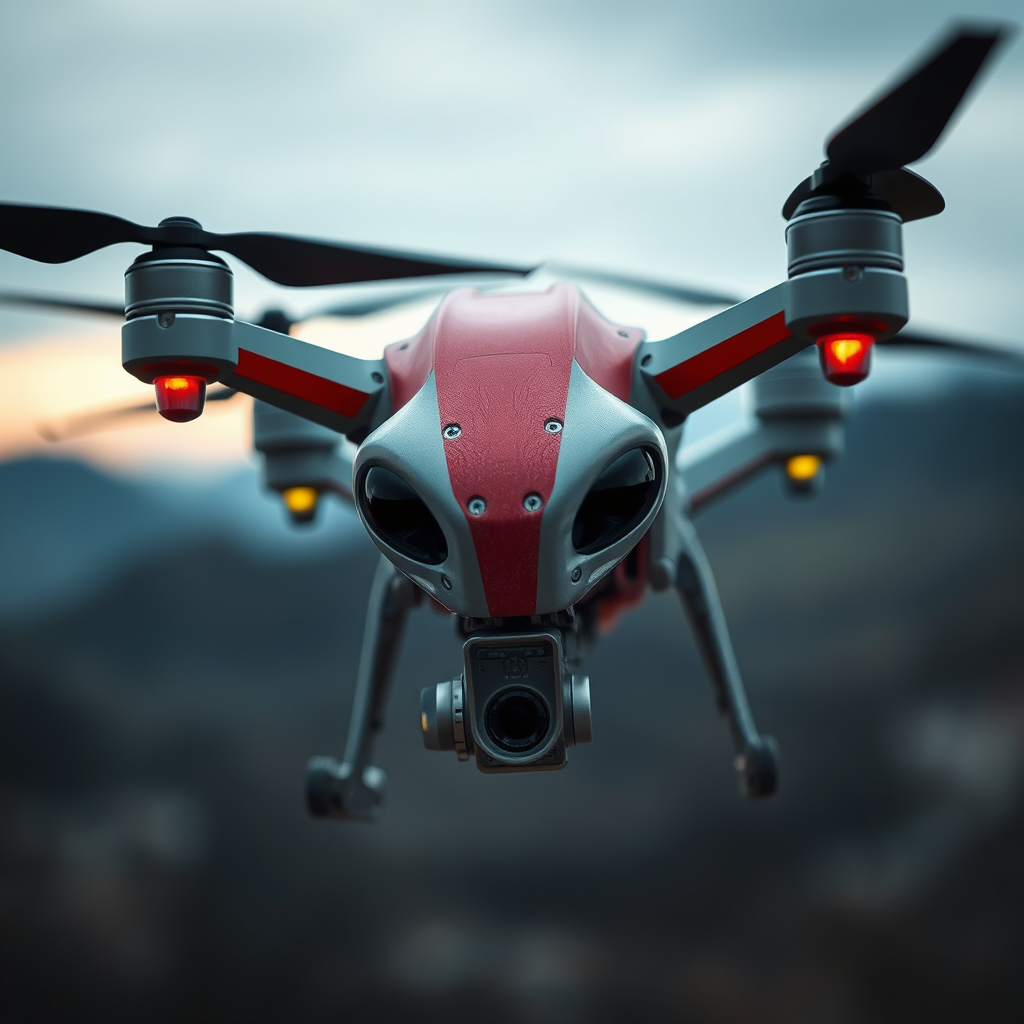
Aliens are typically defined as extraterrestrial beings from other planets, often imagined as life forms vastly different from Earth-based organisms. This definition invites a profound exploration of what constitutes “alien” technology versus biological entities. As we consider drones—machines designed and operated by humans for various purposes—we must question whether advanced technology could be classified as alien if it were created by intelligent beings from another world. Such a perspective challenges traditional views, suggesting that intelligence may manifest in forms beyond our current understanding of biology.
The Evolution of Drone Technology
Drones have rapidly advanced from simple remote-controlled devices to sophisticated autonomous machines capable of performing complex tasks. The trajectory of drone technology has seen innovations such as artificial intelligence, machine learning, and enhanced navigational systems, leading to their deployment in multiple industries, including agriculture, surveillance, and logistics. This evolution sparks speculation about advanced technology that might resemble drones, potentially created by alien civilizations. If extraterrestrial beings possess technological capabilities far beyond our own, it is conceivable that their machines could appear drone-like, capable of self-navigation, autonomous decision-making, and even advanced communication systems.
Sightings and Speculations
Numerous UFO sightings have led to speculation that some drones may be of extraterrestrial origin. These sightings often involve unidentified aerial phenomena (UAPs) exhibiting flight patterns and capabilities that defy conventional understanding. Analyzing famous cases—such as the Phoenix Lights incident in 1997 or the Tic Tac UFO encounters reported by U.S. Navy pilots—can help differentiate between advanced human technology and potential alien crafts. Many of these incidents remain unexplained and have fueled theories suggesting that some sightings could represent advanced drones or probes operated by alien intelligences. However, rigorous investigation often attributes these phenomena to either misidentified human-made objects or natural atmospheric occurrences.
Government and Military Perspectives
Governments around the world have conducted investigations into unidentified aerial phenomena, often dismissing claims of alien technology. The Pentagon’s establishment of the Unidentified Aerial Phenomena Task Force (UAPTF) reflects a growing interest in understanding these phenomena, yet their findings frequently emphasize the lack of evidence supporting extraterrestrial involvement. Interestingly, military drones themselves have been mistaken for UFOs, complicating the narrative surrounding alien technology. Incidents involving advanced military drones, like the MQ-9 Reaper, highlight the fine line between human innovation and the speculation surrounding alien technology, suggesting that not all sightings can be easily categorized.
The Role of Popular Culture
Films, literature, and media often depict aliens employing drone-like technology, significantly influencing public perception. Iconic representations, such as the drones in the “Transformers” series or the surveillance machines in “The Matrix,” blur the lines between reality and fiction. These portrayals shape beliefs about extraterrestrial capabilities and fuel public fascination with the idea of alien technology. Such narratives not only entertain but also provoke thought about the implications of advanced technology and the potential existence of life beyond Earth. As popular culture continues to evolve, it shapes societal views, prompting individuals to question the limits of technological advancement and the nature of life in the universe.
Scientific Opinions
The scientific community generally remains skeptical about the feasibility of aliens creating drone-like machines. While the search for extraterrestrial intelligence (SETI) focuses on signals and communications from other civilizations, experts acknowledge the theoretical possibility of advanced life forms developing technology that mirrors our own. Researchers often emphasize the vastness of the universe and the potential for diverse forms of life, suggesting that if intelligent extraterrestrial civilizations exist, they may possess technology beyond our current understanding. This perspective invites a broader discussion about the nature of intelligence and the potential forms it may take within the cosmos.
A Philosophical Perspective
The concept of aliens as drones raises intriguing questions about intelligence, consciousness, and technology. Philosophers have long debated the nature of being “alien,” examining the implications of advanced technology on our understanding of life. If advanced civilizations utilize machines akin to drones, what does that imply about their consciousness? Are these machines extensions of their creators, or do they possess their own form of intelligence? Exploring these themes can deepen our comprehension of what it means to be “alien” and challenge our assumptions about life, technology, and the universe.
In conclusion, while the idea of drones being aliens provokes curiosity, current evidence and understanding suggest that drones are human-made technology. However, the intersection of technology, philosophy, and speculation continues to inspire discussions on the possibilities of extraterrestrial life. As we advance in our own technological capabilities, the dialogue surrounding drones and their potential alien counterparts will likely evolve, encouraging a deeper exploration of what lies beyond our planet.
Frequently Asked Questions
Can drones be considered as evidence of alien life?
While drones are advanced technological devices created by humans for various purposes, some people speculate that unidentified flying objects (UFOs) could be advanced drones operated by extraterrestrial beings. However, there is no credible scientific evidence to support the claim that drones are directly linked to alien life. The majority of UFO sightings can often be attributed to misidentified aircraft, weather phenomena, or military testing.
How do drones differ from the typical representations of alien spacecraft?
Drones are typically designed for surveillance, photography, or delivery and are characterized by their specific shapes, sizes, and operational functions. In contrast, popular depictions of alien spacecraft often feature unconventional designs, such as saucer shapes or unique propulsion systems. The critical difference lies in their origins and intended uses; drones are man-made, while alien spacecraft are speculative constructs of science fiction and UFO lore.
Why do people think drones could be associated with aliens?
The association between drones and aliens often stems from the increasing prevalence of drones in the skies alongside reports of UFO sightings. Some individuals jump to conclusions, attributing unknown aerial phenomena to alien technology without sufficient evidence. Additionally, the rapid advancement of drone technology can blur the line between known capabilities and potential extraterrestrial advancements, leading to speculation and conspiracy theories.
Which countries have made significant advancements in drone technology that might fuel alien theories?
Countries such as the United States, China, and Israel have made substantial advancements in drone technology, particularly in military applications and surveillance capabilities. These innovations can sometimes lead observers to speculate about the origins of advanced aerial phenomena, mistakenly associating them with extraterrestrial technology. Understanding the context of drone development helps demystify these theories and emphasizes the human ingenuity behind these machines.
What should I do if I see a drone that I suspect might be an alien spacecraft?
If you encounter a drone or any unidentified flying object that raises your suspicions, it’s essential to approach the situation calmly. Documenting the sighting with photos or videos can be helpful, but avoid making unfounded claims without evidence. You can report the sighting to local authorities or organizations specializing in aerial phenomena, who can investigate further. Remember, most sightings can be attributed to known technologies, and engaging in rational investigation is crucial.
References
- https://en.wikipedia.org/wiki/Drone
- https://www.bbc.com/news/science-environment-53967988
- https://www.theguardian.com/science/2020/aug/07/are-we-alone-in-the-universe-the-case-for-alien-technology
- https://www.sciencedirect.com/science/article/pii/S0094576521000225
- https://www.nytimes.com/2020/06/25/science/ufo-report.html
- https://www.nasa.gov/feature/what-is-a-drone
- https://www.wired.com/story/what-is-a-drone/
- https://www.abc.net.au/news/science/2020-06-25/us-ufo-report-whats-next-for-alien-hunters/12376350
