
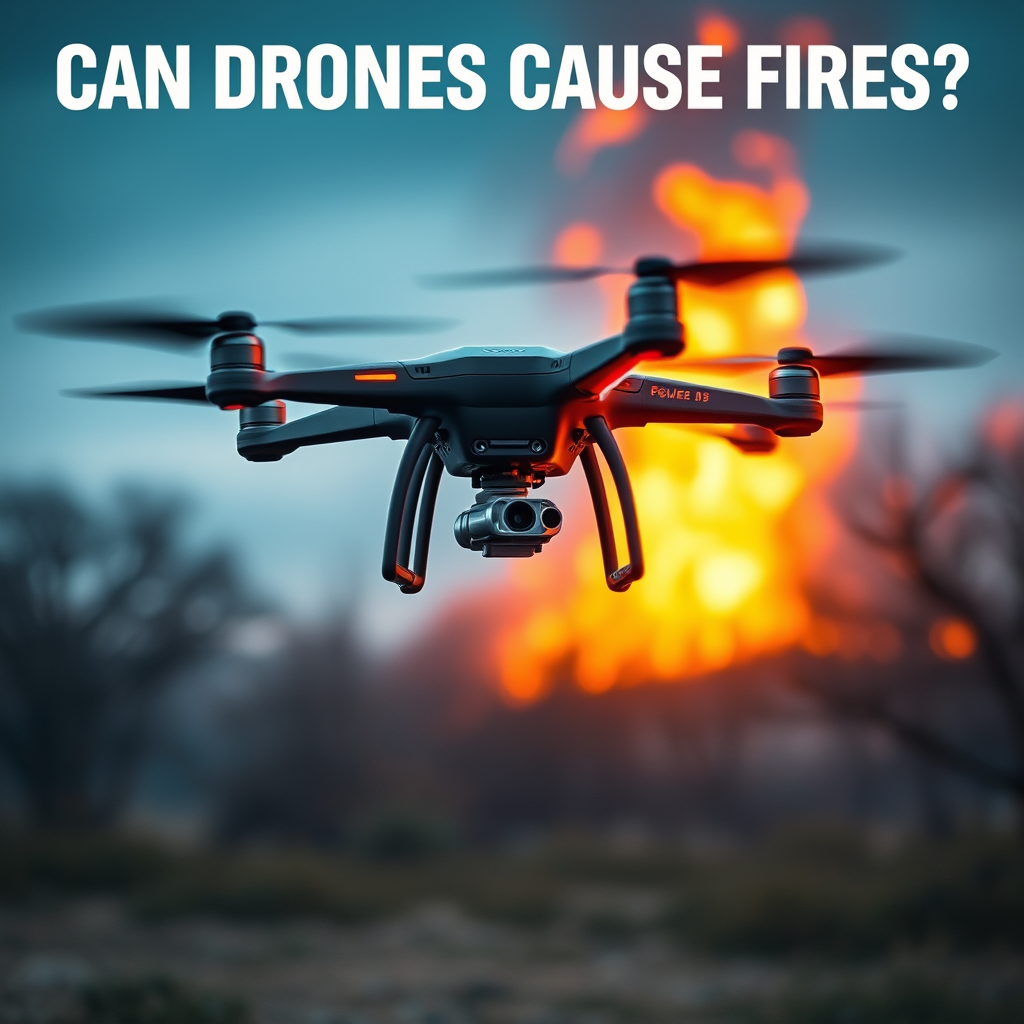
Drones can potentially cause fires, particularly when they come into contact with flammable materials or malfunction. Understanding the conditions under which drones may ignite fires is crucial for responsible use and safety measures. As the popularity of drones continues to rise across various industries, awareness of the risks they pose, including fire hazards, is essential for operators and regulatory bodies alike.
Overview of Drone Types and Their Uses
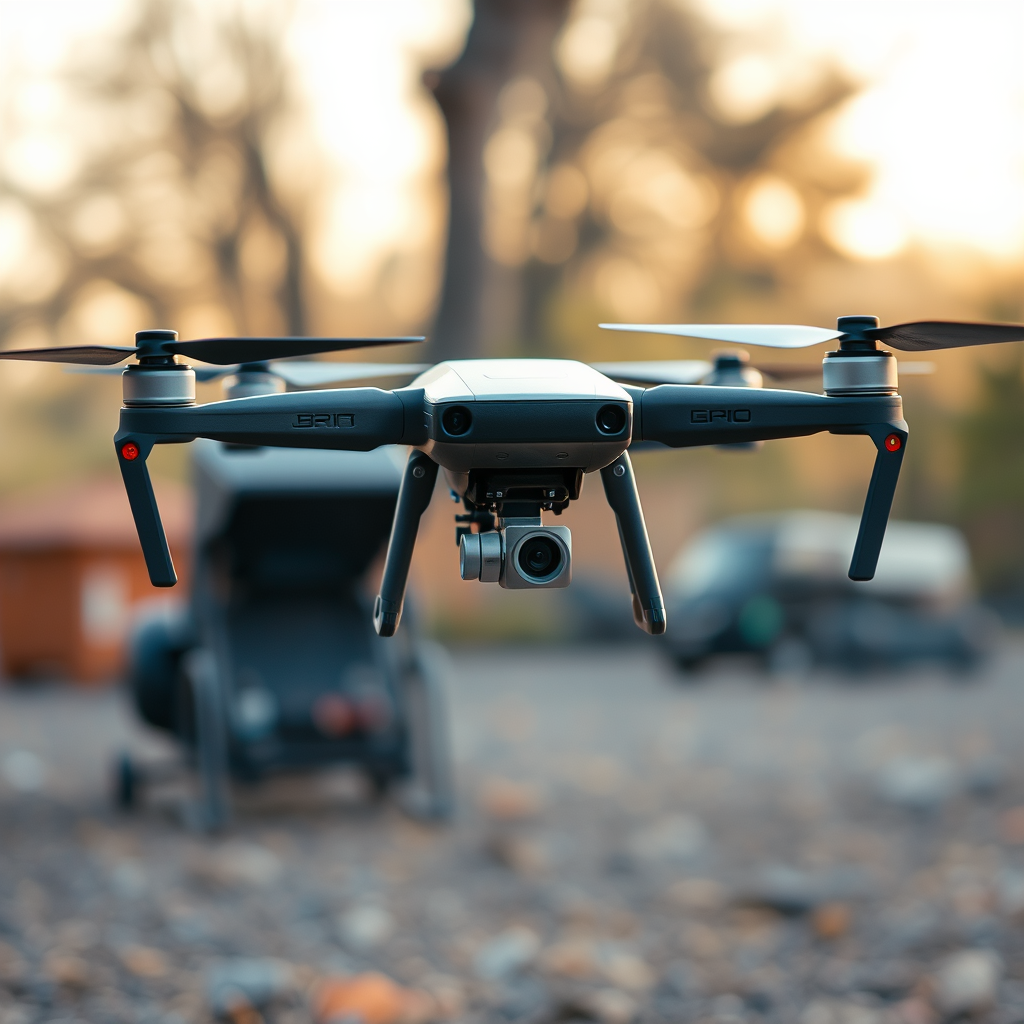
Drones come in various shapes and sizes, each designed for specific applications. The most common types include consumer drones, commercial drones, and industrial drones. Consumer drones, often used for photography and recreational purposes, are typically smaller and less powerful but can still pose risks if mishandled. Commercial drones, utilized in sectors such as agriculture and delivery services, often have advanced features like GPS and automated flight capabilities. Industrial drones, employed in construction or inspection services, can carry heavy loads and operate in harsher environments.
Each type of drone has varying capabilities and associated risks. For example, agricultural drones may use pesticides and fertilizers, which can create additional fire hazards in dry environments. Understanding the specific uses and limitations of each drone type is fundamental for mitigating fire risks. Additionally, the materials used in drone construction can also vary, influencing their susceptibility to overheating or igniting.
How Drones Can Start Fires
Drones can ignite fires through several mechanisms, primarily related to electrical malfunctions and crashes. Electrical malfunctions, such as battery failures or short circuits, can lead to overheating. Lithium polymer batteries, commonly found in drones, can be particularly volatile if damaged or improperly charged. Overheating may cause the battery to swell or even catch fire, which poses a significant risk, especially if the drone is operating near flammable materials.
Crashes also present a considerable risk for fire ignition. If a drone collides with flammable objects, it can create sparks or generate sufficient heat to ignite a fire. This is particularly concerning in outdoor environments, such as forests or grasslands, where dry vegetation can catch fire easily. Additionally, drones flying near power lines or electrical installations can create dangerous situations if they collide with these structures, leading to sparks and potential fires.
Real-Life Incidents Involving Drones and Fires
Several documented cases highlight the risks associated with drones and fires. One notable incident occurred in California during the 2020 wildfire season when a drone reportedly interfered with firefighting efforts, leading to a temporary suspension of air operations. Although the drone itself did not start a fire, its presence posed a significant risk by diverting resources away from fire containment efforts.
Another example includes a drone crashing into a dry field in a rural area, igniting a small fire that quickly spread due to high winds. Investigations revealed that the drone had experienced a battery malfunction shortly before the crash. These incidents underscore the importance of understanding the factors contributing to drone-related fire risks, including equipment failure and operational negligence.
Safety Regulations and Guidelines
In response to the potential fire hazards posed by drones, regulatory bodies have established guidelines governing drone usage. The Federal Aviation Administration (FAA) in the United States has implemented specific regulations to minimize risks, including prohibiting drone flights over wildfires and requiring operators to maintain a certain distance from populated areas.
Additionally, drone operators are encouraged to adhere to safety protocols, such as conducting pre-flight checks to ensure equipment is functioning properly and avoiding flights in high-risk environments, particularly during dry seasons. Following operational guidelines not only enhances safety but also fosters responsible drone use, which is critical for the sustainability of drone applications.
Preventative Measures for Drone Operators
Drone operators can take several preventative measures to reduce the risk of fire hazards. Regular maintenance is essential, including battery checks and ensuring all components are in good working order. Operators should be familiar with their drone’s specifications and limitations, particularly concerning battery life and operational altitude.
Furthermore, avoiding operation in high-risk environments is crucial. Drones should not be flown over dry fields, during high winds, or near power lines. Operators should also stay informed about local fire conditions, especially during dry seasons or droughts. Establishing a comprehensive safety checklist can help ensure that all potential hazards are addressed before flight.
The Role of Technology in Fire Prevention
Advancements in drone technology have introduced several features designed to enhance safety and prevent fires. Modern drones often include fail-safes, such as automatic return-to-home functions, which activate in case of battery failure or signal loss, ensuring that drones do not crash in hazardous locations.
Moreover, drones are increasingly being employed in fire detection and monitoring efforts. Equipped with thermal imaging cameras, drones can identify hotspots and monitor the spread of wildfires, allowing for quicker response times and reducing the risk of large-scale fire outbreaks. This proactive approach not only enhances safety for drone operators but also supports firefighting efforts and community safety.
While drones have the potential to cause fires, understanding the risks and adhering to safety measures can significantly mitigate these dangers. Responsible drone operation is essential for preventing accidents and ensuring a safe environment. By following regulations, implementing preventative measures, and leveraging technological advancements, drone operators can contribute to safer aerial practices while maximizing the benefits that drones offer across various industries.
Frequently Asked Questions
Can drones cause wildfires in dry conditions?
Yes, drones can potentially cause wildfires, especially in dry conditions. The primary risk arises from the heat generated by the drone’s motors and batteries, which can ignite flammable materials such as dry grass or leaves. Additionally, if a drone crashes in a dry area, the impact and resulting sparks can also lead to fires. It’s essential for drone operators to be aware of local fire regulations and avoid flying in high-risk areas during dry weather.
How do drone crashes contribute to fire hazards?
Drone crashes can contribute to fire hazards primarily due to the battery and electronic components. When a drone crashes, especially at high speeds, the impact can damage the battery, leading to short circuits or thermal runaway, which can ignite surrounding materials. Furthermore, the debris from the crash can create additional fire hazards by scattering flammable items, making it crucial for operators to fly responsibly and maintain situational awareness.
Why are drones considered a fire risk during firefighting operations?
Drones are considered a fire risk during firefighting operations because they can interfere with aerial firefighting efforts and create additional hazards. For example, a drone flying in the vicinity of firefighting aircraft can lead to collisions, forcing firefighters to divert their focus and resources. Additionally, if a drone crashes in an active fire zone, it can exacerbate the situation by igniting further fires or obstructing access to critical areas, making it vital for drone pilots to avoid active fire zones.
Which types of drones have a higher risk of causing fires?
Drones that have high-powered motors or are equipped with thermal imaging cameras tend to have a higher risk of causing fires. This is because they generate more heat during operation, which can pose a risk in dry or flammable environments. Additionally, poorly maintained drones or those using low-quality batteries are more prone to malfunction, increasing the likelihood of overheating or crashing, thus heightening the fire risk.
What precautions can drone operators take to prevent fire incidents?
Drone operators can take several precautions to prevent fire incidents, including conducting pre-flight checks to ensure the drone is in good working condition and using high-quality batteries. It is also important to avoid flying in dry, windy conditions or near flammable materials. Following local regulations and guidelines, as well as maintaining a safe distance from high-risk areas, can further reduce the risk of causing fires while operating drones.
References
- https://en.wikipedia.org/wiki/Drone#Fire_safety_concerns
- https://www.faa.gov/uas/resources/policy_library
- https://www.nytimes.com/2022/08/25/us/drone-fires.html
- https://www.sciencedirect.com/science/article/pii/S2212420918300668
- https://www.fire.ca.gov/media/4dxtqfls/2019-drone-report.pdf
- https://www.cnn.com/2020/01/29/us/drone-fires/index.html
- https://www.nap.edu/catalog/25310/drones-and-fire-safety-in-wildland-urban-interface-areas
- https://www.nifc.gov/FireInfo/nfn.html
