
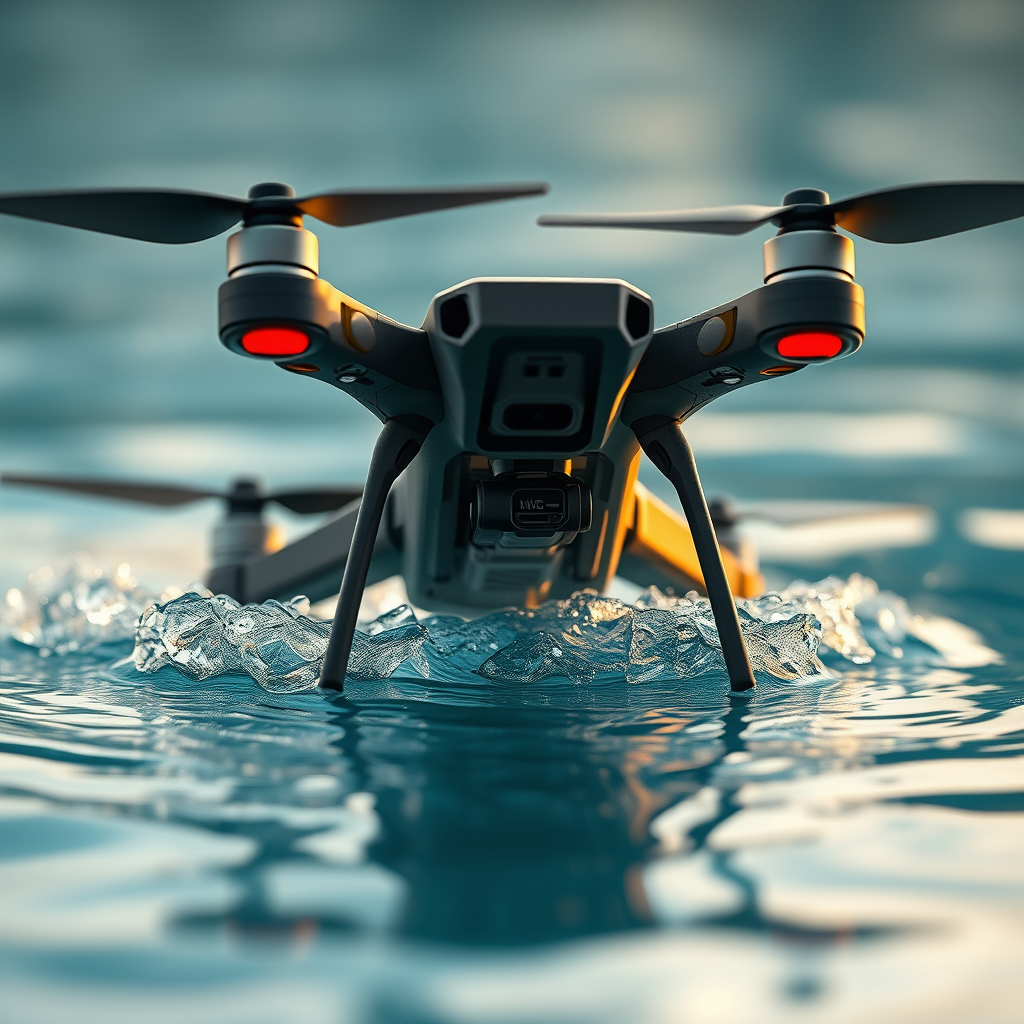
Drones can indeed come out of water, but their ability to operate afterward depends on several factors, including design, waterproofing, and the method of re-entry. Many drones are not built to withstand the rigors of aquatic environments, while others are specifically engineered to handle such conditions. In this article, we delve into the intricacies of drone waterproofing, the types of drones suitable for water operations, the mechanisms involved in exiting water, relevant use cases, challenges faced by drones after water exposure, and essential maintenance practices.
Understanding Drone Waterproofing
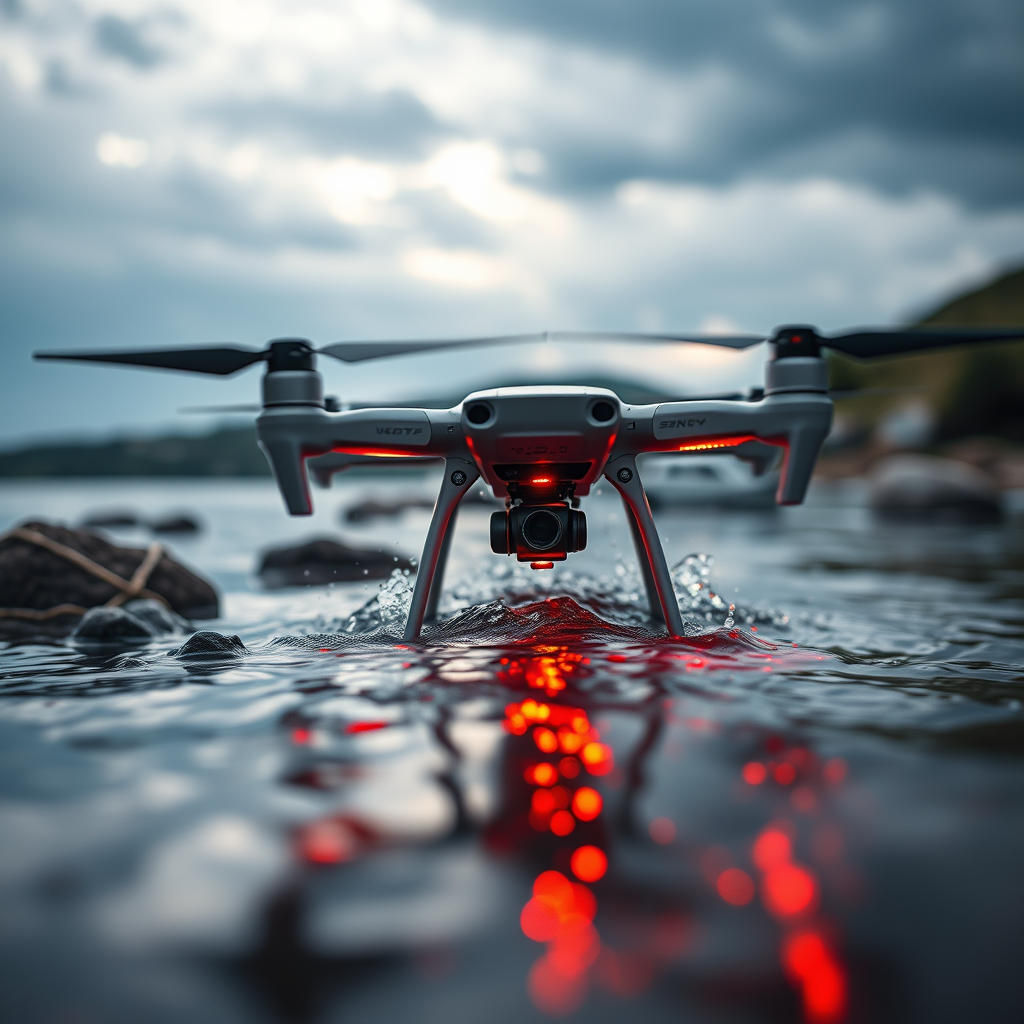
Not all drones are designed to be waterproof, and the level of protection against water varies significantly among different models. Waterproof drones typically feature specialized materials and sealing mechanisms that prevent water ingress, thereby safeguarding critical internal electronics. The Ingress Protection (IP) rating system is commonly employed to gauge a drone’s resistance to water and dust. For instance, a drone with an IP67 rating can withstand immersion in water up to one meter for 30 minutes, making it suitable for various aquatic operations. Conversely, drones with lower IP ratings may only resist splashes or light rain, making them ill-suited for tasks that involve water contact. Understanding these specifications is crucial for users seeking drones for environments where water interaction is unavoidable.
Types of Drones Capable of Water Operations
When considering drones that can operate after coming out of water, two primary categories emerge: amphibious drones and specialized underwater drones. Amphibious drones are designed to take off and land on both land and water surfaces, which allows for versatile applications in search and rescue missions or environmental monitoring. An example of such a drone is the Swellpro Splash Drone, which boasts waterproof features and can operate in challenging weather conditions.
On the other hand, specialized drones like Remotely Operated Vehicles (ROVs) are designed for underwater exploration but can also transition to aerial operation. These drones are equipped with robust buoyancy systems and powerful propulsion mechanisms that facilitate smooth re-entry from underwater to aerial environments. The ability to switch between aquatic and aerial operations opens a plethora of use cases, particularly in fields like marine biology and underwater archaeology.
The Mechanism of Exiting Water
The process of a drone exiting water involves several technical considerations that are crucial for successful operation. Drones equipped with waterproof components can manage a smooth exit from water, thanks to innovative designs that address buoyancy and propulsion. For example, drones with specialized flotation devices can aid in their emergence from the water, while powerful motors provide the necessary thrust to achieve lift-off.
Effective buoyancy management is critical in ensuring that the drone remains stable during its transition from water to air. Additionally, the propulsion system must be capable of overcoming the added weight of waterlogged components, ensuring a seamless re-emergence. Failure to account for these mechanisms can result in equipment failure, compromised performance, or complete operational incapacity.
Use Cases for Water-Exiting Drones
The versatility of drones that can operate after coming out of water opens up a variety of practical applications. One prominent use case is in search and rescue missions, where drones can retrieve vital data or equipment from water bodies. For instance, drones have been employed to locate missing persons in lakes or rivers, providing real-time aerial footage while also being able to land on the water surface for closer inspections.
Another significant application is in environmental monitoring, particularly for aquatic ecosystems. Drones can collect data on water quality, wildlife populations, and habitat conditions by alternating between above and below water operations. This capability is especially crucial for researchers studying sensitive environments, as it allows for non-intrusive observations and data collection without disturbing the natural habitat.
Challenges Faced by Drones Exiting Water
Despite the advantages, drones that exit water face several challenges that users must consider. One of the primary concerns is water ingress, which can damage internal electronics if the drone is not adequately sealed. Even drones with high IP ratings may face wear over time, especially if exposed to harsh conditions such as saltwater or debris-laden environments.
Another challenge is the recovery time and performance degradation that may occur post-water exposure. Drones may require a drying period before they can function optimally again, impacting their usability during critical missions. Users should also be aware of the potential for corrosion in metal components, especially in saltwater environments, which can significantly shorten the lifespan of the drone.
Maintenance and Care for Water-Used Drones
To ensure longevity and optimal performance, regular maintenance and care are essential for drones used in aquatic environments. After each water exposure, users should inspect seals and electronic components for signs of wear or damage. This proactive approach can prevent catastrophic failures during subsequent operations.
Cleaning procedures are also crucial, particularly for drones that have been in saltwater. Users should rinse the drone with fresh water to remove any salt residue, which can cause corrosion over time. Additionally, lubricating moving parts and checking battery connections can enhance overall performance and extend the drone’s lifespan. Keeping a detailed maintenance log can also help users track potential issues and ensure timely interventions.
In conclusion, while drones can come out of water, their operational success post-exit hinges on their design and maintenance. Understanding the intricacies of waterproofing, the types of drones available, the mechanisms involved in exiting water, the various use cases, the challenges faced, and the required maintenance practices will empower users to maximize the capabilities of their water-handling drones. For more insights or to explore specific models, feel free to reach out!
Frequently Asked Questions
Can drones be designed to operate in and out of water?
Yes, some drones are specifically designed to operate in aquatic environments. These drones, often referred to as amphibious drones, can take off and land on water surfaces, making them suitable for various applications such as search and rescue missions, marine research, and aquatic surveillance. Their waterproof design and buoyant features allow them to transition seamlessly between water and air, enhancing their versatility.
How do drones handle water landings and takeoffs?
Drones that are capable of water landings and takeoffs utilize specialized features like waterproof casings, floats, and rotors that are resistant to water damage. When landing on water, these drones often use a controlled descent to ensure a gentle touch down, while takeoff typically involves a rapid ascent from the water’s surface. Proper engineering allows these drones to maintain stability and functionality even after exposure to water, though post-use maintenance is crucial to prevent corrosion.
Why would someone want a drone that can come out of water?
Drones that can operate in and out of water offer numerous advantages, particularly for those involved in marine activities or rescue operations. They can access hard-to-reach areas, gather data from aquatic environments, and perform tasks such as delivering supplies or surveying coastal regions. Additionally, these drones can be invaluable in emergency situations where traditional vehicles cannot reach, providing real-time aerial views and facilitating rescue efforts.
What are the best drones for water landings?
The best drones for water landings typically include models like the Swellpro Splash Drone 4, which features waterproof construction and a payload capacity for carrying fishing lines or cameras. Another excellent choice is the DJI Mavic 2 Enterprise, especially when used with waterproof modifications. When selecting a drone for water use, it’s important to consider factors like flight time, payload capacity, and ease of retrieval from the water.
Which features should I look for in a waterproof drone?
When choosing a waterproof drone, look for features such as IP ratings indicating water resistance levels, buoyancy aids to keep the drone afloat, and corrosion-resistant materials to withstand saltwater exposure. Additionally, consider flight stability in windy conditions, battery life, and the ability to carry payloads like cameras or sensors for specific applications. These features will ensure that the drone performs effectively in aquatic environments while providing durability and reliability.
References
- https://en.wikipedia.org/wiki/Drone#Capabilities
- https://www.sciencedirect.com/science/article/abs/pii/S2212017317300208
- https://www.nasa.gov/feature/nasa-drones-to-fly-in-water
- https://www.reuters.com/article/us-tech-drones-idUSKBN1D40D4
- https://www.bbc.com/future/article/20200615-how-drones-could-tackle-the-climate-crisis
- https://www.army.mil/article/239686/army_researchers_design_submersible_drones_for_water_operations
- https://www.wired.com/story/drones-water-rescue/
- https://www.cnbc.com/2021/06/14/drones-dive-into-water-for-new-uses.html
