
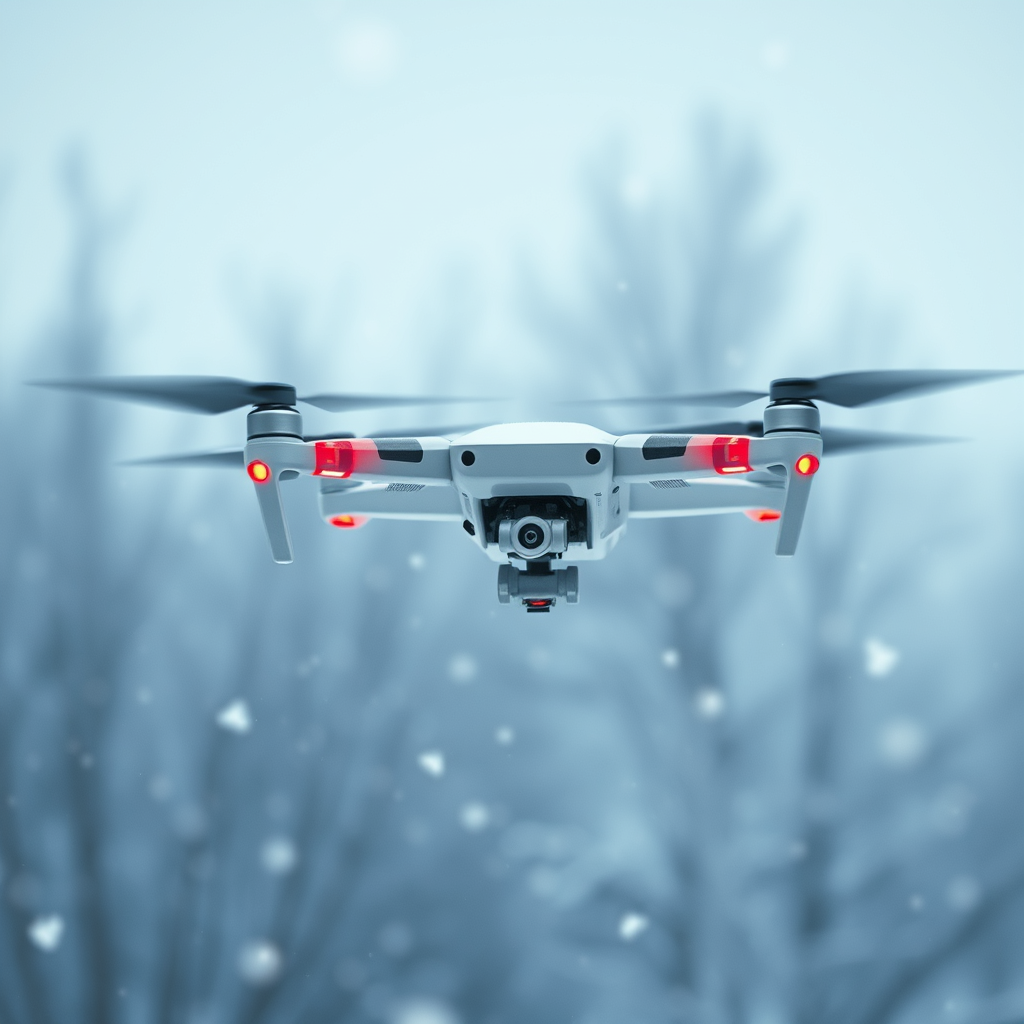
Yes, drones can fly in the snow, but several factors influence their performance in such conditions. The ability of a drone to operate effectively in snowy environments depends on its design, battery management, and the operator’s awareness of unique challenges. In this article, we will explore the capabilities of drones in snowy conditions, examine the specific challenges they face, and provide essential tips for safe operation.
Understanding Drone Mechanics in Cold Weather
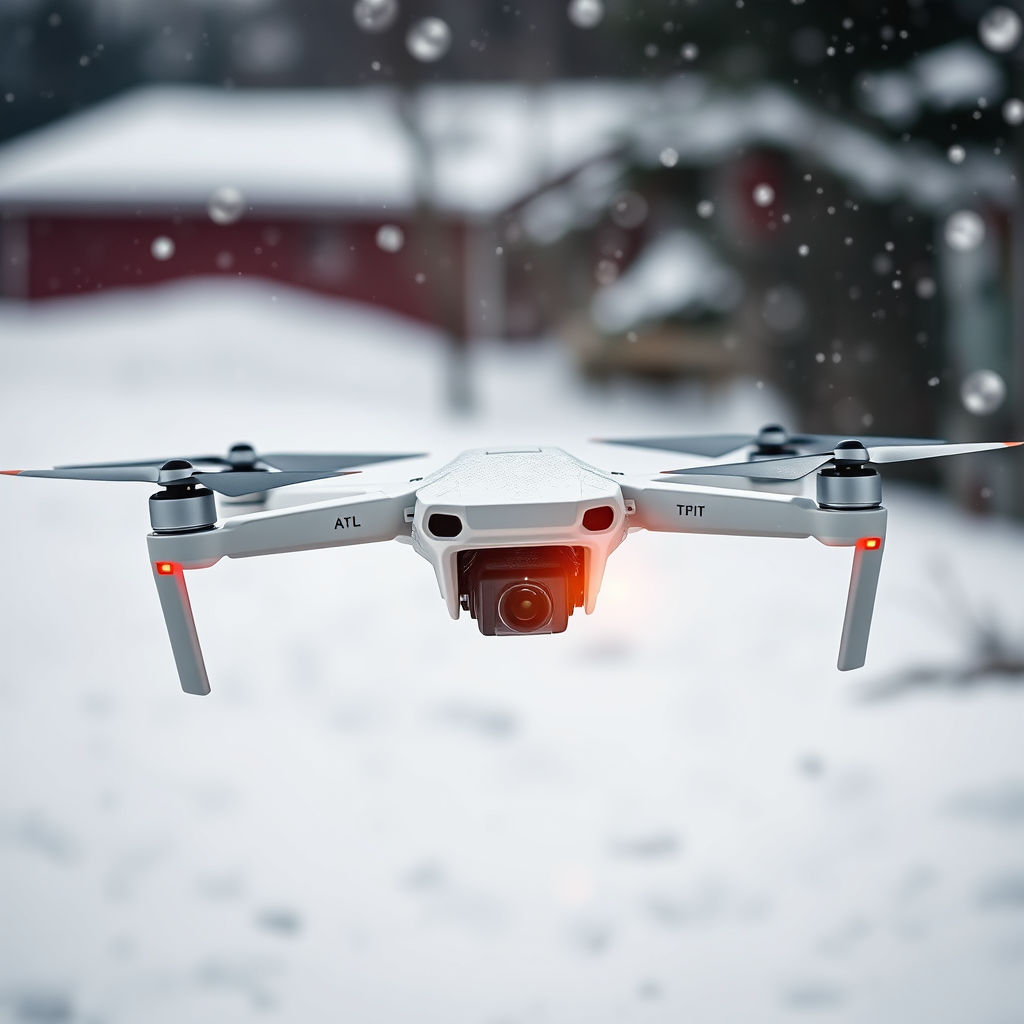
Drones are designed to operate in a variety of weather conditions, including low temperatures. However, flying a drone in cold weather presents distinct challenges that operators must understand. The performance of a drone’s battery is significantly affected by the temperature; as it drops, the battery’s capacity and efficiency diminish. This is particularly crucial for lithium polymer (LiPo) batteries, which are commonly used in consumer drones. Operators may find that flights are shorter in duration when temperatures plummet, making pre-flight battery checks vital.
Moreover, cold weather can affect the drone’s electronics and sensors. The precision needed for stable flight can be compromised by the effects of low temperatures, which may cause components to operate less efficiently. For instance, GPS signals can be less reliable in extreme cold, potentially impacting navigation capabilities. Understanding these mechanics is crucial for operators aiming to maintain performance and safety while flying in snowy conditions.
The Impact of Snow on Drone Performance
Snow accumulation presents both physical and operational challenges for drone performance. When snow settles on the drone, it can add significant weight, which affects aerodynamics and stability. Increased weight can lead to decreased flight time and can strain the motors, potentially leading to overheating or failure if the drone is overloaded.
Visibility is another critical factor; snow can reduce visibility dramatically, both for the drone and the operator. This limitation can hinder navigation and remote piloting, making it difficult to maintain a clear line of sight to the drone. Operators should be aware of these challenges and plan their flights accordingly, considering factors such as wind direction and flight path to minimize the risk of losing sight of the drone.
Battery Performance in Cold Conditions
Battery performance is one of the most critical aspects to consider when flying drones in cold weather. Lithium polymer batteries, which are standard in many drone models, lose efficiency as temperatures drop. At temperatures below 32°F (0°C), the battery may not only provide less power but can also discharge at a faster rate, leading to shorter flight times and unexpected shutdowns mid-flight.
To maintain battery health during cold weather, operators should consider several strategies. First, keeping the batteries warm before flights is essential; storing them in insulated bags or using battery warmers can help maintain optimal temperatures. Additionally, operators should conduct pre-flight checks to ensure that batteries are fully charged and functioning properly. After flights, it is advisable to bring batteries indoors to warm them back up gradually, as rapid temperature changes can cause damage.
Camera and Sensor Limitations
The functionality of cameras and sensors on drones can face significant limitations in snowy conditions. Moisture from snow can fog lenses, leading to poor image quality and reduced visibility for the operator. In extreme cases, snow accumulation can even damage sensitive sensors, affecting the overall operation of the drone.
To mitigate these risks, operators should consider using protective covers or filters specifically designed for snowy conditions. These accessories can help shield the camera from moisture and snow, preserving image clarity and sensor functionality. Additionally, regular maintenance and cleaning of lenses and sensors after flights can prevent long-term damage and ensure optimal performance in future operations.
Regulations and Best Practices for Flying in Snow
Before taking flight in snowy conditions, operators must familiarize themselves with local regulations regarding drone operations in adverse weather. Many jurisdictions have specific guidelines that address flying during inclement weather, including snow. Adhering to these regulations is essential not only for safety but also for legal compliance.
Best practices for flying in snow include operating at lower altitudes to reduce the risk of losing the drone in poor visibility conditions. It is also advisable to avoid flying during heavy snowfall, as this can severely impact both visibility and drone performance. Operators should maintain a safe distance from obstacles, ensuring that they have ample maneuvering space in case of sudden changes in the drone’s handling.
Tips for Successful Snow Drone Operations
Successful snow drone operations require diligent preparation and awareness of the unique challenges presented by winter weather. Conducting thorough pre-flight checks is crucial. This includes inspecting all systems to ensure they are functioning correctly, checking battery levels, and confirming that the drone is free of snow and ice buildup before takeoff.
Strategies for keeping the drone dry and minimizing snow exposure are equally important. Using a drone cover or tarp when setting up can protect the equipment from snow accumulation. Additionally, planning flight paths that avoid flying directly into heavy snow can help maintain visibility and operational control.
Finally, it is wise to conduct test flights in controlled environments before attempting complex missions in snowy conditions. This allows operators to gain confidence in their drone’s performance while also providing an opportunity to identify any potential issues that may arise during actual flights.
In conclusion, while drones can successfully fly in snowy conditions, operators must be aware of the challenges and take necessary precautions. Understanding how snow affects drone performance, from battery efficiency to visibility issues, is vital for safe operations. By following best practices and implementing strategies to mitigate risks, drone enthusiasts can enjoy the thrill of flying even in winter weather.
Frequently Asked Questions
Can drones fly in snowy weather?
Yes, drones can fly in snowy weather, but there are several factors to consider. Snow can affect a drone’s performance, including battery life, visibility, and overall handling. It’s crucial to ensure that the drone is rated for cold weather and that any snow accumulation on the drone’s components is removed before flight to prevent damage or malfunction.
How does snow affect drone battery life?
Cold temperatures, such as those encountered during snowy conditions, can significantly reduce a drone’s battery life. Lithium-polymer batteries, commonly used in drones, can lose capacity in colder environments, resulting in shorter flight times. To mitigate this, it’s advisable to keep batteries warm before use and monitor battery levels closely during flights in the snow.
What precautions should I take when flying a drone in the snow?
When flying a drone in the snow, it’s important to take several precautions for safety and optimal performance. Ensure that your drone is equipped with propeller guards to prevent snow buildup and check that all components are functioning properly. Additionally, avoid flying in heavy snow or gusty winds, as visibility and control can be compromised in such conditions.
Why is it important to avoid flying drones in heavy snow?
Flying drones in heavy snow can lead to several issues, such as reduced visibility, increased weight from snow accumulation, and potential loss of control. Heavy snow can also interfere with GPS signals and other navigation systems, making it difficult to operate the drone safely. It’s best to fly during light snowfall or clear conditions to ensure a safe and enjoyable flying experience.
Which drones are best suited for flying in snowy conditions?
Drones specifically designed for rugged environments are typically best suited for flying in snowy conditions. Look for models with weather-resistant features, such as waterproof or snowproof ratings, and those equipped with robust batteries that perform well in cold temperatures. Popular choices include DJI’s Mavic series and the Parrot Anafi, which have proven reliable in various weather conditions.
References
- https://en.wikipedia.org/wiki/Drone
- https://www.bbc.com/future/article/20210106-can-drones-fly-in-the-snow
- https://www.nasa.gov/centers/dryden/pdf/88542.pdf
- https://www.sciencedirect.com/science/article/pii/S2352864817301175
- https://www.faa.gov/uas/resources/policy_library/
- https://www.nist.gov/news-events/news/2021/03/nist-research-suggests-drones-can-fly-safely-snow-and-ice
- https://www.usda.gov/topics/farming/drones-agriculture
- https://www.researchgate.net/publication/327593914_The_Impact_of_Environmental_Conditions_on_Quadcopter_Drones
