
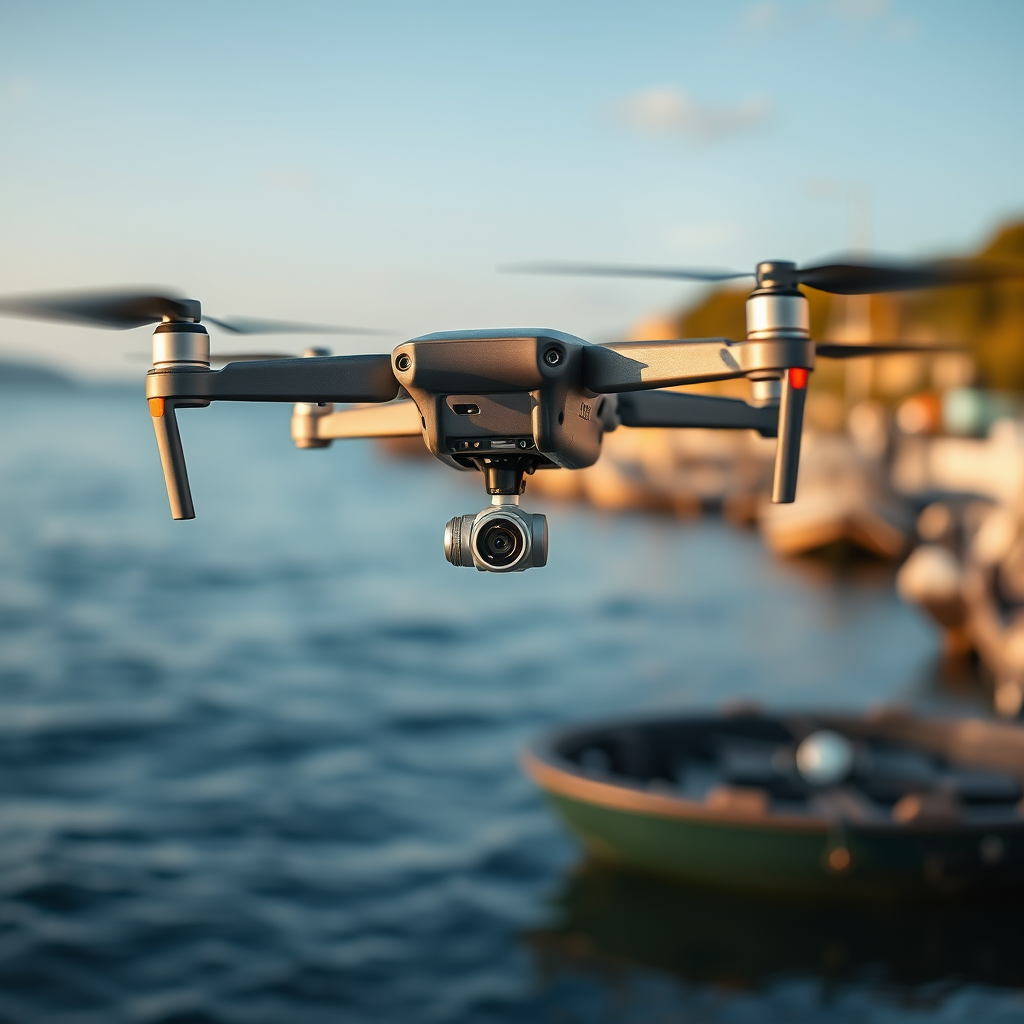
Yes, drones can fly over water, but there are several important factors to consider for safe operation and optimal performance. While many consumer drones are indeed capable of flying over aquatic environments, the inherent risks and challenges associated with such flights necessitate careful planning and awareness. This article will delve into the capabilities, challenges, and best practices for operating drones in and around water bodies, ensuring a successful and enjoyable flying experience.
Understanding Drone Capabilities
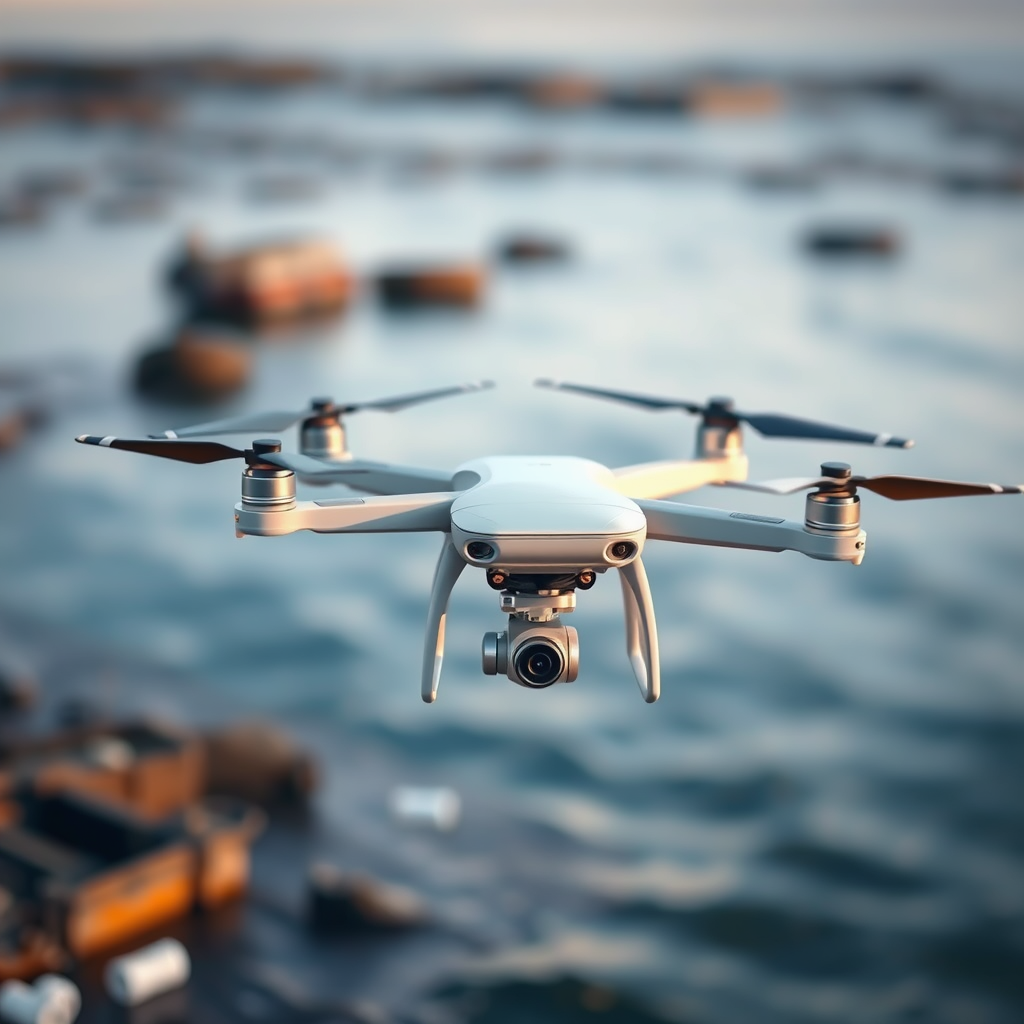
Many consumer drones are designed to be lightweight and versatile, capable of flying over various terrains, including water. The majority of commercial and recreational drones utilize advanced technology that allows them to achieve stable flight even in challenging conditions. However, it’s imperative to understand that not all drones are created equal when it comes to water exposure.
Some models feature water-resistant capabilities, which allow them to withstand splashes or brief encounters with moisture. For instance, the DJI Mavic Air 2 and the DJI Mini 2 have some degree of water resistance, making them suitable for flying near water bodies without immediate risk. Nevertheless, this does not mean they are waterproof; prolonged exposure to water can lead to significant damage. Therefore, operators must recognize their drone’s specifications and limitations to prevent unwanted malfunctions.
Safety Considerations
Water can pose serious risks, particularly regarding the potential for loss due to crashes or malfunctions. The risk of losing a drone over water is notably higher than in land-based environments, where recovery is often more feasible. Understanding your drone’s limits—such as battery life, signal range, and weather conditions—is crucial for safe operation.
Moreover, regulatory compliance is an essential aspect of flying drones over water. Each region has specific regulations concerning drone operation, particularly near public waters or wildlife reserves. Failing to adhere to these regulations can result in fines or legal repercussions. Always check local laws and guidelines to ensure that your flight is lawful and responsible.
Choosing the Right Drone
When considering drone operation over water, selecting the right model is paramount. Drones specifically designed for water use often come equipped with enhanced stability and durability features that make them better suited for aquatic conditions. For example, the Swellpro Splash Drone 3 is designed for marine environments and is fully waterproof, allowing it to land on and take off from water without risk.
In addition to water resistance, opt for drones that include GPS and return-to-home features. These capabilities are vital for preventing loss over water, as they enable the drone to autonomously return to its takeoff point in case of signal loss or low battery warnings. Understanding your options and selecting a drone that meets your specific needs can significantly enhance your flying experience.
Environmental Factors
Environmental conditions play a critical role in drone performance, especially when flying over water. Wind can be a major factor; strong gusts can disrupt stability and control, leading to crashes. Ideally, aim for calm days with minimal wind for the best flying experience. Furthermore, sudden weather changes can impact visibility, making it challenging to navigate effectively.
Additionally, being mindful of local wildlife and ecosystems is essential. Drones can disturb animals, particularly nesting birds or aquatic wildlife. In sensitive habitats, it is advisable to maintain a respectful distance and avoid flying during peak times of wildlife activity. This not only preserves the ecosystem but also demonstrates responsible drone operation.
Best Practices for Flying Over Water
To ensure a successful flight, conducting pre-flight checks is crucial. Confirm that your drone’s battery is fully charged, signal strength is optimal, and all equipment is functioning correctly. Additionally, familiarize yourself with your drone’s controls and features before taking off. A solid understanding of your drone’s capabilities can significantly reduce the risk of accidents.
Using a spotter is another best practice for flying over water. A second person can help monitor the drone’s location and assist in navigation, especially when visibility is compromised. This collaborative approach enhances safety and can provide valuable support in case of emergencies.
Emergency Procedures
Familiarizing yourself with emergency landing techniques is essential for drone operation over water. In the event of signal loss or a low battery warning, knowing how to execute an emergency landing can be the difference between recovery and loss. Many drones have built-in emergency protocols that will guide them back to the takeoff point, but being prepared to take manual control can be beneficial.
Additionally, consider carrying a flotation device or retrieving system for your drone if it lands in the water. Products like drone floats or rescue kits can provide a safety net, allowing for the recovery of your drone should it inadvertently land in an aquatic environment. This foresight can save your investment and ensure that you can continue enjoying drone flights in the future.
In summary, while drones can indeed fly over water, it is essential to choose the right model, understand safety protocols, and monitor environmental conditions. By following these guidelines and implementing best practices, you can enhance your drone-flying experience over aquatic landscapes, ensuring both safety and enjoyment during your flights.
Frequently Asked Questions
Can drones fly over water without risk of crashing?
Yes, drones can fly over water, but there are inherent risks involved. Water can reflect GPS signals, leading to potential navigation issues, and the risk of losing signal or control increases in such environments. To mitigate these risks, it’s essential to ensure that your drone is equipped with reliable GPS and to maintain visual line of sight while flying.
What types of drones are best suited for flying over water?
The best drones for flying over water are those with waterproof or water-resistant features. Models designed for marine environments, like the DJI Mavic Air 2 or the SwellPro Splash Drone, are specifically engineered to handle splashes and moisture. Additionally, drones with advanced stabilization systems and robust safety features can help ensure a smooth flight over open water.
How can I protect my drone when flying over saltwater?
To protect your drone when flying over saltwater, it is crucial to use a drone with corrosion-resistant materials and protective coatings. Before flying, apply a waterproof sealant to vulnerable components and ensure that all ports are sealed. After the flight, rinse the drone with fresh water to remove any salt residue, and dry it thoroughly to prevent corrosion.
Why is it important to check local regulations before flying a drone over water?
Checking local regulations is vital because flying a drone over water may be restricted in certain areas due to wildlife habitats, no-fly zones, or privacy concerns. Additionally, compliance with local laws helps avoid hefty fines and ensures a safe flying experience. Always research and adhere to the Federal Aviation Administration (FAA) guidelines or local laws governing drone usage in your area.
What should I do if my drone crashes into the water?
If your drone crashes into water, act quickly to retrieve it to minimize damage. Immediately look for the drone and, if possible, use a retrieval device such as a fishing net or a long pole. After recovery, turn off the drone, remove the battery, and dry it thoroughly. Avoid turning the drone back on until you have ensured it is completely dry to prevent electrical short-circuiting.
References
- https://en.wikipedia.org/wiki/Drone
- https://www.faa.gov/uas/
- https://www.nasa.gov/mission_pages/earthscience/ocean/index.html
- https://www.reuters.com/article/us-usa-drones-idUSKCN1UJ2E4
- https://www.sciencedirect.com/science/article/pii/S2352864818306705
- https://www.theguardian.com/technology/2019/mar/02/drones-flying-over-water-safety-regulations
- https://www.pnas.org/doi/10.1073/pnas.1907107116
- https://www.aopa.org/news-and-media/all-news/2020/march/03/drones-promise-new-potential-for-maritime-research
