
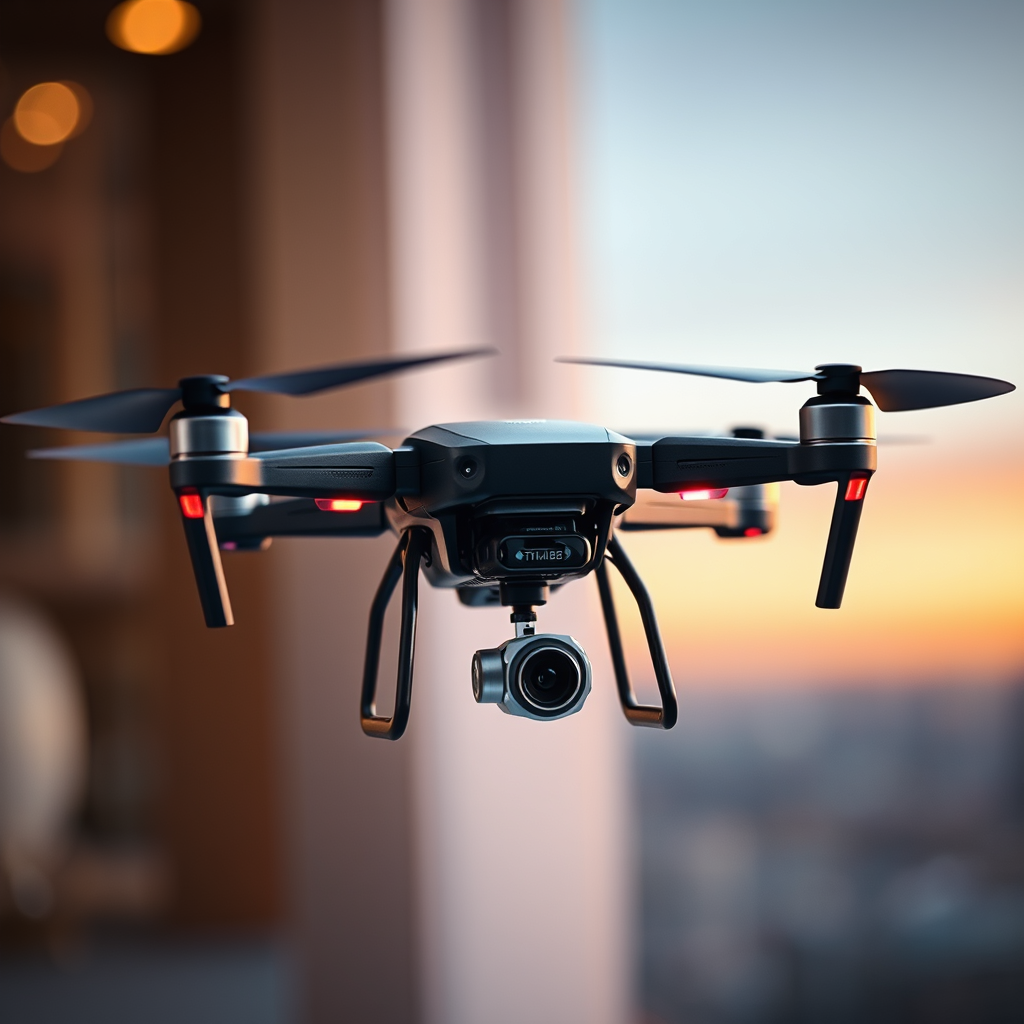
Drones can indeed fly without WiFi. Many models are designed to operate autonomously or can be controlled via direct radio signals, allowing for versatile applications even in areas devoid of internet connectivity. Understanding how drones function without WiFi opens up a world of possibilities for both recreational users and professionals in various fields, ranging from agriculture to emergency services.
Understanding Drone Connectivity
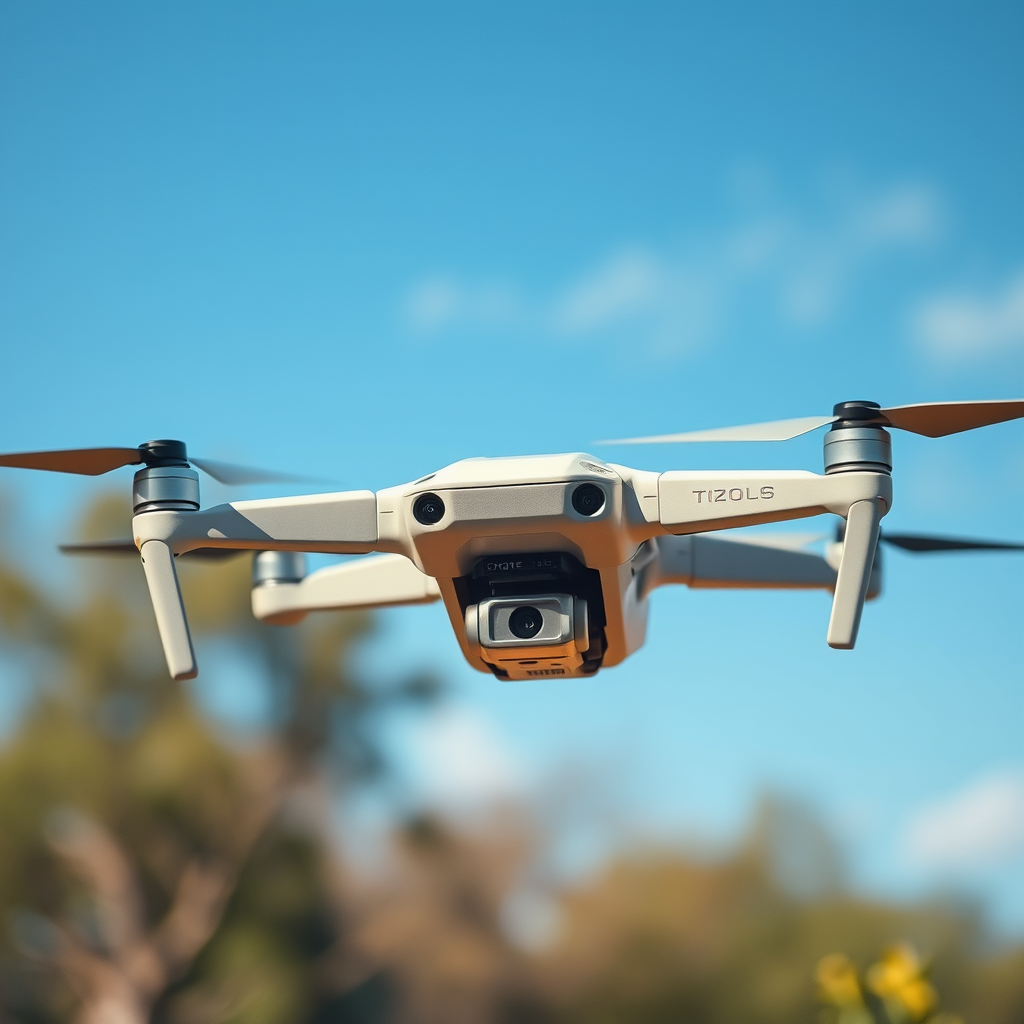
Drones utilize various communication methods to ensure they remain controllable and functional during flight. The primary modes of communication include radio frequencies, GPS, and, in some cases, WiFi. While WiFi is a popular choice for certain tasks—like streaming high-definition video or transferring large files—it’s not necessary for basic flight operations. In fact, most consumer drones can connect to a remote controller using radio frequencies, allowing the pilot to guide the drone without relying on an internet connection.
This capability is crucial for scenarios where WiFi might be unreliable or non-existent, such as rural areas, during natural disasters, or in remote locations. The reliance on radio signals, which typically operate in the 2.4 GHz or 5.8 GHz bands, ensures that drones can maintain control and perform their intended functions even when disconnected from a WiFi network.
Types of Drones That Don’t Require WiFi
Numerous consumer drones are engineered to function without WiFi, showcasing a range of adaptability for different uses. For instance, many entry-level and mid-range models are equipped with autonomous flight capabilities, allowing them to follow pre-programmed flight paths or return to their home base when the battery is low—all without needing an internet connection.
Racing drones and hobbyist models also typically operate using direct remote controls. These drones are designed for speed and agility, prioritizing responsiveness over connectivity. Their performance relies on a robust radio frequency system that allows for minimal latency in control, providing an exhilarating experience for enthusiasts while ensuring reliable operation without WiFi.
Flight Modes and Autonomy
Drones are increasingly equipped with advanced flight modes that enable them to operate autonomously. Many models can be programmed to execute specific flight paths using onboard GPS and sensors, facilitating navigation without real-time internet connectivity. For example, agricultural drones can autonomously survey vast fields, collecting data on crop health and soil conditions based solely on pre-set routes.
Autonomous drones also utilize technologies like obstacle avoidance and terrain mapping, which further enhance their ability to navigate independently. These features are critical in applications such as wildlife monitoring, where drones can operate in remote areas without the need for continuous WiFi access. The ability to fly autonomously not only improves operational efficiency but also expands the potential use cases for drone technology.
Limitations of Flying Without WiFi
While flying without WiFi offers significant advantages, it does come with limitations that users must consider. One major drawback is the lack of a live video feed, which can hinder a pilot’s ability to navigate accurately. Without real-time visual data, operators may struggle to assess the drone’s environment and make informed decisions during flight. This limitation is particularly relevant in complex scenarios such as obstacle-dense urban environments or when capturing high-quality imagery for commercial projects.
Additionally, the range of a drone is often restricted when operating without WiFi. Most consumer drones depend on radio signals for communication with their remote controllers, and these signals can be obstructed by physical barriers such as buildings or trees. As a result, pilots may find themselves limited in the distance they can operate their drones effectively. Understanding these limitations is crucial for users to plan their flights effectively and ensure safe operations.
Use Cases for Non-WiFi Flight
The ability for drones to fly without WiFi opens up a myriad of applications across various industries. In emergency response scenarios, such as search and rescue missions, the need for reliable operation in areas devoid of internet coverage is paramount. Drones can quickly survey large areas, locate missing persons, and relay crucial information back to ground teams without the need for WiFi.
In agriculture, drones have revolutionized farming practices by providing aerial insights into crop health and soil conditions. These drones can operate autonomously, gathering data and performing tasks such as spraying pesticides or fertilizers efficiently and accurately, all while being disconnected from the internet. This capability is particularly advantageous in rural areas where WiFi infrastructure may be lacking.
Furthermore, infrastructure inspections, such as monitoring power lines or pipelines, can be conducted effectively without WiFi. Drones equipped with high-resolution cameras can survey these structures and provide detailed reports, allowing for timely maintenance and safety checks.
Safety and Regulations
Regardless of WiFi connectivity, drone pilots must adhere to local regulations governing unmanned aerial vehicle (UAV) operation. This includes obtaining necessary permits, following flight altitude restrictions, and maintaining visual line of sight with the drone. Understanding how to operate a drone effectively without WiFi enhances safety and reliability, as pilots can rely on their skills and knowledge of the drone’s capabilities.
Moreover, training and education are essential for ensuring that operators are familiar with the drone’s features and limitations when flying without internet connectivity. By mastering these aspects, pilots can mitigate risks associated with operating in environments where WiFi is not available and ensure compliance with aviation regulations.
In conclusion, while drones can fly without WiFi, their capabilities may be limited in terms of data transmission and navigation assistance. For enthusiasts and professionals alike, knowing how to utilize drones without internet connectivity can significantly expand their applications. Understanding the various communication methods, types of drones, and operational limitations allows users to harness the full potential of this technology. As the world of autonomous flight continues to evolve, the opportunities for effective drone use in diverse environments are boundless.
Frequently Asked Questions
Can drones fly without Wi-Fi?
Yes, drones can fly without Wi-Fi. Many drones utilize a direct radio frequency connection between the drone and the remote controller, allowing for operation without an internet connection. However, some advanced features, such as live streaming or GPS updates, may require Wi-Fi or a mobile data connection.
What are the limitations of flying a drone without Wi-Fi?
When flying a drone without Wi-Fi, users may face limitations such as a lack of real-time data for navigation and telemetry, which can affect flight performance and safety. Additionally, certain features like live video streaming or app-based controls may be unavailable, restricting the full functionality of the drone.
How do I control a drone without using Wi-Fi?
To control a drone without Wi-Fi, you can use the dedicated remote controller that comes with most consumer drones. These controllers typically communicate with the drone via radio signals, allowing you to manage flight controls, camera settings, and other functions without needing an internet connection.
Why would I want to fly a drone without Wi-Fi?
Flying a drone without Wi-Fi can be beneficial in remote areas where internet connectivity is unreliable or unavailable. It also enhances privacy and security, as operating without Wi-Fi minimizes data transmission, reducing the risk of hacking or unauthorized tracking. Additionally, it allows for uninterrupted operation in environments that may interfere with Wi-Fi signals.
Which drones are best for offline flying?
Drones such as the DJI Phantom series, the Parrot Anafi, and the Holy Stone HS720 are excellent for offline flying due to their robust remote control systems that do not rely on Wi-Fi. These models offer reliable flight performance, decent battery life, and user-friendly interfaces, making them ideal for enthusiasts looking to operate without an internet connection.
References
- https://en.wikipedia.org/wiki/Drone#Communication
- https://www.faa.gov/uas/resources/policy_library/
- https://www.reuters.com/technology/how-drones-are-changing-air-transport-2022-09-14/
- https://www.sciencedirect.com/science/article/pii/S2352864821001857
- https://www.theguardian.com/technology/2020/jun/02/drones-covid-19-privacy-safety-technology
- https://www.nasa.gov/feature/what-you-need-to-know-about-drones
- https://www.techrepublic.com/article/how-drones-communicate-with-their-pilots/
