
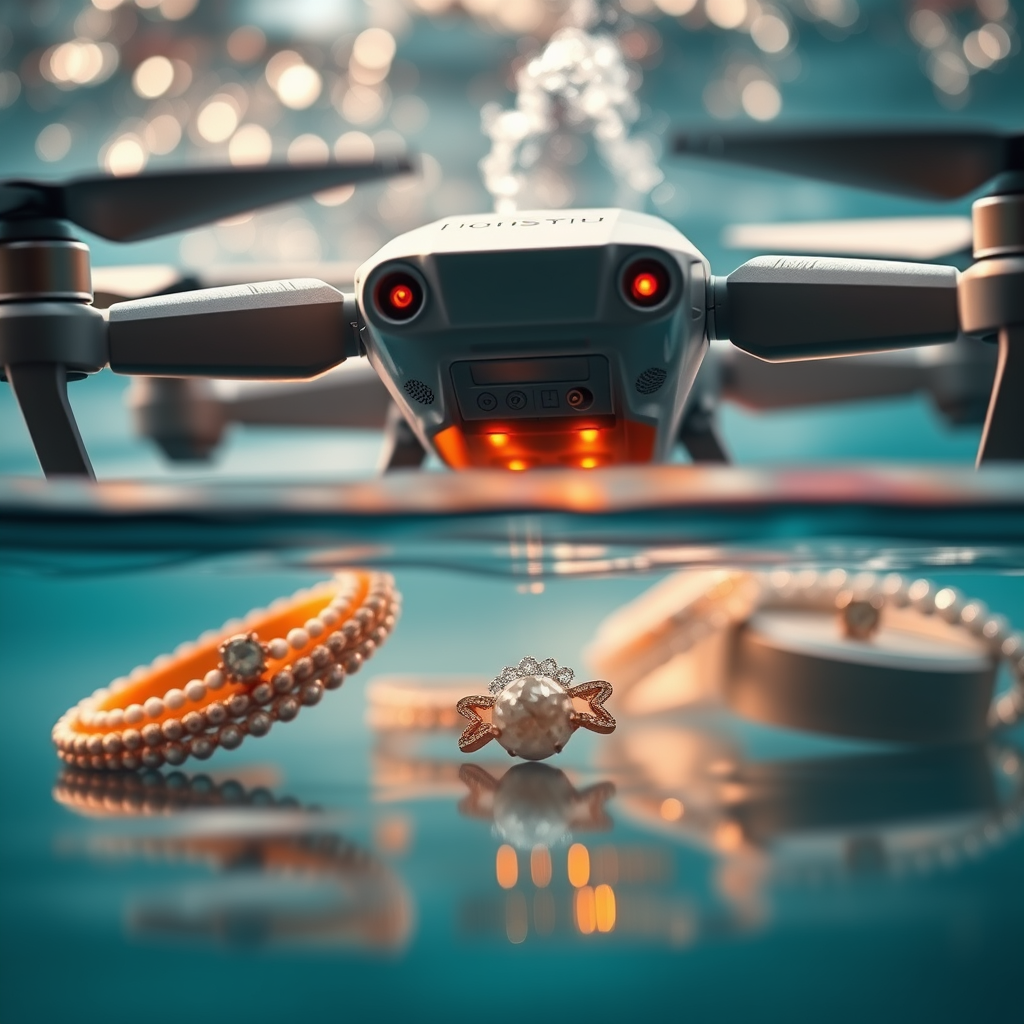
Yes, some drones can operate underwater. These specialized drones, often referred to as underwater drones or remotely operated vehicles (ROVs), are designed to explore marine environments, conduct research, and perform underwater inspections. Unlike traditional aerial drones, underwater drones are equipped with unique technologies that allow them to navigate and operate effectively beneath the surface of the water. In this article, we’ll delve into the capabilities of underwater drones, their applications, and the technology that makes them unique.
Understanding Underwater Drones
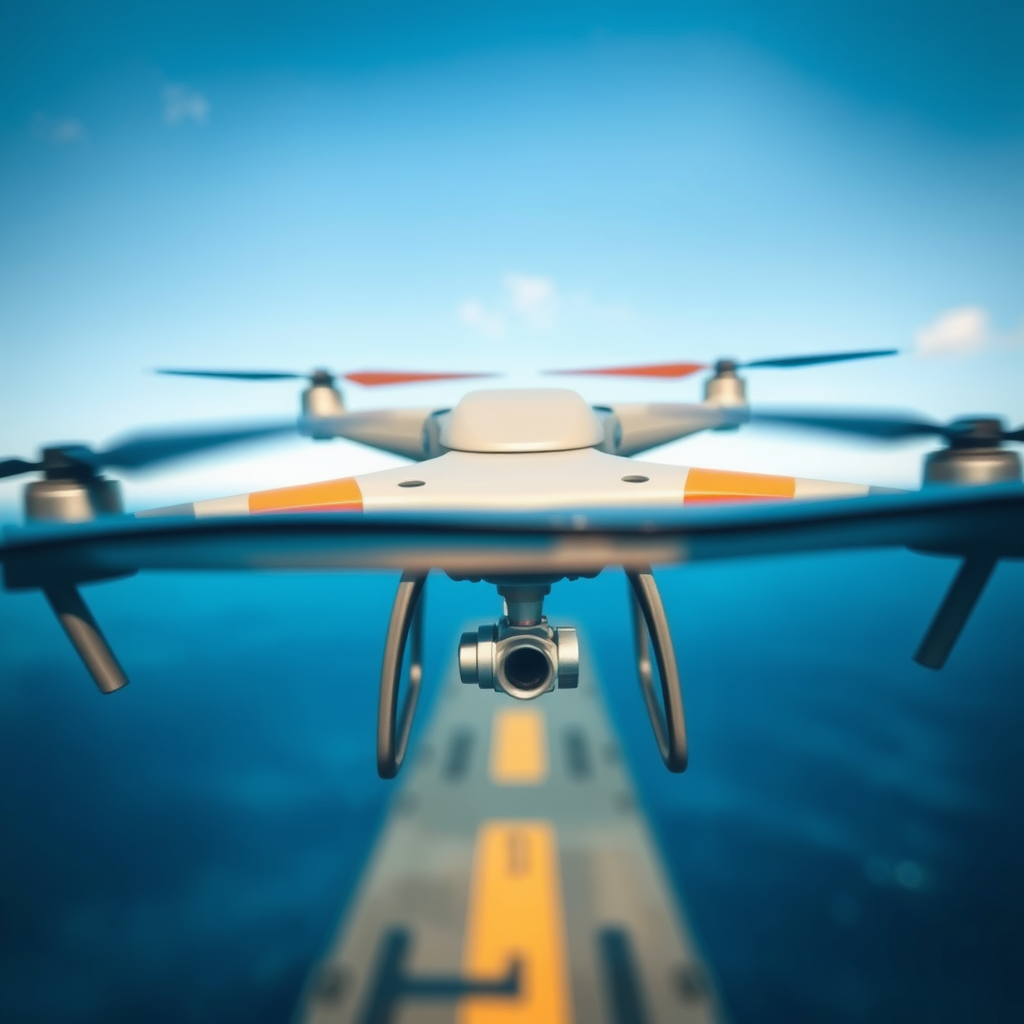
Underwater drones are sophisticated devices engineered to operate in aquatic environments. They are typically equipped with cameras, lights, and various sensors that facilitate exploration and data collection. The design features of these drones include robust hulls made from pressure-resistant materials, which allow them to withstand the immense pressure found at varying depths. Unlike aerial drones, which rely on GPS and visual cues for navigation, underwater drones utilize sonar technology and buoyancy control systems to maneuver effectively in three-dimensional underwater spaces.
The primary distinction between aerial drones and underwater drones lies in their operational environments and control mechanisms. Aerial drones are designed to fly and navigate through the air, often equipped with stabilizing technologies and cameras for aerial photography and videography. Conversely, underwater drones must contend with the challenges of buoyancy and water resistance, necessitating specialized designs and control systems that differ significantly from their airborne counterparts.
Key Technologies in Underwater Drones
One of the key technologies that empower underwater drones is sonar, which is critical for navigation and mapping. Sonar systems emit sound waves that bounce off underwater objects, allowing the drone to create detailed images of the environment. This technology is invaluable for depth mapping, obstacle avoidance, and identifying marine life. Advanced sonar systems, such as side-scan sonar, can even create high-resolution images of the seafloor, enhancing research capabilities in marine biology and geological studies.
In addition to sonar, the construction of underwater drones incorporates waterproof materials and pressure-resistant technologies. These drones are often made from high-strength plastics, aluminum, or composite materials that can endure the high pressures found at significant depths. Furthermore, the electronic components of underwater drones are sealed and protected from water ingress, ensuring reliable operation throughout their missions. This combination of durable materials and advanced electronics is what sets underwater drones apart, enabling them to function effectively in harsh underwater conditions.
Applications of Underwater Drones
The applications of underwater drones are vast and varied, making them invaluable tools across multiple sectors. In marine research and environmental monitoring, underwater drones are used to study ecosystems, track marine species, and assess the health of coral reefs. For example, researchers can deploy underwater drones equipped with cameras and sensors to collect data on water quality, temperature, and biodiversity without needing to send divers into potentially hazardous environments.
In addition to research, underwater drones play a critical role in the inspection of underwater infrastructure such as bridges, dams, and pipelines. They can identify structural issues, assess damage, and monitor conditions over time, which is essential for preventive maintenance and safety. Oil and gas companies, for instance, utilize underwater drones to inspect underwater pipelines and rigs, minimizing the need for costly and risky human divers.
Limitations of Underwater Drones
Despite their impressive capabilities, underwater drones face several limitations that can impact their operational effectiveness. One significant challenge is battery life. Operating underwater requires more energy than aerial flight due to water resistance and the need for advanced sensors and lights. Most underwater drones can only operate for a few hours before needing to recharge, which can limit the scope of their missions.
Additionally, navigation can be particularly challenging in murky waters. While sonar technology aids in navigation, visibility is often severely reduced in environments with sediment or debris. This can complicate the drone’s ability to maneuver and accurately capture data. Moreover, GPS signals do not penetrate water effectively, creating further navigation challenges that operators must address.
Popular Underwater Drones on the Market
Several notable underwater drones have gained popularity in the market, showcasing various specifications and features suited for different applications. The DJI RoboMaster S1, for example, is a versatile option that combines aerial and underwater capabilities, allowing users to explore both environments. Another popular model, the BlueROV2, is designed for professional use, featuring a depth rating of 100 meters and customizable payload options, making it ideal for research and inspections.
For those seeking more advanced features, the PowerVision PowerRay offers capabilities such as 4K video recording, a built-in fish finder, and an operating depth of up to 30 meters. Each of these drones comes with a unique set of features and price points, ranging from consumer-friendly models starting around $500 to professional-grade drones that can exceed $5,000, catering to a diverse range of users from hobbyists to industry professionals.
Future of Underwater Drones
The future of underwater drones is promising, with emerging technologies poised to enhance their functionality and expand their applications. Advancements in battery technology, such as lithium-sulfur batteries, could significantly extend operational time, allowing drones to explore deeper and for longer periods. Additionally, the integration of artificial intelligence (AI) could enable autonomous navigation and data analysis, making underwater drones more efficient and user-friendly.
Potential new applications for underwater drones are also emerging in fields such as marine conservation, archaeology, and even search and rescue operations. As these technologies continue to develop, we can expect to see underwater drones playing an increasingly vital role in our understanding and protection of marine environments.
In conclusion, underwater drones represent a fascinating intersection of technology and exploration, allowing users to access and study underwater environments like never before. Their unique design and advanced technologies enable them to serve a variety of applications, from scientific research to industrial inspections. As technology advances, the capabilities and applications of these drones will continue to expand, offering exciting possibilities for both enthusiasts and professionals alike.
Frequently Asked Questions
Can drones operate underwater?
No, traditional drones cannot operate underwater as they are designed for aerial use and are not waterproof. However, there are specialized underwater drones, often referred to as remotely operated vehicles (ROVs), which are engineered to withstand the pressure and conditions of underwater environments. These ROVs are equipped with cameras and sensors, making them ideal for underwater exploration, inspections, and research.
What are the best underwater drones available on the market?
Some of the best underwater drones include the DJI RoboMaster S1, the Chasing Dory, and the Blue Robotics BlueROV2. Each of these models offers unique features such as depth capabilities, camera quality, and maneuverability. When selecting an underwater drone, consider factors like battery life, depth rating, and the specific applications you intend to use it for, such as marine research or underwater surveying.
How deep can most underwater drones go?
Most consumer-grade underwater drones can typically operate at depths ranging from 30 to 150 meters (approximately 100 to 500 feet). However, professional-grade ROVs can reach much greater depths, sometimes exceeding 1,000 meters (over 3,280 feet). It’s essential to check the specifications of individual models to ensure they meet your underwater exploration needs.
Why are underwater drones becoming popular for marine research?
Underwater drones have gained popularity in marine research due to their ability to access difficult-to-reach areas without putting human divers at risk. They provide high-definition video and data collection capabilities, allowing researchers to study marine life, monitor ecosystems, and perform underwater inspections efficiently. As technology advances, these drones are becoming more affordable and user-friendly, further contributing to their growing use in scientific studies.
What are the limitations of using drones underwater?
The primary limitations of underwater drones include their reliance on tethered connections for real-time data transmission, which can restrict mobility and range. Additionally, the performance of underwater drones can be affected by water conditions such as currents, visibility, and temperature. Battery life is another crucial factor, as many models have limited operational time underwater, making it essential to plan dives accordingly.
References
- https://en.wikipedia.org/wiki/Drone_submarine
- https://www.sciencedirect.com/science/article/pii/S2351978918300506
- https://www.nasa.gov/feature/nasa-s-drone-tech-can-help-underwater-exploration
- https://www.researchgate.net/publication/329646641_Underwater_Drones_for_Ocean_Exploration
- https://www.nationalgeographic.com/science/article/how-drones-are-changing-the-way-we-explore-the-ocean
- https://www.bbc.com/future/article/20210504-can-drones-replace-submarines
- https://www.nytimes.com/2021/07/05/science/underwater-drones.html
- https://www.marineinsight.com/marine/underwater-drones-revolutionizing-ocean-exploration/
- https://www.wired.com/story/researchers-drones-ocean-exploration/
- https://www.gao.gov/products/gao-20-309
