
Drones are not able to see through windows in the way one might assume. While they can capture images and video from the outside, their ability to penetrate glass is limited. The intricate physics of light and the technology used in drone sensors play significant roles in this limitation. In this article, we will explore the technological restrictions of drones, the types of sensors employed, and the implications for privacy and surveillance in relation to drone usage.
Understanding Drone Technology
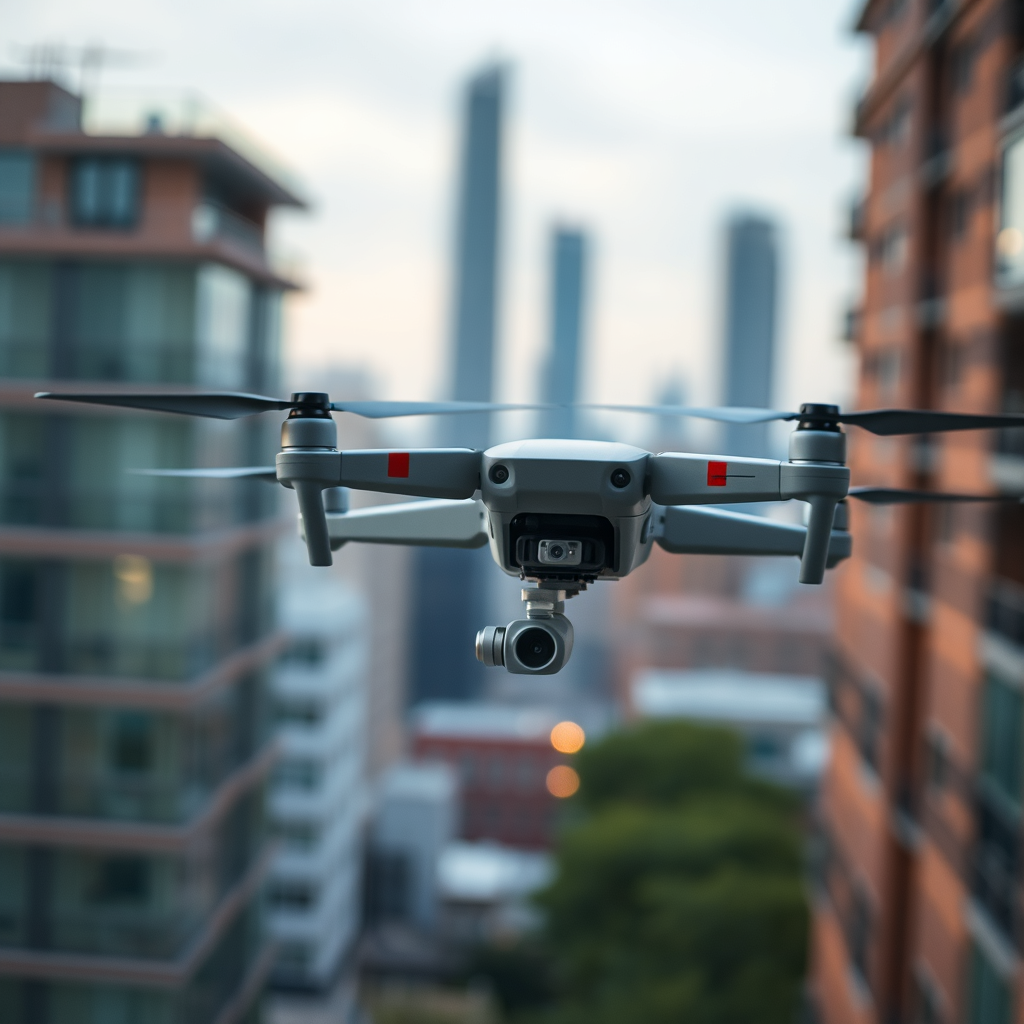
Drones, also known as unmanned aerial vehicles (UAVs), utilize a variety of cameras and sensors to gather data about their surroundings. The primary function of these devices is to enable users to collect aerial images, conduct surveys, or monitor specific areas without the need for a physical presence. Most common sensors include optical cameras, thermal cameras, and LiDAR (Light Detection and Ranging) systems.
Optical cameras capture images in the visible spectrum, similar to traditional photography, while thermal cameras detect infrared radiation to visualize heat differentials. LiDAR, on the other hand, uses laser light to measure distances and create detailed topographical maps. These technologies have revolutionized industries such as agriculture, construction, and environmental monitoring, but their effectiveness can be severely hindered when encountering transparent barriers like windows.
The Physics of Glass and Imaging
To understand why drones cannot see through windows effectively, it is essential to examine the physics of light as it interacts with glass. Glass has unique properties; it reflects and refracts light, leading to distortions that can obscure the clarity of images captured by drone cameras. When light passes through glass, some of it is reflected back, while other portions refract, bending at different angles depending on the type of glass and its surface treatment.
Different types of glass can further complicate visibility. For instance, tinted glass reduces the amount of light that can pass through, while frosted glass scatters light, preventing clear imaging altogether. Additionally, double or triple-glazed windows can create layers of obstacles, further diminishing the effectiveness of drone surveillance. Consequently, while drones can hover outside a building, their ability to capture clear images of the interior is severely compromised.
Types of Sensors and Their Capabilities
Each type of sensor used in drones has its strengths and weaknesses when it comes to imaging through glass. Optical cameras are the most commonly used sensors, providing high-resolution images and videos. However, their performance is significantly impaired by reflections and distortions caused by the glass surface. For example, if a drone is flying outside a building with large windows, the reflections of the environment can often dominate the image, making it difficult to discern what is happening inside.
Thermal cameras present a different challenge. They are designed to detect heat signatures emitted by objects, which can be useful for surveillance and search-and-rescue operations. However, thermal imaging can also be affected by glass, as certain types can limit the infrared radiation that passes through. In many instances, the thermal signature of the glass itself can mask the heat emitted from objects behind it, rendering the sensor less effective in such scenarios.
LiDAR systems, while effective for mapping and surveying, also struggle with glass. As LiDAR relies on laser pulses to measure distances, the reflection and refraction of these laser beams by glass can lead to inaccurate data, complicating the mapping of features behind windows.
Practical Applications of Drones
Despite their limitations regarding visibility through glass, drones remain invaluable tools in a variety of applications. Aerial photography is one of the most popular uses, allowing for stunning visuals of landscapes, events, and properties. Drones are also extensively used in surveying for construction projects, enabling engineers and architects to gather data that informs design and development without physical site visits.
In the realm of inspections, drones are employed to examine infrastructure such as bridges, power lines, and rooftops, where traditional access methods may be dangerous or impractical. The ability to capture detailed imagery from above provides essential insights for maintenance and safety assessments.
For surveillance purposes, drones are often deployed to monitor areas for security reasons. While they may not see through windows, they can still provide valuable data regarding activity in public spaces, tracking movements and identifying potential threats without intruding on private property. The effectiveness of drones in these applications demonstrates their versatility, even with the inherent limitations imposed by glass barriers.
Privacy Concerns and Legal Implications
As drones become increasingly integrated into various sectors, the ability to capture images raises significant privacy and surveillance concerns. The potential for drones to inadvertently invade people’s privacy while capturing images of residential properties or public spaces has led to a growing discourse on legal regulations governing their use.
In many jurisdictions, laws regarding drone operation vary widely, impacting how and where drones can be flown. For instance, the Federal Aviation Administration (FAA) in the United States has established regulations to ensure that drones are operated safely and responsibly. These guidelines often include stipulations that limit surveillance capabilities, particularly in residential areas.
Furthermore, ethical considerations arise when discussing the implications of drone surveillance. The balance between public safety and individual privacy is a contentious topic, prompting lawmakers to develop stricter regulations to protect citizens. As drone technology continues to advance, it is critical for users to be aware of both the legal frameworks and ethical responsibilities governing their operations.
Future Developments in Drone Technology
The landscape of drone technology is continually evolving, with advancements poised to enhance their capabilities in the future. Researchers and engineers are exploring innovative imaging technologies that may improve the ability of drones to see through obstacles like glass. This includes the development of advanced sensor systems that could integrate multispectral and hyperspectral imaging techniques, allowing for deeper penetration through materials.
Additionally, advancements in artificial intelligence (AI) may enable drones to better differentiate between reflections and actual objects behind glass, improving the accuracy of their surveillance capabilities. As technology progresses, the potential for drones to capture clear images through glass could expand, raising new questions about privacy and the ethical use of such technologies.
In conclusion, while drones cannot “see through” windows in the conventional sense, they serve as powerful tools for a variety of applications, from aerial photography to infrastructure inspections. Understanding the limitations of drone technology is essential, not only for maximizing their potential but also for navigating the ethical and legal landscape surrounding their use. As technological advancements continue to shape the future of drones, stakeholders must remain vigilant about the implications on privacy and surveillance in our increasingly connected world. For more insights into drone technology and its implications, stay tuned for future articles.
Frequently Asked Questions
Can drones see through windows or other surfaces?
Drones cannot literally “see through” solid surfaces like walls or windows. However, they can capture images and videos of areas near windows if the windows are clear or if they have reflective surfaces. The ability to see inside a building largely depends on the angle of the drone’s camera and the transparency of the windows. Additionally, tinted or frosted windows can obstruct visibility.
What types of cameras do drones use for surveillance purposes?
Drones typically use high-resolution cameras equipped with various lenses for surveillance purposes. These can include optical zoom lenses, thermal imaging cameras, and night vision technology. While thermal cameras can detect heat signatures through windows, they cannot provide clear visual images, so the effectiveness of the camera will depend on the specific surveillance needs and the environmental conditions.
Why do people worry about drones being able to see into their homes?
Concerns about drones seeing into homes stem from issues of privacy and surveillance. Many people are worried that drones equipped with cameras might invade their personal space, capturing images or videos without consent. This has led to discussions about the legality of drone use and the need for regulations to protect individual privacy rights, particularly in residential areas.
How can I protect my privacy from drones flying near my home?
To protect your privacy from drones, consider using window treatments like blinds or curtains that limit visibility into your home. Additionally, you can install privacy screens or use landscaping to obstruct the view from above. Being aware of local drone regulations and laws can also empower you to take action if you suspect invasive surveillance activities.
Which drones are best for outdoor surveillance and why?
Some of the best drones for outdoor surveillance include the DJI Mavic Air 2, DJI Phantom 4 Pro, and Autel Robotics EVO Lite. These drones offer high-resolution cameras, long flight times, and advanced features like obstacle avoidance and GPS tracking. Their capabilities make them ideal for capturing detailed footage in various environments, but it’s essential to use them responsibly and in accordance with local laws regarding privacy and drone operation.
References
- https://en.wikipedia.org/wiki/Drone_technology
- https://www.bbc.com/future/article/20200706-how-drones-are-changing-the-way-we-see-the-world
- https://www.nytimes.com/2019/05/23/us/drone-privacy.html
- https://www.reuters.com/technology/drones-privacy-issues-2021-07-15/
- https://www.sciencedirect.com/science/article/pii/S0968090X19305318
- https://www.nist.gov/news-events/news/2020/09/how-drones-are-changing-our-view-privacy-and-security
- https://www.c-span.org/video/?c4904129/impact-drone-technology
- https://www.wired.com/story/the-future-of-drones-is-the-future-of-privacy/
- https://www.mit.edu/press/2020/drones-privacy
- https://www.brookings.edu/research/drone-surveillance-and-privacy/
