
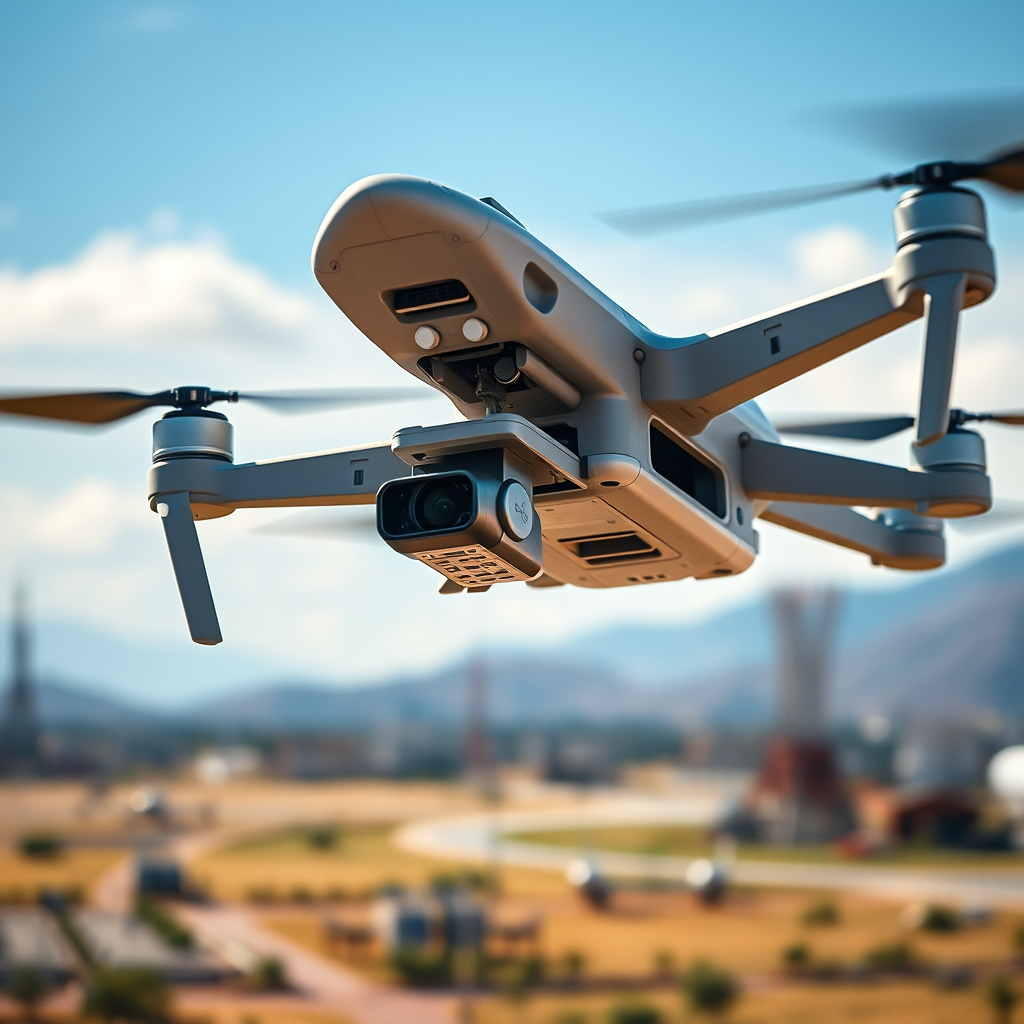
Yes, drones can potentially shoot down fighter jets, although the effectiveness and practicality of such actions depend on various factors including technology, capabilities, and regulations. As drone technology advances, military organizations are increasingly exploring their application in aerial combat scenarios. However, the ability of drones to effectively engage and neutralize fighter jets is fraught with challenges that stem from the advanced capabilities of modern aircraft and the complexities of aerial warfare.
Understanding Drone Capabilities
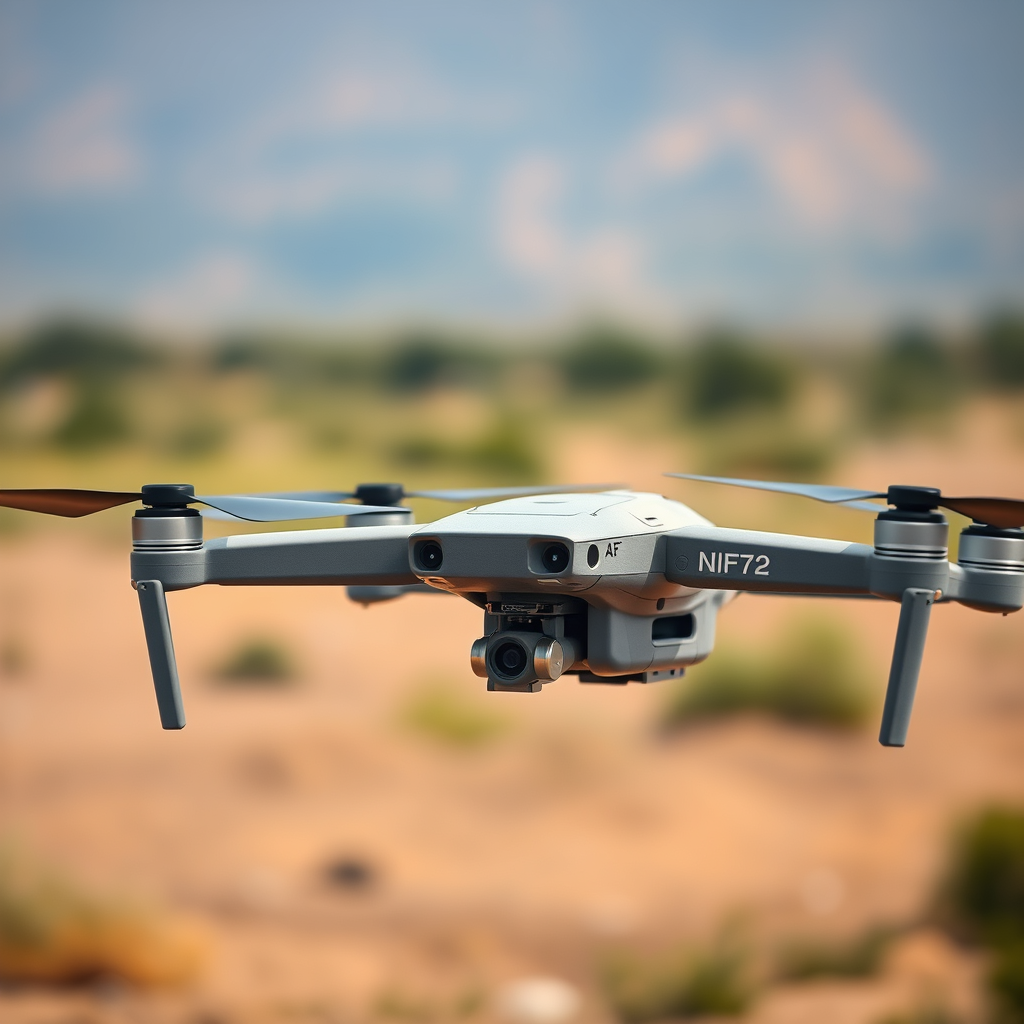
Drones, or unmanned aerial vehicles (UAVs), come in a vast array of sizes, ranges, and functionalities, ranging from small consumer models to sophisticated military platforms. Military drones, particularly, have evolved significantly and are equipped with advanced weaponry designed for precision strikes. For example, the larger combat drones, such as the MQ-1 Predator and MQ-9 Reaper, can carry a load of Hellfire missiles and laser-guided bombs, allowing them to engage ground targets effectively.
However, the ability to target and shoot down an agile fighter jet is a different challenge altogether. While some military UAVs are equipped with air-to-air missiles, their operational effectiveness against fast-moving fighter jets can be limited. Factors such as the drone’s speed, altitude, and sensor capabilities play a crucial role in determining whether a drone can successfully engage a fighter jet. Moreover, the integration of advanced technology such as radar and electronic warfare systems in modern fighter jets complicates the scenario further.
Military Applications of Drones
Drones have revolutionized modern warfare, serving a multitude of roles including surveillance, reconnaissance, and direct strikes. In recent conflicts, military forces have increasingly deployed drones to gather intelligence and conduct precision airstrikes without risking pilot lives. The MQ-9 Reaper, for instance, has become a staple of the U.S. Air Force, capable of conducting long-endurance missions with advanced targeting systems.
In terms of air combat, however, the application of drones remains limited. While there are military UAVs designed specifically for combat scenarios, their primary use has been against ground targets rather than engaging enemy aircraft. The potential for drones to take on fighter jets is being explored, but the technology must overcome significant hurdles, such as real-time targeting and the ability to maneuver in a high-threat environment.
Challenges in Targeting Fighter Jets
One of the primary challenges drones face in targeting fighter jets lies in the inherent design of these aircraft. Fighter jets are engineered for high speed and maneuverability, which makes them difficult targets for UAVs. Advanced models like the F-22 Raptor and the F-35 Lightning II incorporate stealth technology, allowing them to evade detection by radar systems, thus complicating the targeting process for drones.
Additionally, modern fighter jets are often equipped with sophisticated countermeasures designed to evade missile attacks, including flares and electronic warfare systems. These capabilities significantly decrease the likelihood of a drone successfully engaging and shooting down a fighter jet, as the latter can employ tactics to outmaneuver or mislead incoming threats. The disparity in engagement ranges and operational tactics further complicates direct confrontations between drones and fighter jets.
Case Studies of Drone Engagements
Examining historical examples of drone engagements with manned aircraft can provide valuable insights into the potential outcomes of such confrontations. One notable incident occurred in 2018 when an Iranian drone was shot down by an Israeli F-16 fighter jet while attempting to infiltrate Israeli airspace. This incident highlighted the vulnerabilities of drones in aerial combat, as even a relatively straightforward encounter resulted in the loss of the UAV.
Another case worth mentioning is the U.S. military’s use of drones in combat operations against insurgents. While these missions have resulted in successful strikes against ground targets, the application of drones in air-to-air combat remains largely speculative. While there have been successful engagements involving drones and slower-moving aircraft, the effectiveness of drones against modern fighter jets remains largely untested in a comprehensive manner.
Legal and Ethical Considerations
The prospect of using drones to engage fighter jets raises significant legal and ethical questions. International law, including the Geneva Conventions, outlines rules of engagement that govern military actions, particularly in terms of civilian protection and engagement with enemy combatants. The deployment of drones in air-to-air combat scenarios could lead to potential violations of these laws, particularly if civilian aircraft are inadvertently targeted or if collateral damage occurs.
Moreover, the ethical implications surrounding automated warfare and the use of drones for combat must also be considered. Concerns regarding accountability in the event of a mistake—such as a drone mistakenly engaging a civilian aircraft—are significant. The use of AI-driven systems in combat raises questions about the moral responsibility of military personnel and the potential for unforeseen consequences in the heat of battle.
Future of Drone Technology
As technological advancements continue to reshape the battlefield, the future of drone technology looks promising, particularly regarding their roles in air combat. Research and development efforts are underway to enhance drone capabilities, including the integration of advanced sensors, artificial intelligence, and improved missile systems designed for air-to-air engagements. Such advancements could increase the effectiveness of drones in targeting and engaging enemy fighters.
The ongoing exploration of autonomous systems in warfare may further change the dynamics of aerial combat. As drones become more autonomous and capable of real-time decision-making, their potential to function in air-to-air combat scenarios might improve. Innovations in networking and data sharing could allow drones to operate in swarms, increasing their survivability and effectiveness against advanced fighter jets.
In conclusion, while drones have the potential to shoot down fighter jets, various technological and tactical challenges exist that currently hinder their effectiveness in this role. As drone technology continues to evolve, the military applications of these systems will undoubtedly expand, prompting ongoing discussions about their effectiveness, ethical implications, and the future of aerial combat. The intersection of innovation, warfare, and international law will shape the environment in which drones operate, making it a critical area for both military strategists and policymakers to monitor closely.
Frequently Asked Questions
Can drones effectively shoot down fighter jets?
While drones are equipped with various weapons systems, the ability to shoot down fighter jets is highly dependent on the drone’s type and capabilities. Most consumer and even many military drones lack the firepower and targeting systems necessary to engage and destroy fast-moving fighter jets. In contrast, specialized military drones, like the MQ-9 Reaper, can carry missiles and operate in conjunction with advanced radar systems, making them more effective in aerial combat scenarios, but direct engagement with fighter jets is still rare.
What types of drones are used in military operations against aircraft?
Military operations may utilize several types of drones to engage aerial threats, primarily armed unmanned aerial vehicles (UAVs) like the MQ-9 Reaper or the MQ-1 Predator. These drones often carry missiles or precision-guided munitions and can be equipped with advanced sensors and targeting systems to track and engage enemy aircraft. However, it’s crucial to note that anti-aircraft systems, including surface-to-air missiles (SAMs), are typically more effective than drones in shooting down fighter jets.
Why would military forces consider using drones to target fighter jets?
Military forces may consider using drones to target fighter jets due to the advantages of reduced risk to human pilots and the ability to conduct surveillance and reconnaissance missions. Drones can be deployed to gather intelligence on enemy aircraft movements, providing real-time data for targeting. Additionally, drones can operate in environments that may be too dangerous for manned aircraft, allowing for strategic advantages in modern warfare.
How do drones compare to traditional anti-aircraft systems in effectiveness?
Drones and traditional anti-aircraft systems serve different roles in modern warfare. While drones can be used to engage aerial threats, traditional systems such as surface-to-air missiles (SAMs) have been specifically designed for this purpose and typically offer higher effectiveness due to their advanced tracking and targeting capabilities. Drones may support these systems by providing reconnaissance and targeting data, but they are not a replacement for dedicated anti-aircraft defenses.
Which countries are leading in the use of drones for military aviation?
Several countries are at the forefront of integrating drones into their military operations, including the United States, Israel, and China. The U.S. military has extensively developed and deployed drones for various missions, including combat and surveillance. Israel is known for its advanced drone technology and tactical UAVs, while China has rapidly expanded its drone capabilities, producing a range of combat and surveillance drones aimed at enhancing its military strength.
References
- https://en.wikipedia.org/wiki/Drone_warfare
- https://www.bbc.com/news/technology-43879266
- https://www.reuters.com/article/us-usa-drones-idUSKCN1G12Y6
- https://www.theguardian.com/us-news/2019/sep/19/us-drone-strike-iran-international-law
- https://www.sciencedirect.com/science/article/pii/S2214574517300045
- https://www.armytimes.com/news/your-army/2019/02/07/the-army-wants-to-use-drones-to-take-out-enemy-aircraft/
