
Yes, drones can be equipped to shoot people, but the legality and ethical implications of such actions are highly controversial and often restricted by laws. As technological advancements continue to enhance drone capabilities, the discussion surrounding their potential use as weapons has become increasingly relevant. This article will explore the technology behind drones, the legal frameworks that govern their use, and the ethical considerations involved in armed scenarios.
Understanding Drone Technology
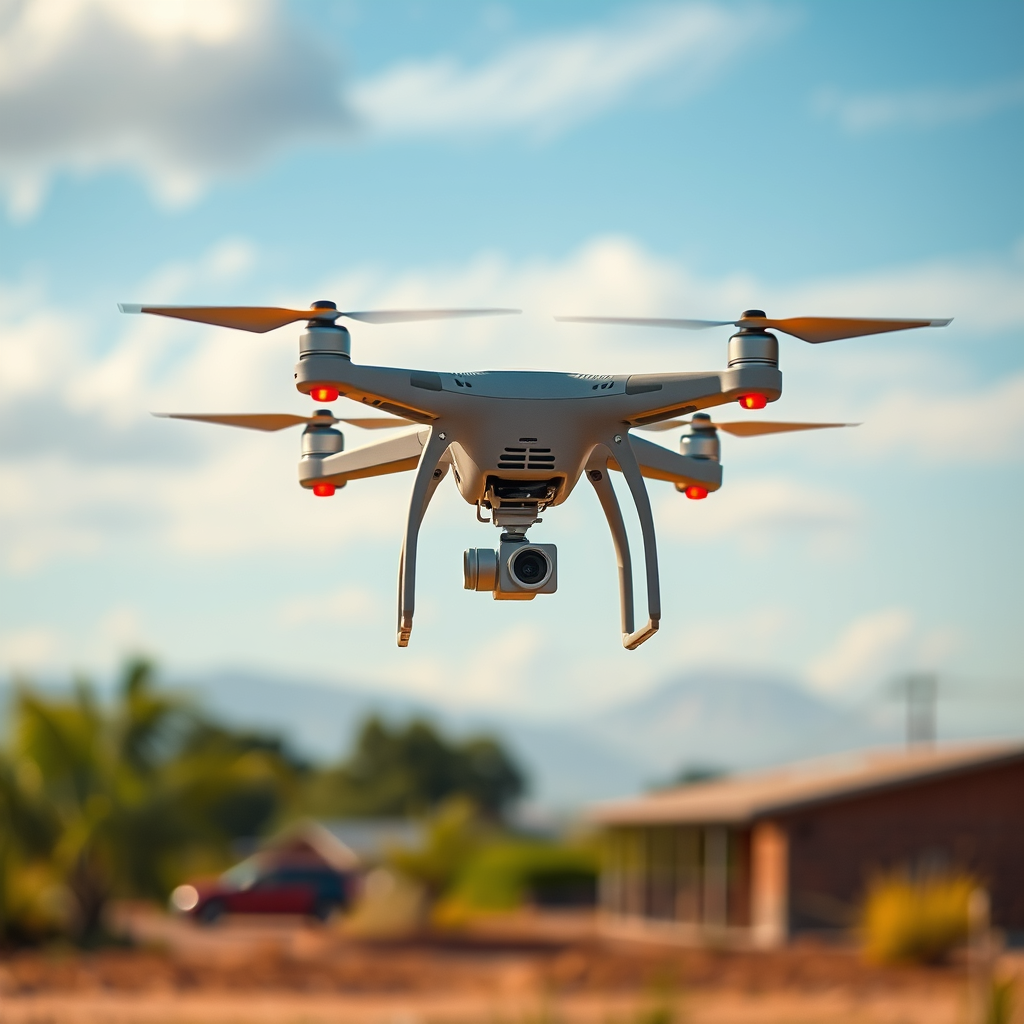
Drones, or unmanned aerial vehicles (UAVs), come in a variety of shapes and sizes, ranging from small consumer models to large military-grade systems. Their capabilities include high-resolution surveillance, data collection, and, in some cases, armed engagement. Military drones, such as the MQ-9 Reaper, are designed for combat missions and can be equipped with precision-guided munitions. These drones provide intelligence, surveillance, reconnaissance, and strike capabilities, allowing for targeted strikes with minimal risk to personnel.
On the other hand, civilian drones, primarily used for recreational, agricultural, or commercial purposes, are generally not weaponized. However, the technology used in military drones is increasingly being adapted for civilian applications, raising concerns about potential misuse. The weaponization of drones poses complex challenges, as the line between military and civilian use blurs, and the implications of this dual-use technology need careful examination.
Legal Frameworks Governing Drone Usage
The use of armed drones is governed by a complex array of international and national laws. Under international law, specifically the principles of the United Nations Charter and the Geneva Conventions, the use of force must adhere to strict guidelines regarding necessity, proportionality, and distinction. These laws aim to protect non-combatants and ensure that military actions are justified within the context of armed conflict.
National regulations further shape the landscape of drone usage. In the United States, the Federal Aviation Administration (FAA) regulates drone operations, while the Department of Defense (DoD) oversees military drone usage. The legality of using drones to shoot people is thus intertwined with both international and domestic law. For instance, the U.S. has conducted drone strikes in countries like Afghanistan and Yemen, often justifying these actions under the premise of targeting terrorist threats. However, these actions have sparked debates over sovereignty, accountability, and transparency, especially concerning civilian casualties.
Ethical Considerations
The ethical ramifications of using drones for lethal force are profound and multifaceted. Critics argue that deploying drones in combat situations distances operators from the realities of war, potentially lowering the threshold for engaging in lethal actions. This detachment raises moral questions about the responsibility and accountability of those who authorize drone strikes.
Human rights organizations have expressed concerns regarding the implications of targeted killings and the potential for violations of international human rights laws. The reliance on drone warfare has also been criticized for its potential to create a “war without end,” where states engage in continuous military operations without clear objectives or accountability. Conversely, proponents argue that drones can minimize civilian casualties by allowing for precision strikes that traditional military operations cannot achieve.
Military ethics also play a critical role in this discourse. The Just War Theory, which outlines the moral justification for engaging in war, emphasizes principles such as proportionality and discrimination. These principles require that the use of force in warfare must be limited to combatants and avoid harm to civilians. As drones become more prevalent, ensuring adherence to these ethical standards is essential.
Case Studies of Drones in Conflict
Several documented instances highlight the use of drones in armed conflict and the resulting repercussions. One notable example is the U.S. drone strike that killed Iranian General Qassem Soleimani in January 2020. This strike raised significant geopolitical tensions and questions about the legality of targeted killings outside active combat zones. The aftermath led to retaliatory actions and escalated conflicts in the region, emphasizing the potential for unintended consequences arising from drone warfare.
Another case is the use of drones in Afghanistan, where the U.S. military has conducted numerous strikes against Taliban and ISIS targets. While these strikes have been justified on the grounds of national security, reports of civilian casualties have sparked outrage and calls for greater accountability. The challenge lies in balancing operational effectiveness with the ethical obligation to protect innocent lives.
Civilian Concerns and Safety Issues
The potential for drone misuse by individuals or organizations poses significant risks to public safety. As drone technology becomes more accessible, the likelihood of unregulated or malicious use increases. For example, incidents of drones being used to smuggle contraband or surveil private properties have raised alarms about privacy violations and security threats.
Public opinion regarding armed drones is mixed, with some supporting their use for law enforcement and military operations due to their potential for precision and reduced risk to personnel. Others, however, express concern over the implications of allowing law enforcement agencies to deploy armed drones domestically, fearing a slippery slope toward surveillance and state overreach. Engaging the public in discussions about the ethical and legal implications of armed drones is crucial for shaping future policies.
Future of Drones and Armed Engagement
The future of drone technology is poised for rapid evolution, with innovations such as artificial intelligence (AI), enhanced autonomy, and improved surveillance capabilities on the horizon. These advancements could lead to even more sophisticated applications, both military and civilian. For instance, the integration of AI could enable drones to conduct autonomous operations, raising new ethical and legal questions regarding accountability and decision-making.
As technology advances, lawmakers and ethicists must grapple with the implications of armed drones and adapt existing legal frameworks to address emerging challenges. Predictions suggest a growing emphasis on international regulations governing the use of drones in warfare and the establishment of norms to prevent misuse. The need for a comprehensive approach that balances technological innovation with ethical considerations will be paramount in shaping the future of drone warfare.
In summary, while drones can technically be designed to shoot people, the combination of legal restrictions and ethical debates creates a complex landscape that needs to be navigated carefully. It’s crucial for society to engage in ongoing discussions about the implications of drone warfare and ensure that regulations keep pace with technological advancements. Ultimately, the responsible use of drone technology hinges on a careful balance between enhancing security and upholding fundamental human rights.
Frequently Asked Questions
Can drones be used to shoot people?
While drones have the capability to be equipped with various types of weaponry, such as firearms or non-lethal devices, using them to shoot people raises significant legal and ethical concerns. In most countries, deploying drones for such purposes is illegal and heavily regulated. Additionally, there are strict laws governing the use of lethal force by both military and law enforcement agencies, making the use of armed drones in civilian contexts highly controversial and subject to severe penalties.
What are the laws regarding armed drones in the United States?
In the United States, the use of armed drones is primarily regulated by the Federal Aviation Administration (FAA) and military laws. For civilian use, it is illegal to weaponize drones under current federal regulations. Law enforcement agencies may use drones for surveillance or support in certain situations, but using drones to inflict harm on individuals is prohibited. Violating these laws can result in criminal charges and significant fines.
How do drones equipped with non-lethal weapons operate?
Drones equipped with non-lethal weapons, such as rubber bullets or tasers, often operate under strict guidelines, primarily for law enforcement or military purposes. These drones are designed to incapacitate a target without causing permanent injury. Operators must be trained to handle such devices, and their deployment is typically reserved for specific situations where non-lethal force is justified, such as crowd control or subduing a suspect without lethal force.
Why are armed drones a controversial topic?
Armed drones are controversial due to a combination of ethical, legal, and humanitarian concerns. Critics argue that using drones to engage targets can lead to unintended casualties and escalation of violence, especially in populated areas. There are also worries about accountability and transparency in military operations involving drones, as well as the potential for misuse by governments or private entities. This debate continues as technology evolves and drone capabilities expand.
What are the best practices for drone operators to ensure safety and legality?
To ensure safety and legality, drone operators should adhere to regulations set by the FAA, which include obtaining proper licenses and ensuring drones are registered. It’s vital to stay updated on local laws regarding drone usage, especially concerning privacy and airspace restrictions. Operators should also avoid flying over crowds, private property, or sensitive areas without permission. Following these best practices not only promotes safety but also helps maintain the integrity of drone operations within legal boundaries.
References
- https://en.wikipedia.org/wiki/Military_drone
- https://www.bbc.com/news/technology-51198584
- https://www.reuters.com/article/us-usa-drones-insight-idUSKBN2A00Z8
- https://www.theguardian.com/technology/2020/jan/11/drones-take-over-the-battlefield
- https://www.aclu.org/news/privacy-technology/drones-privacy-and-the-need-for-regulation
- https://www.rand.org/pubs/research_reports/RR3133.html
