
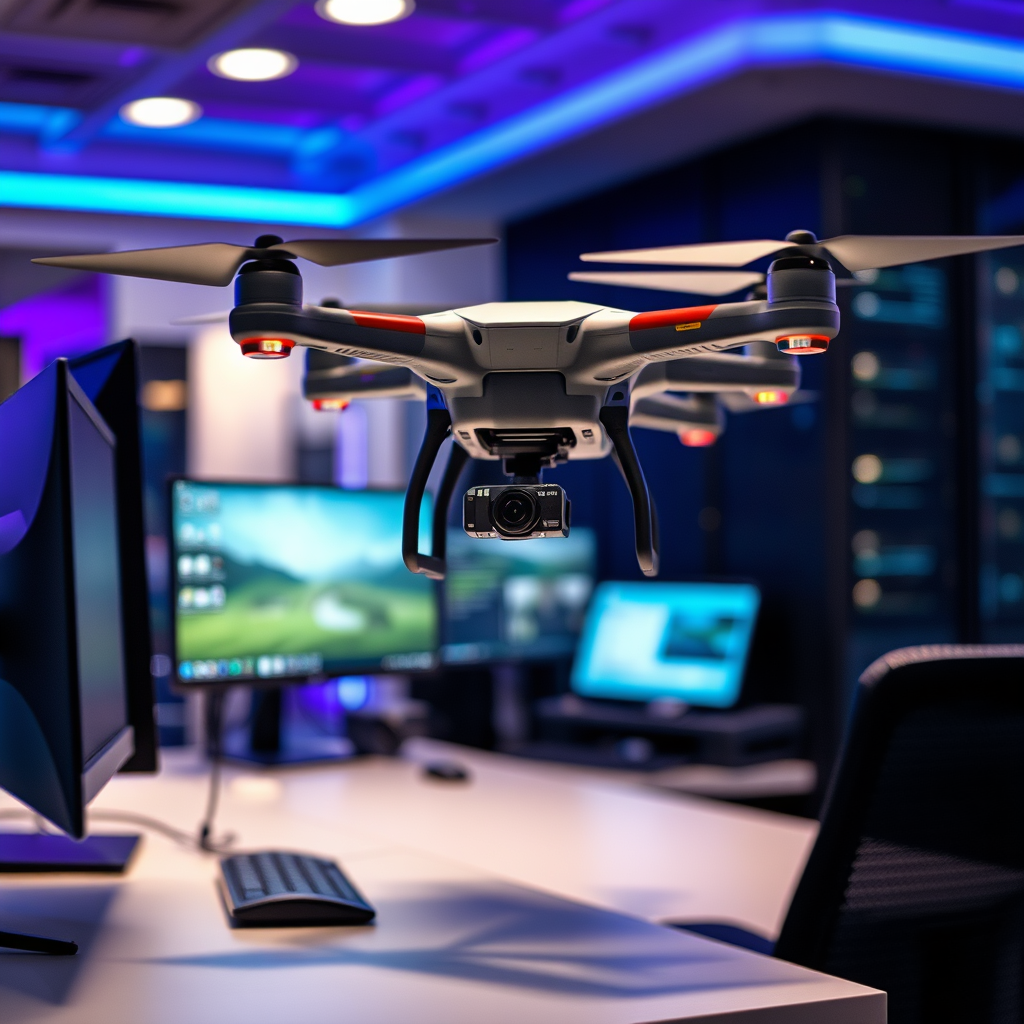
Yes, drones can spray, and they are increasingly being used in agriculture for tasks such as crop spraying and pest control. This innovative technology allows for precise application of fertilizers, pesticides, and herbicides, improving efficiency and reducing waste. By utilizing drones in agricultural settings, farmers can significantly enhance their productivity and sustainability. In this article, we will explore how drones are utilized for spraying, their benefits, regulations, and considerations for farmers.
Understanding Drone Spraying Technology
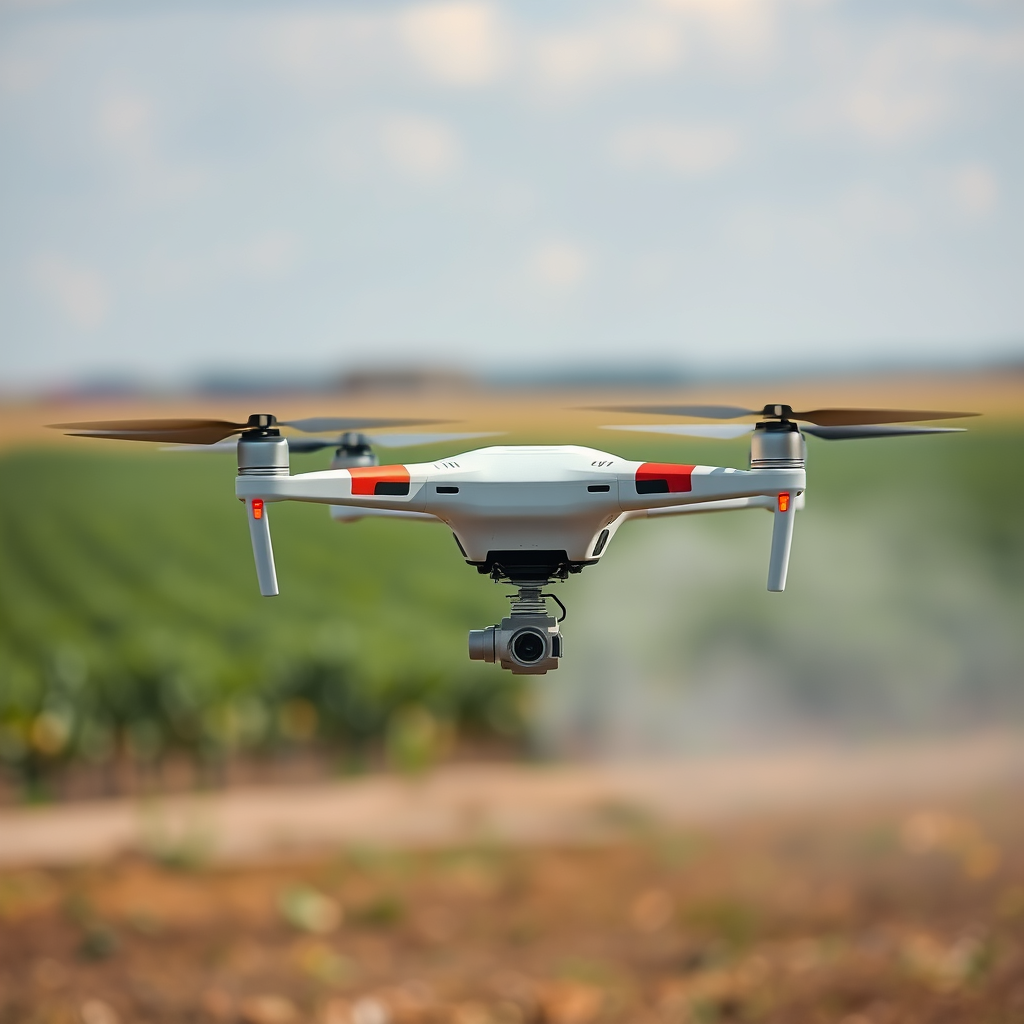
Drones designed for agricultural spraying come in various types, primarily quadcopters and fixed-wing drones. Quadcopters are more maneuverable and are ideal for small to medium-sized fields, allowing for intricate flight patterns. On the other hand, fixed-wing drones can cover larger areas more efficiently, making them suitable for expansive farms.
The spraying mechanisms employed in these drones typically consist of high-capacity tanks, nozzles, and distribution systems. Some drones use electrostatic sprayers, which charge the liquid as it exits the nozzle, ensuring that droplets adhere to the target surfaces, such as leaves and stems. This technology enhances the efficacy of the applied chemicals while minimizing drift and overspray. Additionally, advanced drones can implement variable rate technology (VRT), adjusting spray rates in real-time based on the specific needs of different areas of a field, thereby optimizing resource use.
Benefits of Using Drones for Spraying
The use of drones for spraying offers several compelling benefits over traditional methods. Firstly, drones can operate with increased efficiency and coverage. They can cover large farming areas quickly, often reducing the time taken for applications from hours to mere minutes. This efficiency allows farmers to manage their time better and focus on other crucial aspects of their operations.
Moreover, drones contribute to reduced chemical usage and environmental impact. By enabling precise application, drones minimize the amount of fertilizers and pesticides needed, thereby decreasing the potential for runoff and soil contamination. This precision targeting is especially valuable in pest and disease management, as it allows for localized treatment rather than blanket applications, which can lead to pesticide resistance and harm beneficial insects.
Lastly, the enhanced precision that drones provide is significant for integrated pest management (IPM) strategies. Farmers can target specific areas that require intervention, ensuring that beneficial organisms are preserved while effectively controlling harmful pests.
Common Agricultural Applications for Drone Spraying
Drones have found diverse applications in agriculture, particularly in crop protection and pesticide application. Farmers can deploy drones to monitor pest populations and apply treatments only when necessary, thus improving overall pest management strategies. For instance, a study reported that using drones for spraying pesticides increased treatment efficacy by 15% compared to ground sprayers.
Fertilizer distribution is another critical application. Drones can perform nutrient management tasks by distributing fertilizers more evenly across fields, ensuring that crops receive the necessary nutrients without excess application. This targeted approach not only promotes healthier crops but also reduces the cost associated with over-fertilization.
Furthermore, drones are also utilized for irrigation support and seed planting. By conducting aerial surveys, drones can assess soil moisture levels and identify areas requiring irrigation. Additionally, some advanced drones are capable of planting seeds directly into the soil, facilitating more efficient sowing practices. For example, a startup has developed drones that can plant up to 100,000 seeds per day, significantly enhancing planting efficiency.
Regulatory Considerations for Drone Spraying
As drone technology continues to evolve, so do the regulations governing their use, particularly in agriculture. Farmers must adhere to local and national regulations that dictate where and how drones can be operated. In the United States, the Federal Aviation Administration (FAA) has established guidelines that include restrictions on flight altitudes, no-fly zones, and operational hours.
Licensing requirements for drone operators are also critical. Farmers may need to obtain a remote pilot certificate if they plan to use drones for commercial purposes, which includes agricultural spraying. This certification ensures that operators understand safety protocols and regulations.
Additionally, compliance with safety standards and environmental guidelines is essential. Farmers must ensure that spraying does not negatively impact non-target organisms or violate environmental protection regulations. This includes adhering to proper buffer zones around water bodies and sensitive habitats.
Challenges and Limitations of Drone Spraying
Despite their advantages, drone spraying is not without challenges and limitations. Weather conditions can significantly affect drone operations; high winds, rain, or extreme temperatures can impede flight and affect the accuracy of applications. Farmers must be adept at monitoring weather patterns to optimize their spraying schedules.
Another limitation is the payload capacity and flight time of drones. Most agricultural drones have a limited tank size, which can restrict the amount of chemical that can be applied in a single flight. This limitation may require multiple flights over the same area, increasing time and labor costs.
Additionally, there are technical challenges that come with operating drones, including the need for skilled operators who are trained in both drone operation and agricultural practices. The integration of drones into existing farming operations requires investment in training and technology, which can deter some farmers from adopting this innovative approach.
Case Studies: Successful Drone Spraying Implementations
Numerous farms have successfully implemented drone spraying technology, demonstrating its potential benefits. For instance, a corn farm in Iowa reported a 10% increase in yield after integrating drone spraying into its pest management strategy. The farm utilized drones to apply fungicides at the optimal time, effectively reducing crop disease incidence and improving overall health.
Another case study from a vineyard in California highlighted the cost savings associated with drone spraying. The vineyard reduced its pesticide usage by 30% while maintaining the same level of pest control through the precise application capabilities of drones. The owner noted that the technology not only saved money but also enhanced the quality of the grapes, leading to improved wine production.
Testimonials from farmers underscore the transformative impact of drone technology. Many report enhanced operational efficiency, reduced labor costs, and improved crop health as primary benefits of adopting drone spraying.
In conclusion, drones represent a transformative technology in agricultural spraying, offering numerous benefits such as efficiency and precision. As regulations evolve and technology advances, more farmers may adopt drones to enhance their operations. The ability to spray crops accurately not only improves yields and reduces costs but also aligns agricultural practices with sustainable development goals. If you’re interested in this innovative approach, consider exploring drone options for your agricultural practices to maximize the potential of your farm.
Frequently Asked Questions
Can drones spray pesticides effectively on large fields?
Yes, drones can effectively spray pesticides on large fields, providing an efficient and precise alternative to traditional methods. Equipped with advanced technology, such as GPS and real-time monitoring systems, agricultural drones can cover vast areas quickly while ensuring uniform application. This not only saves time but also reduces the amount of chemical used, promoting more environmentally friendly farming practices.
What types of drones are best for spraying crops?
The best drones for spraying crops are typically multi-rotor or fixed-wing models designed specifically for agricultural applications. Multi-rotor drones offer greater maneuverability and precision for targeted spraying, while fixed-wing drones can cover larger areas at faster speeds. Look for drones with high payload capacities, long battery life, and advanced spraying systems to maximize efficiency and effectiveness in crop management.
How do I ensure that my drone complies with regulations for spraying?
To ensure your drone complies with regulations for spraying, first familiarize yourself with local and national laws governing agricultural drone use. In many regions, you may need to obtain a specific license or certification, such as a Remote Pilot Certificate from the FAA in the United States. Additionally, always adhere to guidelines regarding pesticide use and application rates, and maintain proper records to demonstrate compliance.
Why should farmers consider using drones for spraying instead of traditional methods?
Farmers should consider using drones for spraying because they offer several advantages over traditional methods, including increased efficiency, reduced labor costs, and enhanced precision. Drones can access hard-to-reach areas and apply chemicals uniformly, minimizing waste and environmental impact. Furthermore, they provide real-time data and insights into crop health, allowing for more informed decision-making and optimized resource allocation.
Which crops are most suitable for drone spraying applications?
Drones are suitable for spraying a wide range of crops, including row crops like corn and soybeans, as well as orchards and vineyards. Crops that require precise pesticide application or those grown in challenging terrains benefit significantly from drone technology. Additionally, drone spraying is ideal for smaller, fragmented fields where traditional machinery may struggle, enhancing overall agricultural productivity.
References
- https://en.wikipedia.org/wiki/Drone_spraying
- https://www.faa.gov/uas/recreational_flyers/
- https://www.ncbi.nlm.nih.gov/pmc/articles/PMC6881410/
- https://www.sciencedirect.com/science/article/pii/S0167732219315140
- https://www.usda.gov/topics/farming/agriculture-technology-and-innovation
- https://www.reuters.com/article/us-drones-agriculture-idUSKBN1WQ1A1
- https://www.extension.org/pages/73552/drone-technology-in-agriculture
- https://www.abc.net.au/news/2021-06-16/farmers-using-drones-for-pesticide-spraying/100187786
