
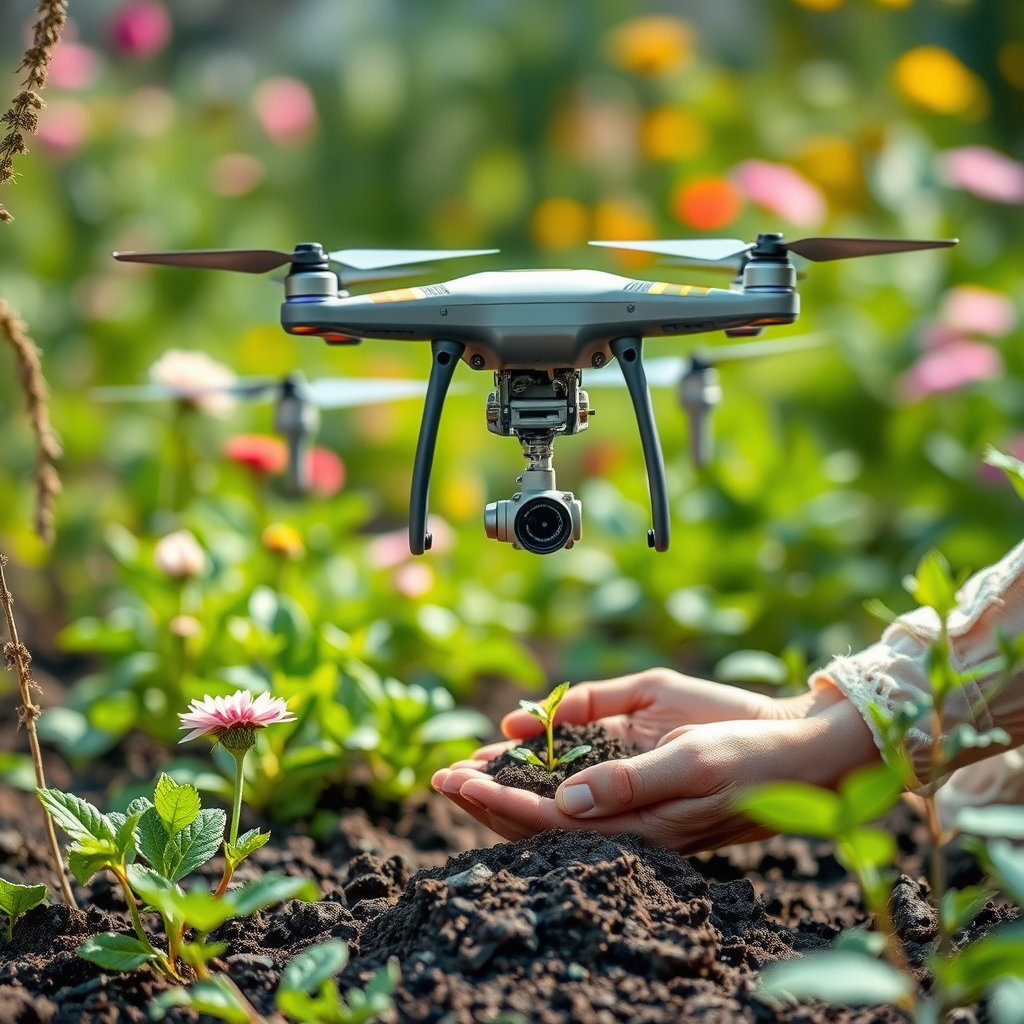
Yes, drones can spray herbicides, and this method is gaining popularity in modern agriculture. Utilizing drones for herbicide application offers benefits such as increased efficiency, precision, and reduced labor costs. As farmers face growing challenges related to labor shortages, environmental regulations, and the need for sustainable practices, drone technology emerges as a viable solution. In this article, we will explore how drones are used for spraying herbicides, the benefits and challenges associated with this method, and the regulations governing their use.
Overview of Drones in Agriculture
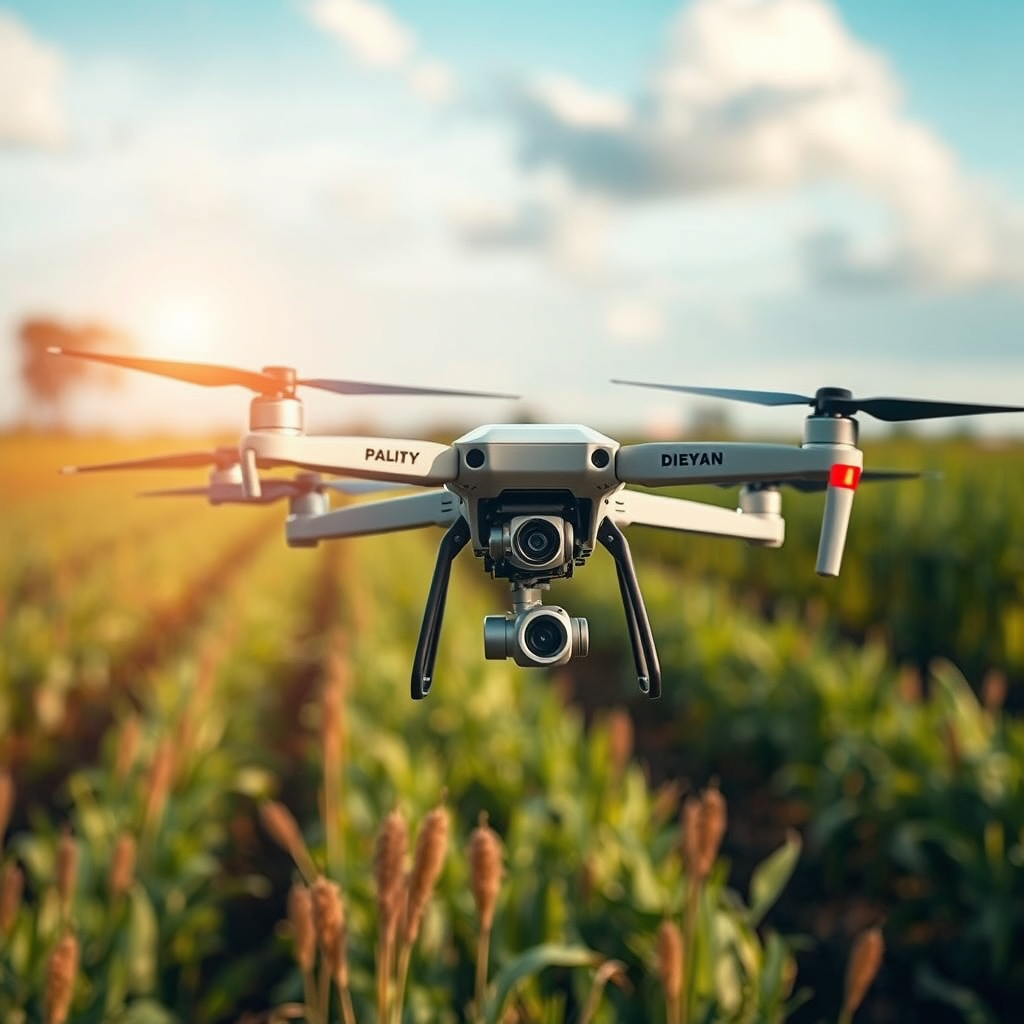
Drones are increasingly being utilized in various agricultural practices, including crop monitoring, data collection, and spraying. These unmanned aerial vehicles (UAVs) have revolutionized traditional farming methodologies by introducing advanced technology that allows farmers to manage their fields more effectively. Drones can cover large areas quickly—often up to 100 acres in a single flight—making them a valuable tool for farmers who are seeking to enhance productivity and efficiency. With the integration of high-resolution cameras and sensors, drones also facilitate precision agriculture, where farmers can make informed decisions based on real-time data about crop health and soil conditions. This capability not only improves yields but also promotes sustainable farming practices by minimizing resource waste.
How Drones Spray Herbicides
Drones equipped with specialized tanks and nozzles can efficiently disperse herbicides over fields, ensuring that crops receive the necessary treatment without overstretching resources. The technology typically involves multi-rotor drones that can carry payloads of herbicides ranging from 10 to 20 liters, allowing for extensive coverage while maintaining a high level of accuracy. Different spraying techniques, such as aerial application and precision targeting, enhance effectiveness and reduce waste. For instance, drones can utilize variable rate technology (VRT) to apply herbicides only where needed, which minimizes the environmental impact and reduces costs associated with excessive chemical usage. Additionally, some drones are equipped with infrared sensors that help identify weed infestations, enabling farmers to target only the affected areas and further optimize resource use.
Benefits of Using Drones for Herbicide Application
The benefits of using drones for herbicide application are numerous and can significantly impact the efficiency of agricultural operations. Increased efficiency leads to faster application times, allowing farmers to treat larger areas in shorter periods. This rapid deployment can be particularly beneficial during critical growth periods when timely herbicide application is essential for crop health and yield. Reduced labor costs are another significant advantage, as fewer personnel are needed to operate drones compared to traditional ground-based spraying techniques.
Moreover, precision spraying minimizes chemical usage, which is better for the environment and can lead to cost savings over time. By applying herbicides only where necessary, farmers can decrease their overall chemical expenditure and reduce the risk of runoff, which can contaminate nearby water sources. Additionally, drones can operate in areas that are difficult for ground equipment to access, ensuring that farmers can manage their fields comprehensively and sustainably.
Challenges and Limitations
Despite the many advantages, there are challenges and limitations associated with drone herbicide spraying that farmers must consider. One significant hurdle is the initial investment in drone technology, which can be high for some farmers, particularly smaller operations. The cost of purchasing the drone, along with the necessary equipment and software for efficient operation, may deter some from adopting this technology.
Weather conditions also pose challenges, as high winds, rain, or poor visibility can impact drone performance and spraying efficacy. Furthermore, regulatory constraints can affect drone spraying operations, as farmers must navigate complex local and national regulations regarding drone use and pesticide application. These regulations are essential for ensuring safety, but they can also create barriers to entry for farmers looking to implement drone technology.
Regulatory Considerations
Farmers must comply with local regulations regarding drone usage and herbicide application, which can vary significantly depending on location. In the United States, for example, the Federal Aviation Administration (FAA) regulates drone operations, requiring farmers to obtain a Remote Pilot Certificate for commercial use. Additionally, understanding pesticide regulations is crucial for safe and legal operation. Farmers may need to attend training sessions and maintain records of their herbicide applications to comply with state and federal guidelines.
Moreover, the Environmental Protection Agency (EPA) oversees the registration of pesticides, ensuring that chemicals used in agricultural practices meet safety standards. Farmers must ensure that the herbicides they choose for drone application are approved for aerial use, as not all formulations are suitable for this method. Compliance with these regulatory requirements is essential not only for the safety of the environment and public health but also for the operational legitimacy of the farmers.
Future Trends in Drone Herbicide Spraying
As drone technology continues to advance, the future of herbicide spraying in agriculture looks promising. Innovations such as improved GPS and artificial intelligence (AI) integration are enhancing drone capabilities, allowing for even greater precision in herbicide application. AI algorithms can analyze data from various sources to optimize flight paths and spraying patterns, resulting in more efficient operations.
The growing focus on sustainable agriculture is also likely to lead to increased adoption of drone spraying practices. As consumers demand more environmentally friendly farming methods, farmers are motivated to adopt technologies that minimize chemical usage and enhance crop health. Drones, with their ability to apply herbicides precisely and efficiently, align well with these sustainability goals, potentially transforming how farmers manage their fields.
In addition, collaboration between technology companies and agricultural organizations is expected to yield new tools and resources that support drone use in farming. This synergy will help farmers maximize the benefits of drone technology while navigating regulatory challenges more effectively.
In summary, drones are indeed capable of spraying herbicides and are transforming agricultural practices. As technology advances and regulations evolve, we may see an even greater integration of drones into farming. For farmers considering this method, staying informed about the latest developments and regulations is essential. Embracing drone technology not only enhances operational efficiency but also supports sustainable agricultural practices that are increasingly vital in today’s world.
Frequently Asked Questions
Can drones effectively spray herbicides over large agricultural fields?
Yes, drones can effectively spray herbicides over large agricultural fields, offering a precise and efficient method for applying chemicals. With advanced technology, drones can cover multiple acres in a short amount of time, ensuring even distribution of herbicides while minimizing waste and reducing environmental impact. This method is particularly beneficial for hard-to-reach areas and uneven terrain where traditional spraying methods may be less effective.
What types of herbicides can be sprayed using drones?
Drones can spray a variety of herbicides, including selective and non-selective herbicides, depending on the specific needs of the crop or area being treated. It’s important to use formulations that are compatible with drone spraying systems, as these often require lower viscosity liquids to ensure proper atomization and coverage. Always consult with a professional or refer to local regulations to ensure safe and effective application.
How do I ensure compliance with regulations when using drones to spray herbicides?
To ensure compliance with regulations when using drones for herbicide spraying, you should first check with local and federal agricultural agencies regarding drone operation and pesticide application laws. Many regions require drone operators to have specific licenses or certifications and to adhere to guidelines concerning application rates, buffer zones, and environmental safety. Keeping thorough records of applications and adhering to best practices will also help maintain compliance.
Why should I consider using drones instead of traditional methods for herbicide application?
Using drones for herbicide application offers several advantages over traditional methods, including increased efficiency, reduced labor costs, and enhanced precision. Drones can apply herbicides in a targeted manner, minimizing drift and ensuring that only the intended areas are treated. Additionally, they can access challenging terrains and reduce the risk of soil compaction associated with heavy machinery, ultimately promoting healthier crops and a more sustainable approach to farming.
What are the best drones for spraying herbicides in agriculture?
The best drones for spraying herbicides in agriculture are those that combine high payload capacity, advanced GPS technology, and durable construction. Popular models include the DJI Agras series, which are specifically designed for agricultural spraying, and the Parrot Bluegrass, known for its precision and versatility. When selecting a drone, consider factors such as battery life, spray capacity, and ease of use to ensure it meets your specific agricultural needs.
References
- https://en.wikipedia.org/wiki/Drone_spraying
- https://www.nature.com/articles/s41598-019-46612-7
- https://www.epa.gov/pesticides/using-drones-pesticide-applications
- https://www.usda.gov/media/press-releases/2020/08/06/usda-announces-new-research-funding-support-drone-pesticide
- https://www.sciencedirect.com/science/article/pii/S0167732219301754
- https://www.abc.net.au/news/rural/2020-12-02/drones-herbicides-crops-spray-technology/12952044
- https://www.extension.purdue.edu/extmedia/ID/ID-500-W.pdf
