
Yes, drones can potentially transport humans, and advancements in technology are making this possibility increasingly attainable. As various companies develop prototypes designed for passenger transport, we are witnessing a shift towards the integration of aerial vehicles into our daily transportation systems. This blog post explores the current state of drone technology, the regulatory challenges it faces, key players in the industry, potential use cases, public perceptions, and future prospects.
Current State of Drone Technology
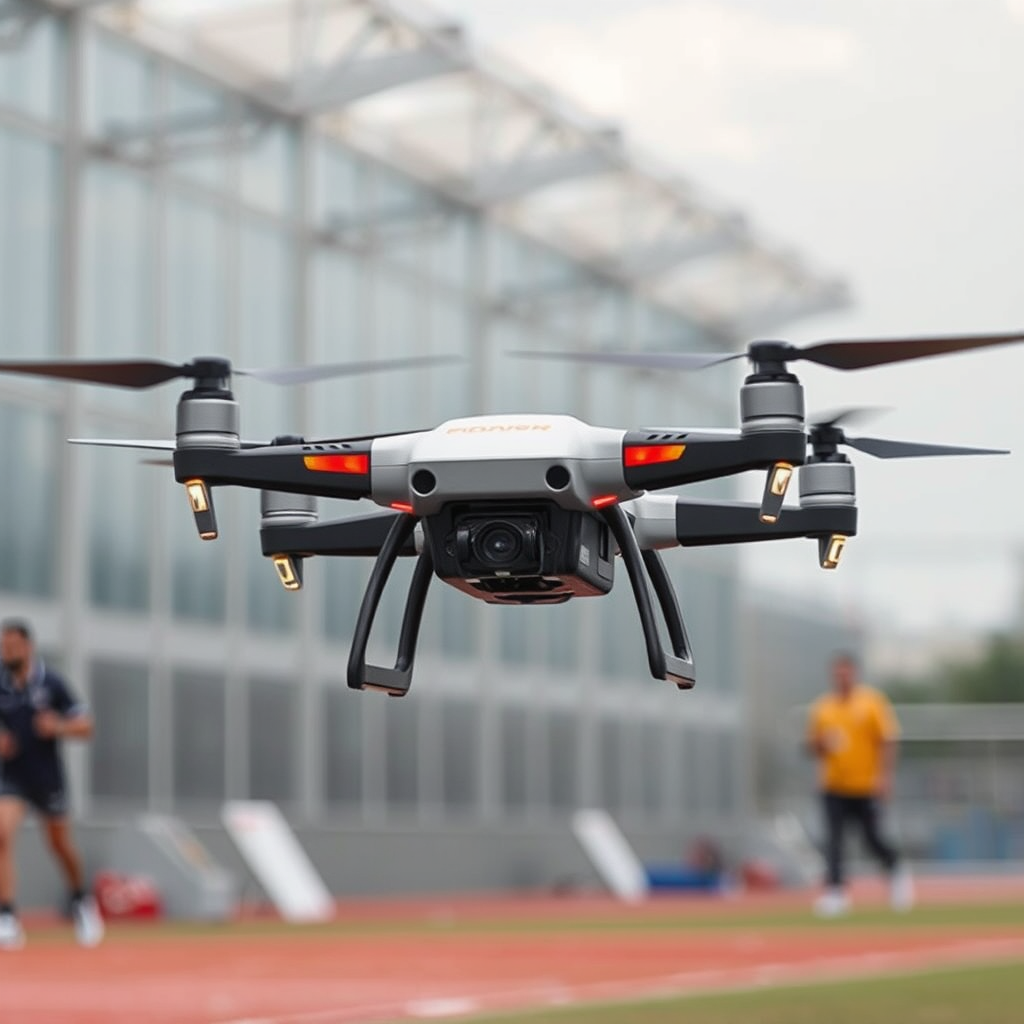
Drones have evolved significantly from their initial recreational and military applications. Today’s drones are equipped with sophisticated navigation systems, advanced sensors, and high payload capacities, allowing them to perform a variety of tasks. Current technology can support autonomous flight, obstacle avoidance, and precise landing capabilities, which are critical for safely transporting human passengers.
However, there are limitations that must be addressed. Most drones currently on the market are designed for cargo, not human transport, and typically have weight limits that restrict their ability to carry passengers. Battery life is another significant constraint; most drones have limited flight durations, often around 30 minutes, which poses challenges for longer trips. Recent advancements, though, are paving the way for overcoming these hurdles. Companies are developing electric vertical takeoff and landing (eVTOL) vehicles, utilizing more efficient battery technologies and hybrid systems that promise to extend flight durations and enhance payload capabilities.
Regulatory Challenges
Integrating human-carrying drones into existing airspace systems presents a complex set of regulatory challenges. Air traffic regulations are primarily designed for traditional aircraft, and adapting these frameworks to include drones will require significant collaboration between regulatory bodies, aviation experts, and drone manufacturers. The Federal Aviation Administration (FAA) in the United States, for example, has been working on creating guidelines that ensure the safe operation of drones within urban environments.
Safety standards will also play a crucial role in the approval of passenger drones. Developing and implementing rigorous safety protocols is necessary to safeguard passengers and gain public trust. This includes certification processes for both the drones and the operators, as well as emergency response strategies for potential failures. Regulations will need to address aspects such as flight paths, altitudes, and no-fly zones to ensure that human-carrying drones can operate without endangering others in the airspace.
Companies Leading the Charge
Several companies are at the forefront of developing human-carrying drones, each bringing unique innovations to the field. Uber Elevate, for instance, has been working on its aerial taxi service, aiming to provide on-demand flight options in urban areas. Their prototype is designed to be both electric and quiet, minimizing noise pollution, which is essential for city environments.
Joby Aviation is another notable player, having developed an eVTOL aircraft that can carry multiple passengers. Their design includes vertical takeoff and landing capabilities, which allows for operation in limited spaces, such as urban rooftops. Additionally, Joby Aviation has made significant strides in battery efficiency, enabling longer flight times and greater distances compared to traditional drones.
Other companies, such as Volocopter and Lilium, are also making headlines with their innovative designs and ambitious goals for urban air mobility. These companies focus on user experience and safety, ensuring that their drones are equipped with advanced navigation systems and robust safety features to facilitate safe passenger transport.
Potential Use Cases
The potential use cases for drone transportation are vast and varied. One of the most promising applications is urban air mobility. In densely populated cities, drones could alleviate traffic congestion by providing an alternative mode of transport above ground. They can offer quick commutes, drastically reducing travel times for short distances, and improving accessibility to various urban areas.
Another critical use case is medical transport. Drones could be instrumental in emergency situations, delivering patients to hospitals or transporting medical supplies quickly. For instance, in remote or hard-to-reach areas, drones could be deployed to provide urgent medical care, reducing the time it takes for first responders to reach patients. This capability could ultimately save lives and enhance the efficiency of healthcare services.
Public Perception and Concerns
Despite the promising developments in drone technology, public perception and concerns remain significant hurdles. Safety concerns are paramount; many people worry about the reliability of drones in transporting humans. High-profile accidents or malfunctions could deter potential users and lead to stricter regulations. Public education about the technology, including how it operates and the safety measures in place, will be essential in alleviating these fears.
Privacy is another major concern associated with the widespread use of drones. The potential for surveillance and data collection raises questions about individual privacy rights. As drones become more integrated into everyday life, establishing clear guidelines and regulations that protect personal privacy will be crucial to gaining public acceptance.
Future Prospects
Looking ahead, the next decade holds significant promise for human-carrying drones. As technology continues to advance, we can expect improvements in battery life, navigation systems, and overall safety features, making aerial transport a viable option for many. Predictions suggest that urban air mobility could become a reality within the next few years, with pilot programs likely emerging in major cities as companies test their capabilities.
Integration with existing transport systems will also be critical. Human-carrying drones could complement traditional forms of transportation, such as buses and trains, by providing last-mile connectivity. This synergy could lead to more efficient urban transit systems, reducing congestion and improving overall mobility.
As regulations evolve and public acceptance increases, we may soon witness a transformation in how we think about transportation. The dream of flying taxis could soon become a reality, fundamentally changing the way we navigate our cities.
In conclusion, while the prospect of drones transporting humans is still in its infancy, ongoing technological advancements and increasing interest from companies indicate a promising future. As regulations evolve and public acceptance grows, we may soon see drones become a viable mode of transportation. Stay informed about developments in this exciting field!
Frequently Asked Questions
Can drones legally transport humans?
Currently, the legality of drones transporting humans varies by country and region. In the United States, the Federal Aviation Administration (FAA) has not yet fully approved commercial operations for passenger drones; however, several companies are actively testing their aerial vehicles under specific regulations. It is essential to stay updated on local laws and regulations as the technology and legal framework are rapidly evolving.
What are the technical requirements for drones to safely transport humans?
Drones designed to transport humans must meet stringent safety and technical requirements, including robust flight control systems, redundant power sources, and advanced collision avoidance technology. Additionally, they must be equipped with a certified pilot system, either automated or human-operated, to ensure safe navigation. Manufacturers often need to comply with aviation standards set by regulatory bodies like the FAA or EASA, which dictate safety protocols and operational guidelines.
Why are passenger drones being developed?
The development of passenger drones aims to address urban congestion, reduce travel times, and provide efficient transportation options. As cities grow and traffic becomes a significant concern, aerial transportation can offer an innovative solution by utilizing airspace to bypass ground-level traffic. Furthermore, advancements in drone technology and electric vertical takeoff and landing (eVTOL) systems make this mode of transport increasingly viable.
Which companies are leading the way in human-carrying drones?
Several companies are at the forefront of developing human-carrying drones, including Uber Elevate, Volocopter, and Joby Aviation. These companies are working on various prototypes and conducting test flights to refine their designs and ensure passenger safety. As the industry matures, partnerships with aviation authorities and advancements in technology will likely accelerate the deployment of these innovative transportation solutions.
How soon can we expect drones to start transporting people regularly?
While many companies are making significant progress in developing passenger drones, widespread use is likely still a few years away. Experts predict that by the mid-2020s, we may see pilot programs and limited commercial operations in select urban areas, provided regulatory approvals and safety standards are met. Public acceptance and infrastructure readiness will also play vital roles in determining when drones will be a common mode of transportation.
References
- https://en.wikipedia.org/wiki/Passenger_drones
- https://www.bbc.com/news/technology-58825783
- https://www.reuters.com/technology/air-taxis-are-just-around-corner-2021-11-09/
- https://www.nytimes.com/2021/10/03/technology/drones-passengers.html
- https://www.icao.int/Meetings/a38/Documents/WP/wp_213_en.pdf
- https://www.sciencedirect.com/science/article/pii/S2352864821000053
- https://www.nasa.gov/mission_pages/advancedairmobility/index.html
