
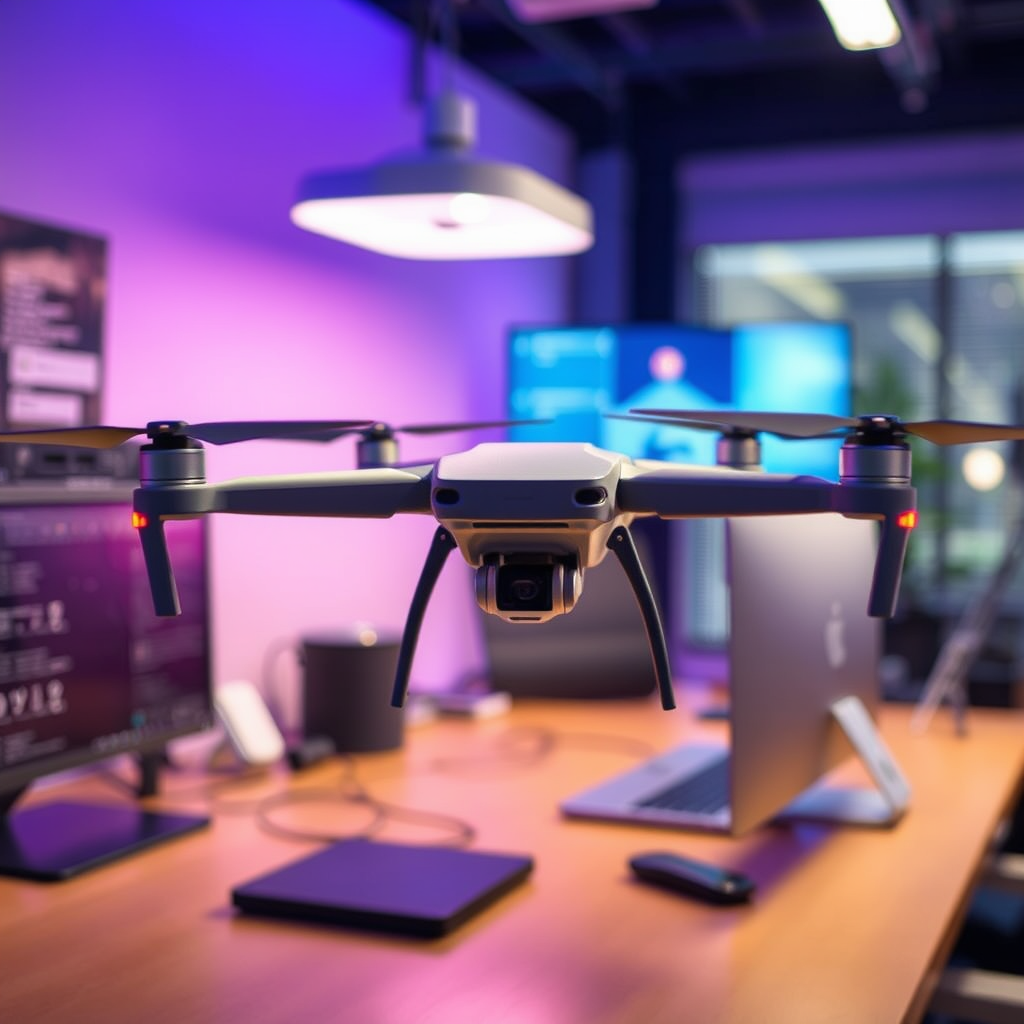
Drones can indeed trespass, depending on the laws and regulations governing airspace and property rights. As drone technology advances, the question of when and how they can legally operate becomes increasingly relevant. This article will explore the legal implications of drone use in relation to trespassing, providing essential insights for drone operators, property owners, and legal professionals alike.
Understanding Drone Trespassing
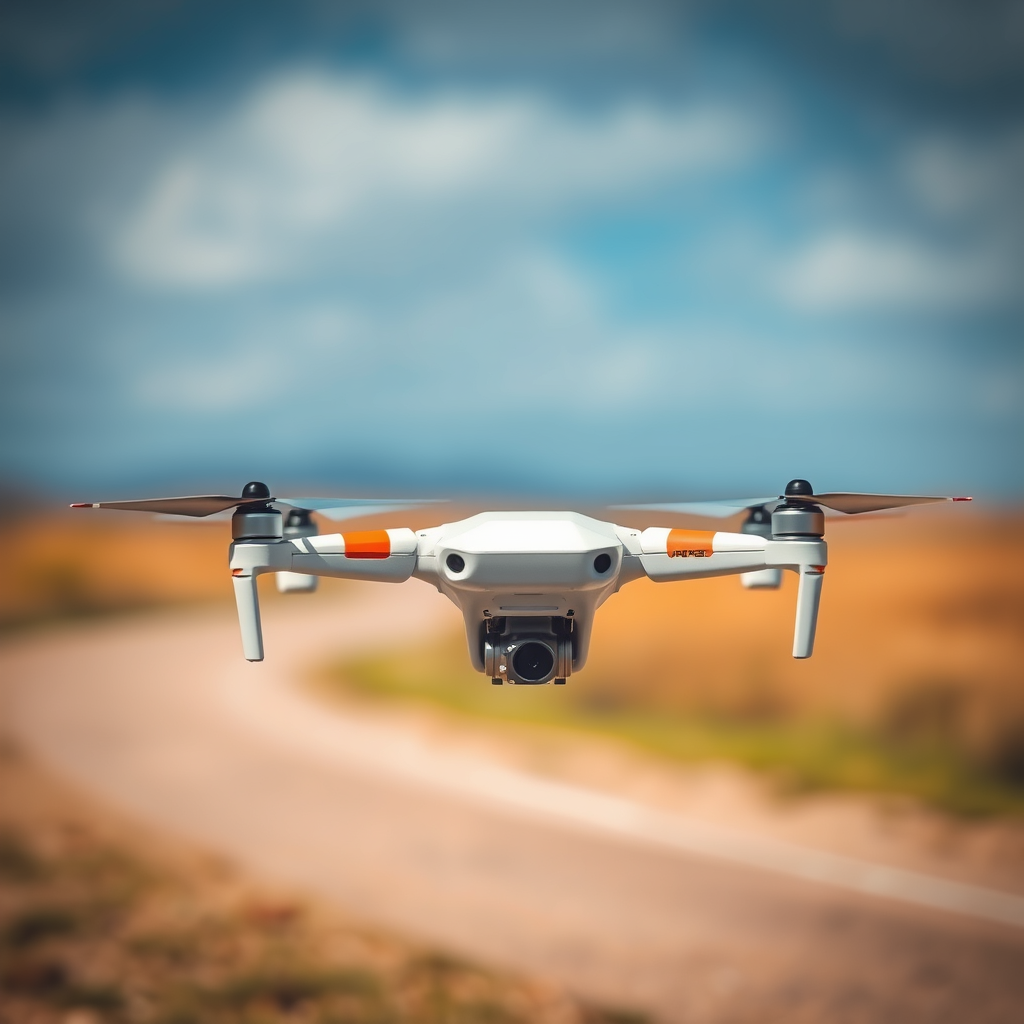
Trespassing traditionally refers to the unlawful entry onto someone else’s property. In the context of drones, this concept becomes complex, as it involves both physical property and the airspace above it. Legally, the airspace is divided into controlled and uncontrolled zones, each with specific regulations dictating how drones can operate. Federal laws, primarily regulated by the Federal Aviation Administration (FAA), establish the overarching framework for drone operations. However, individual states may have their own regulations, leading to potential conflicts between federal and state laws. This intersection of airspace and property rights raises important questions regarding the legality of drone flights over private property.
Airspace Regulations
Airspace is categorized into different classes, primarily controlled and uncontrolled airspace. Controlled airspace generally includes areas surrounding airports where air traffic is managed, requiring drones to adhere to strict regulations. Uncontrolled airspace, on the other hand, allows for more flexibility but still mandates that pilots follow FAA guidelines. The FAA has implemented rules such as requiring drones to operate below 400 feet and within the visual line of sight of the operator. These regulations are crucial in determining the legality of drone operations and are designed to ensure the safety and efficiency of the national airspace system. Failure to comply with these regulations can lead to legal consequences, including fines and the potential for criminal charges.
Property Rights and Drones
Property rights extend vertically above land, creating a legal boundary that includes the airspace above private property. According to the “ad coelum” doctrine, property owners have rights to the space above their land, which raises questions when drones fly overhead. Property owners have contested drone flights, arguing that these flights can intrude upon their privacy and property rights. For instance, in the case of Snyder v. Board of Education of the City of New York, a drone was used to capture images over a school’s property without permission, which led to legal action regarding privacy violations. Such cases exemplify the ongoing tensions between technological advancements in drone use and established property rights.
Legal Cases Involving Drones
Several notable legal cases have emerged concerning drone trespassing, shaping the landscape of drone laws. One significant case is Dow Chemical Co. v. United States, where the government used drones for aerial surveillance over private property. The court ruled that such surveillance without a warrant constituted a violation of the Fourth Amendment, highlighting the delicate balance between governmental interests and individual property rights. Another case, Jardines v. State of Florida, addressed the issue of bringing a police dog onto private property without a warrant, drawing parallels to drones that may intrude upon the airspace above homes. These legal precedents indicate a growing recognition of property owners’ rights and the need for drone operators to navigate these legal waters carefully.
Best Practices for Drone Operators
To avoid legal complications related to trespassing, drone operators should adhere to best practices that promote responsible flying. Firstly, operators should familiarize themselves with local laws and regulations, as these can vary significantly by region. It is advisable to obtain permission from property owners before flying over their land, particularly in private areas where privacy concerns may arise. Additionally, maintaining a safe distance from structures and populated areas can reduce the risk of potential disputes. Utilizing drone software that outlines no-fly zones and restricted airspace can also aid operators in compliance. By being proactive and respectful of property rights, drone pilots can mitigate the risk of legal challenges.
Future of Drone Laws
As drone technology continues to evolve, so too will the legal frameworks governing their operation. Emerging trends indicate that lawmakers are increasingly recognizing the need to adapt existing laws to address the specific challenges posed by drones. This includes considerations for privacy rights and the potential for airspace regulation reforms. Predictions suggest that we may see a more comprehensive legal structure that clearly delineates the rights of property owners versus the operational freedoms of drone pilots. Future legislation may also incorporate advanced technologies, such as geofencing and remote identification, to enhance safety and compliance. Staying informed about these trends will be crucial for both drone operators and property owners to navigate the evolving legal landscape.
In conclusion, while drones can trespass under certain conditions, understanding the legal landscape is crucial for operators. Awareness of airspace regulations and property rights can help mitigate legal risks and foster responsible drone use. For drone enthusiasts and operators, staying informed about the evolving laws is essential to ensure compliance and avoid trespassing disputes. As technology continues to advance, ongoing dialogue between stakeholders will be necessary to create a balanced regulatory environment that respects both innovation and property rights.
Frequently Asked Questions
Can drones trespass on private property?
Yes, drones can trespass on private property if they fly over land without the owner’s permission. In many jurisdictions, property owners have rights to the airspace above their property, typically extending up to a certain altitude. However, the specific laws regarding drone trespassing can vary by location, so it’s essential to understand local regulations and property rights.
What are the legal implications of drone trespassing?
The legal implications of drone trespassing can include civil lawsuits for invasion of privacy or property rights violations. In some cases, law enforcement may also get involved if the drone operator is found to be violating local laws or regulations. It’s crucial for drone operators to familiarize themselves with both federal and state laws to avoid potential legal issues.
How can I prevent drones from trespassing on my property?
To prevent drones from trespassing on your property, you can install physical barriers like fences or use privacy screens to obstruct aerial views. Additionally, you may want to consider using technology such as drone detection systems that alert you when drones enter your airspace. Educating your neighbors about privacy concerns and local laws can also help create a community-wide understanding around drone usage.
Why are drones considered a potential privacy threat?
Drones are considered a potential privacy threat because they can easily capture images, videos, and other data without the subject’s consent. This capability raises concerns about surveillance and the unauthorized collection of personal information. As drone technology continues to advance, the potential for misuse increases, prompting many to advocate for stricter regulations to protect individual privacy rights.
Which laws govern drone trespassing in the United States?
In the United States, drone trespassing is governed by a combination of federal regulations from the Federal Aviation Administration (FAA) and local laws that vary by state. The FAA regulates airspace and drone operations, while state laws can address property rights and privacy issues. Familiarizing yourself with both federal and state guidelines is essential for understanding how drone trespassing is regulated in your area.
References
- https://en.wikipedia.org/wiki/Drone_trespass
- https://www.theguardian.com/technology/2020/nov/30/drones-property-rights-trespass
- https://www.nytimes.com/2019/10/10/us/drone-trespassing.html
- https://www.ncbi.nlm.nih.gov/pmc/articles/PMC7795469/
- https://www.faa.gov/uas/resources/policy_library/
- https://www.aclu.org/news/privacy-technology/what-are-the-legal-issues-surrounding-drones
- https://www.ajc.com/news/georgia-news/drone-trespassing-sparks-legal-debate/H7SK5FZZJZFA3I5W2SY5FQHEYY/
