
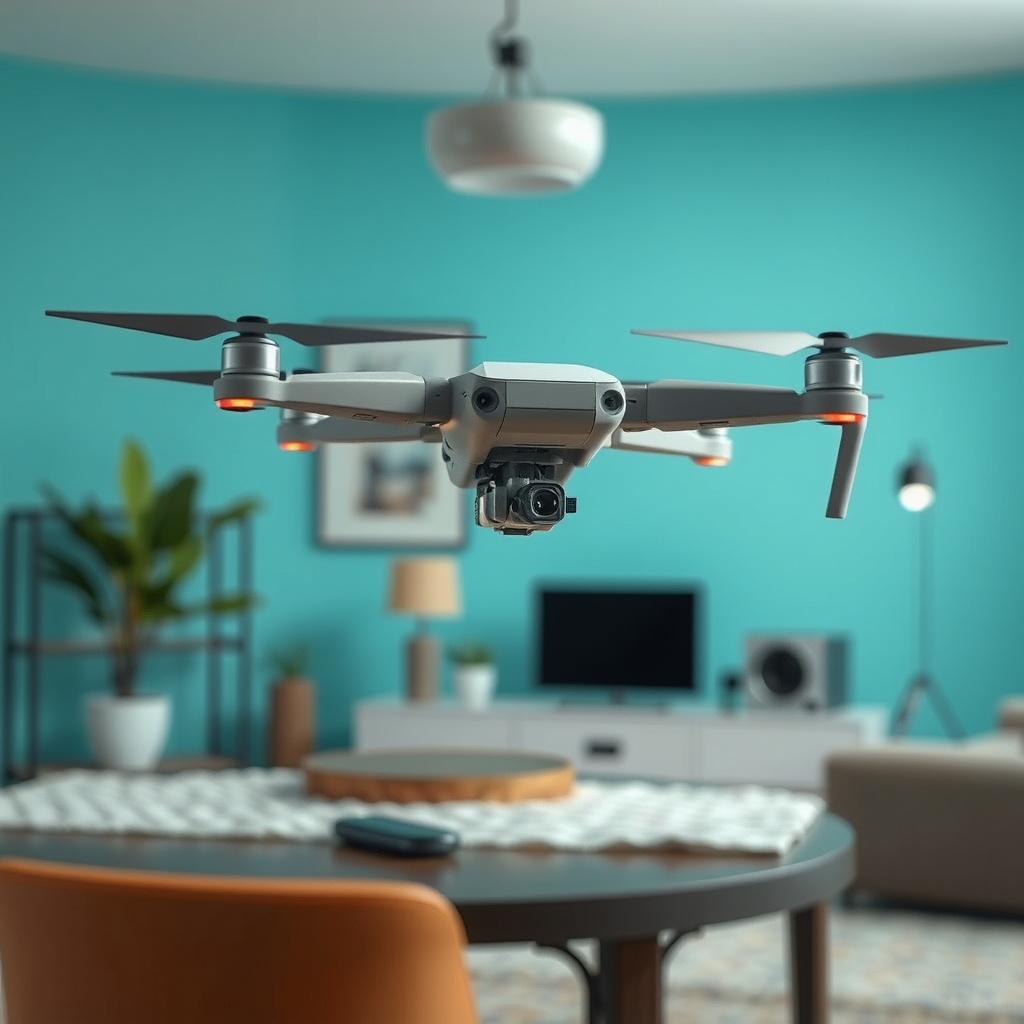
Flores drones can indeed break Miras; however, the effectiveness depends on various factors including the type of Mira and the capabilities of the drone. As the technology surrounding both drones and Miras evolves, understanding their interaction becomes crucial for various applications, including military operations, surveillance, and disaster management. This article will delve into how Flores drones engage with Miras, the underlying technology, and the broader implications of their usage.
Understanding Flores Drones
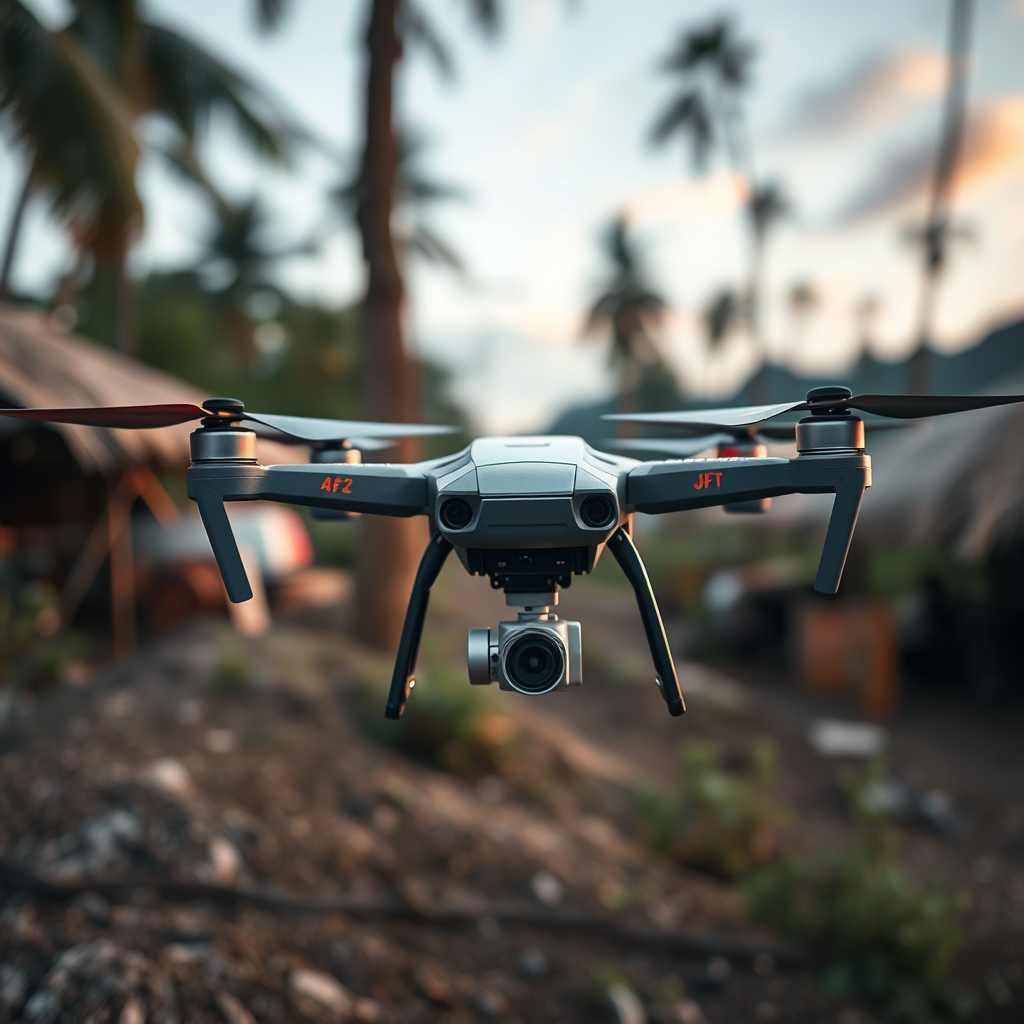
Flores drones are a specialized category of unmanned aerial vehicles (UAVs) designed primarily for reconnaissance and tactical operations. These drones are equipped with advanced sensors, cameras, and sometimes even payload delivery systems that make them versatile tools in both civilian and military applications. The primary purpose of Flores drones is to gather intelligence, perform surveillance, and execute targeted missions without risking human lives.
Key features that differentiate Flores drones from other types include their enhanced flight stability, long-range communication capabilities, and sophisticated data processing systems. Many Flores drones utilize artificial intelligence to analyze real-time data, allowing them to make decisions autonomously. This advanced level of functionality not only increases their effectiveness in the field but also allows for strategic applications in scenarios where traditional methods might fall short.
Overview of Miras
Miras, or Multi-Intelligent Resilient Autonomous Systems, represent a new wave of technologies designed for various applications such as defense, urban monitoring, and environmental assessment. Essentially, Miras serve as intelligent agents capable of operating in complex environments, often coordinating with multiple systems to achieve specific goals. These systems are particularly prominent in military contexts, where they assist with surveillance, reconnaissance, and even direct engagement in combat scenarios.
Different types of Miras exist, each tailored for specific tasks. For example, some Miras are designed for land-based reconnaissance, while others are optimized for aerial surveying. Despite their advanced capabilities, Miras are not without vulnerabilities. Their reliance on communication networks makes them susceptible to disruptions, and their operational parameters can be exploited, particularly by advanced technologies like Flores drones.
How Flores Drones Interact with Miras
Flores drones can disrupt or break Miras through various mechanisms, primarily by exploiting their communication vulnerabilities. One common method is jamming, where the drone emits signals that interfere with the Mira’s communication frequencies, thereby hindering its operational effectiveness. Additionally, Flores drones equipped with sophisticated electronic warfare capabilities can deploy countermeasures that confuse or redirect Miras, rendering them ineffective.
Scenarios where this interaction is effective typically involve complex environments where Miras are deployed in coordination with other systems. For instance, in military operations, a Flores drone could disrupt a Mira’s communication with its control center, thereby isolating it and making it an easier target for engagement. In civilian applications, similar strategies can be employed to neutralize Miras used for surveillance and data collection.
Limitations of Flores Drones Against Miras
Despite their capabilities, several factors limit the effectiveness of Flores drones in breaking Miras. One significant limitation is the technological sophistication of the Miras themselves. Advanced Miras may have built-in redundancies or alternative communication channels that allow them to continue operating even when one system is disrupted. Furthermore, Miras may employ encryption and other security measures that make it difficult for Flores drones to interfere without prior knowledge of the system architecture.
Environmental challenges also play a critical role in the effectiveness of Flores drones. Factors such as terrain, weather, and electromagnetic interference can impact the drone’s operation, potentially reducing its ability to effectively engage with Miras. Additionally, legal and ethical considerations come into play, particularly in military and civilian contexts, where the deployment of drones for disruption can raise questions about compliance with international law and operational protocols.
Real-World Applications and Case Studies
There are several documented instances where Flores drones successfully engaged Miras. For example, in a military exercise, a Flores drone was deployed to disrupt Mira operations during a simulated conflict scenario. The drone successfully jammed communications, resulting in the Mira being unable to relay critical information back to its control unit, thereby demonstrating the effectiveness of this interaction in a controlled environment.
Industry experts have noted that the evolving capabilities of Flores drones make them invaluable assets in both defense and civilian sectors. Insights from these experts suggest that as drone technology continues to advance, the potential for effective engagement with Miras will grow. Training and operational protocols will also need to adapt to incorporate these new technologies, ensuring that operators can maximize their effectiveness while minimizing risks.
Future Implications and Developments
Looking ahead, we can predict several advancements in drone technology that will impact their interaction with Miras. As artificial intelligence and machine learning continue to evolve, we can expect Flores drones to become increasingly autonomous, allowing them to make real-time decisions based on complex data inputs. This will enhance their ability to engage Miras effectively, potentially leading to new tactics and operational strategies.
Furthermore, regulatory frameworks are likely to evolve in response to the growing use of drones in sensitive applications. As governments and organizations recognize the implications of drone technology on privacy, security, and ethical considerations, new regulations may emerge to govern their usage. This will create a need for ongoing dialogue among stakeholders in the drone and Mira industries to ensure that technological advancements align with legal and ethical standards.
In conclusion, while Flores drones possess the capability to break Miras under certain conditions, understanding the limitations and context of their use is essential. As technological advancements continue to shape the landscape of drone and Mira interactions, this area remains an exciting and dynamic field to monitor, with implications that extend across military, civilian, and regulatory domains. The future of Flores drones and Miras will undoubtedly bring new challenges and opportunities, making it a critical space for continued exploration and innovation.
Frequently Asked Questions
Can Flores drones effectively break Miras?
Yes, Flores drones can effectively break Miras, particularly in tactical gaming scenarios. The unique capabilities of Flores drones allow players to deploy them strategically to disrupt enemy positions, create openings for attacks, and gather valuable intel. Understanding the mechanics of both the drone and the Mira gadget is essential for maximizing the effectiveness of this tactic.
How do Flores drones interact with Mira windows?
Flores drones interact with Mira windows by targeting the black mirror surface that Mira deploys. When a Flores drone rolls up to a Mira window, it can detonate its explosive, causing significant damage and breaking the glass. Players must maneuver the drone carefully to avoid detection while ensuring it reaches the window to achieve the desired effect.
Why should I use Flores drones against Mira in gameplay?
Using Flores drones against Mira is an effective strategy because it allows players to eliminate her strong defensive capabilities without exposing themselves to direct fire. The ability to break Mira’s windows from a safe distance enhances team tactics and can shift the momentum in your favor. Moreover, utilizing Flores drones helps gather information about enemy positions, contributing to a more coordinated attack.
What is the best strategy for using Flores drones to counter Mira?
The best strategy for using Flores drones to counter Mira involves careful coordination with your team and effective timing. First, ensure that your team distracts Mira or her allies to prevent them from focusing on the drone. Then, maneuver the Flores drone stealthily to the Mira window, activating its explosive at the right moment to maximize impact and minimize risk of interception.
Which operators pair well with Flores drones to counter Mira?
Operators that pair well with Flores drones to counter Mira include Ash, Zofia, and Hibana. Ash and Zofia can provide long-range fire to distract or eliminate Mira before deploying the Flores drone, while Hibana can create additional openings in walls for entry. This synergy allows for a more comprehensive approach to breaking Mira’s defenses and facilitates successful team strategies.
References
- https://en.wikipedia.org/wiki/Flightradar24
- https://www.faa.gov/
- https://www.reuters.com/technology/drone-regulations-us-2021-03-30/
- https://www.bbc.com/news/technology-58046167
- https://www.nytimes.com/2021/05/05/technology/drone-safety.html
- https://www.nap.edu/catalog/23435/assessing-the-impacts-of-drones-on-public-safety
- https://www.techcrunch.com/2021/06/10/drones-aerial-traffic-management/
- https://www.smithsonianmag.com/innovation/how-drones-are-helping-us-see-the-world-in-a-new-way-180976675/
- https://www.nasa.gov/
- https://www.urbaninstitute.org/research/publication/drone-technology-and-public-safety
