
Yes, you can bring a drone through airport security, but there are specific regulations and guidelines you must follow. Understanding these rules can help ensure a smooth travel experience with your drone. Drones have become increasingly popular for both recreational and professional use, leading many travelers to wonder how they can transport these devices securely and in compliance with regulations. This article will provide you with essential information on transporting drones through airport security effectively.
Understanding TSA Regulations
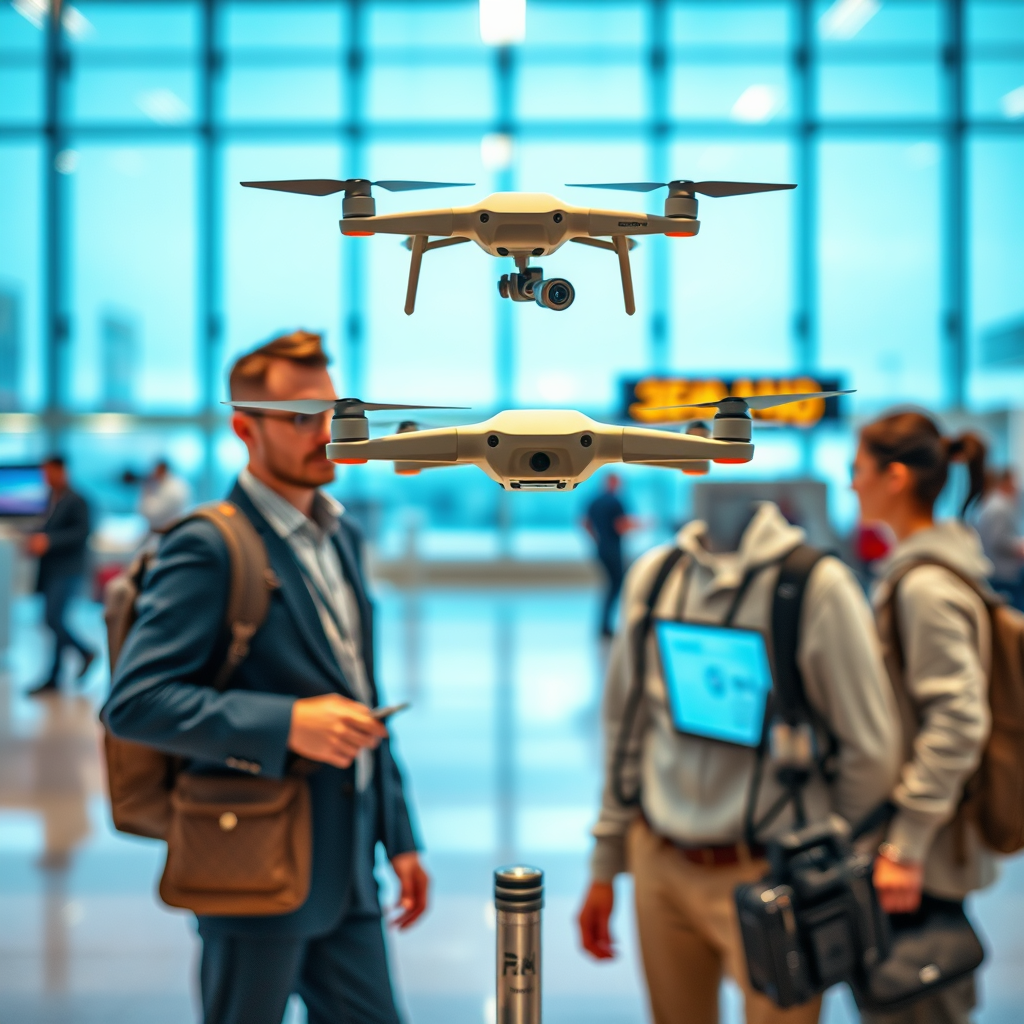
The Transportation Security Administration (TSA) permits the transportation of drones in both carry-on and checked baggage, but there are crucial rules to keep in mind. First and foremost, drones must be turned off when passing through security checkpoints. It is advisable to remove the drone from its case and place it in a separate bin for screening. This ensures that security personnel can easily inspect the device without complications.
Moreover, be aware that TSA regulations also apply to the drone’s components, including cameras and other accessories. Each of these items may need to go through the screening process. Familiarizing yourself with the TSA’s official guidelines is essential, as they may update their policies. For instance, during peak travel times or special events, additional security measures may be enacted, which could affect how your drone is handled during screening.
Packing Your Drone for Travel
Proper packing of your drone is vital to prevent damage during transit and to ensure compliance with security regulations. Using a protective case specifically designed for drones can safeguard your device from impact, moisture, and other potential hazards. Look for cases that offer ample padding and compartments for additional accessories, such as cables and remote controls.
In addition to the physical protection of the drone itself, it’s crucial to handle the batteries correctly. Lithium batteries, commonly used in drones, have specific transport regulations due to their potential fire hazards. The Federal Aviation Administration (FAA) recommends removing batteries from the drone and packing them separately in your carry-on luggage. Ensure that the batteries are under the watt-hour limits set by the FAA—typically, batteries under 100 watt-hours can be transported without special permissions, while those above may require prior arrangements. Always check the battery specifications and adhere to the latest FAA guidelines to avoid complications.
Checking Airline Policies
While TSA regulations provide a framework for transporting drones, individual airlines may have their own rules that you must follow. Some airlines may restrict the size or type of drones allowed on their flights, while others may have specific requirements for battery transport. For example, certain airlines might only allow a limited number of lithium batteries in carry-on luggage or may require them to be completely discharged.
Before embarking on your journey, it is essential to visit your airline’s official website or contact their customer service to understand their drone transport policy. This proactive approach can help you avoid any surprises at the airport, such as last-minute changes or outright refusals to carry your drone on board. Some airlines may even provide specific guidance for drone users, which can enhance the overall travel experience.
International Travel Considerations
When traveling internationally with a drone, it is critical to research the regulations of your destination country. Drone laws vary significantly from one country to another, and some nations may have strict restrictions on drone usage, including registration requirements or outright bans on flying drones in certain areas. For instance, countries like Canada and the United Kingdom have their own guidelines that must be followed to ensure compliance.
Additionally, some countries may require drone operators to obtain permits or licenses before using their devices. In places like France, for example, drones must be registered with the government, and operators must adhere to strict rules regarding where they can fly. Failing to comply with local regulations can result in hefty fines or confiscation of your drone, making it imperative to conduct thorough research before traveling.
Navigating Security Screening
Arriving at the airport with your drone requires a strategic approach to ensure a smooth security screening process. Be prepared for potential additional screening, which may involve security personnel asking to inspect your drone case. Having your drone easily accessible and packed in an organized manner will facilitate quicker inspections.
To mitigate delays, consider arriving at the airport earlier than usual, especially if you are traveling during busy periods. This additional time allows for any unforeseen complications that may arise during the security process. Staying calm and cooperative with security personnel will also help expedite the process, allowing you to continue your journey without significant disruptions.
Following Local Laws and Regulations
Once you arrive at your destination, it is crucial to familiarize yourself with the local laws regarding drone operation. This includes understanding no-fly zones, altitude limits, and any specific regulations set by local authorities. Many cities have designated areas where drone flying is prohibited, which can include parks, near airports, or populated urban areas.
Respecting these regulations not only ensures compliance but also promotes safe and responsible drone operation. Local communities may have different expectations of drone operators, and being aware of these can foster goodwill and cooperation. Engaging with local drone communities or checking online resources can provide valuable insights into local drone etiquette and regulations.
In conclusion, bringing a drone through airport security is possible, provided you adhere to TSA and airline guidelines. Properly packing your drone, understanding airline policies, and being aware of local and international regulations are all critical steps to ensure a hassle-free travel experience. By planning ahead and staying informed, you can enjoy your drone adventures while minimizing potential complications. Always verify the latest information before your trip to ensure compliance and a smooth journey.
Frequently Asked Questions
Can I bring a drone through airport security?
Yes, you can bring a drone through airport security, but there are specific regulations you must follow. Drones are generally allowed in carry-on luggage, but it’s crucial to check with the airline and the Transportation Security Administration (TSA) for any restrictions or requirements. Ensure the drone’s batteries are properly stored and comply with guidelines regarding lithium-ion batteries, as they can pose a fire hazard.
What are the TSA rules for carrying a drone on a plane?
The TSA allows drones to be carried on flights, but they must be packed correctly. Drones should be placed in your carry-on bag, and you may need to remove them for separate screening at security checkpoints. Be mindful of battery limits; for lithium batteries over 100 watt-hours, you may need special permissions, so check the latest TSA guidelines before you travel.
How should I pack my drone for air travel?
To pack your drone for air travel, first ensure it is disassembled, if possible, to minimize damage. Use a padded case or a backpack designed for drones to protect it during transit. Always remove the batteries and store them separately according to airline guidelines, as this helps avoid potential fire risks and ensures compliance with regulations.
Why do I need to check airline policies regarding drones?
Different airlines have varying policies regarding the transportation of drones, which can affect your travel experience. Some airlines may have restrictions on drone size, weight, or battery capacity, while others may charge additional fees. Checking the airline’s specific guidelines helps ensure a smooth journey and prevents any unexpected issues at the airport.
What should I do if my drone is confiscated at the airport?
If your drone is confiscated at the airport, remain calm and ask the security personnel for the reason. Generally, you may be able to retrieve your drone by providing necessary documentation or proving that it meets regulations. If it cannot be recovered, contact the airline or airport lost and found for further assistance, and consider filing a complaint if you believe the confiscation was unjustified.
References
- https://www.tsa.gov/travel/security-screening/whatcanibring/all-list-items/drone
- https://www.faa.gov/uas/getting_started/
- https://www.faa.gov/uas/resources/policy_library/
- https://www.npr.org/sections/thetwo-way/2018/02/20/586326858/what-you-need-to-know-about-flying-drones-in-the-u-s
- https://www.wired.com/story/drones-airport-security/
- https://www.bbc.com/news/technology-41397556
- https://www.nytimes.com/2019/05/07/technology/drones-airport-security.html
