
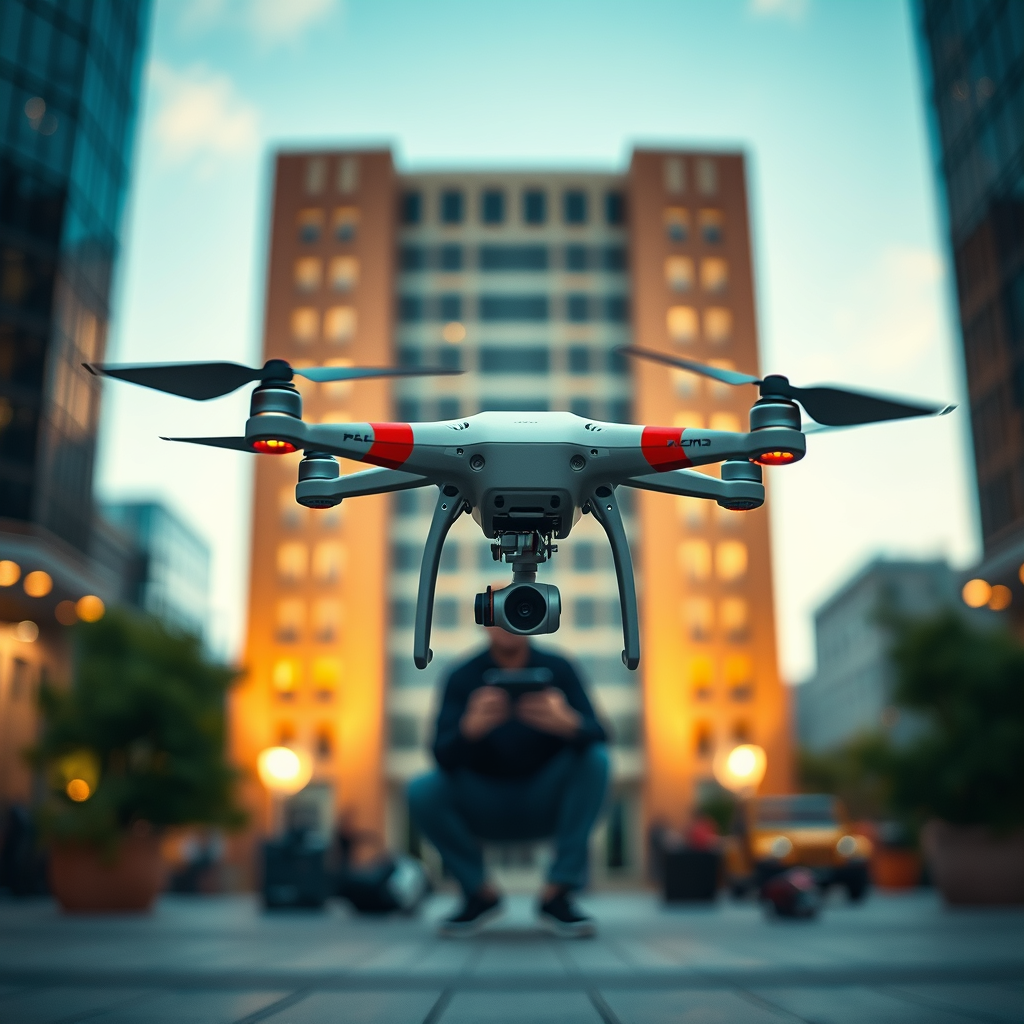
Yes, you can fly a drone in public, but there are specific regulations and guidelines you must follow to ensure safety and compliance with local laws. Understanding these rules will not only enhance your flying experience but also help you respect the rights of others and the environment you are operating in. As the popularity of drones continues to rise, so does the importance of being informed about the legalities and best practices associated with drone flying in public spaces.
Understanding Drone Regulations
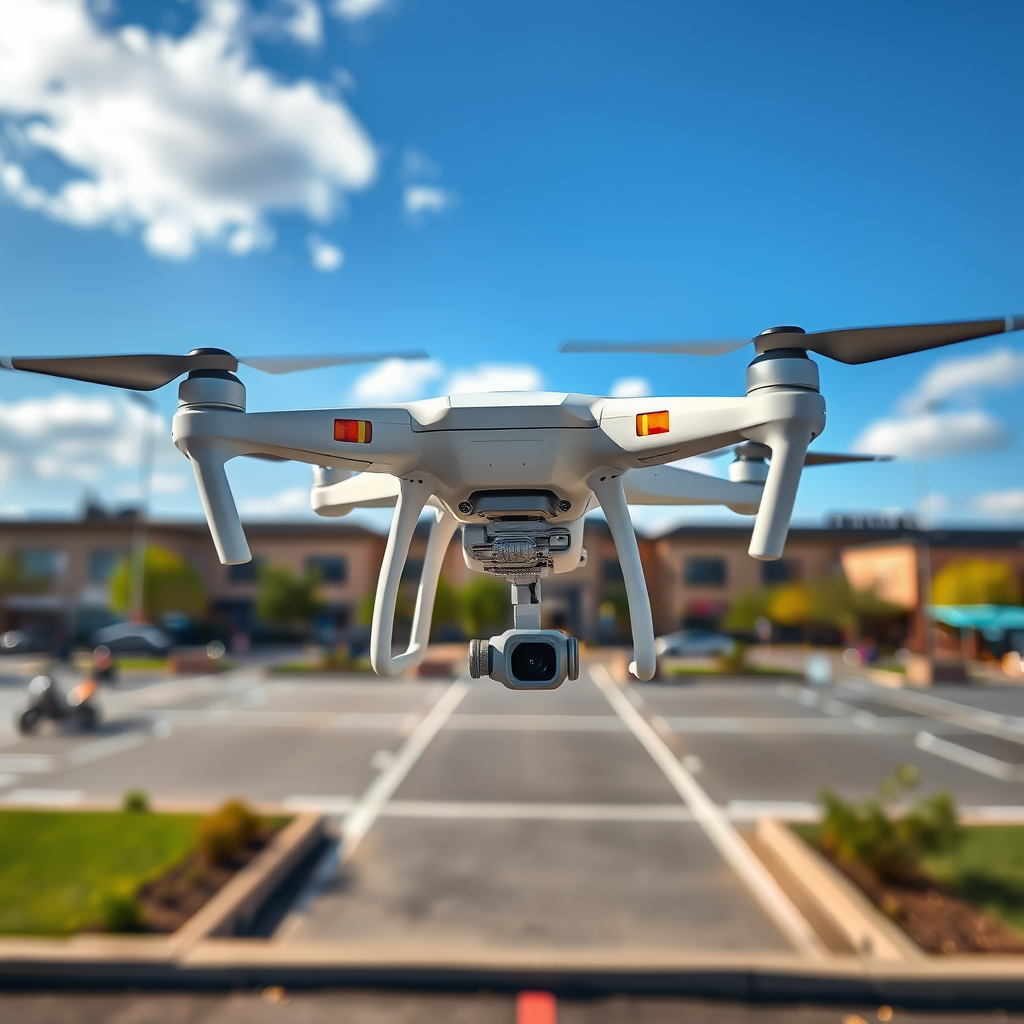
To fly a drone legally in public, it is crucial to familiarize yourself with the Federal Aviation Administration (FAA) regulations governing drone use. In the United States, drones weighing more than 0.55 pounds must be registered with the FAA, and operators must adhere to specific operational guidelines. These guidelines include flying at or below 400 feet, maintaining a visual line of sight with the drone, and not flying over groups of people or moving vehicles.
Additionally, different regions may have specific laws that can affect where you can fly. For instance, many cities and states have enacted their own regulations that restrict drone use in certain areas, such as near schools, government buildings, or densely populated urban environments. It is essential to conduct thorough research and stay updated with any local ordinances before taking your drone out for a flight.
Designated Flying Areas
Identifying public spaces that allow drone flying is a key component of enjoying your drone in a responsible manner. Many parks, recreational fields, and open areas are designated for drone use, but it is important to verify the rules for each location. Some parks may require permits or have designated flying zones to minimize disturbances to wildlife or other park-goers.
Furthermore, popular locations such as beaches, mountains, or urban parks may have restrictions due to their proximity to airports or high population density. For example, the FAA requires that you do not fly within five miles of an airport without prior authorization. Always check for any temporary flight restrictions (TFRs) that could affect your ability to fly in certain areas, especially during special events or emergencies.
Safety Measures
Safety should always be your top priority when flying a drone. Maintaining a visual line of sight with your drone at all times is paramount; this means you should always be able to see the drone without the aid of binoculars or other visual enhancement devices. This practice not only helps you maintain control but also allows you to be aware of your surroundings, which is critical for avoiding obstacles and ensuring the safety of people and animals nearby.
Additionally, be mindful of the weather conditions before your flight. High winds, rain, or poor visibility can affect your drone’s performance and increase the risk of accidents. Implementing a safety checklist before takeoff—such as checking battery life, inspecting the drone for any damage, and ensuring that the area is clear of obstacles—can significantly reduce the chances of mishaps.
Drone Registration Requirements
Before flying your drone in public, it is important to determine whether it needs to be registered with the FAA. As mentioned, drones that weigh more than 0.55 pounds must be registered, and this process can be completed online through the FAA’s official website. Registration typically costs $5 and is valid for three years. Once registered, you will receive a unique identification number that must be displayed on your drone.
Understanding the registration process is crucial for public flying, as failure to register your drone can result in fines and penalties. Additionally, if you’re operating a drone for commercial purposes, you will need to obtain a Remote Pilot Certificate under Part 107 regulations, which includes passing an aeronautical knowledge test.
Respecting Privacy Rights
Respecting the privacy rights of others is a vital aspect of responsible drone operation. Avoid flying over private property without explicit permission from the property owner. Many states have laws against invasion of privacy, which can include capturing images or videos of individuals without their consent.
Moreover, be aware of local laws regarding photography and videography when using your drone. Some areas may have restrictions on aerial photography, particularly in sensitive locations such as military bases, hospitals, or private residences. Operating within these legal frameworks not only helps you avoid legal issues but also fosters goodwill within the community.
Community Guidelines and Etiquette
Engaging with the local drone flying community can enhance your experience and provide valuable insights into best practices. Joining local drone flying clubs allows you to learn from experienced pilots and share knowledge about the best locations and techniques for flying. Many clubs also organize group events, which can be an enjoyable way to connect with fellow enthusiasts.
Following community guidelines, such as respecting noise levels and adhering to established flying hours, promotes goodwill among fellow flyers and the public. Being courteous and considerate can help mitigate potential conflicts and ensure a positive environment for everyone involved in drone flying activities.
Consequences of Non-Compliance
Understanding the consequences of non-compliance is critical for anyone interested in flying a drone in public. Violating FAA regulations can result in hefty fines, with penalties reaching up to $27,500 for civil infractions. In more severe cases, criminal charges can be brought against operators who engage in reckless behavior or harm others through careless flying.
Moreover, irresponsible flying can have a lasting impact on the drone community’s reputation. Incidents involving drones—such as crashes, privacy violations, or disruptions at public events—can lead to stricter regulations and increased scrutiny from lawmakers. Being a responsible drone operator is essential for maintaining a positive image and ensuring that future generations can enjoy the benefits of drone technology.
In conclusion, flying a drone in public is permissible as long as you adhere to regulations, respect others’ rights, and prioritize safety. By familiarizing yourself with the FAA guidelines, identifying designated flying areas, implementing safety measures, understanding registration requirements, and respecting privacy rights, you can enhance your flying experience while contributing positively to the drone community. Staying informed about local laws and best practices will not only keep you compliant but also ensure a safe and enjoyable experience for all.
Frequently Asked Questions
What are the legal requirements for flying a drone in public?
The legal requirements for flying a drone in public vary by country and region, but generally, you must comply with local aviation regulations. In the United States, the Federal Aviation Administration (FAA) mandates that drone operators register their drones if they weigh more than 0.55 pounds and adhere to specific guidelines, such as flying below 400 feet, keeping the drone within visual line of sight, and avoiding restricted areas like airports. Always check local laws and regulations before flying to ensure compliance.
How can I find out if it’s legal to fly my drone in a specific public location?
To determine if it’s legal to fly your drone in a specific public location, you can consult the FAA’s B4UFLY app or website, which provides information on airspace restrictions and regulations. Additionally, local government websites or parks and recreation departments often have rules regarding drone use in public parks or city spaces. Always look for no-fly zone signage and obtain necessary permits if required.
Why do some areas prohibit flying drones in public spaces?
Some areas prohibit flying drones in public spaces primarily due to safety and privacy concerns. Drones can pose risks to manned aircraft, especially near airports or in crowded urban areas, increasing the potential for accidents. Additionally, public spaces often have regulations against drone use to protect the privacy of individuals, as drones equipped with cameras can inadvertently capture images or videos of people without their consent.
What are the best practices for flying a drone in public?
The best practices for flying a drone in public include conducting a pre-flight checklist to ensure your drone is in good working condition, maintaining a safe distance from people, animals, and property, and being aware of your surroundings to avoid obstacles. It’s also crucial to respect privacy by not flying over private property without permission and to follow all local regulations and guidelines. Using a spotter can help maintain visual line of sight and enhance safety.
Which drones are best for flying in public spaces?
The best drones for flying in public spaces are those that are lightweight, user-friendly, and equipped with safety features such as GPS, obstacle sensors, and automatic return-to-home capabilities. Models like the DJI Mini 2 or the Parrot Anafi are popular choices due to their portability and ease of use, making them suitable for recreational flying. Always consider your skill level and the drone’s specifications to ensure a safe flying experience in public areas.
References
- https://www.faa.gov/uas/getting_started/part_107
- https://www.faa.gov/uas/
- https://www.nasa.gov/feature/nasa-and-faa-tackle-drone-safety
- https://www.wired.com/story/drone-regulations-public-use/
- https://www.nytimes.com/2021/04/18/technology/drone-regulations.html
- https://www.theguardian.com/technology/2021/jun/03/drone-regulations-uk
- https://www.ama-assn.org/delivering-care/public-health/drone-technology-and-public-health-0
- https://www.bbc.com/news/technology-61161764
- https://www.nap.edu/catalog/25643/using-drones-for-public-health-research-and-practice-in-the-us
