
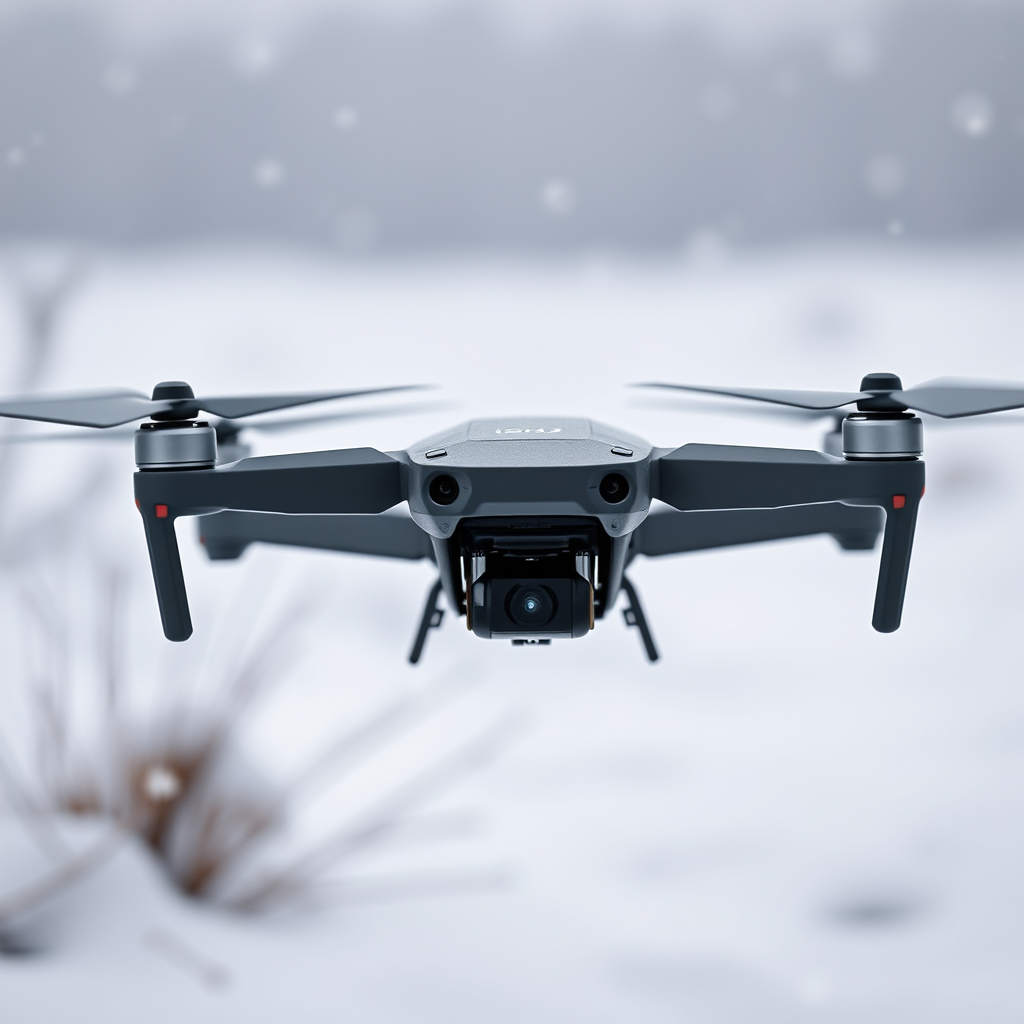
Yes, you can fly a drone in snow, but there are important factors to consider to ensure safe and effective operation. Flying a drone in snowy conditions can present unique challenges, including reduced battery efficiency, potential for sensor obstruction, and decreased visibility. To navigate these challenges successfully, it’s essential to be well-informed and prepared before taking off.
Understanding Drone Limitations in Cold Weather
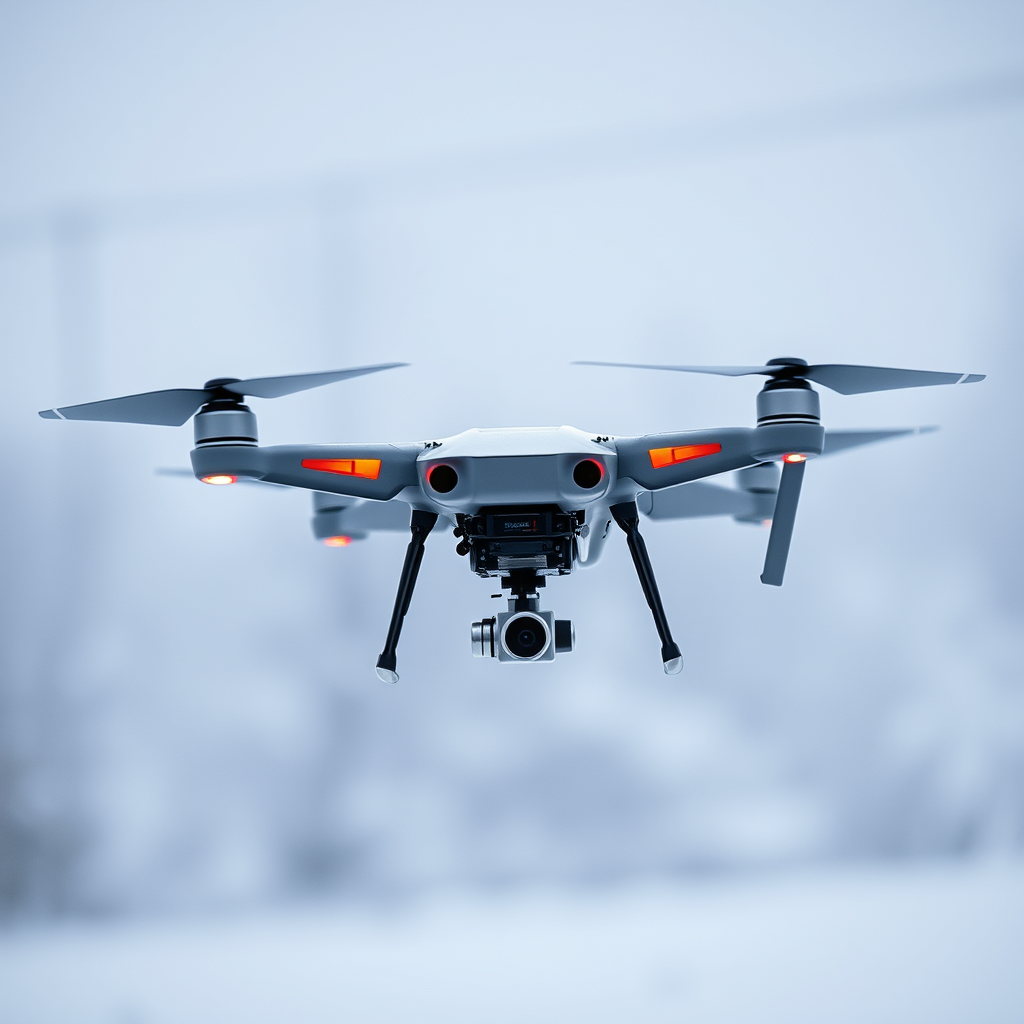
Drones are sophisticated machines, but they have limitations, particularly in cold weather. One of the primary concerns when flying a drone in snow is battery performance. Lithium polymer (LiPo) batteries, commonly used in drones, can experience a significant reduction in capacity and efficiency at lower temperatures, leading to shorter flight times. For instance, a fully charged battery that might typically last 20 minutes in optimal conditions could drop to 15 minutes or less in severe cold.
Additionally, snow and ice can obstruct sensors and propellers. Drones rely on various sensors for stability and navigation, including GPS, ultrasonic sensors, and cameras. When snow accumulates on these components, it can lead to erroneous readings, causing the drone to behave unpredictably. Propellers can also become less effective if ice forms on them, which can severely impact flight stability and safety during operation.
Preparing Your Drone for Snowy Conditions
To ensure a successful flight in snowy conditions, it is crucial to prepare your drone adequately. First, opt for a drone that is rated for cold weather or equipped with winterization features. Some drones come with weather-resistant materials and coatings that can help protect them from moisture and cold temperatures, making them more suitable for winter flying.
Before heading out, ensure all components of your drone, including batteries, are fully charged and functioning optimally. It may also be beneficial to warm the batteries before flight; keeping them in a warm pocket until just before takeoff can help maintain their efficiency. Additionally, consider using battery warmers or insulated battery bags designed to maintain temperature in cold conditions.
Safety Tips for Flying in Snow
Safety is paramount when flying a drone in snow. One of the most critical considerations is to avoid flying in heavy snowfall. Reduced visibility can make it challenging to see your drone or identify obstacles, increasing the risk of crashes. If conditions worsen unexpectedly, be prepared to land quickly and safely.
Moreover, pay attention to local weather forecasts and changing conditions. Snowstorms can develop rapidly, and being caught in one could pose significant dangers. Always ensure that you can see your drone clearly at all times and maintain a safe distance from people, animals, and property.
Maintaining Visibility and Control
Visibility is a crucial aspect of flying drones in snowy environments. The white landscape can make it difficult to see your drone, especially if it is a darker color. To counteract this, consider using brightly-colored drones or adding visual markers, such as neon stickers or tape, to enhance visibility against the snow.
Additionally, flying at lower altitudes can help maintain better control and visibility. At lower heights, you can better gauge your drone’s position relative to the ground and any potential obstacles. However, be mindful of not flying too low to avoid collisions with snow-covered trees or other obstructions.
Post-Flight Care for Your Drone
After flying your drone in snow, it is crucial to engage in thorough post-flight care. Inspect your drone for any snow accumulation or ice build-up, particularly around the motors, propellers, and sensors. Any residual moisture can lead to significant damage if not properly addressed.
Cleaning and drying your drone is essential to prevent moisture damage. Use a soft cloth to wipe down the exterior and ensure that all components are dry before storing the drone. Additionally, consider removing the battery after each flight to allow for proper ventilation and further prevent moisture accumulation.
Legal Considerations for Flying in Snow
Before embarking on your snowy drone adventure, it is imperative to check local regulations regarding drone use in winter conditions. Laws may vary significantly by location, and some areas may have restrictions on flying drones during specific weather conditions.
In the United States, drone operators must comply with FAA guidelines, which include maintaining a visual line of sight and flying below 400 feet. Additionally, flying in controlled airspace or near airports may require special permissions, regardless of the weather. Always familiarize yourself with local laws and regulations to ensure a compliant and safe flying experience.
In conclusion, flying a drone in snow is indeed possible, but it necessitates careful preparation and awareness of various factors that can affect performance and safety. By understanding the limitations of your drone, preparing it adequately, and adhering to safety protocols, you can enjoy a successful flying experience in winter conditions. Prioritizing post-flight maintenance and staying informed about legal requirements will further enhance your drone operations during snowy weather.
Frequently Asked Questions
Can I fly a drone in snow without damaging it?
Yes, you can fly a drone in snow, but it’s essential to take precautions to prevent damage. Snow and moisture can affect your drone’s electronics and battery life. Ensure your drone is equipped with propeller guards and avoid flying in heavy snowfall or wet conditions. After flying, clean your drone thoroughly to remove any snow or ice buildup.
How does cold weather affect drone battery performance in snowy conditions?
Cold weather can significantly reduce battery performance in drones, leading to shorter flight times. Lithium-polymer batteries, commonly used in drones, can lose capacity in temperatures below 32°F (0°C). To counteract this, keep your batteries warm before flying, and monitor your flight time closely to avoid unexpected power loss during snowy flights.
What are the best practices for flying a drone in snowy weather?
To fly a drone safely in snowy weather, always check the weather conditions beforehand and avoid flying in strong winds or heavy snowfall. Use a drone with a good weather resistance rating, keep the landing gear clear of snow, and regularly check for moisture on the drone’s components. Additionally, ensure that your flight area is free of obstacles like power lines and trees that can be harder to see in a snowy landscape.
Which drones are best suited for flying in snowy conditions?
Drones with weather-resistant features and better battery performance are best for snowy conditions. Models like the DJI Mavic 2 Pro and the DJI Phantom 4 Pro are designed to handle cold weather and have advanced features to help manage flight stability. Always check the manufacturer’s specifications for temperature ranges and moisture resistance before flying in snow.
Why should I avoid flying my drone in heavy snow or blizzards?
Flying a drone in heavy snow or blizzard conditions can pose significant risks, including loss of control and increased likelihood of crashes. The visibility is often poor, and snow can obstruct the drone’s sensors, affecting altitude hold and navigation. Additionally, the moisture can lead to short circuits, which may damage your drone permanently, making it crucial to avoid such extreme weather while flying.
References
- https://www.faa.gov/uas/getting_started/part_107/
- https://www.bbc.com/news/technology-50836787
- https://www.nasa.gov/feature/nasa-drones-take-on-winter-weather
- https://www.usatoday.com/story/tech/2021/01/08/drones-winter-snow-cold-weather/4113456001/
- https://www.dronepilotgroundschool.com/flying-drones-in-cold-weather/
- https://www.nps.gov/articles/flying-drones-in-national-parks.htm
