
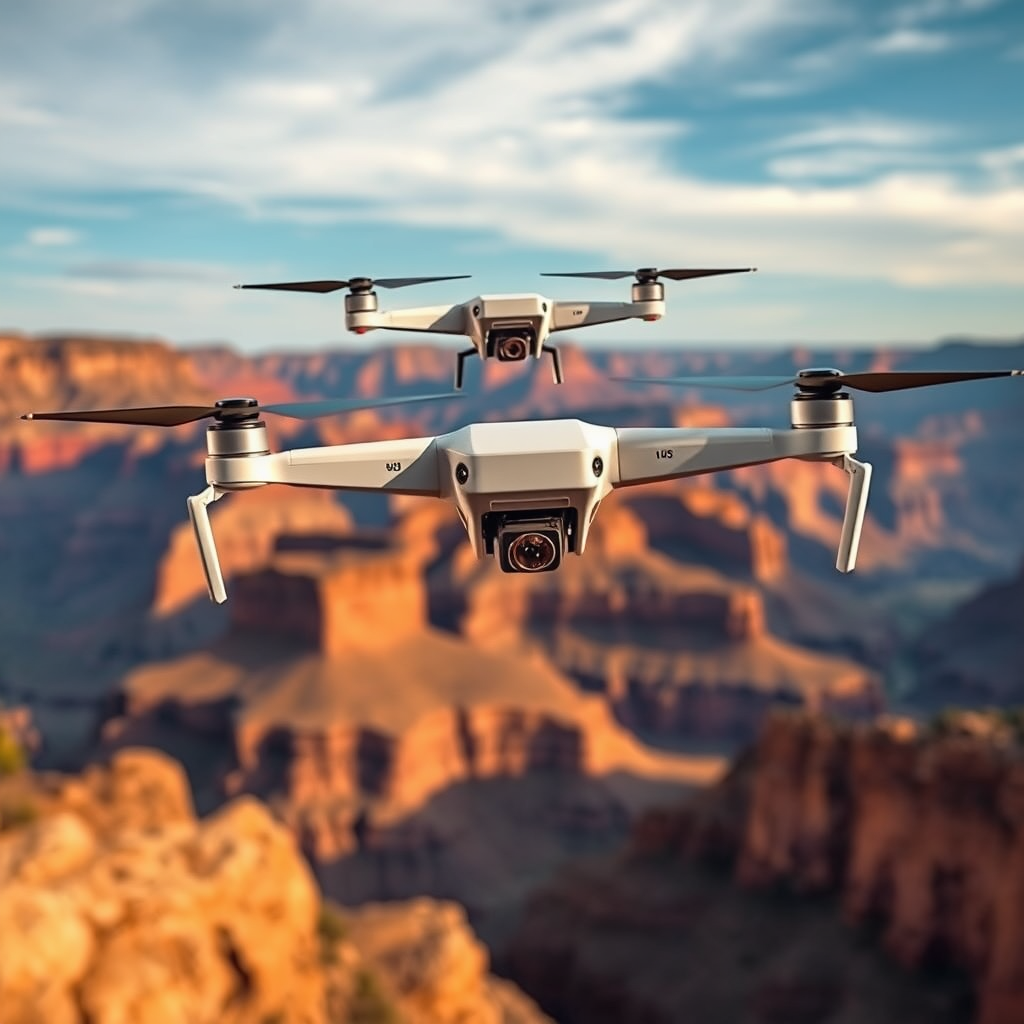
Yes, you can fly a drone in the Grand Canyon, but there are strict regulations and restrictions in place. It’s essential to understand these rules to ensure a safe and legal flying experience while enjoying the breathtaking views of this natural wonder. The Grand Canyon, a UNESCO World Heritage Site, attracts millions of visitors each year, making it crucial to balance recreational drone use with the preservation of its delicate ecosystem and the safety of park visitors.
Understanding the Regulations
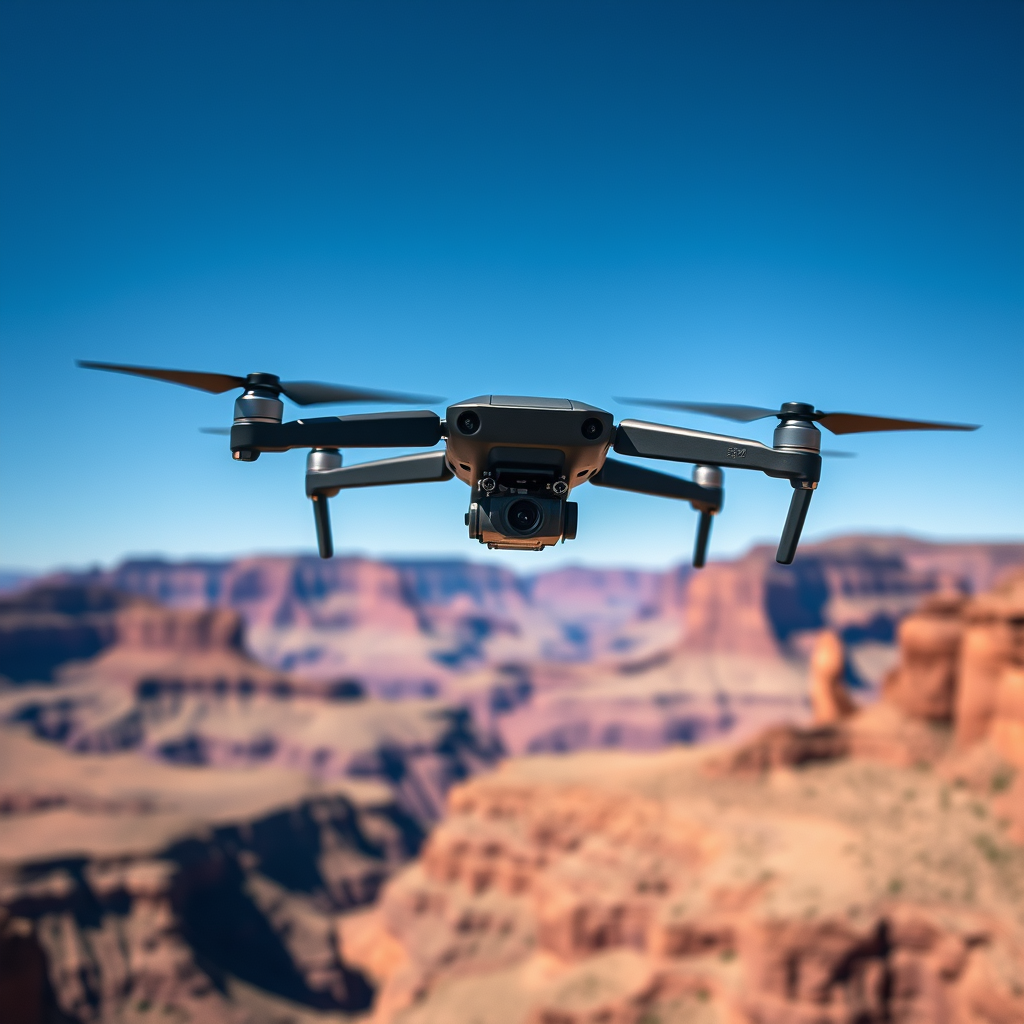
The Grand Canyon is a National Park, and drone use is heavily regulated by the National Park Service (NPS). Under the NPS regulations, flying drones within the boundaries of national parks is generally prohibited. This policy is primarily intended to protect wildlife, preserve the natural environment, and maintain the tranquility that millions of visitors seek when exploring these iconic landscapes. The noise and visual impact of drones can disrupt wildlife habitats and detract from the serene experience that the park aims to provide.
In addition to the national regulations, the Grand Canyon is home to unique geological formations, diverse ecosystems, and numerous cultural resources that could be adversely affected by drone activity. As such, the NPS maintains a strict stance on unauthorized drone usage, making it critical for any drone pilot to be fully informed of the guidelines before planning a flight.
Permits and Permissions
If you want to fly a drone for commercial purposes, you must apply for a Special Use Permit from the NPS. This process involves submitting a detailed proposal that outlines your intended flight operations, the purpose of the drone use, and how you plan to minimize any potential impacts on the park’s resources. The NPS reviews these applications carefully, considering factors such as wildlife protection, visitor safety, and potential disruptions to the natural environment.
For recreational drone operators, the rules are even stricter, as the NPS does not issue permits for non-commercial drone flying in national parks. Therefore, it’s crucial to check with local authorities and the NPS for the latest regulations and permit requirements before attempting to fly a drone in or near the Grand Canyon. Keeping abreast of any changes in regulations can save you from fines and ensure compliance with all legal requirements.
Best Practices for Responsible Flying
When drone flying is permitted, it is essential to adhere to responsible flying practices. One of the foremost considerations is to respect wildlife by avoiding flight in areas where animals are nesting or feeding. The Grand Canyon is home to various sensitive species, and disturbance can have long-term consequences on their populations.
Additionally, maintaining a safe distance from visitors and park facilities is vital for ensuring everyone’s safety. Drones can be unpredictable, and their operation should never interfere with the enjoyment of other park-goers. Keeping a safe altitude and distance from people, wildlife, and park infrastructure helps minimize risks of accidents or disturbances.
Moreover, always be mindful of the visual and auditory impact of your drone. The Grand Canyon is celebrated for its stunning vistas and peaceful environment; excessive noise from drone operations can detract from this experience for others. Lastly, thorough pre-flight checks and knowledge of your drone’s operational capabilities can go a long way in ensuring safe and responsible flying.
Popular Drone Spots Near the Grand Canyon
While flying in the Grand Canyon itself may be restricted, consider nearby areas where drone use is allowed. Locations like the Kaibab National Forest, which borders the Grand Canyon, can provide excellent opportunities for aerial photography and exploration. The expansive views and diverse landscapes in this region make it a popular choice for drone enthusiasts looking to capture the beauty of the Colorado Plateau.
Certain viewpoints outside the park, such as the Desert View Watchtower or the South Rim’s various overlooks, can also serve as alternative locations for drone flying, provided that local regulations permit it. Always check the specific rules of these areas, as regulations can vary significantly even within close proximity to the national park.
Engaging with local drone communities or forums can yield valuable insights into the best places to fly drones near the Grand Canyon, including recommendations on the best times to fly and any seasonal restrictions that might apply.
Consequences of Illegal Drone Use
Flying a drone in restricted areas can lead to hefty fines and confiscation of your equipment. The NPS takes violations seriously, and penalties for unauthorized drone flights can range from citations to significant monetary fines. In some cases, violators may even face criminal charges, depending on the severity of the infraction and its impact on park resources or visitor safety.
Additionally, violations can result in a ban from future visits to national parks, which can have lasting consequences for outdoor enthusiasts. Engaging in illegal drone operations not only jeopardizes your access to these beloved natural spaces but also risks the safety and enjoyment of others who visit the park.
To avoid such consequences, always adhere to established regulations, obtain necessary permits, and respect the environment and other visitors. Understanding the repercussions of illegal drone use will help you make informed decisions and enjoy a hassle-free experience.
Safety Tips for Flying Drones
Safety should always be a top priority when flying drones, especially in complex environments like the Grand Canyon. Always conduct a pre-flight check and familiarize yourself with drone controls to ensure a smooth operation. A thorough inspection of your drone, including battery levels, camera functionality, and GPS signal strength, can prevent technical failures mid-flight.
Additionally, staying updated on weather conditions is crucial, as they can change rapidly in the canyon. Wind patterns, temperature fluctuations, and sudden storms can all impact drone performance. Familiarize yourself with local weather forecasts and be prepared to postpone your flight if conditions are unfavorable.
Lastly, maintain a clear line of sight with your drone at all times and avoid flying near restricted airspace, which can include areas near airports or military installations. By adhering to these safety tips, you can enhance your flying experience while minimizing potential risks.
In conclusion, while it is possible to fly a drone in the Grand Canyon with the proper permits and considerations, it is crucial to adhere to regulations and practice responsible flying. Understanding the National Park Service’s guidelines, securing necessary permits for commercial use, and respecting wildlife and other visitors are essential steps to ensure a safe and enjoyable experience. Always stay informed and respect the natural environment to fully appreciate the grandeur of the Grand Canyon while flying your drone responsibly.
Frequently Asked Questions
Can I fly a drone in the Grand Canyon National Park?
No, flying a drone within Grand Canyon National Park is prohibited. The National Park Service (NPS) has strict regulations against the use of unmanned aircraft to protect wildlife, preserve the natural landscape, and ensure visitor safety. If you’re planning a trip, it’s essential to respect these rules and consider alternative photography options, such as hiring a professional photographer or using a handheld camera.
What are the regulations regarding drone use in national parks?
Regulations for drone use in national parks vary by location, but in general, the National Park Service prohibits drone operation without a special permit. This is to minimize disturbances to wildlife and the natural environment. Before planning any drone activity, always check the specific regulations for the park you intend to visit, as violations can result in fines and confiscation of equipment.
How can I capture aerial views of the Grand Canyon without a drone?
To capture stunning aerial views of the Grand Canyon without using a drone, consider taking a helicopter or airplane tour. These tours offer breathtaking perspectives of the canyon’s vastness and intricate geological features. Additionally, you can explore viewpoints accessible by foot or vehicle, such as Mather Point or Yavapai Observation Station, which provide excellent vantage points for photography.
Why are drones banned in places like the Grand Canyon?
Drones are banned in national parks like the Grand Canyon primarily to protect the delicate ecosystem and enhance visitor experiences. The noise and presence of drones can disturb wildlife, disrupt natural sounds, and detract from the serene environment that many visitors seek. By prohibiting drones, parks aim to preserve their unique landscapes and maintain a peaceful atmosphere for all guests.
Which areas near the Grand Canyon allow drone flying?
While the Grand Canyon itself has strict drone regulations, there are areas nearby where drone flying is permitted. For example, certain state parks and public lands surrounding the Grand Canyon may allow drone use, provided you adhere to local regulations and guidelines. Always check with the specific area’s management for rules regarding drone operation, including altitude limits and no-fly zones, to ensure compliance and safety.
References
- https://www.nps.gov/grca/planyourvisit/drone-use.htm
- https://www.faa.gov/uas/getting_started/
- https://www.azcentral.com/story/news/local/arizona/2021/05/03/drone-use-grand-canyon-national-park/4924755001/
- https://www.nps.gov/articles/drone-use-in-national-parks.htm
- https://www.grandcanyon.org/what-to-know/drone-regulations-grand-canyon/
