
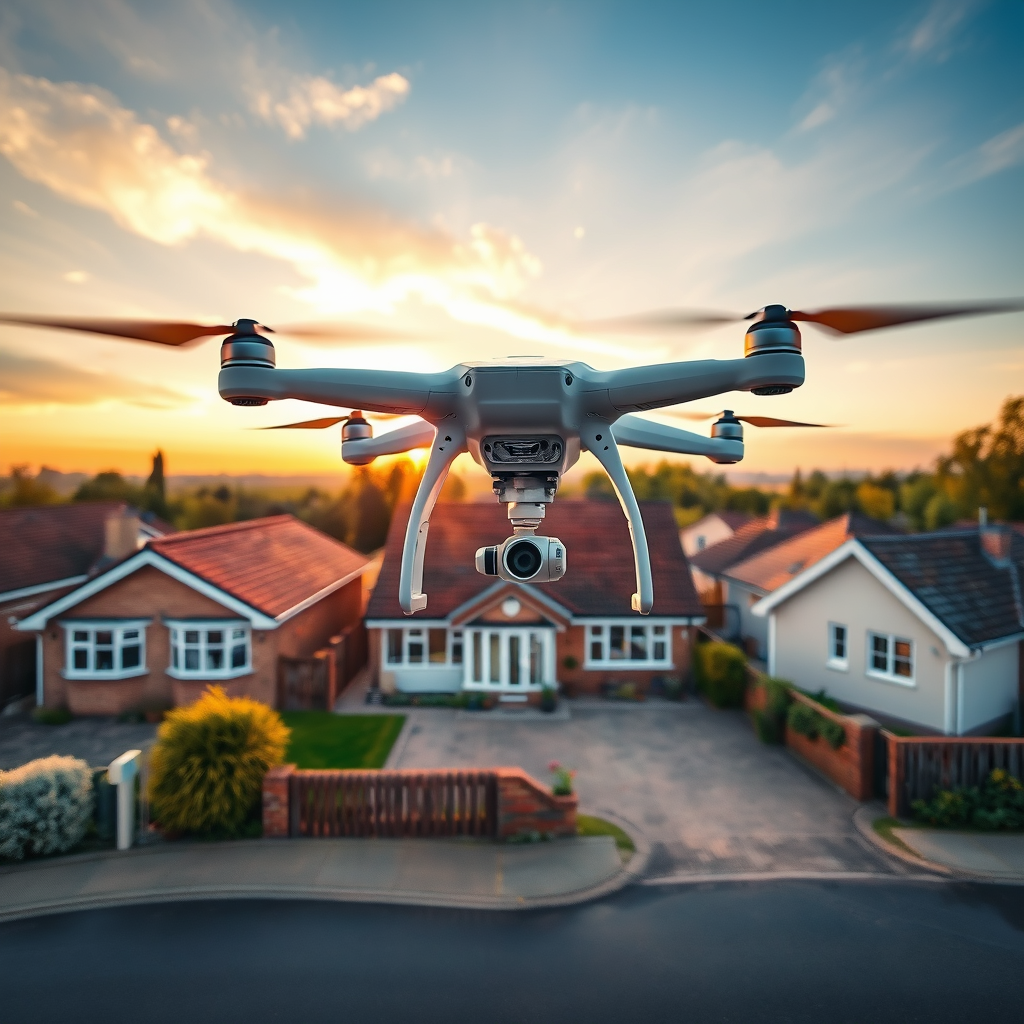
Yes, you can fly a drone over private property in the UK, but there are important regulations and considerations to keep in mind. Understanding these rules will help you avoid legal issues and respect the rights of property owners. Drones have become increasingly popular for various uses, including photography, surveying, and recreational flying. However, with this rise in usage comes the necessity to navigate the complex landscape of laws and regulations governing drone flight, particularly when it comes to private property.
Understanding UK Drone Regulations
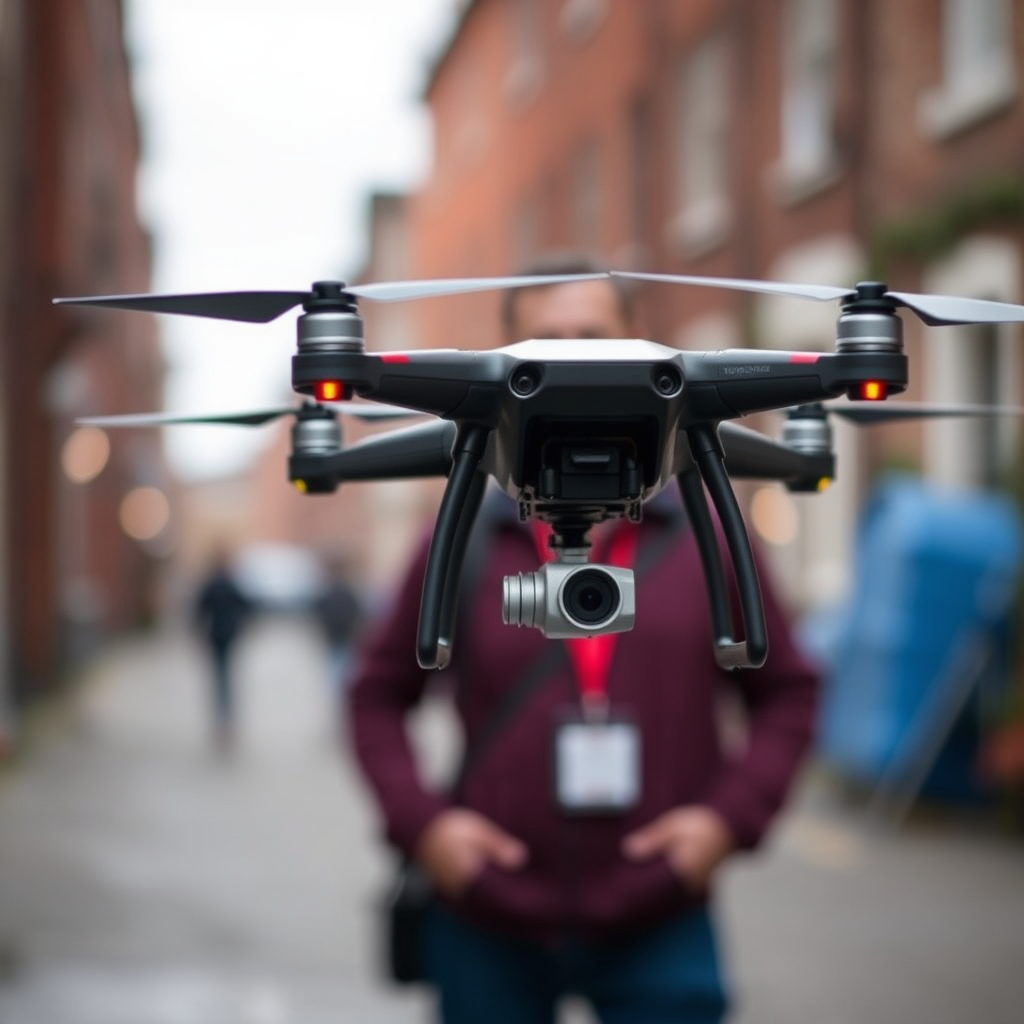
The Civil Aviation Authority (CAA) is the regulatory body responsible for overseeing drone operations in the UK. They have established a set of guidelines known as the Drone Code, which operators must adhere to when flying their drones. One of the core principles of this code is that drones must be flown within the operator’s visual line of sight (VLOS). This means that the operator should always be able to see the drone without the aid of binoculars or other visual enhancement tools.
Additionally, the CAA has categorized drones into different classes based on their weight and purpose, requiring varying levels of registration and certification. For instance, drones weighing more than 250 grams must be registered with the CAA, and the operator needs to have obtained a flyer ID and an operator ID. Furthermore, the regulations stipulate a minimum safe distance from people and property, which is typically 50 meters from uninvolved persons and 150 meters from crowded areas. These measures are in place to ensure the safety of individuals on the ground as well as to minimize the risk of accidents.
Respecting Privacy Laws
Flying a drone over someone’s private property can raise significant privacy concerns. The right to privacy is a fundamental aspect of UK law, and drone operators should be aware that capturing images or video of individuals without their consent can lead to legal repercussions. The Data Protection Act (DPA) may come into play in such scenarios, particularly if the footage is used in a way that could identify individuals or is shared publicly.
For example, if you are capturing aerial footage of a property and inadvertently record people in their gardens or backyards, those individuals may have grounds for a complaint under the DPA. To mitigate such risks, it is advisable to refrain from flying over private properties unless you have obtained permission from the landowner, especially if you plan to capture images or recordings that may involve people.
The Role of Landowners’ Rights
Landowners have a legal right to control access to their property, which extends to the airspace above it. While UK law technically grants rights to the airspace above private property, the extent of these rights can be complex. Generally, landowners are considered to have control over the space directly above their property, and flying a drone over their land without consent could be seen as a trespass.
To maintain good relations and avoid potential conflicts, it is advisable to seek permission from the property owner before conducting any drone flights over their land. This not only respects the rights of landowners but also fosters a collaborative environment, particularly if you are using the drone for business purposes, such as surveying or real estate photography. In many cases, property owners may appreciate the opportunity to discuss your intentions and may grant permission if they understand the purpose of your flight.
Drone Insurance and Liability
Given the potential risks associated with drone operations, obtaining liability insurance is a prudent step for any drone operator. Liability insurance can cover damages that may occur during your flight, including property damage or personal injury to third parties. This is particularly important when flying over private property, as any mishap could lead to significant legal and financial consequences.
Some insurance providers offer policies specifically tailored for drone operators, which can include coverage for theft, loss, and damage to the drone itself, in addition to third-party liability. When selecting an insurance policy, it’s essential to review the terms and conditions carefully to ensure that you are adequately covered for all potential risks associated with your drone operations.
Best Practices for Flying Drones
To ensure a safe and respectful drone flying experience over private property, it is important to adhere to best practices. First and foremost, maintain a safe distance from people, buildings, and vehicles while flying. The CAA recommends keeping a minimum distance of 50 meters from any uninvolved persons and at least 150 meters from crowds. This not only protects the safety of others but also minimizes the likelihood of complaints.
Before flying, always check for any local restrictions or no-fly zones that may affect your flight. Certain areas, such as near airports or military bases, have strict regulations that prohibit drone flights. Utilizing apps and websites that provide real-time information on no-fly zones can be invaluable for ensuring compliance with regulations.
Furthermore, consider notifying nearby property owners about your planned flight. This proactive approach can help build trust and may even lead to potential collaborations or partnerships if your drone usage aligns with their interests, such as aerial photography for marketing purposes.
Reporting Issues or Complaints
In the event of encountering problems while flying your drone over private property, it is crucial to address any complaints calmly and professionally. If a property owner approaches you with concerns, listen carefully to their issues and attempt to resolve them amicably. Understanding their perspective can often lead to a more positive outcome and help maintain good neighborly relations.
Should you find yourself facing allegations of drone misuse or harassment, familiarize yourself with the process for reporting such issues to the relevant authorities. The CAA provides guidance on how to report incidents or complaints related to drone operations, and they can offer assistance in handling disputes that may arise.
In summary, while you can fly a drone over private property in the UK, it is essential to be aware of the legal framework surrounding drone operations, respect the privacy of individuals, and acknowledge the rights of landowners. Prioritizing safety, responsibility, and effective communication can help ensure that your drone flying experience is both enjoyable and compliant with regulations. Always consider reaching out to property owners for permission and maintain best practices to foster a positive environment for all involved.
Frequently Asked Questions
Can I fly a drone over private property in the UK without permission?
In the UK, flying a drone over private property without permission is generally not allowed. While the airspace above private land is technically considered public, the landowner has rights to their property, and flying a drone could be seen as an invasion of privacy. It’s advisable to seek consent from the property owner before flying your drone to avoid potential legal issues.
What are the legal restrictions for flying a drone in the UK?
In the UK, drone pilots must adhere to the Civil Aviation Authority (CAA) regulations, which include maintaining a minimum distance from people, buildings, and vehicles. Drones must be flown at least 50 meters away from uninvolved people and 150 meters from crowds or built-up areas. Additionally, drone operators must not exceed a height of 120 meters and must have a valid registration if their drone weighs over 250 grams.
How can I obtain permission to fly a drone over private property?
To obtain permission to fly a drone over private property in the UK, you should directly contact the property owner and explain the purpose of your flight. It’s helpful to provide details about the drone’s capabilities, how long you will be flying, and how you will ensure safety. Having written permission is recommended to avoid misunderstandings and provide legal protection for both parties.
Why is it important to get permission before flying a drone over someone else’s land?
Getting permission before flying a drone over someone else’s land is crucial to respect the property owner’s rights and privacy. Unauthorized drone flights can lead to legal disputes, complaints, or even fines from regulatory bodies like the CAA. Additionally, obtaining permission helps build trust and fosters a positive relationship with the community, which is vital for responsible drone usage.
What should I do if I’m approached by someone while flying my drone over their property?
If approached by someone while flying your drone over their property, it’s essential to remain calm and courteous. Explain that you are following all legal guidelines and that you have taken necessary precautions for safety. If you did not have permission to fly over their property, consider ceasing your flight and, if necessary, offering to leave the area. A respectful approach can help mitigate any tension and avoid conflict.
References
- https://www.caa.co.uk/Consumers/Unmanned-aircraft/Drone-safety/
- https://www.gov.uk/guidance/drone-code
- https://www.bbc.com/news/technology-45421373
- https://www.theguardian.com/technology/2020/jun/23/drone-law-uk-privacy-private-property
- https://www.privacyinternational.org/explainer/3674/drones-privacy-and-data-protection-uk
- https://www.nationalgeographic.com/science/article/drones-privacy-issues-uk
- https://www.lawgazette.co.uk/news/drone-laws-and-privacy-what-you-need-to-know/5109223.article
- https://www.rspb.org.uk/about-the-rspb/about-us/our-work/policy/drone-use/
