
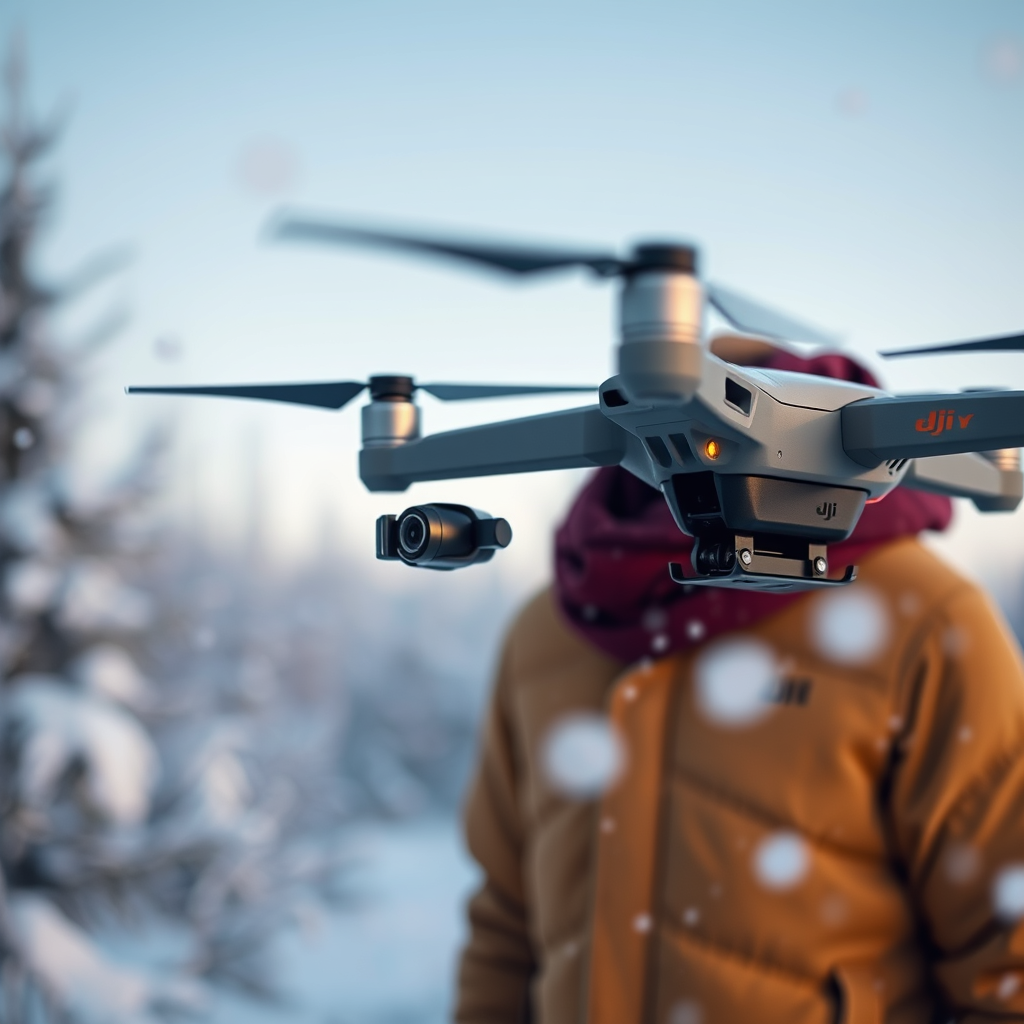
Yes, you can fly your DJI drone in snow, but there are important considerations to keep in mind. Cold temperatures and snow can impact battery life, drone performance, and safety. Understanding these factors will help ensure a successful flying experience in winter conditions. Recognizing how snow affects visibility, battery efficiency, and drone mechanics is crucial for both amateur and professional drone operators. This blog post will provide you with comprehensive insights into flying your DJI drone during snowy weather, covering everything from performance issues to legal regulations.
Understanding Temperature Effects on Drone Performance
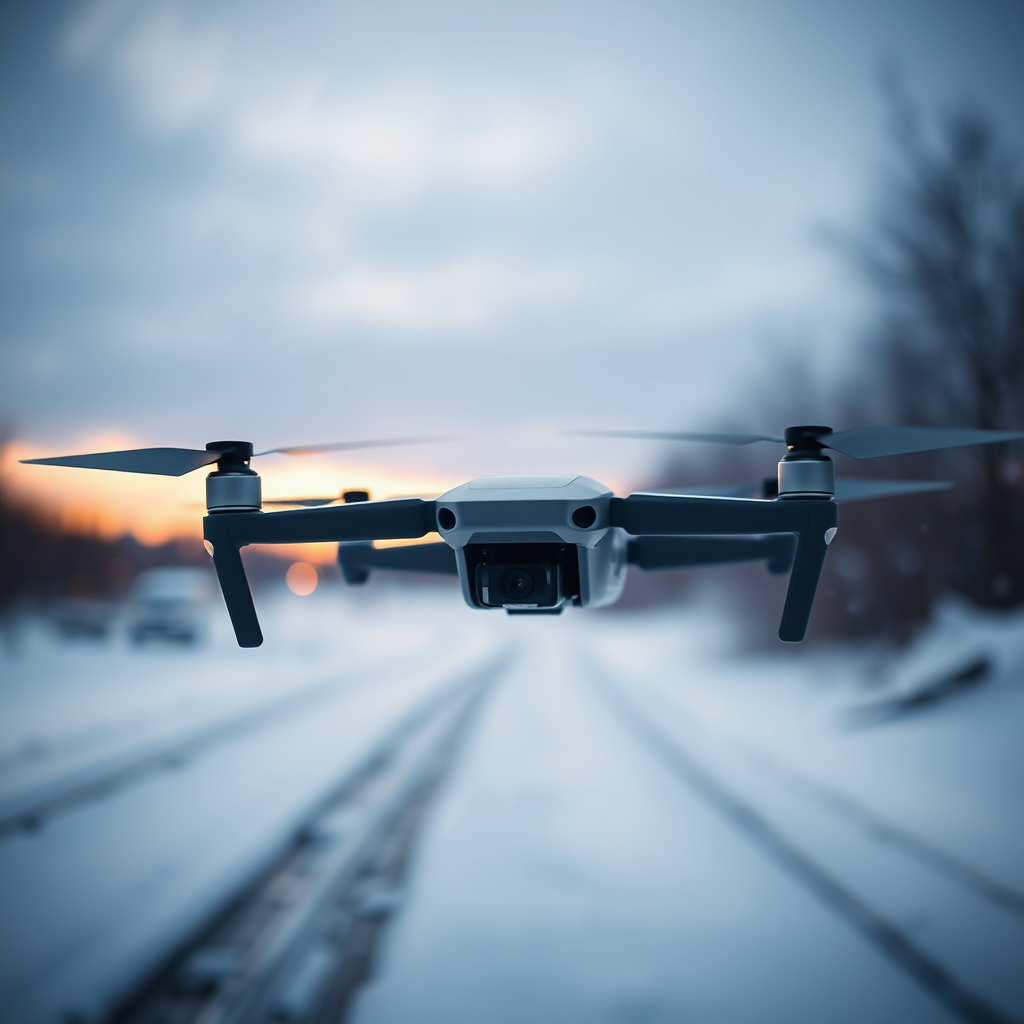
Cold weather can significantly reduce battery life, leading to shorter flight times. Lithium polymer batteries, commonly used in DJI drones, are sensitive to low temperatures. In frigid conditions, the chemical reactions that generate power slow down, often resulting in a decrease of up to 30% in battery capacity. For instance, if you typically get 20 minutes of flight time in moderate temperatures, you may only achieve around 14 minutes in sub-zero conditions. It’s essential to monitor your battery levels closely and plan for shorter flights to avoid unexpected landings.
DJI drones may have operational temperature limits; check your specific model’s guidelines. Most DJI models are designed to operate optimally between 0°C to 40°C (32°F to 104°F). Flying outside these ranges can not only diminish battery life but also increase the risk of system malfunctions. For example, the DJI Mavic series has specific recommendations for optimal performance, urging users to stay within these temperature thresholds. Before taking off, consult your user manual to familiarize yourself with these critical operational limits.
Preparing Your Drone for Snowy Conditions
Ensuring your drone is fully charged is vital, but considering bringing extra batteries is equally important. When flying in cold temperatures, it is advisable to keep spare batteries warm in your pocket or a heated bag until you are ready to use them. This practice can extend their usability and enhance performance, as a warm battery will deliver better power during flight.
In addition, using propeller guards can protect against snow accumulation and potential damage. Snow can obstruct drone sensors and cause control issues, especially if it gets into the propellers. Moreover, propeller guards can help shield the drone from physical impact with snow-covered branches or other obstacles that are not easily seen in winter conditions. Make sure to check that the guards are compatible with your specific DJI model.
Safety Considerations When Flying in Snow
Be aware of visibility issues caused by snow and overcast conditions. Snow can create a stark white landscape that may make it difficult to see your drone, particularly at higher altitudes. Always maintain visual line-of-sight, as required by regulations, and consider using a drone with a reliable GPS and return-to-home feature to avoid losing your aircraft in the snow.
Avoid flying in heavy snowfall or strong winds, which can affect control and stability. Winds can cause the drone to drift, complicating navigation, and heavy snowfall can obscure your view of the drone and its surroundings. For instance, if the snowfall is so heavy that you cannot clearly see your drone, it is best to postpone your flight until conditions improve. Always prioritize safety and avoid flying in conditions that could lead to accidents or loss of your drone.
Maintenance Tips for Drones After Flying in Snow
Cleaning your drone thoroughly after exposure to snow is crucial to prevent moisture damage. Snow can melt and infiltrate the drone’s internal components, leading to corrosion or electrical issues over time. After your flight, use a soft cloth to wipe down the exterior, removing any snow or moisture. It is also advisable to blow out any snow or moisture from the crevices and around motors with compressed air.
Check for any signs of wear or damage, especially on motors and electrical components. Inspect the propellers for any bends or breaks, as icy conditions can make them more susceptible to damage. Regular maintenance can prolong the life of your drone and ensure its reliability during future flights.
Legal Regulations for Flying Drones in Winter
Familiarize yourself with local regulations regarding drone use in winter conditions. Laws governing drone operations can vary significantly from one region to another, and certain areas may have specific restrictions related to flying in snow or icy weather. For example, some parks or nature reserves may prohibit drone flying during winter months to protect wildlife or natural habitats.
Before heading out, consult with local aviation authorities or drone clubs for updated regulations. Additionally, familiarizing yourself with airspace classifications will help you stay compliant and avoid potential fines. This knowledge ensures not only legal compliance but also enhances safety for both you and other drone operators.
Best Practices for Capturing Snowy Landscapes
Use your drone’s camera settings to adjust for bright snow, which can cause overexposure. The reflective nature of snow can trick your camera’s light sensor, leading to washed-out images. Setting your camera to manual mode can help you control the exposure better. Adjust the ISO, shutter speed, and aperture to capture the stunning beauty of snowy landscapes without losing detail.
Experiment with different angles and altitudes for unique winter photography. Aerial drone photography allows for unparalleled perspectives, especially in snow-covered terrains. Try capturing scenes during the golden hour—shortly after sunrise or before sunset—when the light creates a magical glow on the snow. Utilizing various angles can create depth and intrigue in your images, making them stand out in your portfolio or social media feed.
In conclusion, flying your DJI drone in snow is possible, but it requires careful preparation and consideration of weather conditions. Understanding how cold affects battery life, ensuring proper maintenance, and adhering to local regulations are essential for a successful flying experience. By prioritizing safety and employing best practices for capturing winter landscapes, you can enjoy the unique beauty of snowy environments from an aerial perspective. Happy flying!
Frequently Asked Questions
Can I fly my DJI drone in snowy conditions?
Yes, you can fly your DJI drone in snowy conditions, but there are some important precautions to take. Snow can affect battery performance, as cold temperatures may reduce flight time. Additionally, ensure that the drone’s sensors and cameras are free from snow accumulation to maintain optimal performance. Always check the weather conditions and avoid flying in heavy snowfall or blizzard conditions for safety.
What precautions should I take when flying my DJI drone in the snow?
When flying your DJI drone in the snow, make sure to check the battery levels frequently, as cold weather can drain them faster. Use propeller guards to protect against icy branches or obstacles, and consider flying at a higher altitude to avoid potential ground hazards. It’s also advisable to keep the drone dry and wipe off any snow accumulation immediately after landing to prevent moisture-related issues.
How does snow affect the performance of my DJI drone?
Snow can impact your DJI drone’s performance in several ways. The cold weather can lead to decreased battery efficiency, resulting in shorter flight time. Additionally, the weight of accumulated snow on the drone can affect its lift and stability. Snow can also obstruct sensors and cameras, potentially leading to navigation issues. It’s essential to monitor performance closely while flying in snowy conditions.
What is the best DJI drone for flying in snowy weather?
The best DJI drones for flying in snowy weather are typically those with better battery performance and weather-resistant features. Models like the DJI Mavic Air 2 and DJI Phantom 4 Pro offer robust performance in colder temperatures and have features that enhance safety and stability. Always check the specifications for operating temperature limits to ensure optimal performance in snowy conditions.
Why is it important to avoid flying my DJI drone in heavy snow?
Avoiding flight in heavy snow is crucial due to safety and operational risks. Heavy snowfall can significantly reduce visibility, making it difficult to navigate and control the drone. Additionally, heavy snow can accumulate on the drone, leading to potential overload and mechanical failure. For these reasons, it’s essential to choose clear days with light snow flurries for safer flying conditions.
References
- https://www.faa.gov/uas/getting_started/registration
- https://www.sUASNews.com/2021/01/18/flying-drones-in-winter-what-you-need-to-know/
- https://www.nasa.gov/feature/how-to-fly-your-drone-in-winter-weather
- https://www.wired.com/story/flying-drones-in-winter/
- https://www.dronepilotgroundschool.com/flying-drones-in-cold-weather/
